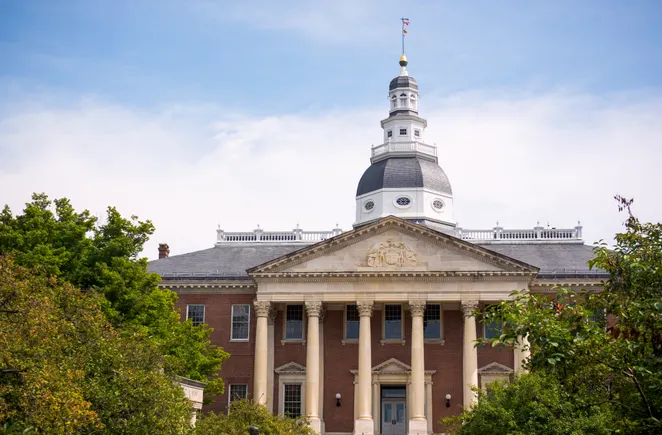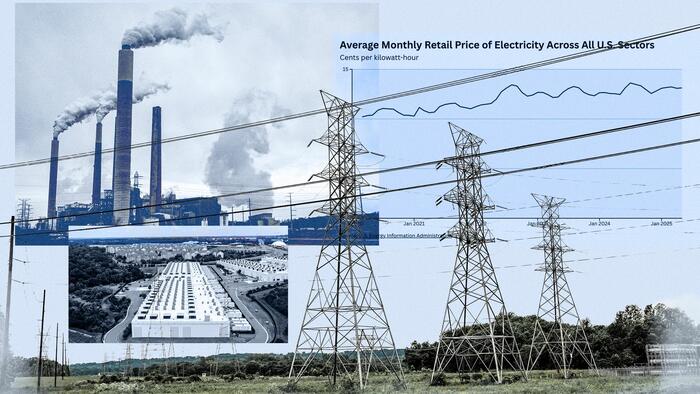
Authored by AG News Staff via American Greatness,A new analysis by Always On Energy Research and the Institute for Energy Research concludes that renewable energy mandates and net-zero policies have contributed to higher electricity prices in states that adopted them, while states with fewer climate-related mandates generally have lower electricity costs.The analysis examined electricity pricing data from the U.S. Energy Information Administration and found that most states with electricity rates above the national average voted for the Democratic presidential nominee in the 2020 and 2024 elections.According to the report, 86 percent of states with above-average electricity prices supported the Democratic nominee in both elections. By comparison, 80 percent of the 10 states with the lowest electricity prices voted for the Republican nominee.Researchers said the study focused on identifying policy differences between states with higher and lower electricity rates.Last year, the organizations highlighted California, New York, Florida, Kentucky and Louisiana as examples of how renewable portfolio standards, net-zero targets, net-metering programs and other climate-related policies may affect electricity prices.The groups have now expanded the project, releasing detailed profiles of the original 13 colonies on the Fourth of July. Additional state profiles are expected to be published in phases."We wanted to have a one-stop shop where people could kind of get a feel for what's the energy mix in their state, what policies are being implemented, and what's the impact of those policies on what they're paying at the plug," Isaac Orr, vice president of research for Always On Energy Research, told Just the News.The report evaluates whether states require utilities to obtain a minimum share of electricity from renewable sources, have utility net-zero commitments, offer net-metering programs for rooftop solar customers, impose carbon-pricing or cap-and-trade systems, restrict natural gas infrastructure or have policies related to electricity demand from data centers."The map shows these kinds of subtle distinctions in the price of electricity for each of these states, and we wanted to be able to demonstrate why that is from a policy perspective," Orr said.The researchers noted that political affiliation alone does not explain electricity prices. Oregon and Washington, both Democratic-leaning states, have relatively low electricity costs because of their extensive hydroelectric generation.According to the report, utilities may benefit financially from net-zero commitments because they can earn greater returns by investing in new infrastructure.The organizations said they hope the project will serve as a resource for voters and policymakers evaluating the impact of state energy policies.Alex Stevens, manager of policy and communications for the Institute for Energy Research, said the report has generated significant interest, including discussions with state officials and testimony before the Maryland Legislature on the relationship between energy policies and electricity prices.Tom Pyle, president of the Institute for Energy Research, cited federal data showing electricity prices increased 27 percent between January 2021 and January 2025, followed by an additional 11 percent increase from January through September 2025.Under the Federal Power Act, states have primary authority over electricity generation portfolios, retail pricing and resource planning."Americans deserve transparent information on how state decisions directly affect their wallet," Pyle said. "The bottom line is that the decisions that states make, good or bad, have consequences for American families and businesses when it comes to electricity affordability."
Higher Electricity Rates In Blue States Linked To Renewable Energy Policies
86 percent of states with above-average electricity prices supported the Democratic nominee in both elections...
534 words~2 min read