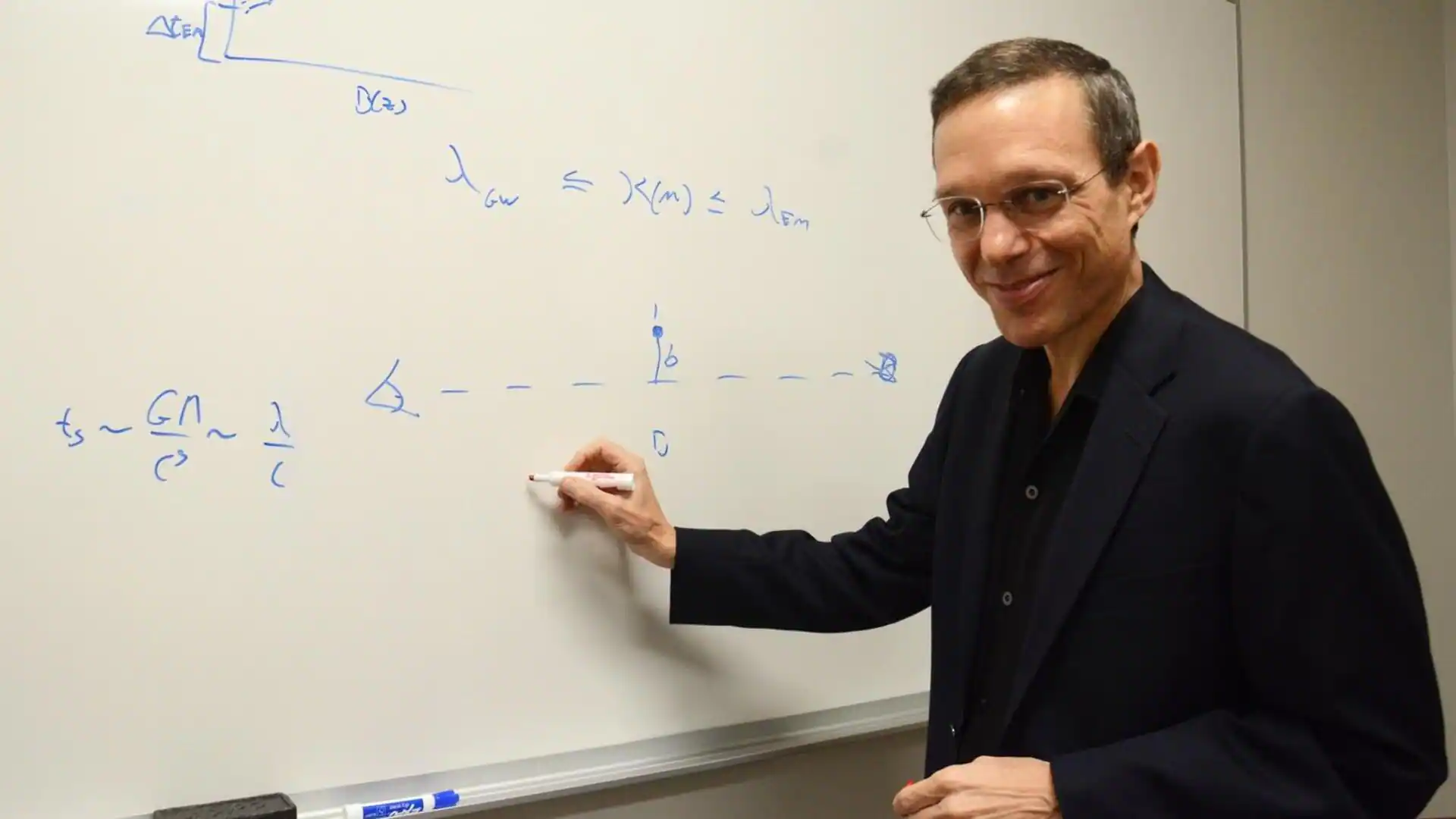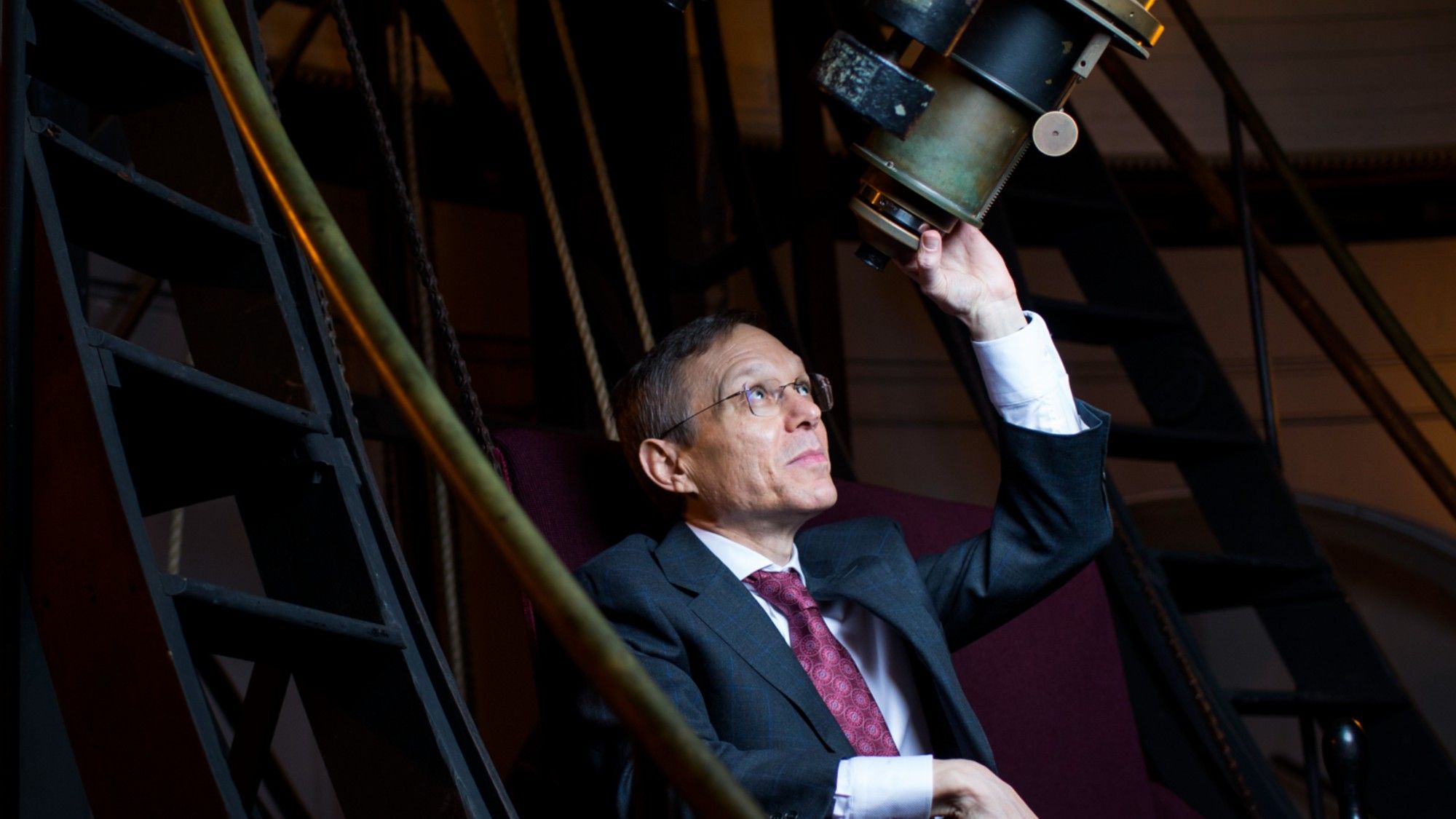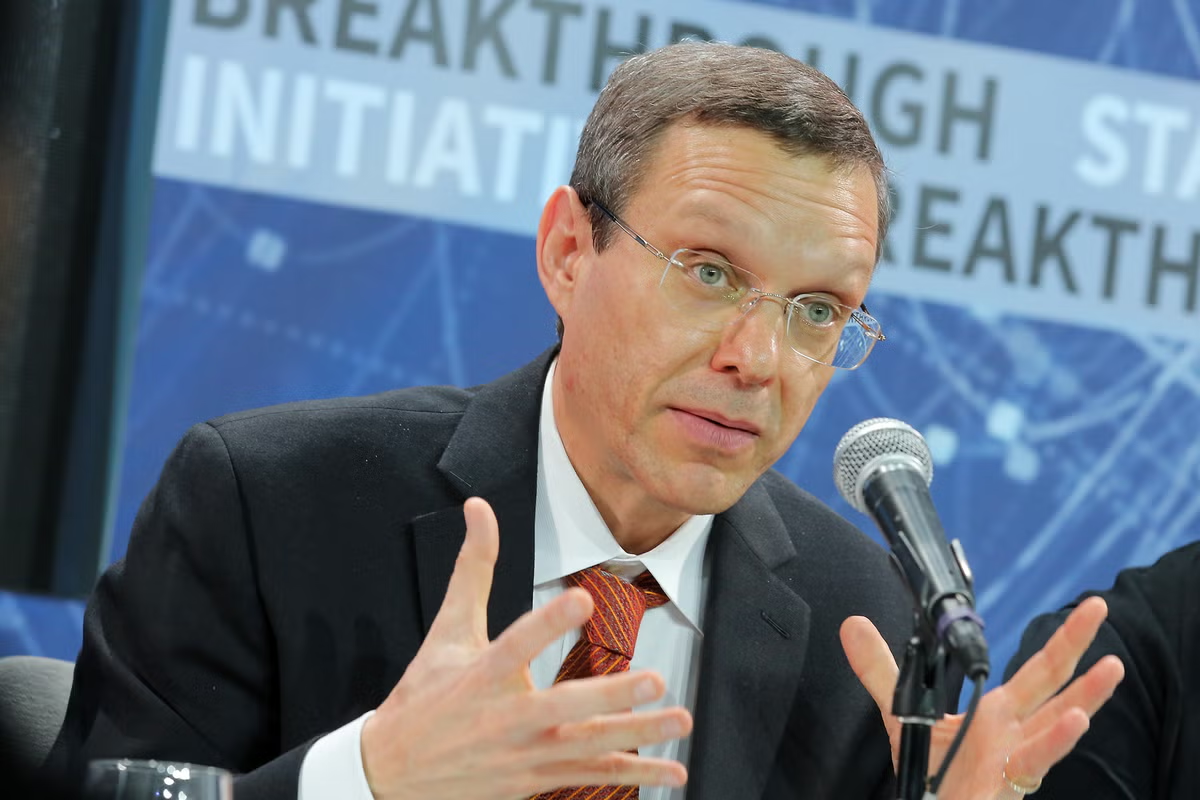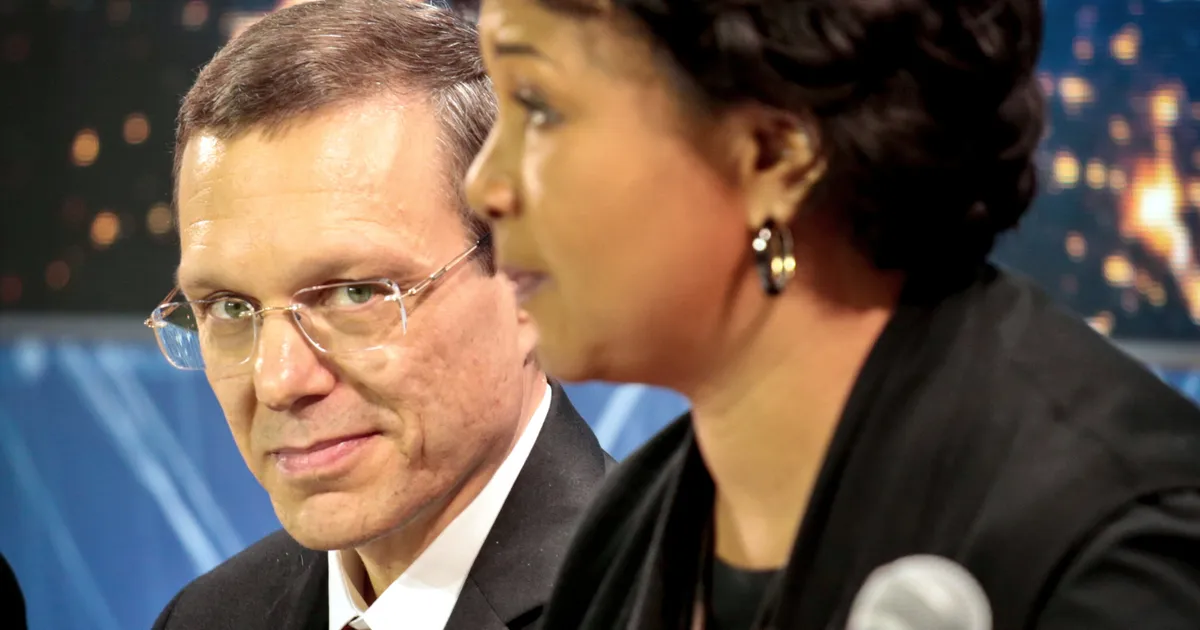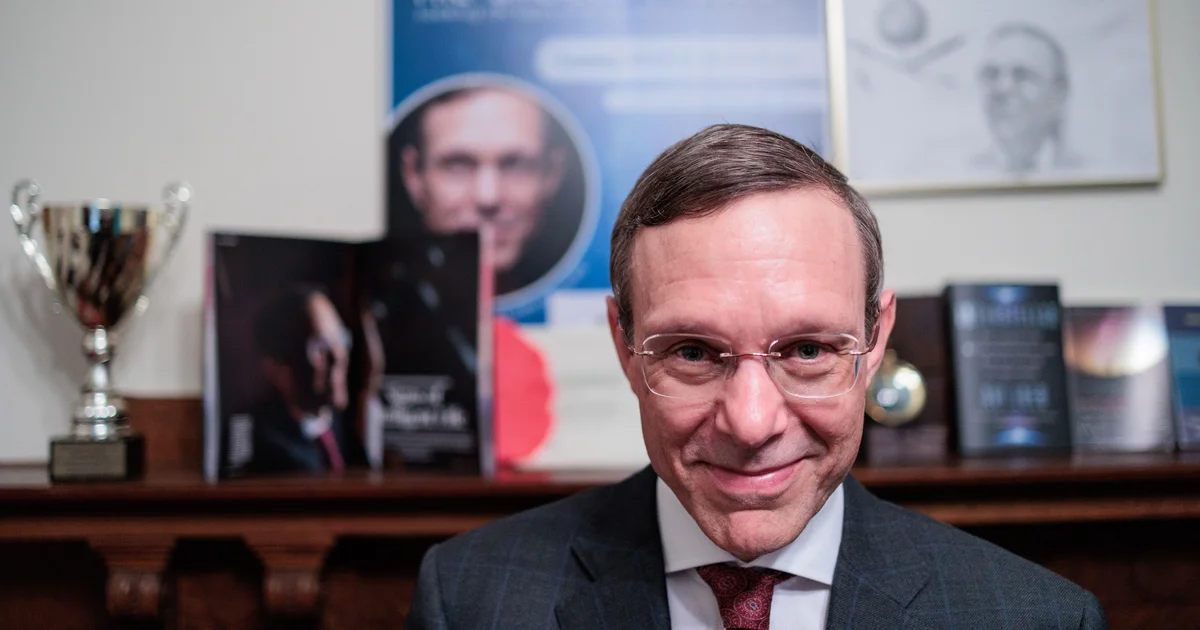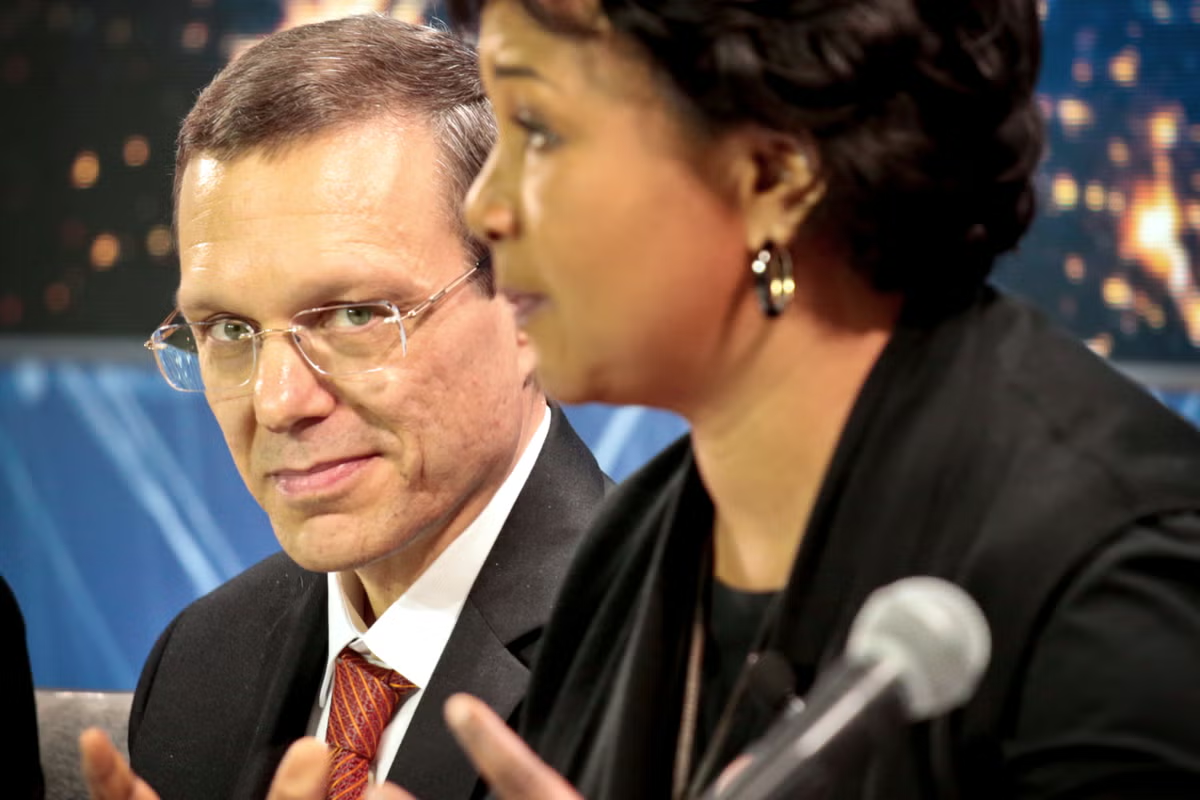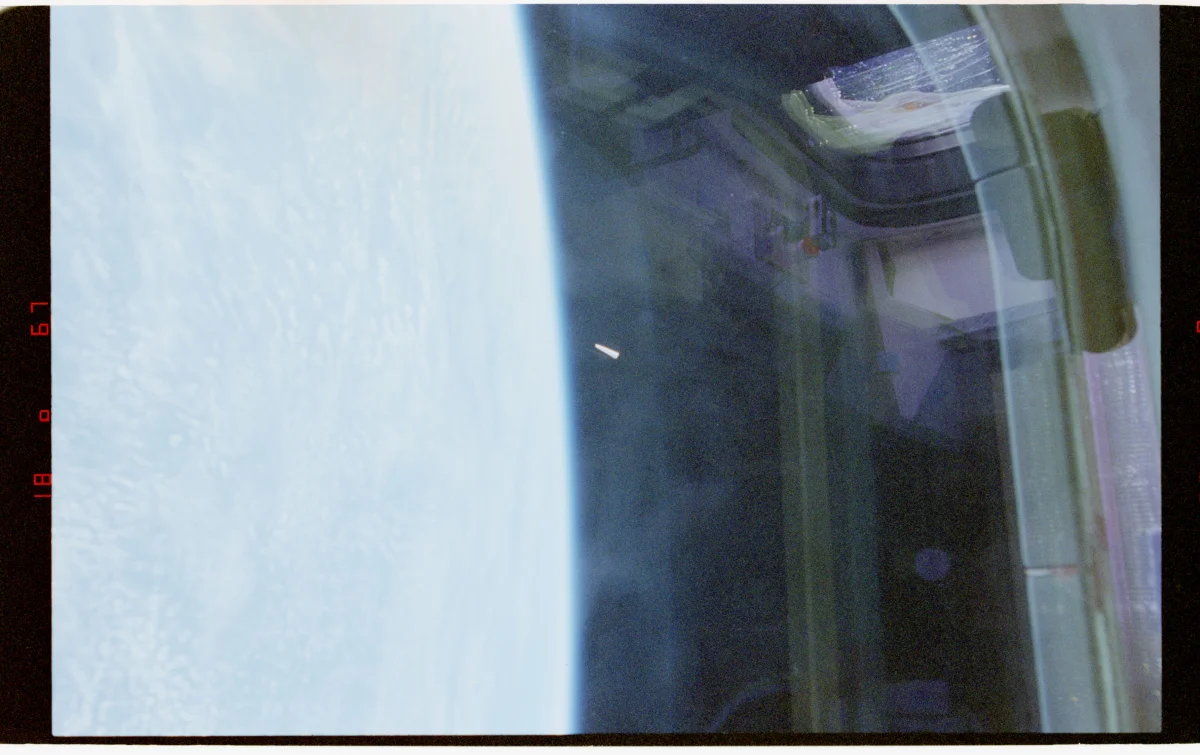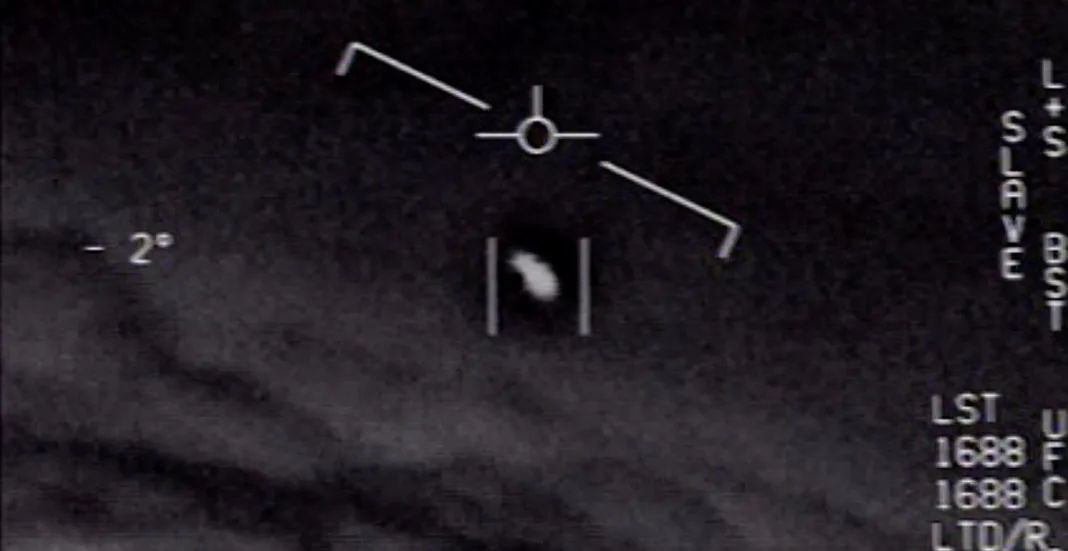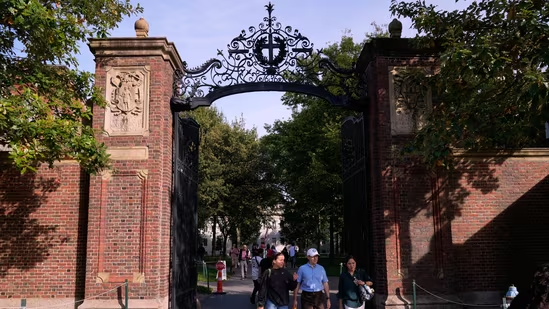
Indian astrophysicist Dr. Devesh Nandal, a postdoctoral researcher at the Center for Astrophysics | Harvard & Smithsonian, has been appointed to the Unidentified Anomalous Phenomena (UAP) Science Advisory Council, an expert body constituted by Harvard professor Avi Loeb to provide scientific analysis of unexplained aerial and anomalous observations.The role places him among experts from diverse fields, working to unravel the mysteries surrounding the universe and national security. (AP Photo/Charles Krupa)The council was assembled at the request of stakeholders within the US Executive Branch, including the White House, the Office of the Director of National Intelligence (ODNI), the Pentagon's All-domain Anomaly Resolution Office (AARO), the Federal Bureau of Investigation (FBI) and the wider US intelligence community. According to Loeb, the body will advise a higher-level UAP governance structure while working exclusively with unclassified information that can be discussed publicly.Unlike speculative discussions surrounding UFOs, the council has been tasked with examining unexplained observations through established scientific methods, including evidence-based analysis, instrumentation, numerical modelling and data interpretation.Role centred on scientific analysisDr. Nandal, who hails from Hisar in Haryana, has been inducted for his expertise in numerical analysis and astrophysics. His work focuses on theoretical modelling, stellar evolution and interpreting complex astrophysical data, areas expected to support the council in distinguishing scientifically explainable phenomena from genuinely anomalous observations.The council brings together specialists from multiple disciplines, including statistics, physics, artificial intelligence, biology, anthropology, oceanography and psychology. Besides Loeb, members include Stanford professor Garry Nolan, physicist Kevin Knuth, statistician Liberty Vittert Capito, oceanographer Tim Gallaudet and science writer Michael Shermer, among others.Loeb, who chairs the council, is the Frank B. Baird Jr. Professor of Science at Harvard University and heads the Galileo Project, an initiative that applies scientific methods to the search for evidence of extraterrestrial technological artefacts.Research spans first stars and early universeDr. Nandal completed his master's research at Sweden's KTH Royal Institute of Technology, where he worked on experimental approaches to measuring the Lamb shift of antihydrogen. He later earned his doctorate from the University of Geneva with research focusing on the formation and evolution of the Universe's first generation of massive and supermassive stars.His recent work examines how primordial stars may have contributed to the chemical evolution of the early Universe. In a recent study, he and his collaborators proposed that stars between 1,000 and 10,000 times the mass of the Sun could explain unusually high nitrogen enrichment detected in the distant galaxy GS 3073, observed at a redshift of 5.55. His research also explores the origins of massive black hole seeds using observations from NASA's James Webb Space Telescope.Born into a family associated with education and public service, Dr. Nandal is the son of Dr. Sumer Singh Nandal, Deputy Director in Haryana's Youth and Sports Department, and sociology professor Dr. Shakuntla Nandal.His appointment places him among a select international group of scientists contributing to one of the world's most closely watched scientific initiatives at the intersection of astrophysics, national security and unexplained aerial phenomena. The council has emphasised that its objective is not to presume conclusions but to evaluate anomalous observations through rigorous scientific inquiry.
Indian researcher Devesh Nandal named to Harvard-led UAP Science Advisory Council
Indian astrophysicist Dr. Devesh Nandal has been appointed to Harvard's UAP Science Advisory Council, tasked with analyzing unexplained aerial phenomena. | India News
513 words~2 min read