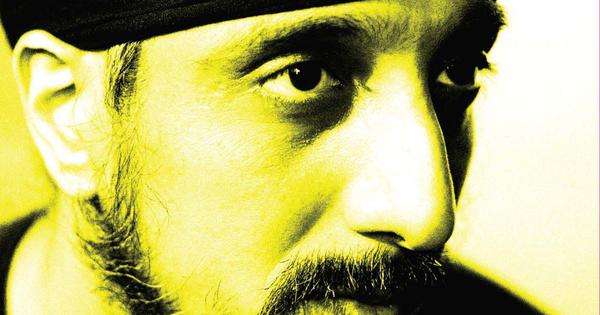
What happens after the picture-perfect happily ever after moment? After the vows have been made, the union has been blessed, once the guests leave, and life kicks in say after five, 10, or 20 years down the line? While you wonder the answer to this, author Kamal Trilok Singh takes this situation as a premise and presents his protagonist as an unnamed woman. This character, who is a bruise dressed in silk, is what leads the stream of consciousness debut book, Happily Ever After.The cover of Kamal Trilok Singh’s novella, Happily Ever After .The 196-page novella’s first half will make the most devout of priests blush in shame at the explicit, almost animalistic confessions of indulgence, pleasure and survival. Through fragments of reconstructed memories, it attempts to paint the portrait of a perfect victim: one imprisoned in a cage of her own making. Drowning her sorrow in alcohol, hatred, and putrid thoughts, the literary fiction dissects the very core of a happy marriage that lies in a smiling wife and an understanding husband.While this unnamed protagonist sits at a bar and drinks past delirium, there is actually no story that unfolds but just a thought that is merely repeated over and over. There are no big conflicts, no explosive fallouts, no need for harsh words slapped on an embittered partner. Yet, both the wife and the husband are caught up in the beige death of a routine stripping away any notions of tenderness and emotions. But, there is verisimilitude in the way that love, and in its absence the festering resentment, is brewed and spilt onto the daily acts of microaggressions. Picture here the scenes where an egg is flung to the ground and left to rot, orgasms faked night after night until sex becomes an obligation, a potted plant once bought with great gusto is left to yellow, applying makeup before a date night is for romanticising the pain. Interestingly, all these seemingly mundane incidents are carried along in photographs that accompany the text like a pictorial journal.The protagonist’s deranged mental soliloquy doesn’t stop there. The author depletes layer after layer of her unmet expectations and unfulfilled desires, which the protagonist may not have the means or even words to express. In short: it’s a messy monologue of an inebriated woman who goes back to the warning signs from her friends, the red flags from the first date, and even the misery of quotidian details. And yet, she trudges with wings clipped by her own fury.Avid readers of literature may experience, expect or explorate such characterisation of female rage in American literature. But, it’s seldom found in Indian English writing; may be because it externalises the locus of the woman’s validation, identity, and her very spirit. That said, Happily Ever After is certainly not everyone’s cup of tea. But, readers who enjoy the subtext between moral choices and find meaning in the shades of grey will find several opportunities to sit with the contradictions of an incoherent yet glorious unbecoming of a drunk woman caught in a stale, loveless marriage.Title: Happily Ever AfterAuthor: Kamal Trilok SinghPublisher: HarperCollinsPrice: ₹499For more, follow @htcity.delhijunction
Book Review | This novella is a dark dissection of marriage by a drunk, delirious soul
Author Kamal Trilok Singh’s debut, Happily Ever After is dedicated to stream of conscious based on a female character thinking about what comes after ‘I do’. Read on for a deliciously devious, almost glorious unbecoming of a drunk character stuck in a stale, loveless marriage and a premise that is common in American literature.
522 words~2 min read