I grew up on dysfunctional 20-century Disney romance.
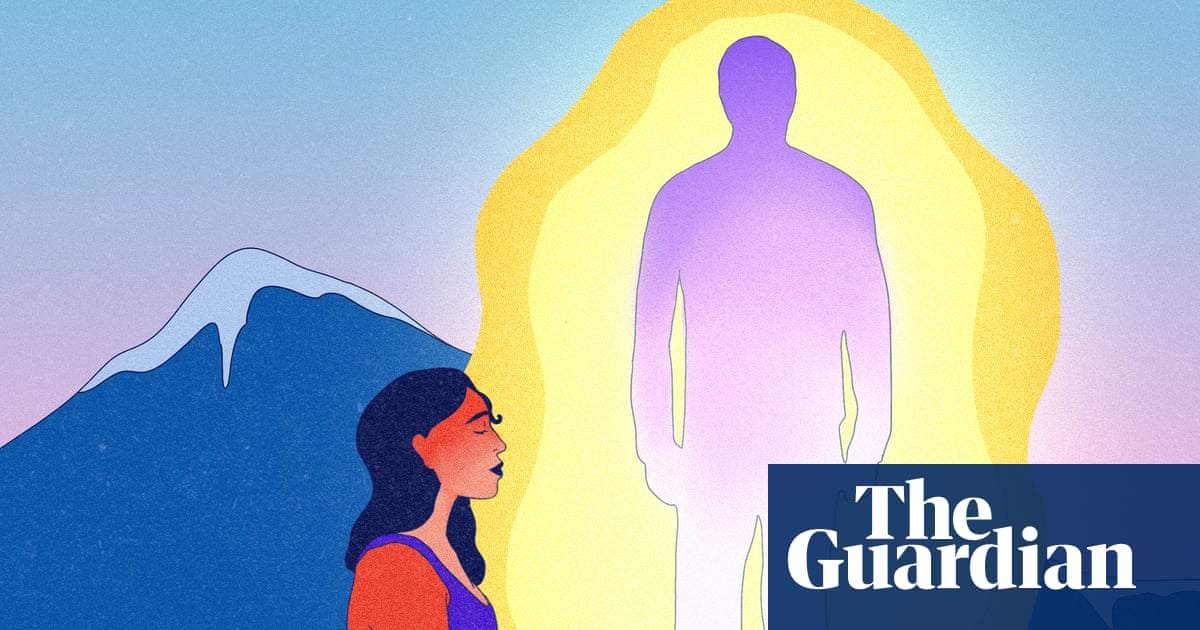
As a socially awkward girl on the margins of my peer group, the promise that “someday my prince would come” wasn’t silly or superficial — it was hope. Romance offered a future in which I would be chosen, seen and rescued from loneliness. When real life felt bleak, fantasy stepped in: love would arrive, and everything would fall into place.
That message followed me faithfully. I graduated from fairy tales to Harlequin romances as a teenager, and later to authors like Nora Roberts, whose worlds were filled with intensity, devotion and emotional inevitability. Romance didn’t just entertain me; it subtly shaped my expectations of life itself — even though, on some level, I knew better.
My first love in high school was the stereotypical bad boy. From there on, I was never without a relationship. Looking back, it’s striking how thoroughly romance organized my inner life. The best moments of my life were romantic highs. I won — the sought-after bad boy chose me! The worst moments were romantic collapses. He did his predictable bad-boy things, and I was devastated. Belonging, safety, passion, meaning — I looked for all of it there.
Now, at 60, I’m beginning to see how much of that longing was culturally programmed.