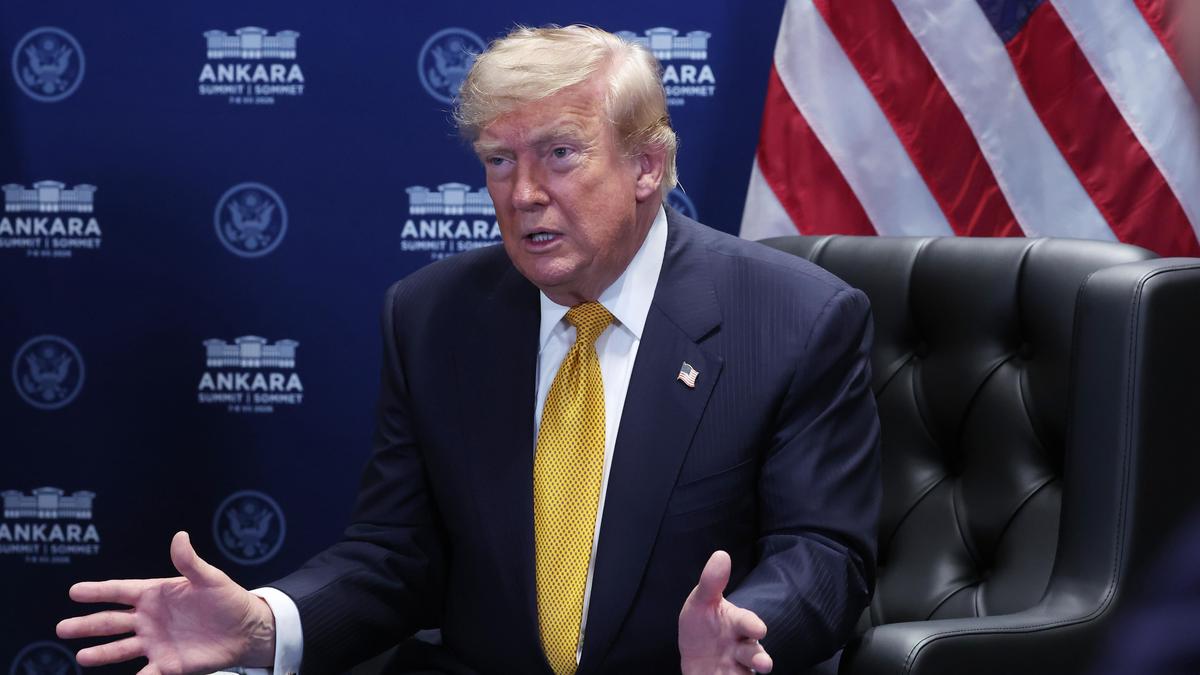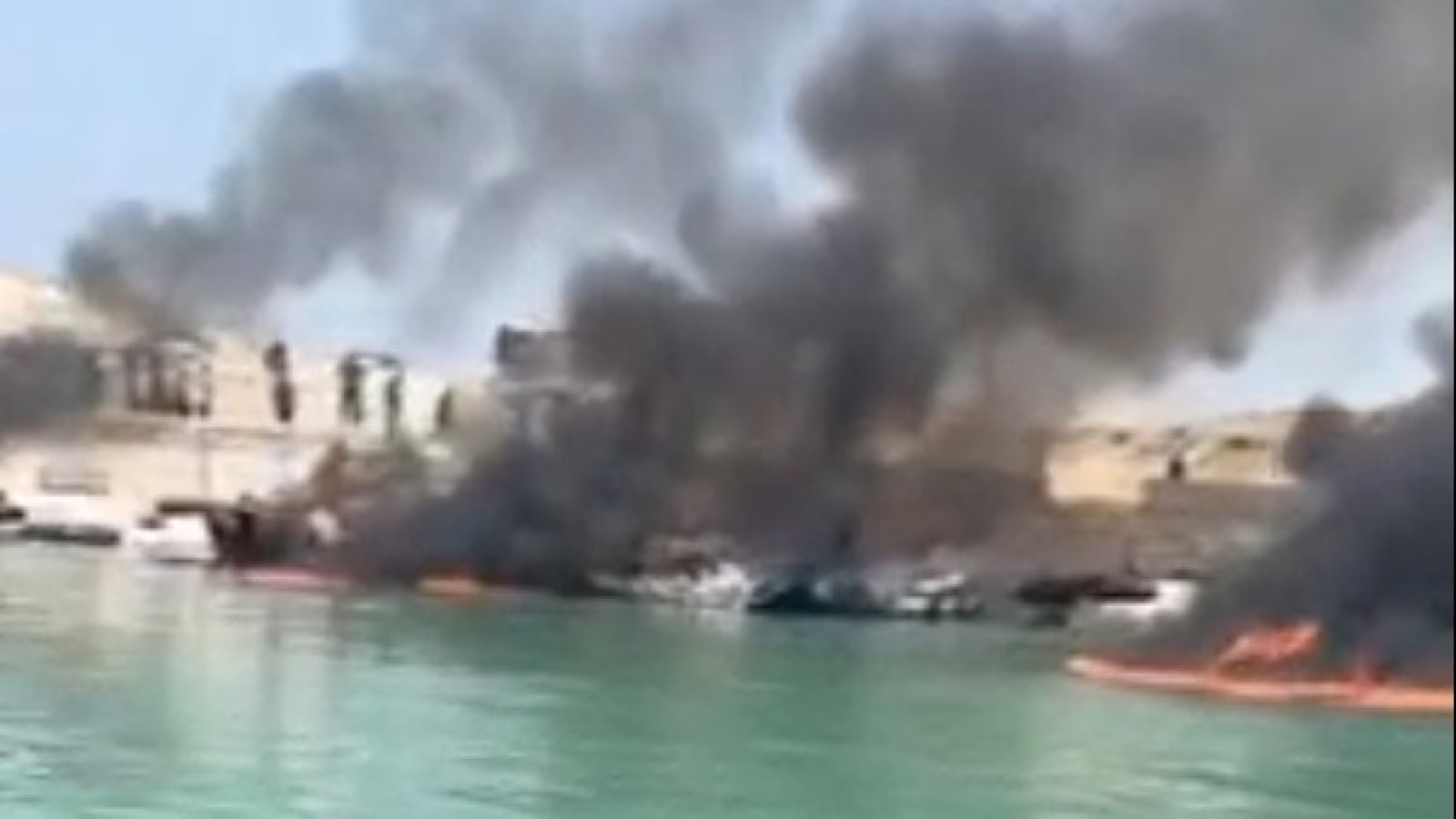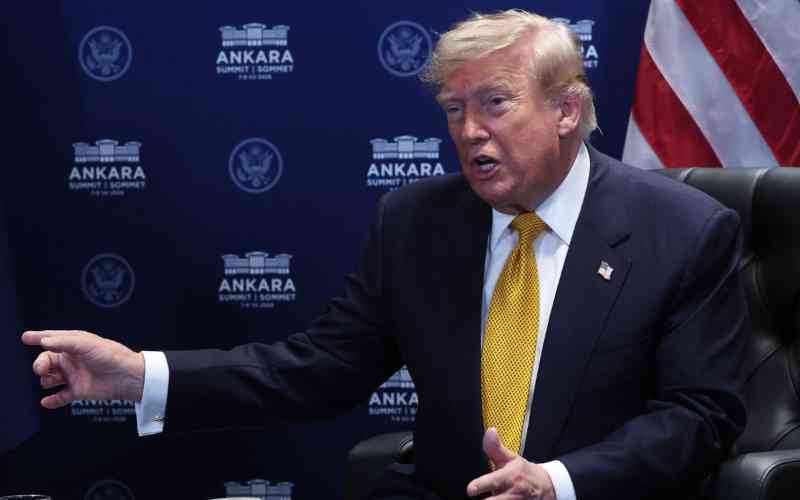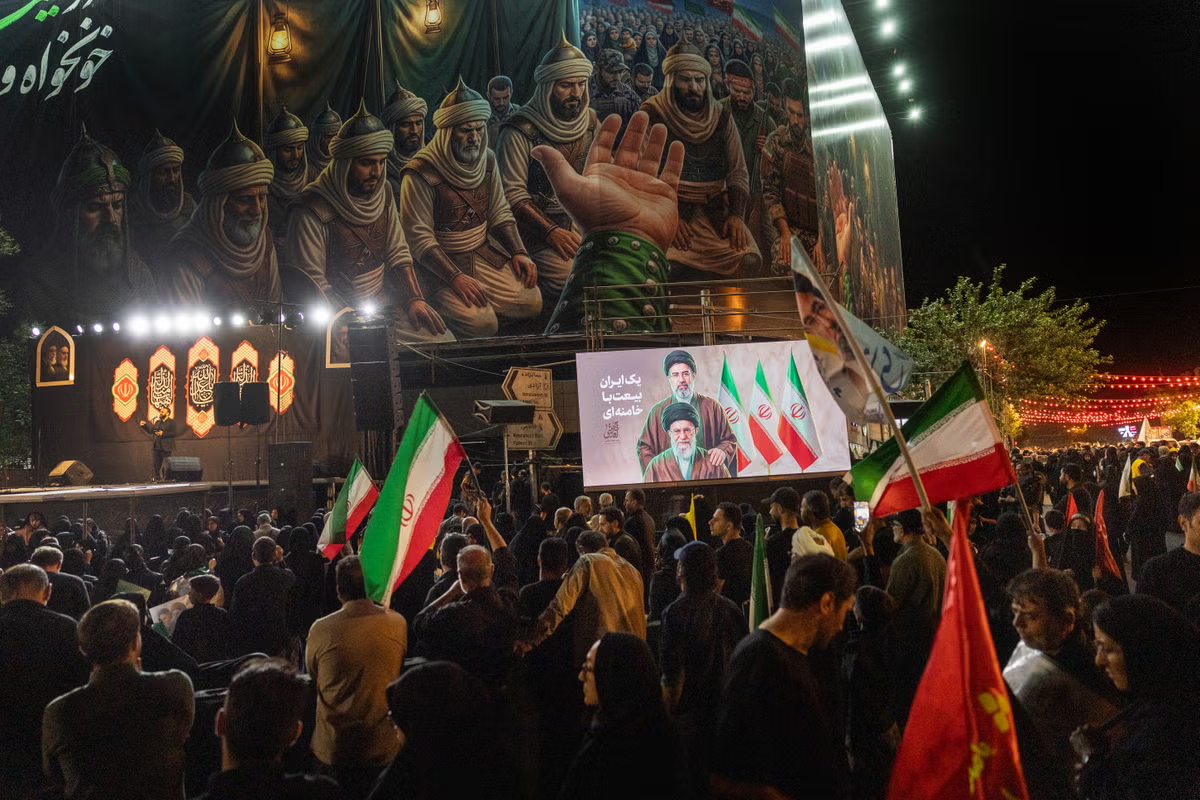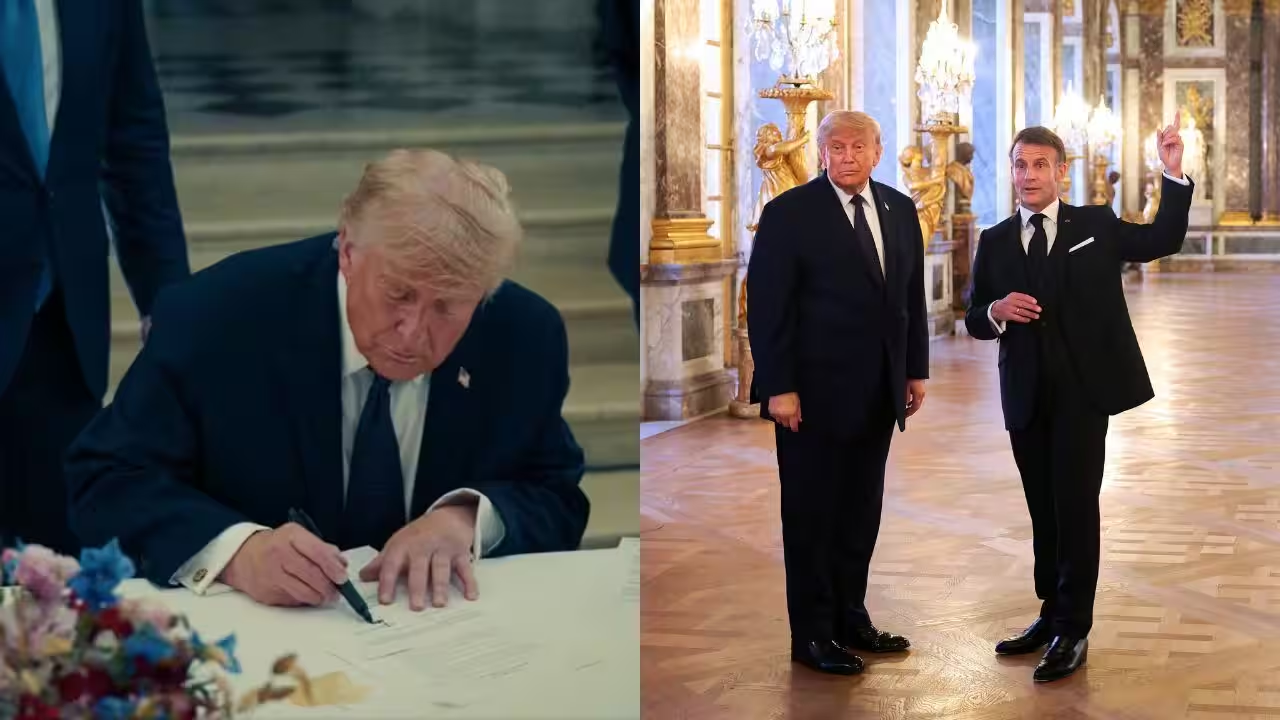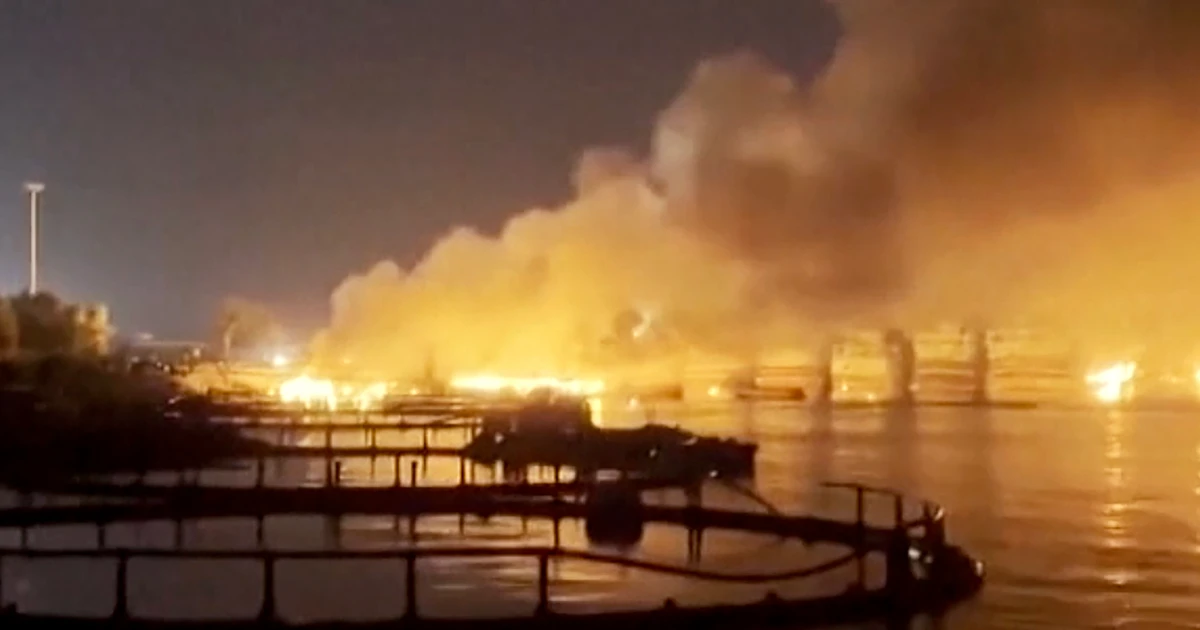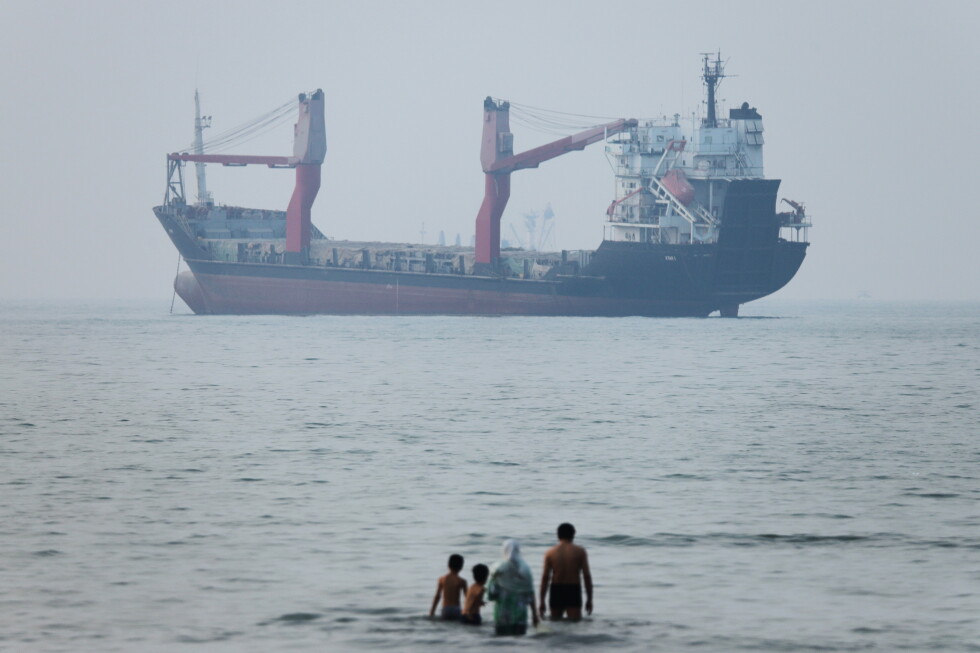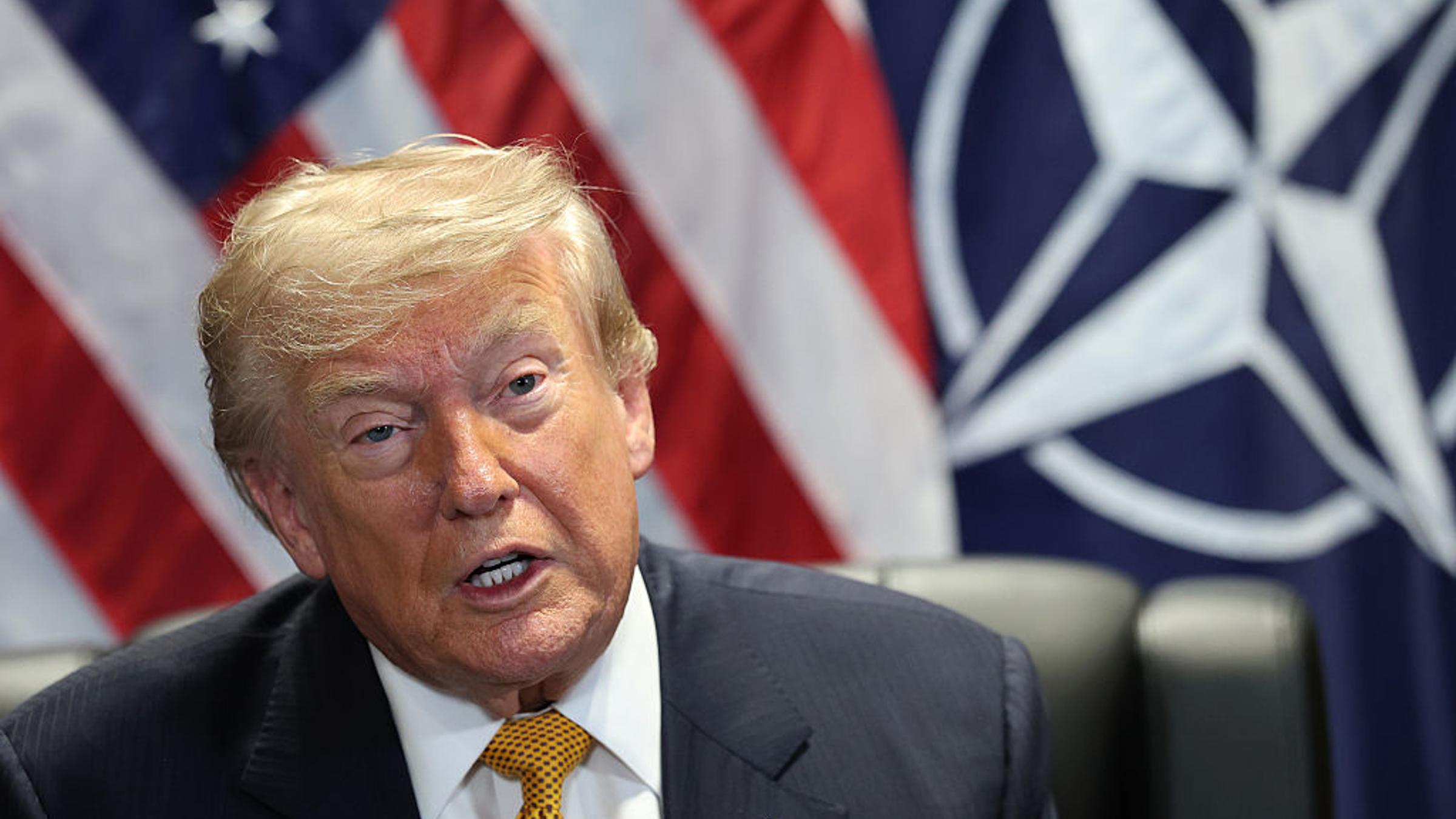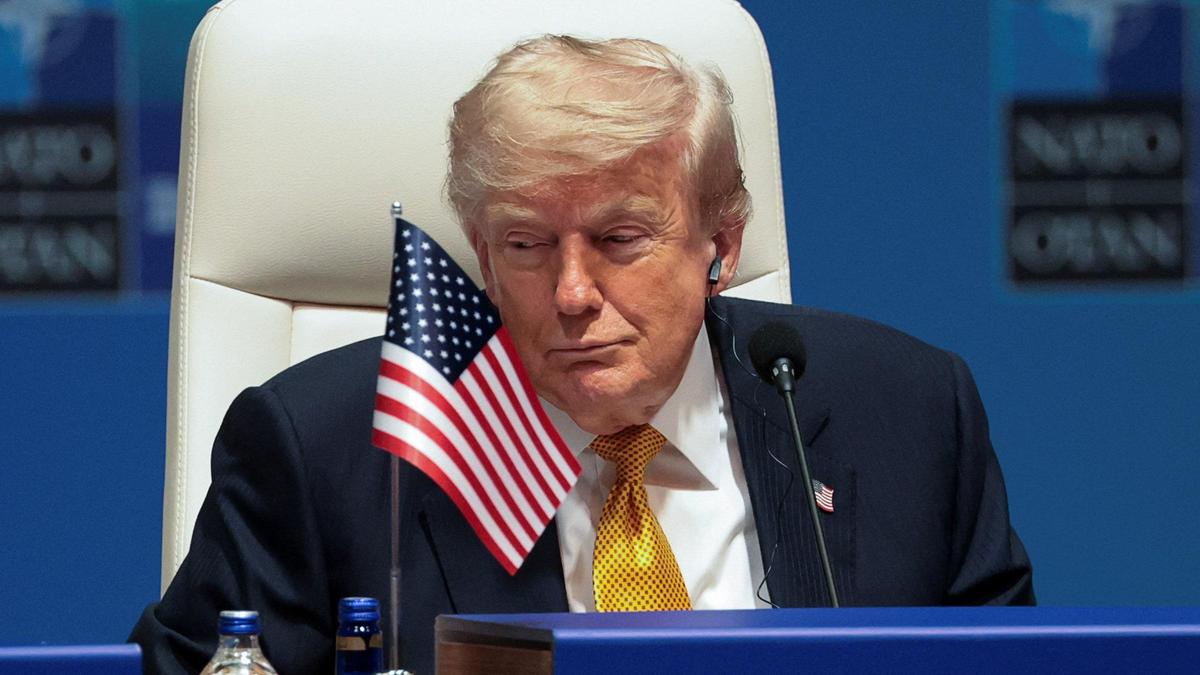
U.S. President Donald Trump, who is in Ankara to attend a NATO summit, said on Wednesday (July 8, 2026) that the ceasefire with Iran was “over”. His remarks came after tit-for-tat overnight strikes by the U.S. and Iran that threatened the already fragile ceasefire.The U.S. launched dozens of strikes on Iran in retaliation for what it said were Iranian attacks on commercial vessels in the Strait of Hormuz, and reimposed sanctions on the trade of Iranian oil. In response, Iran targeted multiple U.S. bases and military assets in Bahrain and Kuwait. It also claimed to have shot down an American MQ-9 drone.West Asia War LIVE updates - July 8, 2026Mohammad-Bagher Ghalibaf, Iran’s Parliament Speaker and top negotiator, accused the U.S. of violating the memorandum of understanding (MoU). “The era of bullying and extortion is over... we don’t fold,” he wrote in a social post.The current crisis has become the biggest stress test for the MoU, signed by the U.S. and Iran on June 17.When the MoU was reached, it was seen as a preliminary agreement that paved the way for serious negotiations between the U.S. and Iran on outstanding issues such as Iran’s nuclear programme and western sanctions on the country.In the MoU, Iran promised to allow safe passage of tankers through the Strait of Hormuz and never to make a nuclear bomb, while the U.S. agreed to lift its maritime blockade, ease sanctions and allow Iran to access some of its frozen funds. But there were two major hurdles in the implementation of the MoU from the start. One was the war in Lebanon and the other was the status of the Strait of Hormuz.The war in LebanonArticle 1 of the MoU clearly states the ceasefire covers Lebanon, where Israel has been carrying out a bombing campaign in the name of fighting Hezbollah. Israel has also carved up Lebanese territory in the south, calling it a “security zone”. The MoU also calls for respecting Lebanon’s “sovereignty and territorial integrity”— an indirect call for Israeli troops to withdraw from Lebanon. But Israel has ruled out withdrawal. Hezbollah, an Iran-affiliated Shia militia, says it would continue to fight Israeli troops as long as they stay in Lebanon. And Israel is continuing its bombing of Lebanon, despite several ceasefire announcements, citing Hezbollah attacks.From Iran’s point of view, the first clause of the MoU is being violated from the very beginning as there is no ceasefire in Lebanon. On June 26, the U.S., Israel and the Lebanese government announced a trilateral framework linking Israeli withdrawal to the disarmament of Hezbollah. Iran again saw this as a joint U.S.-Israeli attempt to undermine the MoU.Though talks between the U.S. and Iran based on the MoU framework began in Geneva, there was no breakthrough. Mr. Trump’s occasional threats against Iran further deteriorated the already tense situation.Iran’s fear was that the U.S. was using the MoU to replenish global oil markets, as Vice-President J.D. Vance once mentioned in an interview, and take away Tehran’s leverage over the Strait of Hormuz. This probably prompted Iran to take a firmer line towards the strait.Hormuz | The strait where America stalled Status of the straitUnder Article 5 of the MoU, Iran promised to “make arrangements” for the “safe passage of commercial vessels, with no charge for 60 days only from the Persian Gulf to the Sea of Oman and vice versa”. It also says that Iran will conduct talks with Oman “to define the future administration and maritime services in the Strait of Hormuz, in discussions with other Persian Gulf littoral states”.The agreement doesn’t say passage would be free of charges forever. Iran opened a new route, along its coast, for tankers to enter and exit the Persian Gulf through the Strait. Another route has been opened along Oman’s coast, a move Iran fears would take away its leverage over the waterway.While Iran insists that tankers take its designated route out of the strait, the U.S. and some Gulf countries encourage them to take the Oman route.Over the weekend, three ships passing through the Omani route were attacked. Iran, which is currently holding funeral ceremonies for Ayatollah Ali Khamenei, the Supreme Leader who was assassinated by the U.S. and Israel on February 28, did not officially claim responsibility. But the U.S. blamed Iran and launched strikes on the country.When Iran attacked tankers taking the Omani route last month, the U.S. had carried out a similar strike and Iran had retaliated. But after two rounds of tit-for-tat strikes, Mr. Trump halted further attacks and announced that talks would continue. But Iran has not held direct talks with the U.S. ever since.This time, the U.S. took another step to punish Iran by revoking the sanctions waiver it announced after the MoU was signed.New normalAt this point, Iran seems determined not to give up its control of the Strait of Hormuz, no matter how much military and economic pressure the U.S. applies. By striking U.S. military assets across two Gulf countries, Iran sent a clear message to the U.S.: it is ready for escalation.This leaves Mr. Trump in a difficult position. Controlled military pressure is failing to persuade Iran to restore the status quo ante in the Strait of Hormuz. If he returns to full-scale war, the diplomatic process would be undermined. If the diplomatic process is undermined, Iran’s nuclear programme would remain unresolved. And there is no guarantee that another full-scale air campaign would resolve the nuclear programme.The second option he has is to stay engaged in indirect talks, not letting the current skirmishes undermine the MoU. But then, Mr. Trump will have to accept the new status quo in the Strait of Hormuz.
Is the U.S.-Iran agreement falling apart?
Tensions rise as the U.S.-Iran agreement faces challenges amid military strikes and geopolitical conflicts in the region.
942 words~4 min read