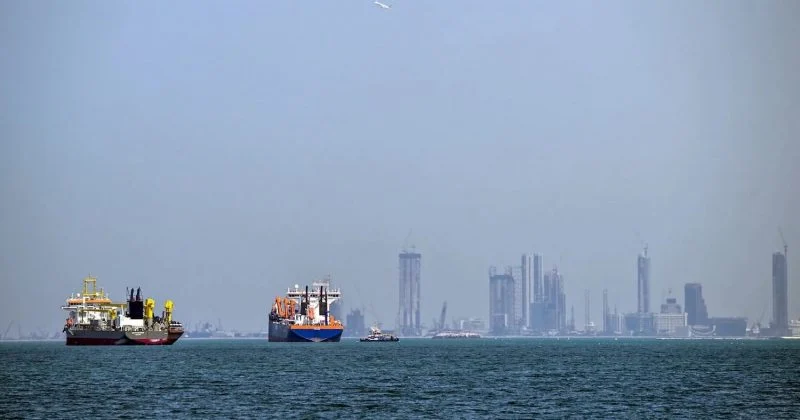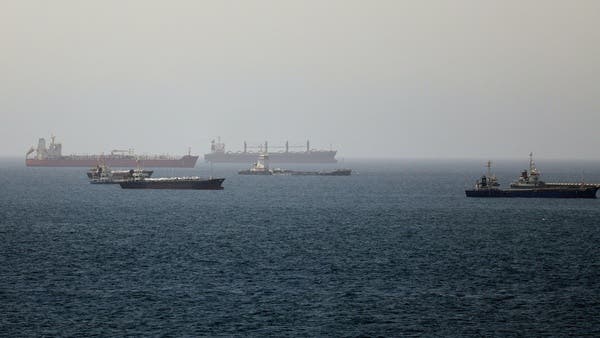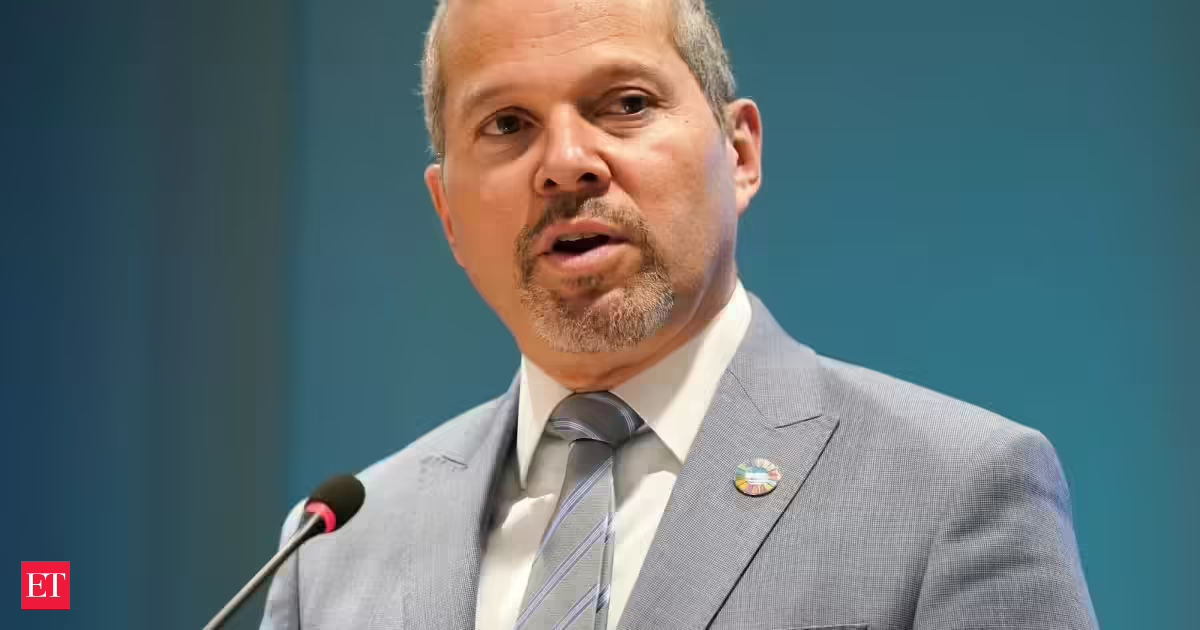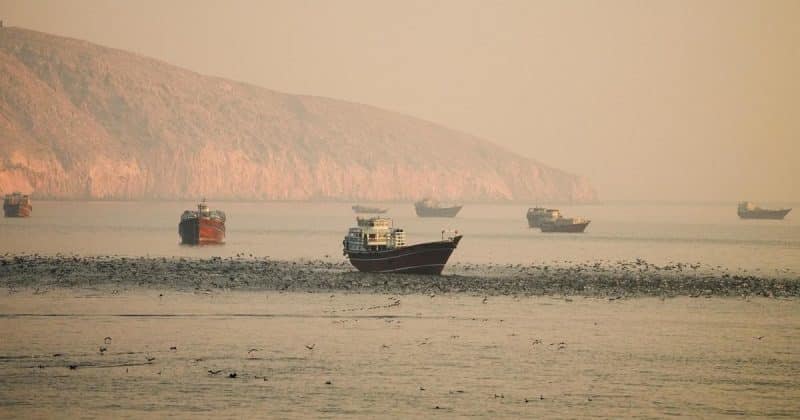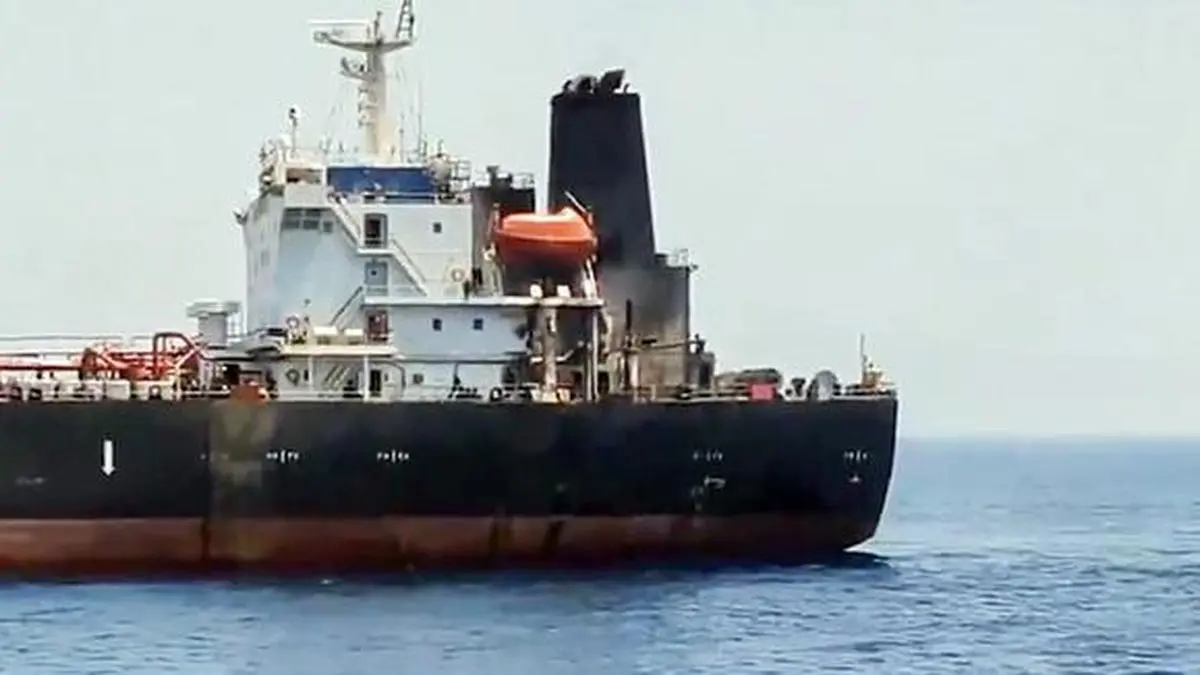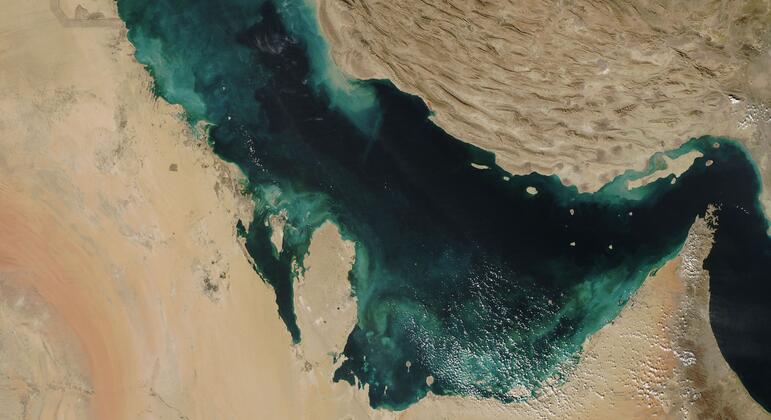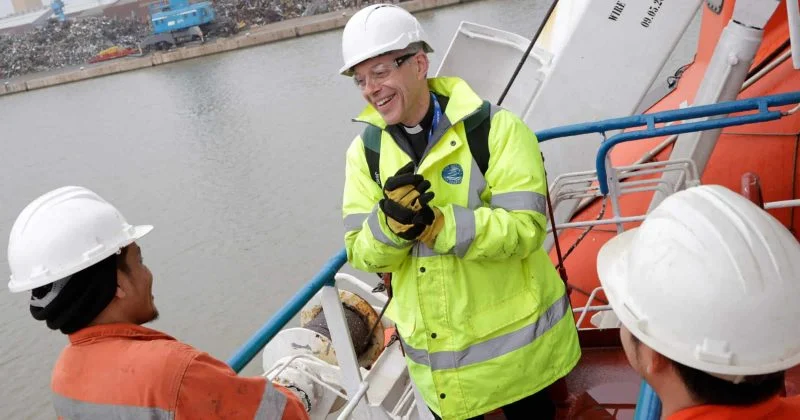
The International Maritime Organization (IMO) has reported that approximately 6,000 seafarers are currently stranded on ships in the Gulf, amidst escalating tensions in the region. This situation has prompted the IMO to urge all parties involved to exercise restraint and work towards de-escalation. The ongoing Middle Eastern conflict, particularly involving Iran, Israel, and allied proxy groups, has significantly impacted maritime activities, leading to blockades and attacks on commercial vessels in strategic waterways such as the Strait of Hormuz. The humanitarian crisis is exacerbated by unpaid wages and dwindling supplies for the stranded crew members.
The market for the Bab el-Mandeb Strait closure by September 30 has seen an uptick, with current pricing suggesting a 12.5% likelihood of a closure, up from 8% a day earlier. This shift appears to reflect heightened concerns over regional instability, which could potentially disrupt maritime operations further. Meanwhile, the probability of traffic normalization in the Strait of Hormuz by July 15 remains low at 0.9%, down from 14% a week ago, indicating persistent uncertainty about the restoration of normal shipping conditions.
The geopolitical tensions and humanitarian concerns in the Gulf are influencing market participants’ perceptions of potential disruptions in key maritime routes. The IMO’s call for restraint may not immediately alleviate these concerns, as evidenced by the recent movements in prediction markets.