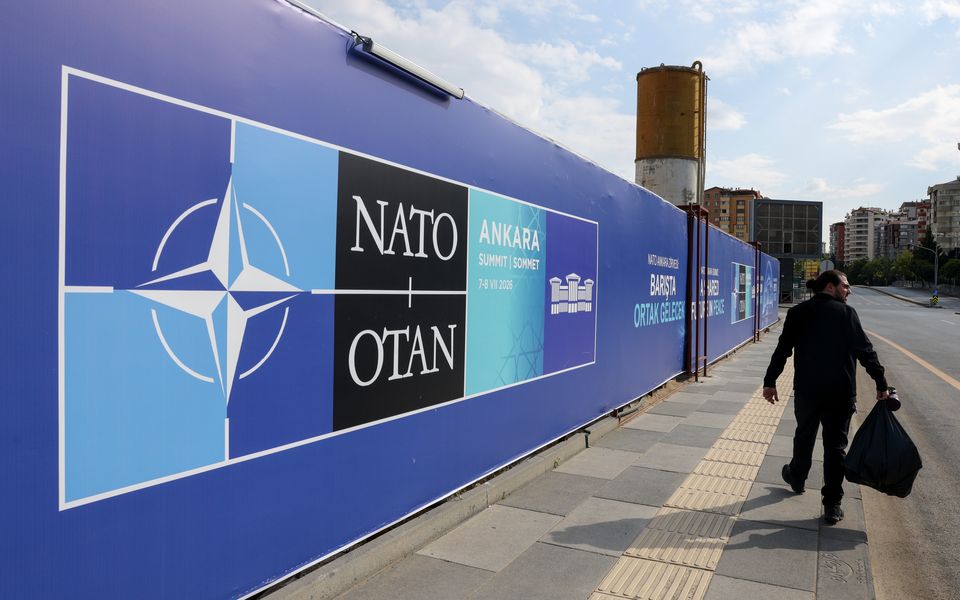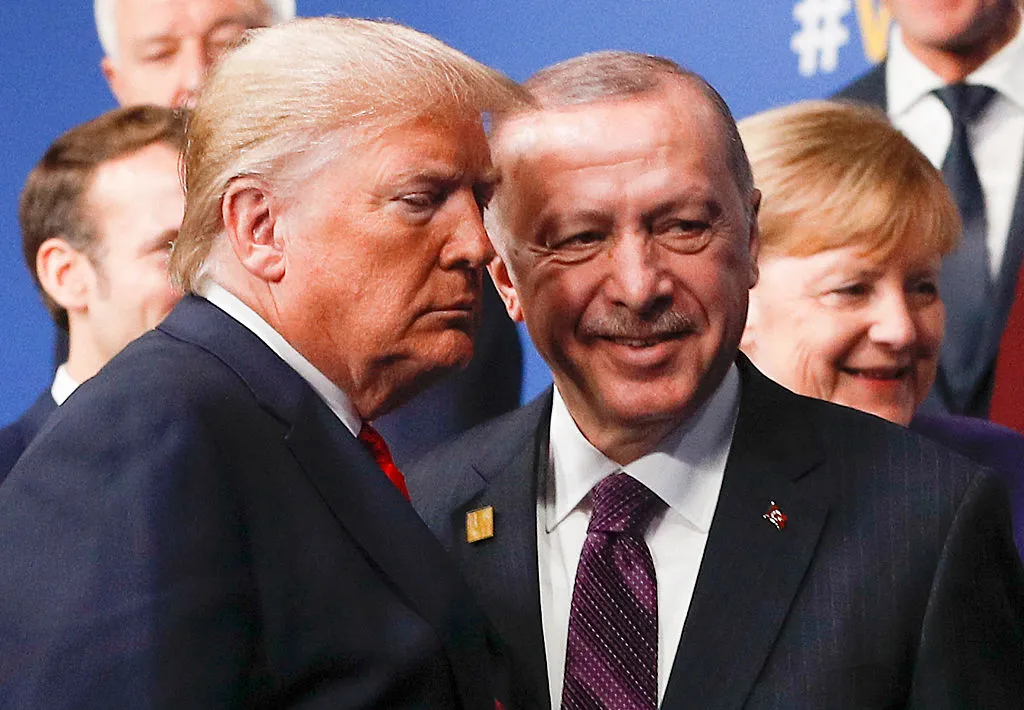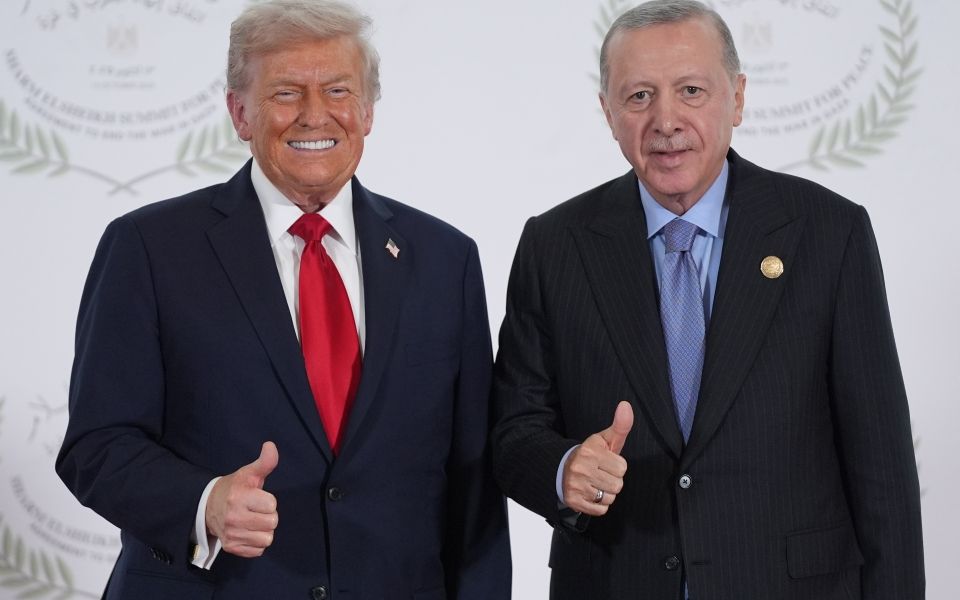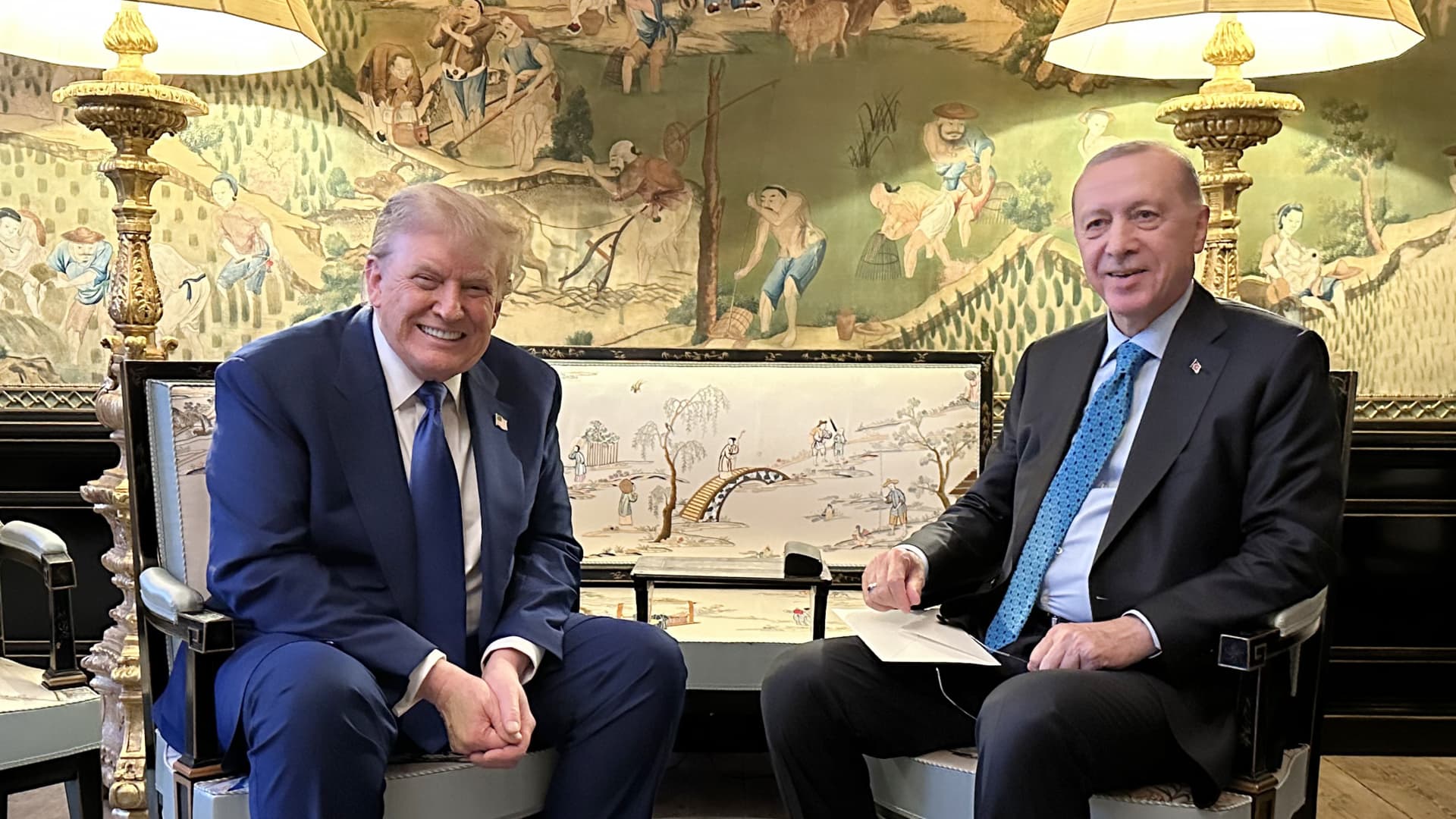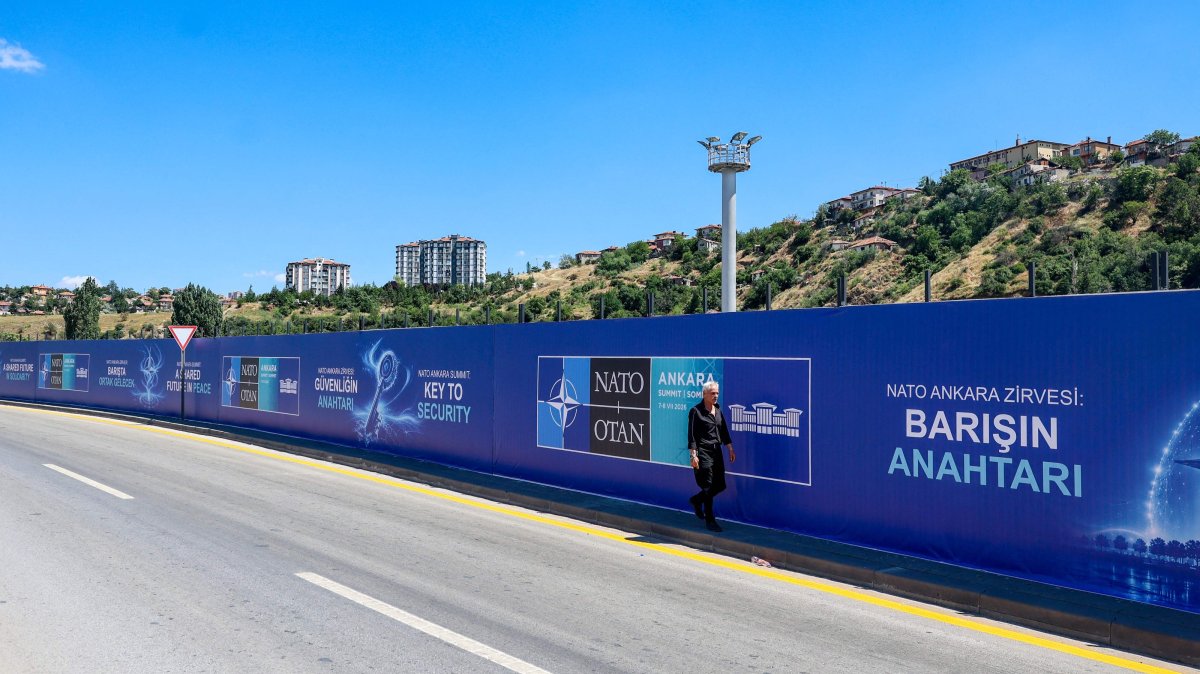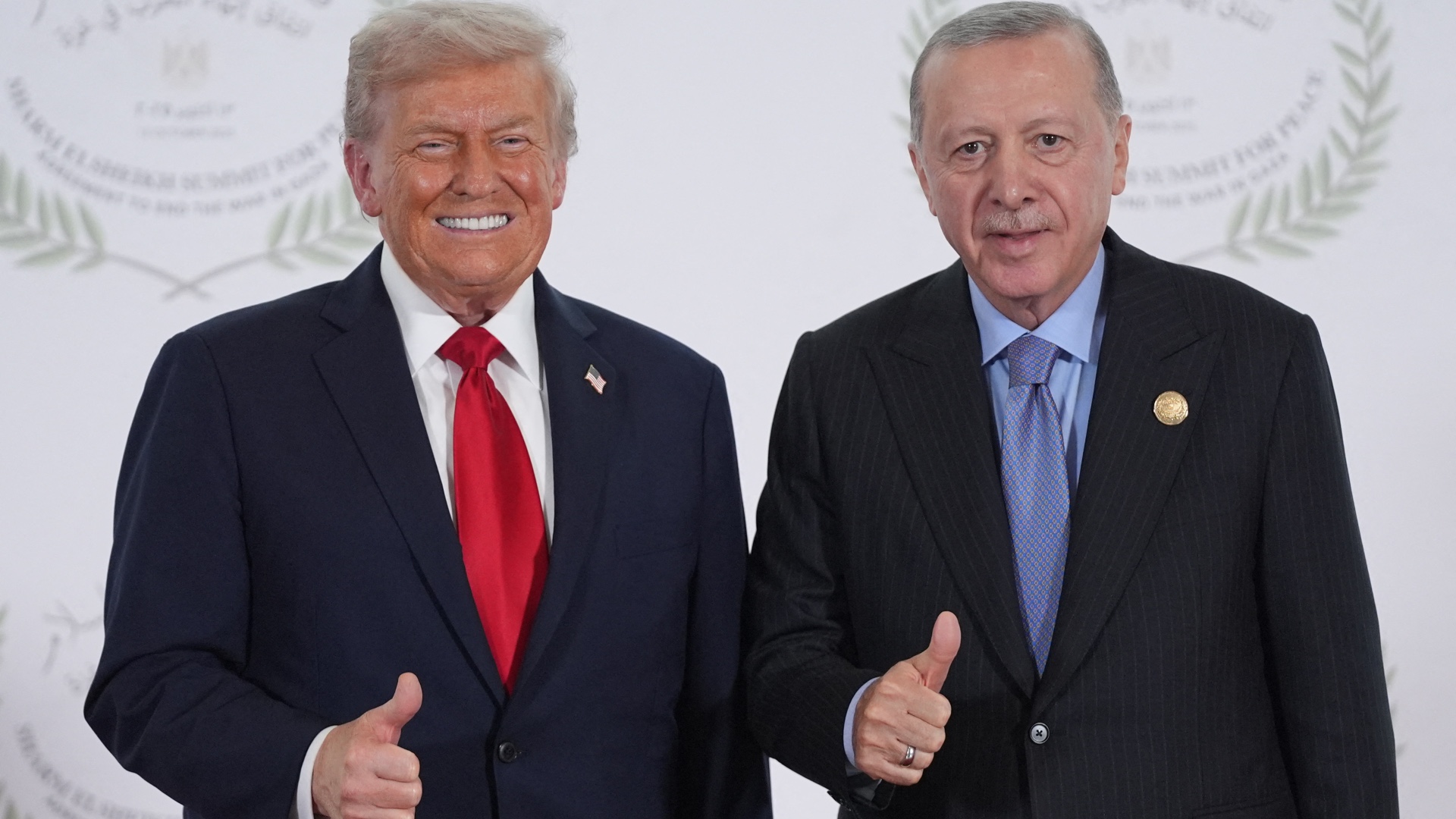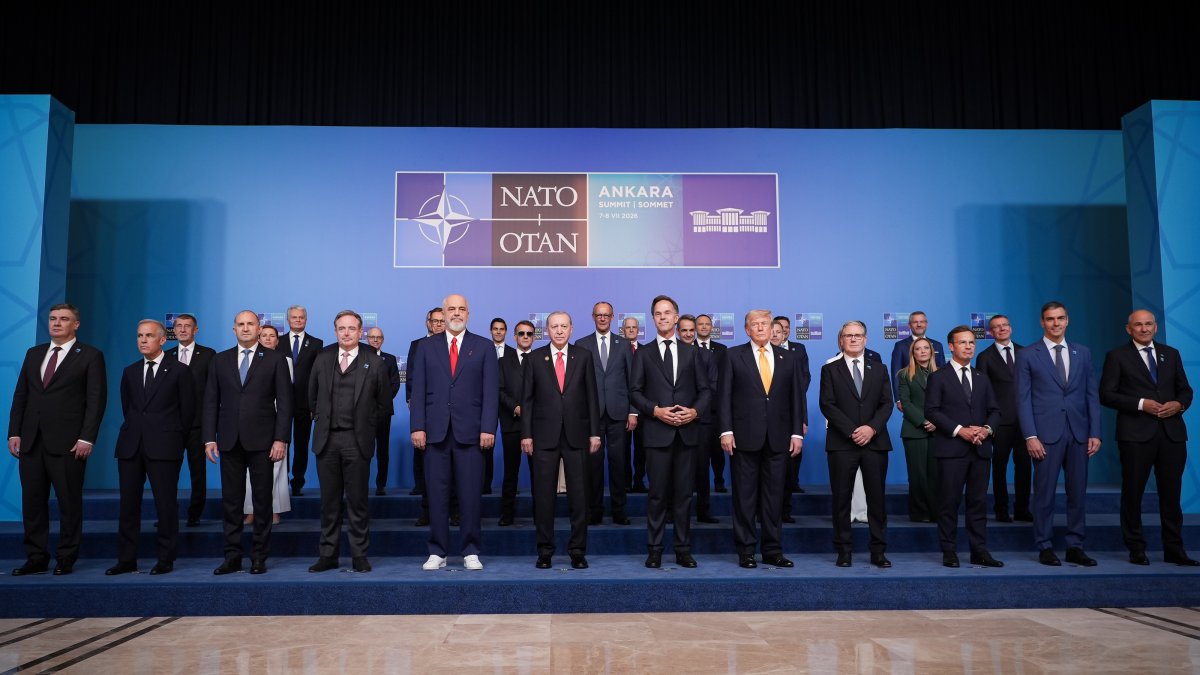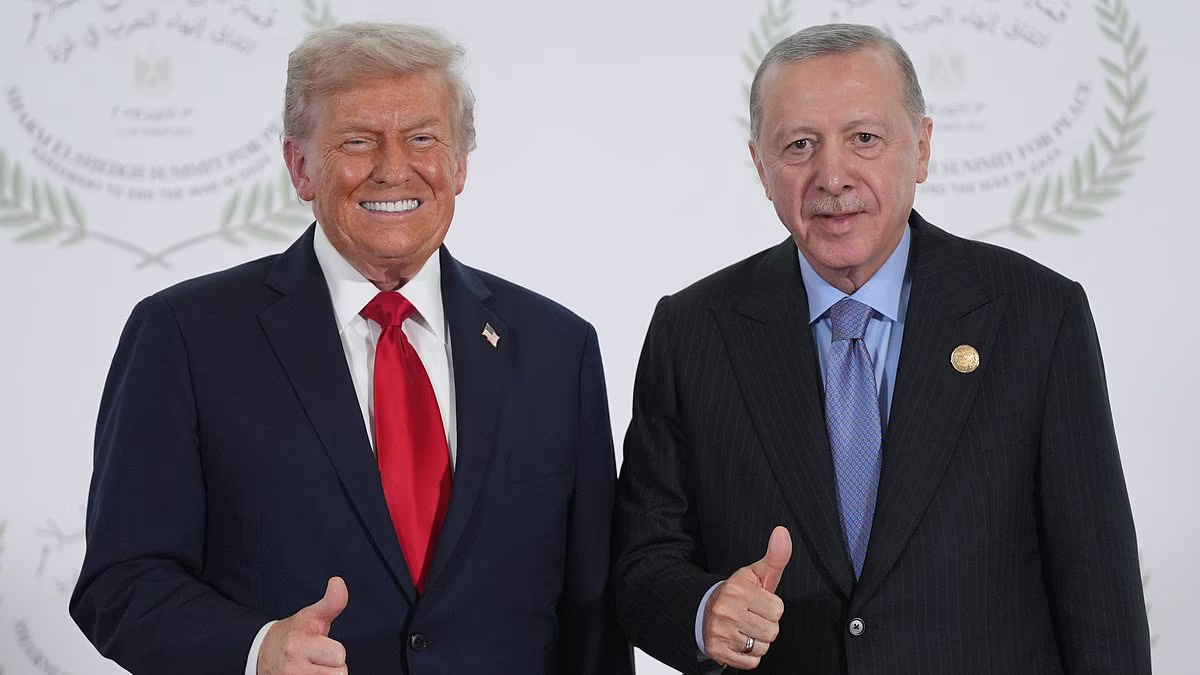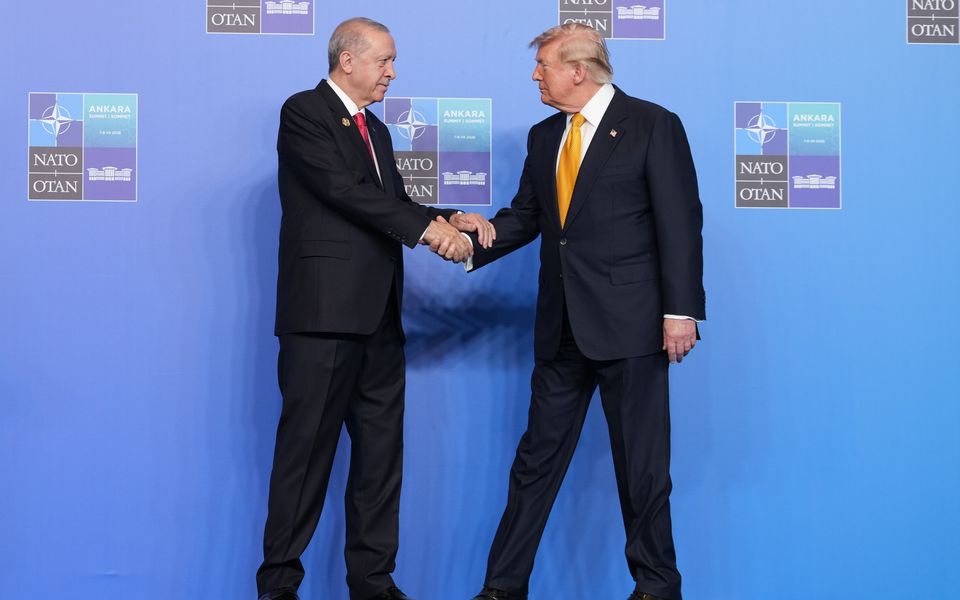
The NATO summit in Ankara is shaping up to be a two-man show – if it is not completely overshadowed by its two dominant figures: host President Recep Tayyip Erdogan and his US counterpart, Donald Trump. From the outset, both leaders have made clear that they are looking for ways to revive US-Turkish relations.
Through sustained engagement with Trump, Erdogan appears to have convinced the US president that Turkey is not only a valuable partner, capable of offering its services – if not solutions – on multiple fronts, but also a sufficiently reliable ally whose commitment to US priorities, if not necessarily NATO’s, is no longer in doubt. It has also become evident that Turkey is willing to accommodate Washington’s needs, provided such cooperation remains out of the public eye.
That has fostered a relationship of trust between the two presidents, one that inevitably shapes the thinking of other centers of power in Washington. Secretary of State Marco Rubio has little incentive to challenge Trump as he positions himself for a possible Republican presidential nomination in 2028. Defense Secretary Pete Hegseth, meanwhile, lacks the political weight to oppose the president.
More broadly, both the State Department and the Pentagon are operating below full institutional capacity, while Trump’s dominance of the Republican Party has left few members of Congress willing to confront him. Even so, overcoming broader political resistance would still require Trump to provide assurances and guarantees.