*Seshni Moodley is an admitted attorney, director of Seshni Moodley attorneys incorporated , with expertise in digital, civil and criminal law. She holds a masters in human rights law and is currently pursuing her PhD in human rights law.
In South African law, children have strong rights on paper, but those rights only protect them when they are heard, supported and backed by enforceable systems, especially in mediation, maintenance and surrogacy cases.
South African law prioritises the child’s best interests. The Children’s Act sets out clear factors that courts must consider when deciding what is best for a child. In practice, however, three fault lines keep many children from enjoying those protections.
These are how their voices are included in family disputes, how reliably maintenance is enforced, and how modern family forms such as surrogacy and same-sex parenting are recognised.
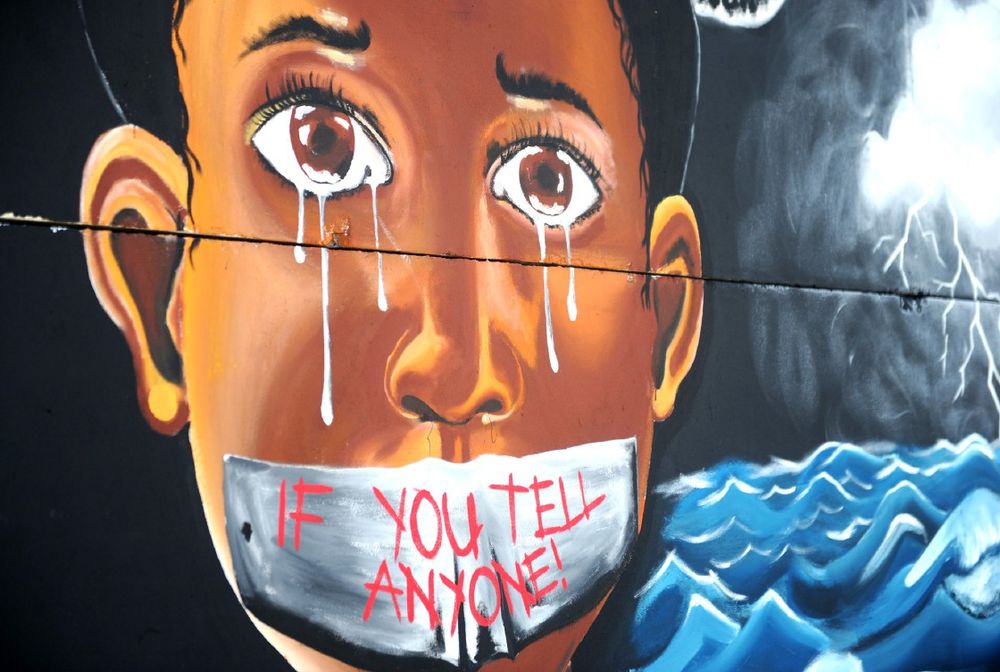
Child-inclusive mediation means professionals listen to a child’s views and use that information to shape agreements between adults. This is not about asking children to decide. It is about making sure decisions reflect their needs and feelings, especially in high-conflict separations.