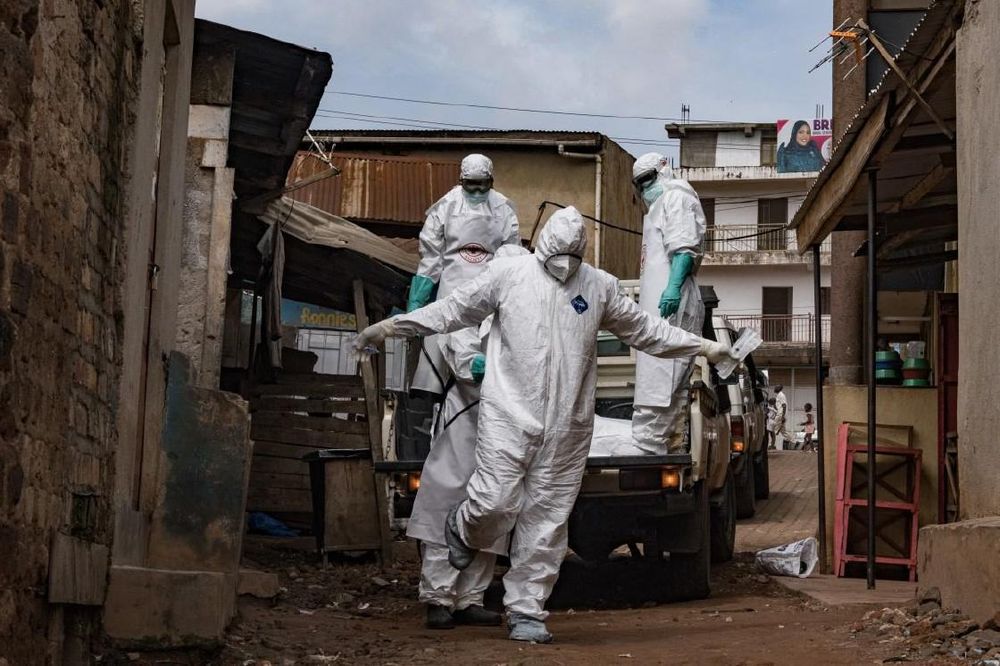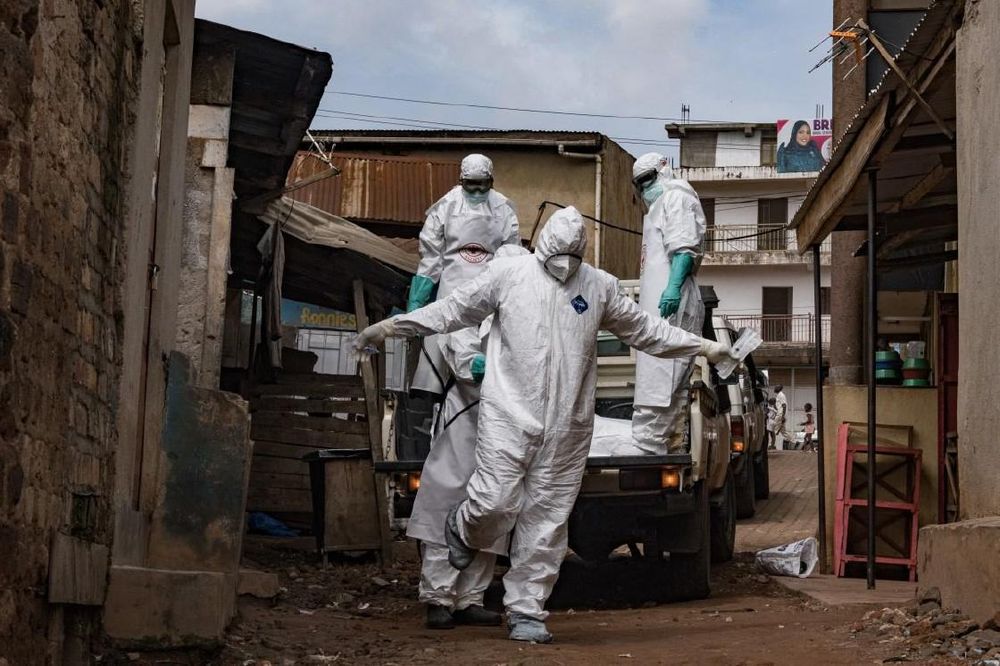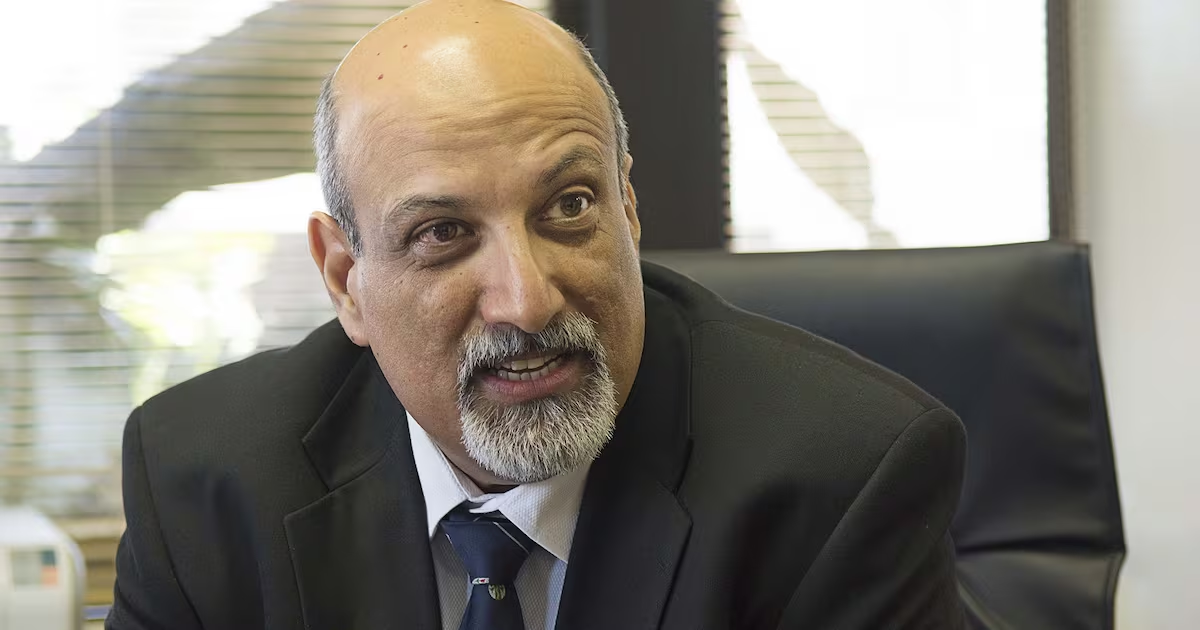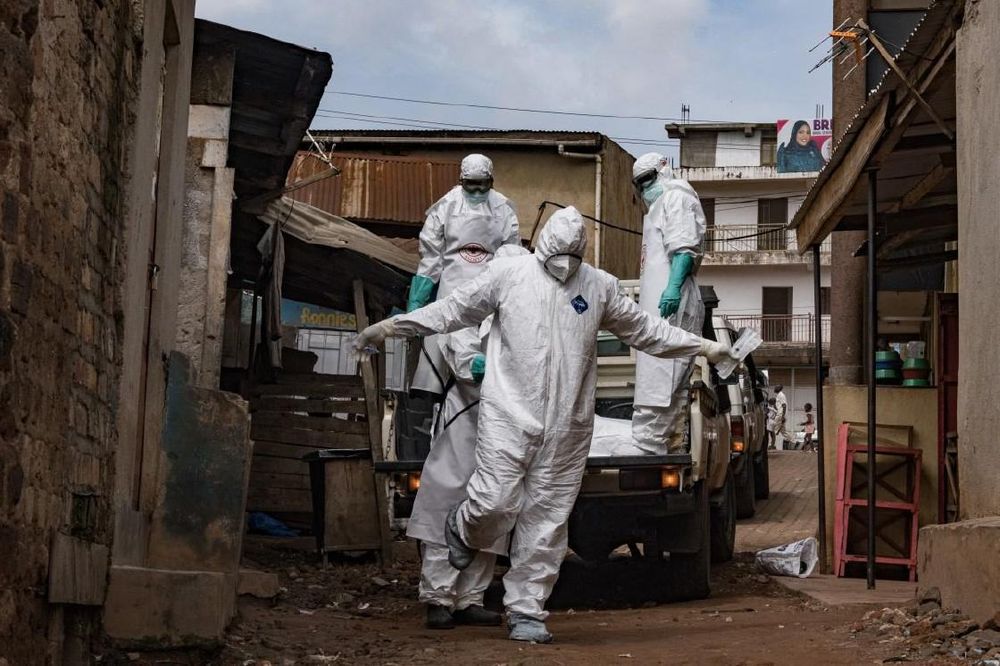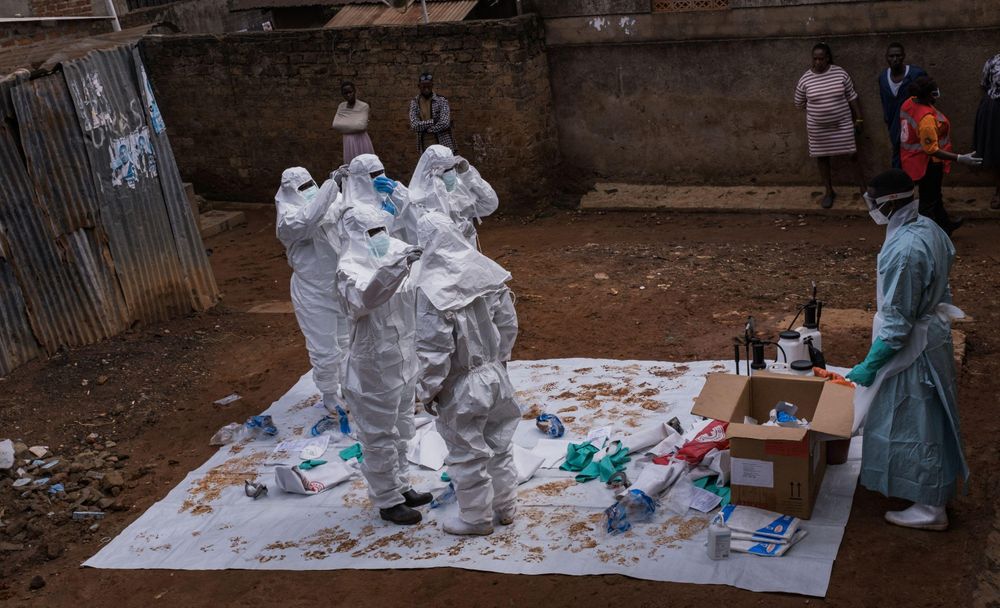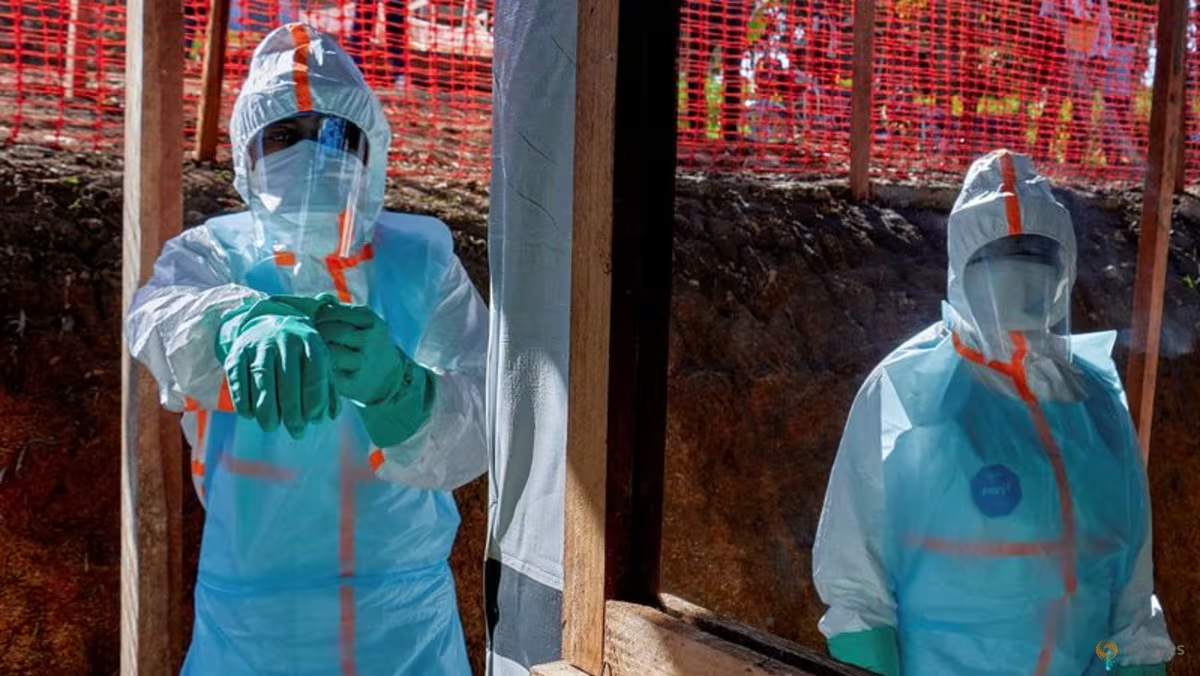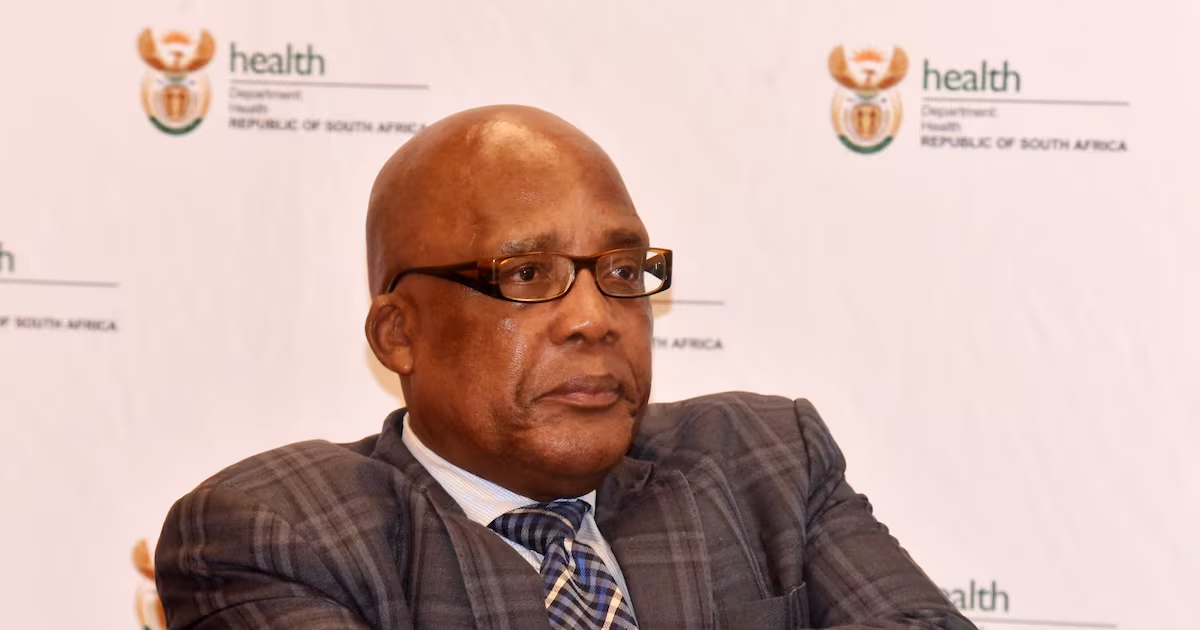
The health department is actively preparing for Ebola cases to present in South Africa, which top infectious disease expert Prof Salim Abdool Karim says is “only a matter of time” if the disease is not contained. The outbreak of Ebola disease caused by the Bundibugyo virus in Democratic Republic of Congo (DRC) and less so in Uganda, has infected about 1,600 people so far and has claimed more than 500 lives. The health department is concerned about the implications of the disease for South African citizens who may be working, studying, living in, or returning from, affected areas. The outbreak is one of the biggest recorded to date. Health minister Aaron Motsoaledi gave details about the steps taken to prepare for cases, in a recent television interview.Dedicated hospitals to receive Ebola patients in South Africa have been earmarked, three specialised committees have been established and the Border Management Authority (BMA), which is on high alert, has been equipped with personal protective equipment (PPE) to deal with arrivals from affected areas. “Fifteen public sector and 12 private sector hospitals have been identified to receive patients suspected or confirmed to have contracted Ebola, and all identified public hospitals are now ready to receive patients. Our points of entry are on alert to screen persons entering the country from affected areas by land, air and sea,” health department spokesperson Foster Mohale told Business Day. No routine quarantine planned“South Africa’s preparedness measures are focused on early detection, risk assessment, safe referral, laboratory confirmation, contact tracing and rapid response, rather than routine quarantine of all returnees. “Priority points of entry such as OR Tambo International Airport remain central to this approach, with port health, the BMA, the national department of health, the National Institute for Communicable Diseases (NICD), the National Health Laboratory Services, emergency medical services and airport stakeholders applying a co-ordinated risk-based approach to identify and safely manage any suspected imported case.” Mohale said the health department had established three pandemic preparedness committees, including a hospital readiness committee, an incident management team to handle actual cases and a public health emergency preparedness committee. The hospital readiness committee is looking at hospitals in both the public and private sectors and is meeting weekly to follow up formally on conditions in specific hospitals. The chair and her staff communicate with, and support, hospitals on daily. The public health emergency preparedness committee, in the absence of an actual outbreak, is guiding and co-ordinating training and simulation exercises. “The department, working together with the BMA, has enhanced readiness by ensuring adequate supplies of PPE and ensuring strict adherence to infection prevention and control measures. We are also continuously monitoring situational updates and developments from the World Health Organisation (WHO) and national health authorities,” Mohale said. Abdool Karim, who chairs an advisory panel for the Africa Centres for Disease Control and Prevention recently told Business Day the fact there had not yet been Ebola cases in South Africa — especially given the fact that there were daily flights from DRC — was a reflection of the work being done to keep it contained. Karrim said on Wednesday that from what he had gleaned from the minister’s television comments, the department of health’s preparations had the key necessary elements, including the screening of travellers on flights from DRC. The department already had procedures for contact tracing of fellow travellers in the event of a person being identified with Ebola. This was undertaken, for example, with the recent hantavirus.What was needed with Ebola cases, he added, was much more stringent isolation and PPE requirements.The NICD has called on healthcare workers to remain vigilant and “maintain a high index of suspicion for individuals presenting with febrile illness and a recent travel history to affected areas in DRC and Uganda”.A French doctor who recently returned to France from a humanitarian mission in DRC tested positive for Ebola and was placed in isolation with health authorities tracing contacts. Business Day
‘A matter of time’: SA’s hospitals are ready for Ebola cases if they arrive
The national department of health has implemented readiness plans for hospitals and the Border Management Authority in the event that people infected by the Ebola virus arrive in South Africa
656 words~3 min read