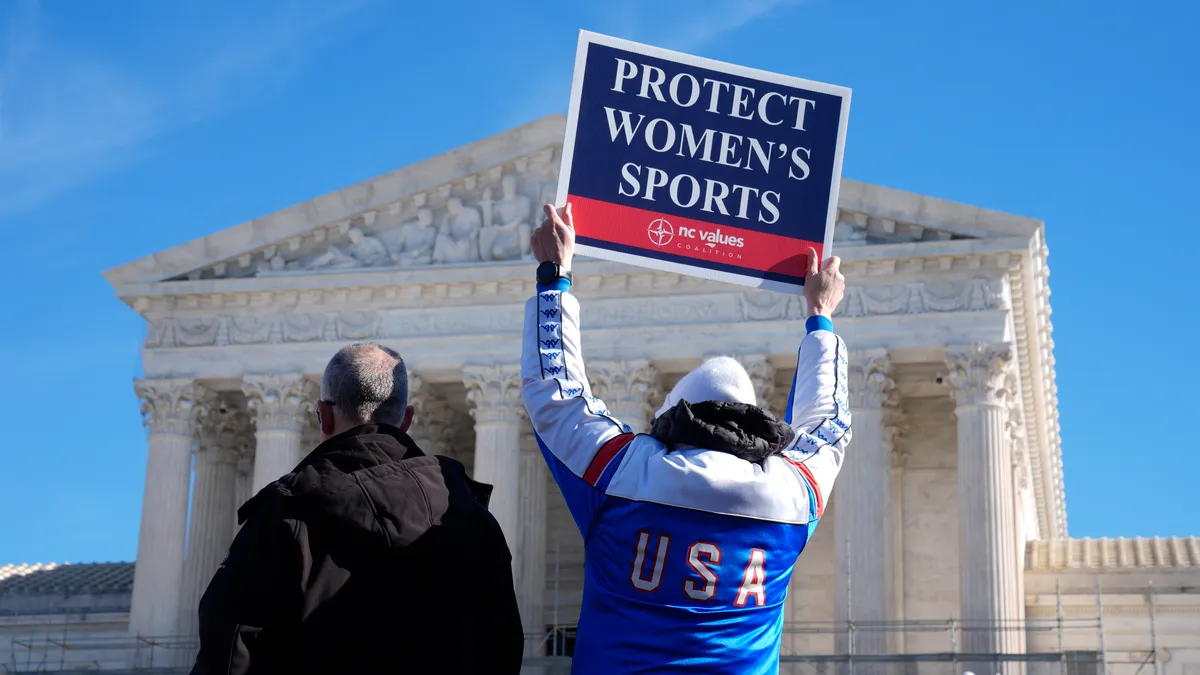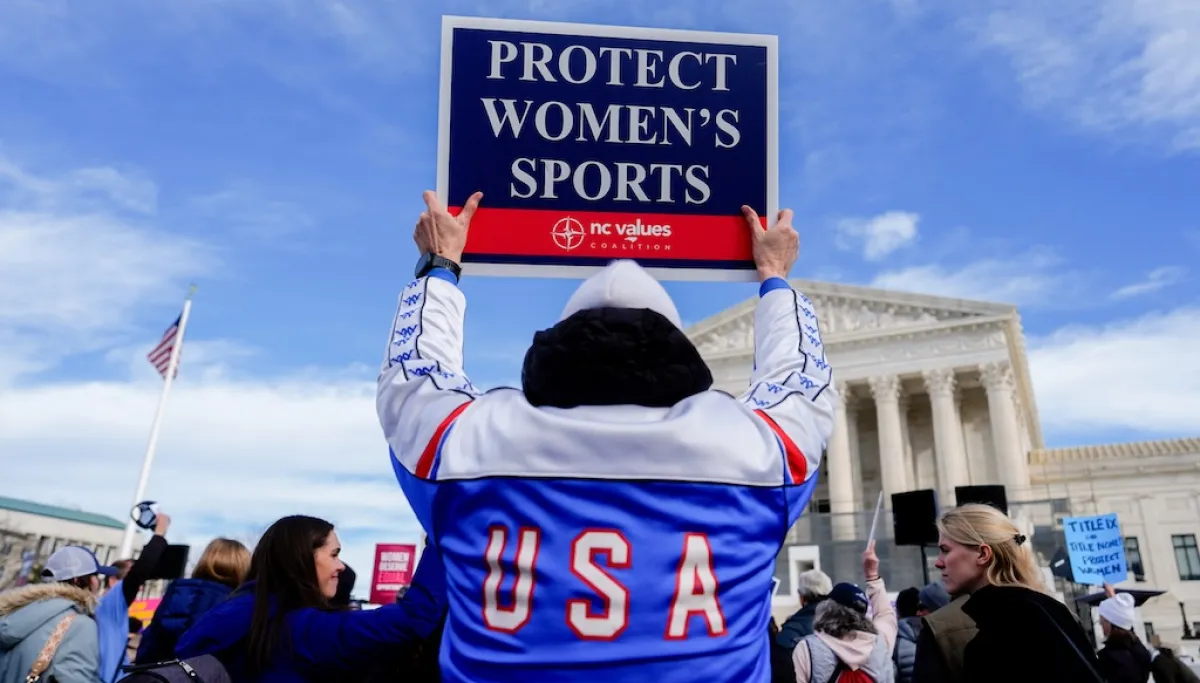
On the final day of its term, the Supreme Court issued the expected landmark ruling in West Virginia v. B.P.J. By holding that states that maintain separate sports programs on the basis of biological sex are not in violation of Title IX or the equal protection clause, the court has done more than vindicate the integrity of women’s sports. It has strengthened the legal deference to biology.Affirming the basis of biology, both male and female, is not a novelty from the court. In United States v. Skrmetti, the court similarly held that states could prohibit medical treatments for transgender minors, since these laws distinguished between the indicated use of the drugs and were not based on a sex-based classification. In doing so, the court noted “the weight of fierce scientific and policy debates,” suggesting biological-based harms. For the first time in West Virginia v. B.P.J., the court directly addressed sex-based classification on the grounds of “equal athletic opportunity” and sports safety.
This classification is not, however, limitless. As the court notes in the majority opinion, equal protection precedent requires sex-based classifications to pass “intermediate scrutiny,” under which the classification must serve “important governmental objectives” that are “substantially related” to the government interest.The court’s reasoning holds positive implications for the role of biology within abortion jurisprudence.Abortion is uniquely a question of female biology and medical intent. As Justice Thomas states in his concurring opinion, “Sex is an immutable ‘biological’ characteristic.” Biological men cannot become pregnant; this causes both legal and public debates regarding abortion to be framed within the umbrella of women’s rights, where abortion is necessary to the equal protection of women. The court has not once ruled that it is.The Supreme Court is seen in Washington, Monday, May 18, 2026. (AP Photo/J. Scott Applewhite)