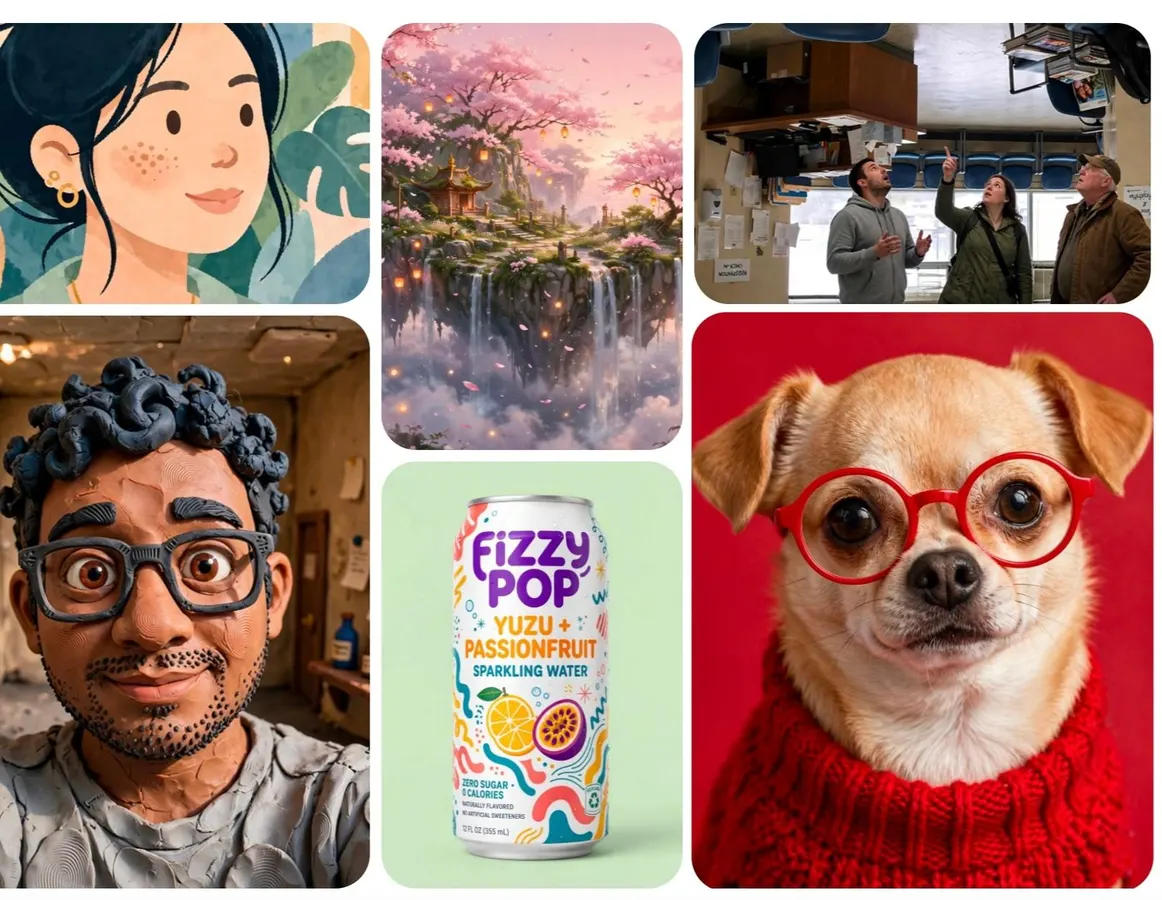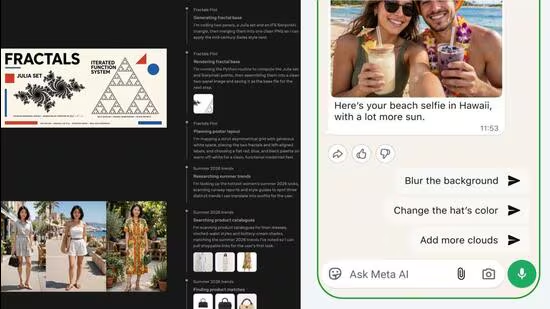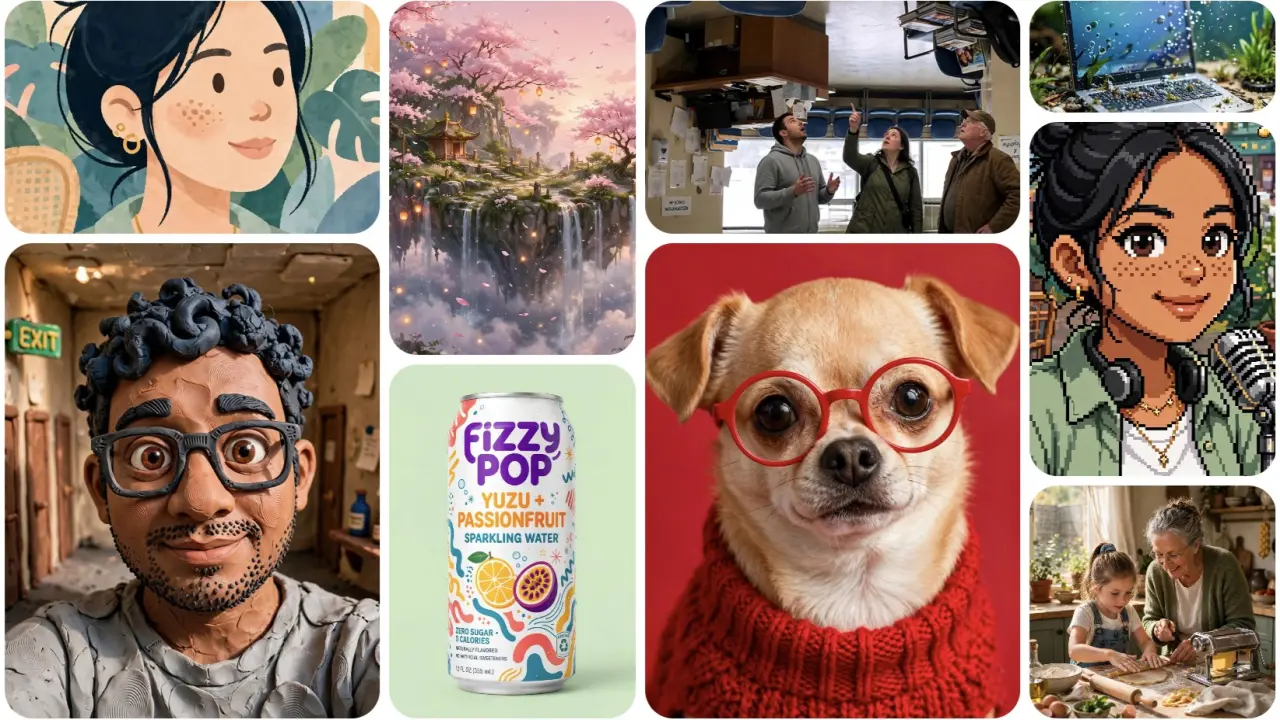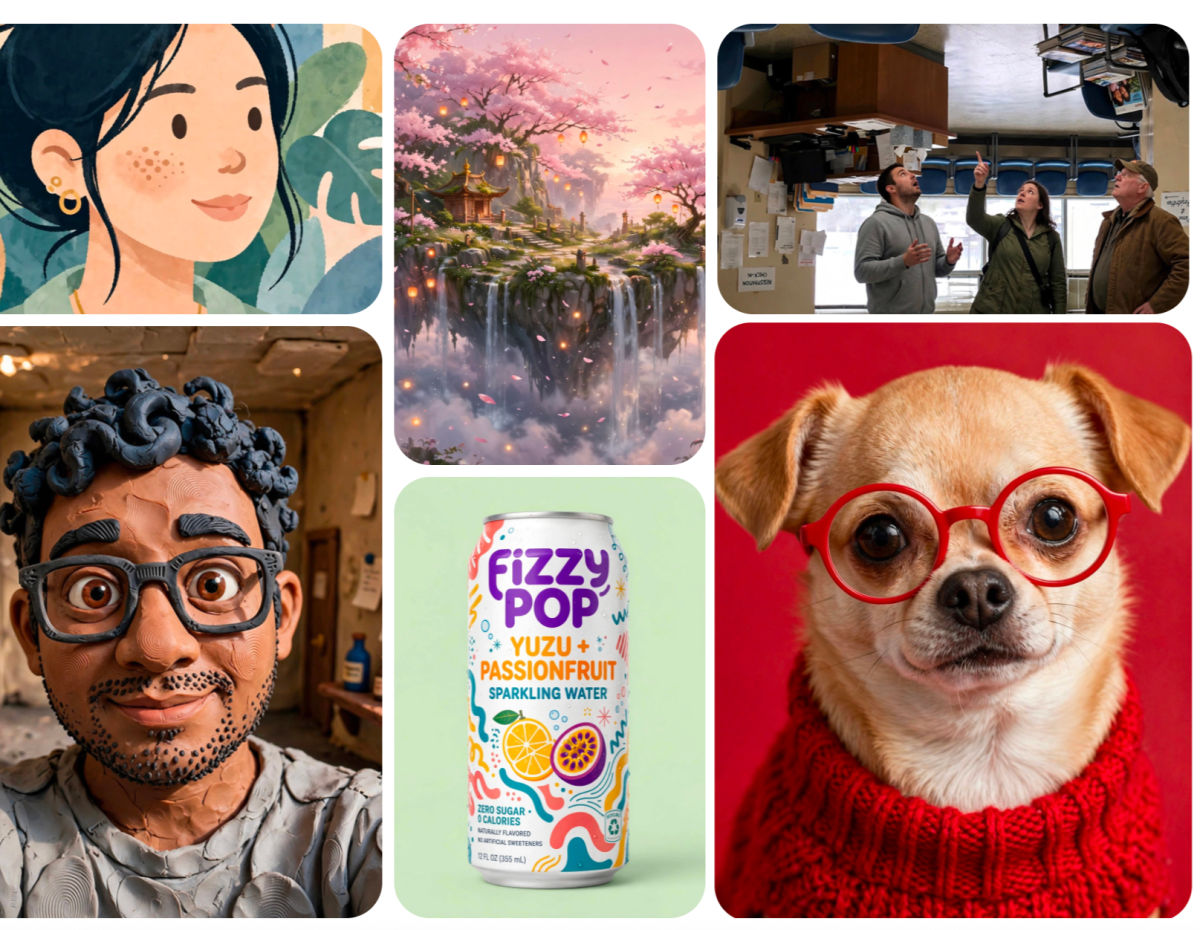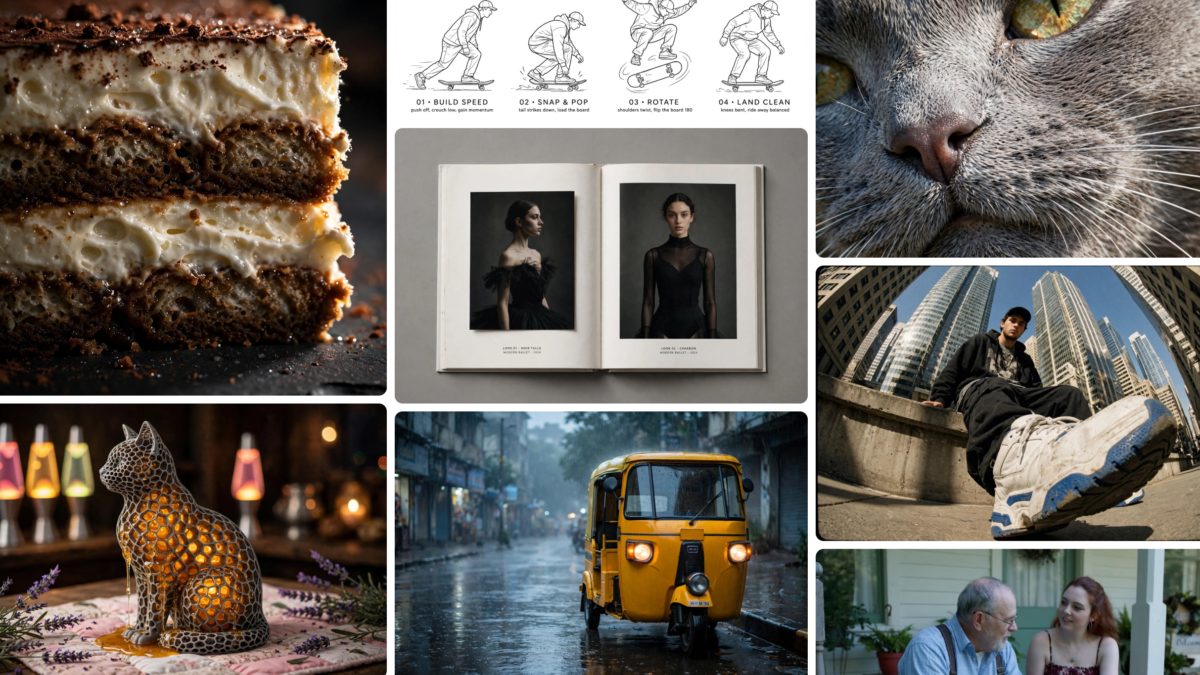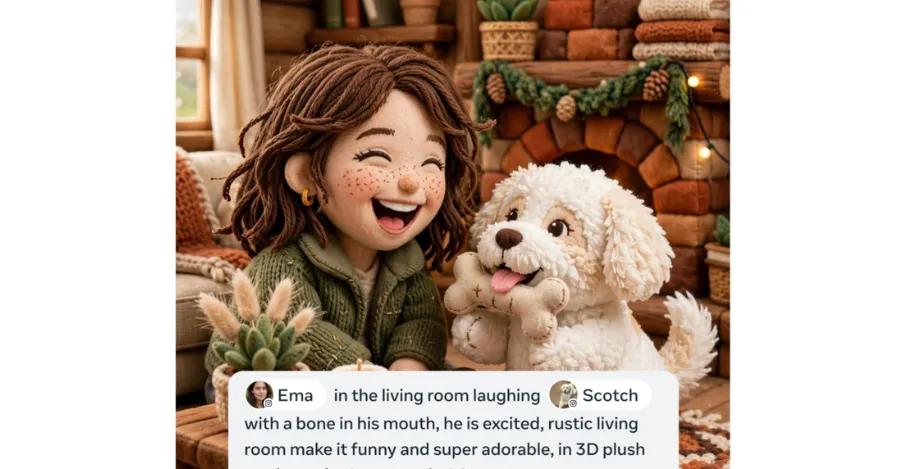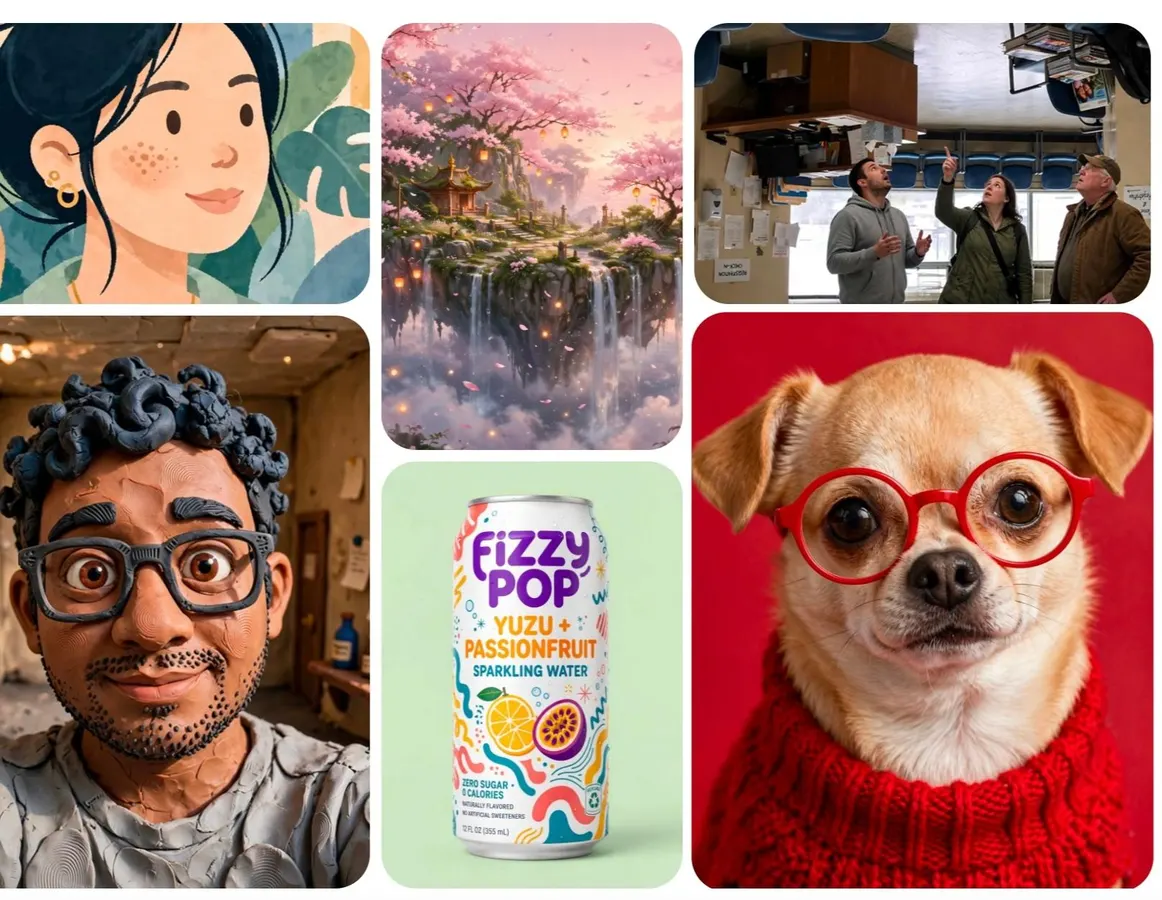
Meta just launched a new AI generator, Muse ImageMetaMuse Image looks like a consumer toy. Follow the money, and it's the next stage of Meta's plan to automate advertising end to end.On Tuesday, Meta released Muse Image, the first image generation model from Meta Superintelligence Labs. The launch materials are full of claymation selfies, custom postcards, and pets inserted into famous paintings.Charming. Also, almost entirely beside the point.The line that matters appears near the bottom of the announcement, written in the flat prose companies reserve for the things they most want you to skim: in the coming weeks, advertisers and agencies will be able to tap into Muse Image through Advantage+ creative.That sentence is the launch. Everything above it is the costume.The Model Is Not The ProductLet's be honest about where Muse Image sits on the leaderboard, because Meta was — reporting on the launch noted the company's own internal benchmarks show it trailing OpenAI's GPT Image 2, while beating Google's Nano Banana 2 on editing tasks.Second place in a benchmark war would be a problem if Meta were selling a model. It isn't. Until this week, Meta was quietly powering its image features with third-party models from Midjourney and Black Forest Labs — renting the engine while it built its own.MORE FOR YOUNow it owns the engine, and the engine sits inside apps used by more than three billion people a day. Nobody has to download anything, learn anything, or pay anything to start. Distribution has always been Meta's actual product. The model just has to be good enough to disappear into it.What "Built For Your World" Actually MeansMeta's framing for the launch is "image generation built for your world," and I'd encourage you to read that phrase the way a strategist would, not the way a copywriter intended.Your world, in this context, means your data. Muse Image lets you @-mention Instagram accounts to pull public photos directly into your generations. The showcase prompts lean on your connected Meta accounts. No other image model can do this, because no other company is holding fifteen years of your photographs, your friendships, and your aesthetic history.This is Meta conceding — correctly — that it cannot win on raw image quality, and choosing to compete on context instead. OpenAI has a better model. Meta has your mother's birthday photos.There is, predictably, a catch. Users are already pushing back on the tagging feature, since your public photos can be pulled into someone else's AI creation without notification — the control is an opt-out buried in settings, not an opt-in. For a company still living down a $5 billion FTC fine, defaulting to "we'll use it unless you find the toggle" is a choice. It's also, if we're being precise, the entire strategy. The moat only works if the data flows by default.The Ad Machine Gets Its Missing PieceHere is the context the consumer coverage mostly skipped.Advantage+, Meta's AI-powered campaign automation suite, is now generating roughly $60 billion in annualized revenue, with Meta reporting an average return of $4.52 per dollar spent. More than four million advertisers already use Meta's generative AI tools. Emarketer projects Meta will pass Google in global digital ad revenue this year — $243.5 billion to $239.5 billion — which would be a first in the history of the category.Mark Zuckerberg has been explicit about the endgame: by late this year, an advertiser should be able to hand Meta a URL and a budget and walk away. Targeting is automated. Bidding is automated. Placement is automated.The one thing still requiring humans was the creative — the actual images. Muse Image, wired into Advantage+, closes that loop. Meta's business-facing announcement says the model brings native reasoning to the creative process, generating on-brand ad variations with fewer iterations.Translation: the cost of producing and testing ad creative on Meta is about to approach zero, at exactly the moment when creative is the only lever left that advertisers control.What This Means If You're The One Buying The AdsI've built and sold two agencies, so let me say the uncomfortable part plainly: this is aimed at the production layer of the marketing industry, and it will hit small advertisers first — as a gift.If you're an SMB spending a few thousand dollars a month on Meta, your constraint was never budget. It was that you could afford three creative variations when the algorithm wanted thirty. That constraint is now gone. The playbook shifts from crafting the perfect ad to feeding the system distinctive raw material — real photos, real products, a recognizable point of view — and letting it iterate.If you're an agency, the arithmetic is harsher. When variation is free, you don't get paid for variation. You get paid for the things the model can't generate: strategy, brand judgment, and knowing which of the thirty options is quietly wrong.And if you're a brand, notice what you're trading. Every efficiency Meta hands you deepens your dependence on a platform that now writes the targeting, sets the bids, places the media, and — as of this week — makes the pictures. In Romanian there's a phrase, la pachet: it comes bundled, whether you asked or not. The $4.52 return comes la pachet with the lock-in.The Picture Is Free. The Frame Is Not.Muse Image will generate you a claymation selfie today, and it will do it well enough. But watch where the money points. A video model, Muse Video, is already in development. The subscription tier is already in place. The advertiser integration ships within weeks.Meta didn't build an image model to compete with Midjourney. It built the last component of a machine that turns a URL and a budget into a campaign — and it's betting you'll be too busy playing with the filters to read the terms of the trade.The images are free. The frame around them is the most expensive real estate in advertising.
Meta's New Image Model Isn't Competing With Midjourney. It's Competing For Your Ad Budget.
Muse Image looks like a consumer toy. Follow the money, and it's the next stage of Meta's plan to automate advertising end to end.
980 words~4 min read