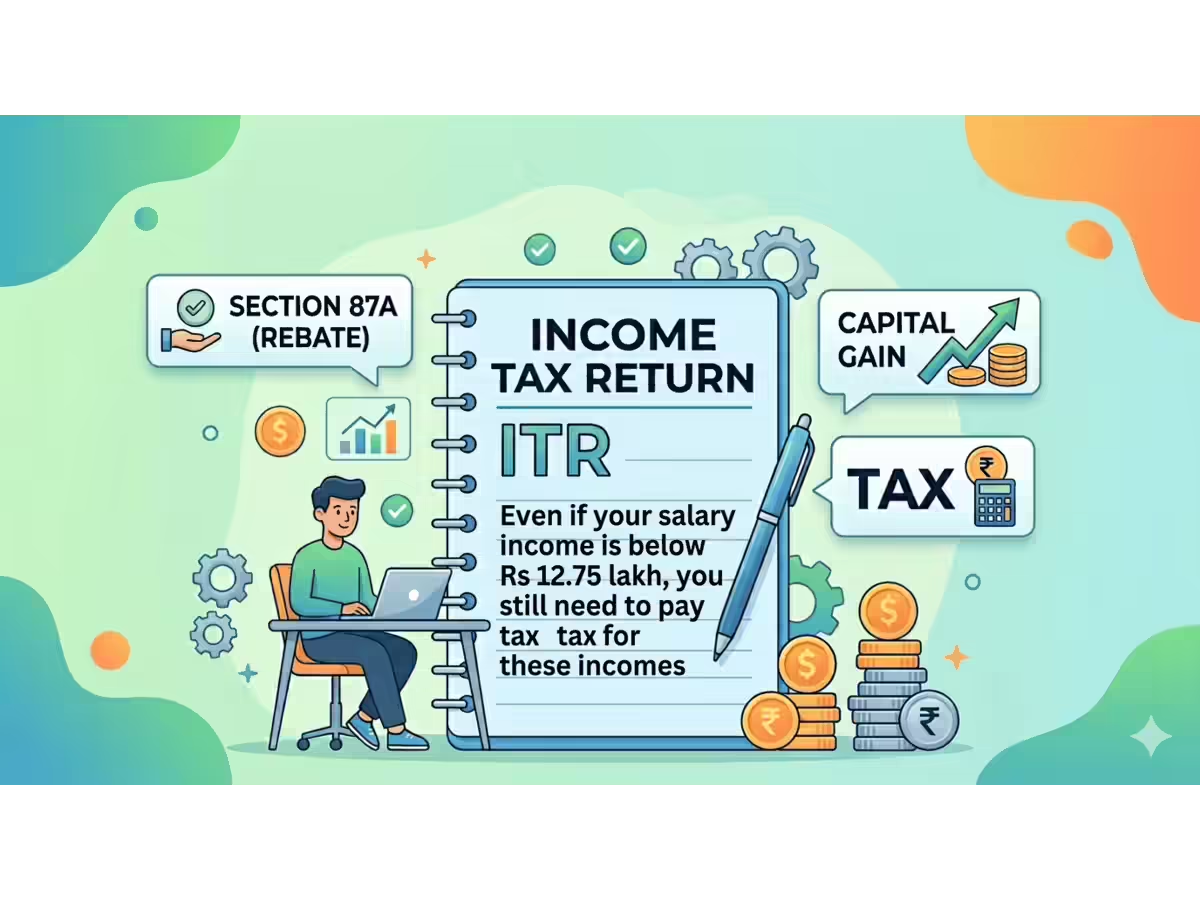
SynopsisThe new Income Tax Act, 2025, takes effect from April 1, 2026, maintaining current tax slab rates. Highest tax rate remains 30% for incomes exceeding Rs 24 lakh under this regime. Marginal relief prevents excessive tax burdens when income slightly crosses Rs 12 lakh. The new tax regime is now the default option for individual taxpayers. Salaried individuals benefit from a Rs 75,000 standard deduction and tax rebate.Getty ImagesIncome tax slabs for Tax Year 2026-2027, FY 2025-26 (AY 2026-27) under the new tax regime (Representative image)From April 1, 2026 the new Income Tax Act, 2025 is applicable, however there is no change in tax slab rate. So the new income tax slabs under the new tax regime for Tax Year 2026-2027 are the same as financial year 2025-26 (assessment year 2026-2027). The highest tax rate of 30% is applicable on incomes above Rs 24 lakh under the new tax regime.Here are the income tax slabs under new tax regime for Tax Year 2026-27Income tax slabs (Rs)Income Tax GuideThink you don't need to file an ITR for FY 25-26? These 8 benefits may change your mindIncome tax rate (%)From 0 to 4,00,000ITR Guide From ITR filing due dates to right form - know everything about filing your income tax returns for Tax Year 2025-26 or AY 2026-27View Details »0From 4,00,001 to 8,00,0005From 8,00,001 to 12,00,00010From 12,00,001 to 16,00,00015From 16,00,001 to 20,00,00020From 20,00,001 to 24,00,00025From 24,00,001 and above30Here are the income tax slabs under new tax regime for FY 2025-26 (AY 2026-27)Income tax slabs (Rs)Income tax rate (%)From 0 to 4,00,0000From 4,00,001 to 8,00,0005From 8,00,001 to 12,00,00010From 12,00,001 to 16,00,00015From 16,00,001 to 20,00,00020From 20,00,001 to 24,00,00025From 24,00,001 and above30Surcharge amount slab and table for Tax Year 2026-2027Here is a table listing the surcharge for various income levels -Total IncomeSurcharge – New RegimeSurcharge – Old RegimeUp to Rs 50 lakhNilNilRs 50 lakh – Rs 1 crore10%10%Rs 1 crore – Rs 2 crore15%15%Rs 2 crore – Rs 5 crore25%25%Above Rs 5 crore25%37%Also read: Income Tax Slabs FY 2026-27 New Regime vs OldHow does marginal relief work under the new tax regime?Marginal relief ensures that the extra tax you pay is not more than the extra income you earn after crossing the Rs 12 lakh limit. This prevents a situation where earning a little extra income leads to paying much higher tax.Example:Taxable income = Rs 12,10,000Income above Rs 12 lakh = Rs 10,000Normal tax calculation may result in tax higher than Rs 10,000With marginal relief, tax payable is limited to Rs 10,000 (plus cess)a) Salaried taxpayersUnder the new tax regime, tax is fully rebated under Section 87A if taxable income is up to Rs 12 lakh. Salaried taxpayers also get a standard deduction of Rs 75,000. Because of this, marginal relief effectively applies when gross salary is slightly above Rs 12.75 lakh (that is, when taxable income just crosses Rs 12 lakh).b) Non-salaried taxpayersFor non-salaried taxpayers, marginal relief applies when taxable income is slightly above Rs 12 lakh. Since there is no standard deduction, the relief is linked directly to taxable income crossing Rs 12 lakh.Also read: ITR filing guide: Know when tax return filing is mandatory, who needs to file and who is exemptFeatures of new tax regimeFollowing are the features of the new tax regime for individual taxpayers:a) New tax regime is the default tax regime. An individual has option to opt for the old tax regime in any financial year, provided there is no business incomeb) The basic exemption limit is Rs 4 lakh.c) Tax rebate under Section 87A makes zero tax payable for taxable incomes up to Rs 12.75 lakh for salaried individuals and Rs 12 lakh others. (Join our ETWealth WhatsApp channel for all the latest updates)...more
Income tax slabs for Tax Year 2026-2027, FY 2025-26 (AY 2026-27) under the new tax regime - The Economic Times
The new Income Tax Act, 2025, takes effect from April 1, 2026, maintaining current tax slab rates. Highest tax rate remains 30% for incomes exceeding Rs 24 lakh under this regime. Marginal relief prevents excessive tax burdens when income slightly crosses Rs 12 lakh. The new tax regime is now the default option for individual taxpayers. Salaried individuals benefit from a Rs 75,000 standard deduction and tax rebate.
617 words~3 min read