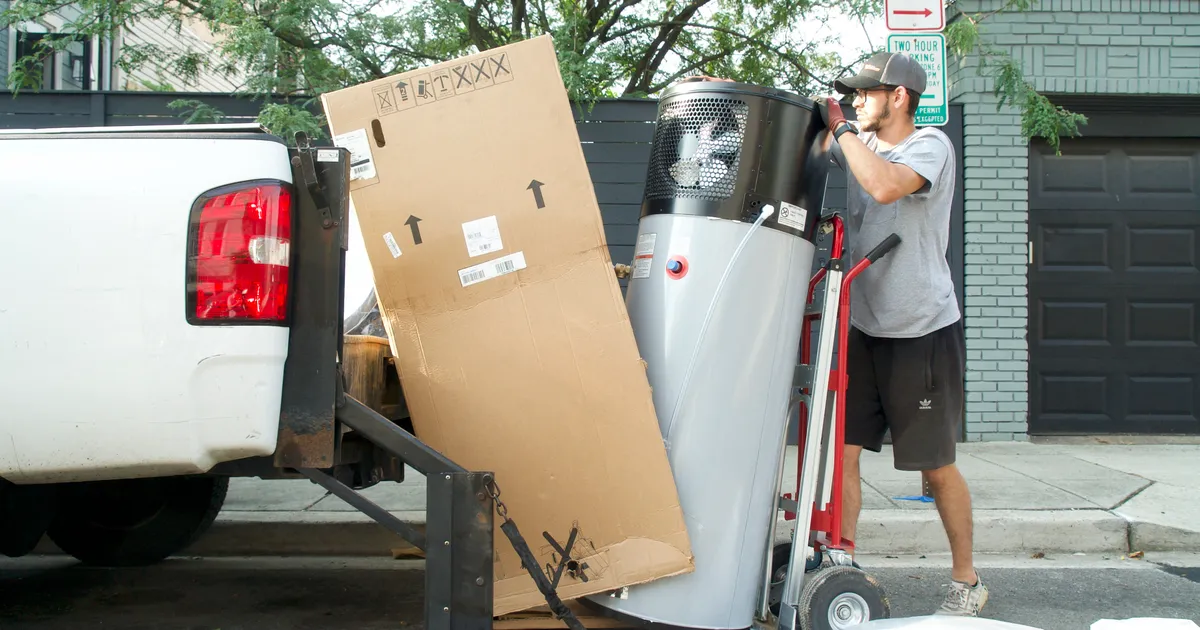
Yet the policy is likely to make an impact well beyond the four-county region. Proponents say a major goal of setting the zero-emission standard is to signal to heat pump manufacturers and other clean technology suppliers to start ramping up production — which could benefit industrial electrification efforts elsewhere by driving down appliance costs.
The Ninth Circuit’s ruling comes as California is pushing to decarbonize all corners of its $4.3 trillion economy. Manufacturing facilities are responsible for more than one-fifth of annual greenhouse gas emissions in the state, making them the largest source after transportation.
Last year, Democratic Gov. Gavin Newsom signed a law, Assembly Bill 1280, that expands incentive programs to help manufacturers install industrial heat pumps, thermal storage systems, and other electrified equipment. Utilities and state lawmakers are also developing new electricity rate structures that would lower the cost of operating electric appliances.
Such efforts are meant to address the financial challenges that can come with switching to electric appliances in industrial settings. Cleaner alternatives, such as heat pumps and electric boilers, are typically more expensive up front. Electricity is often far more expensive as a fuel than natural gas, especially for large industrial users — an issue that’s true in California as well in other parts of the country, including the Upper Midwest and Northeast.