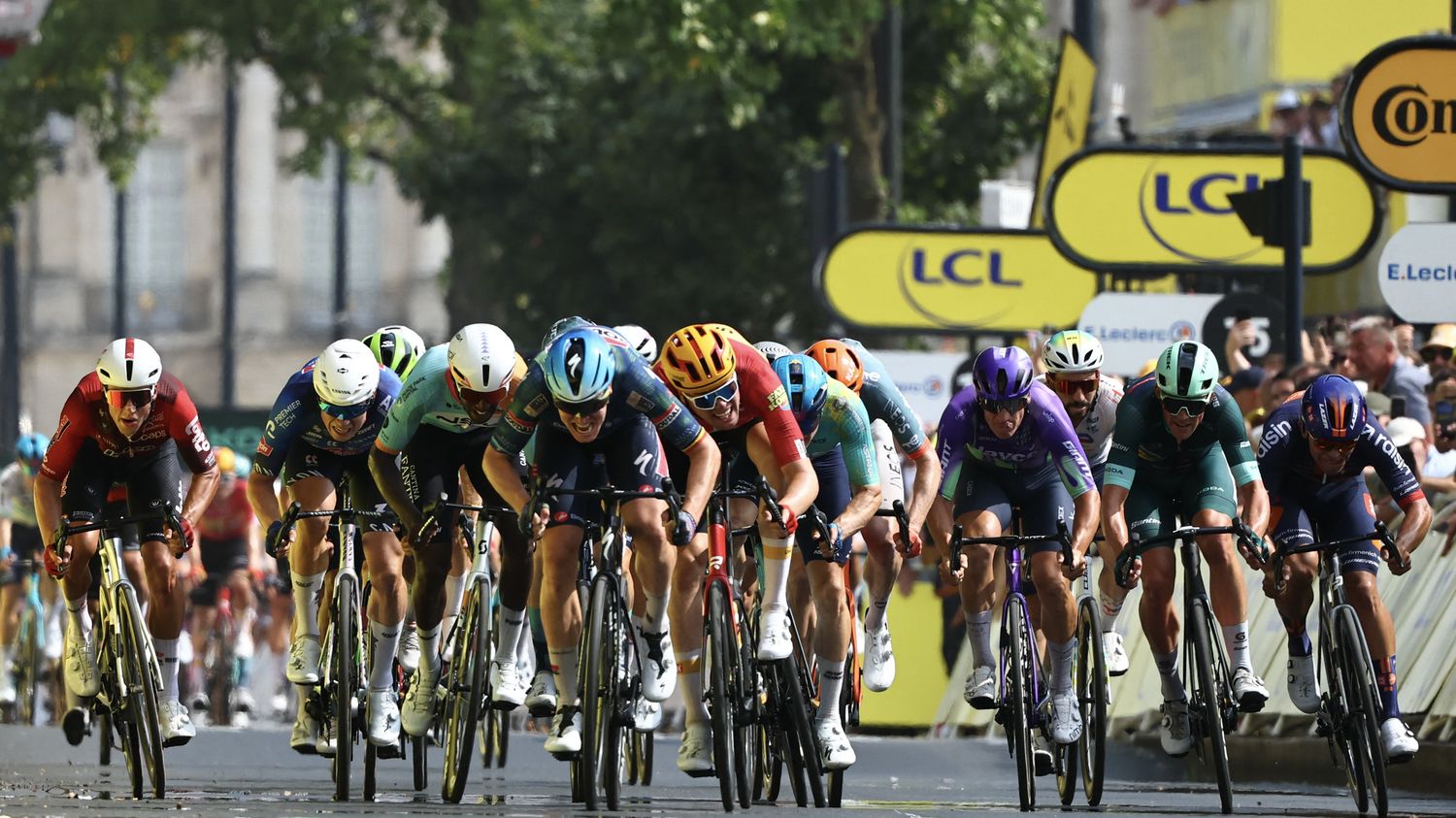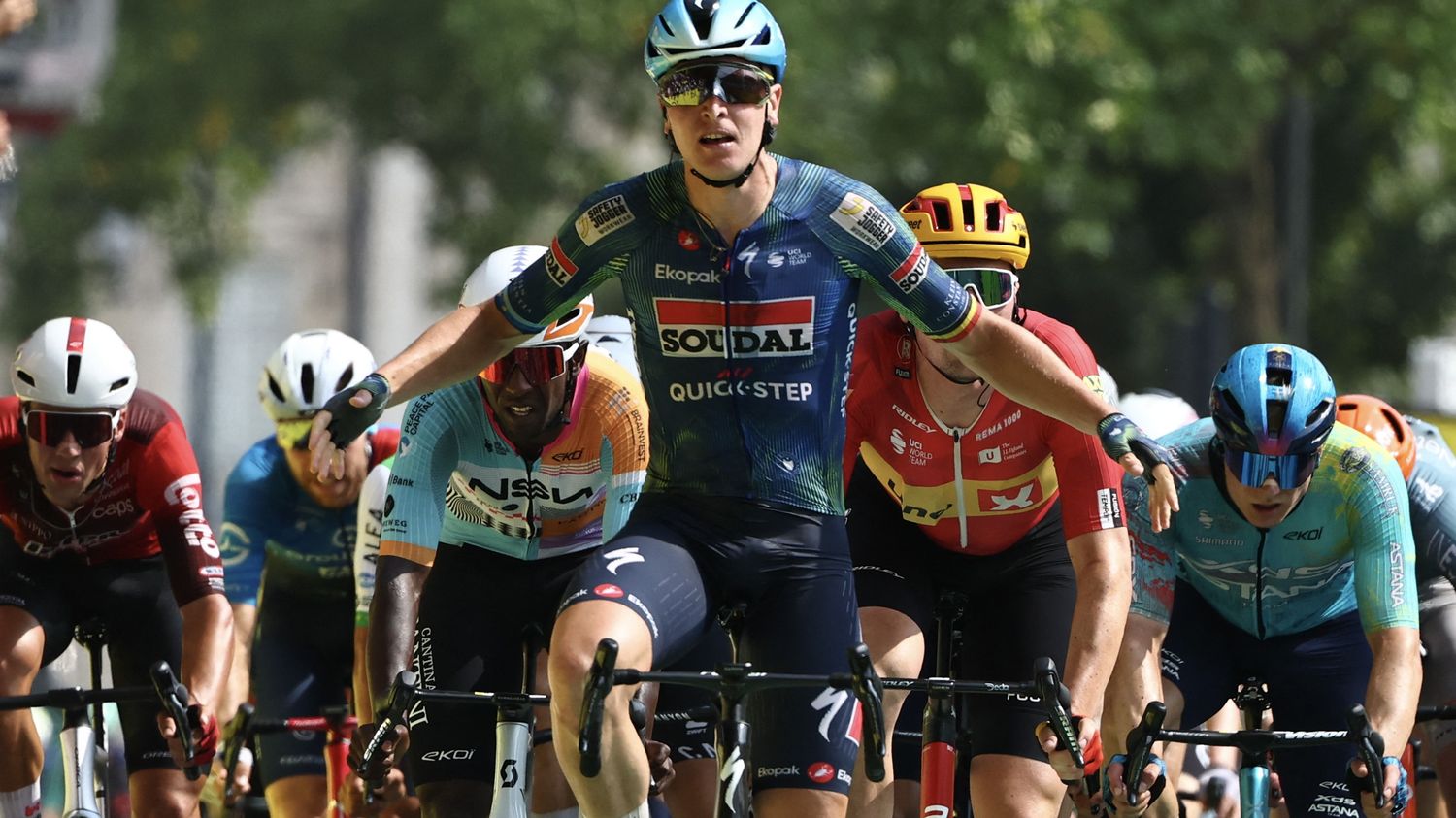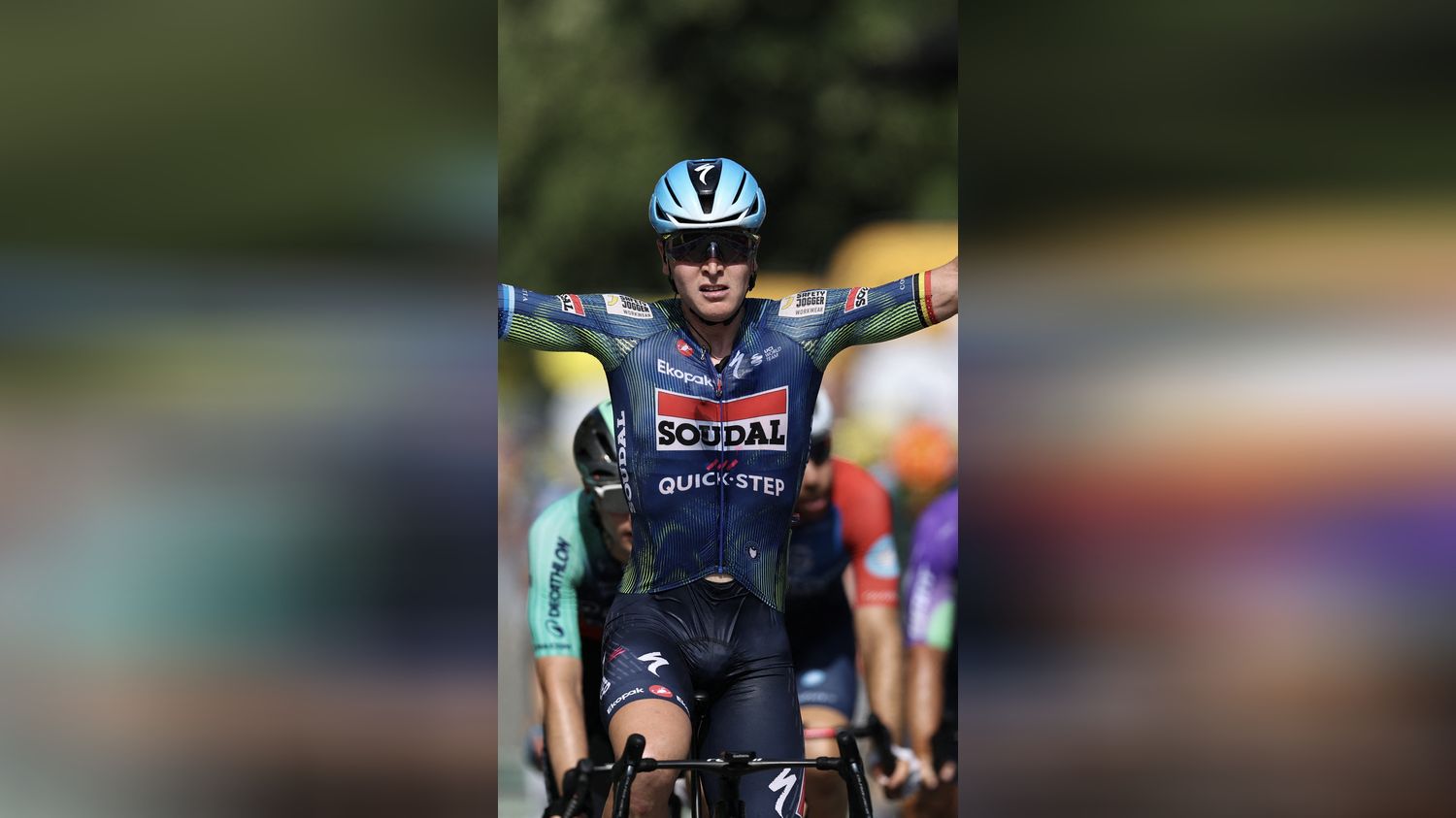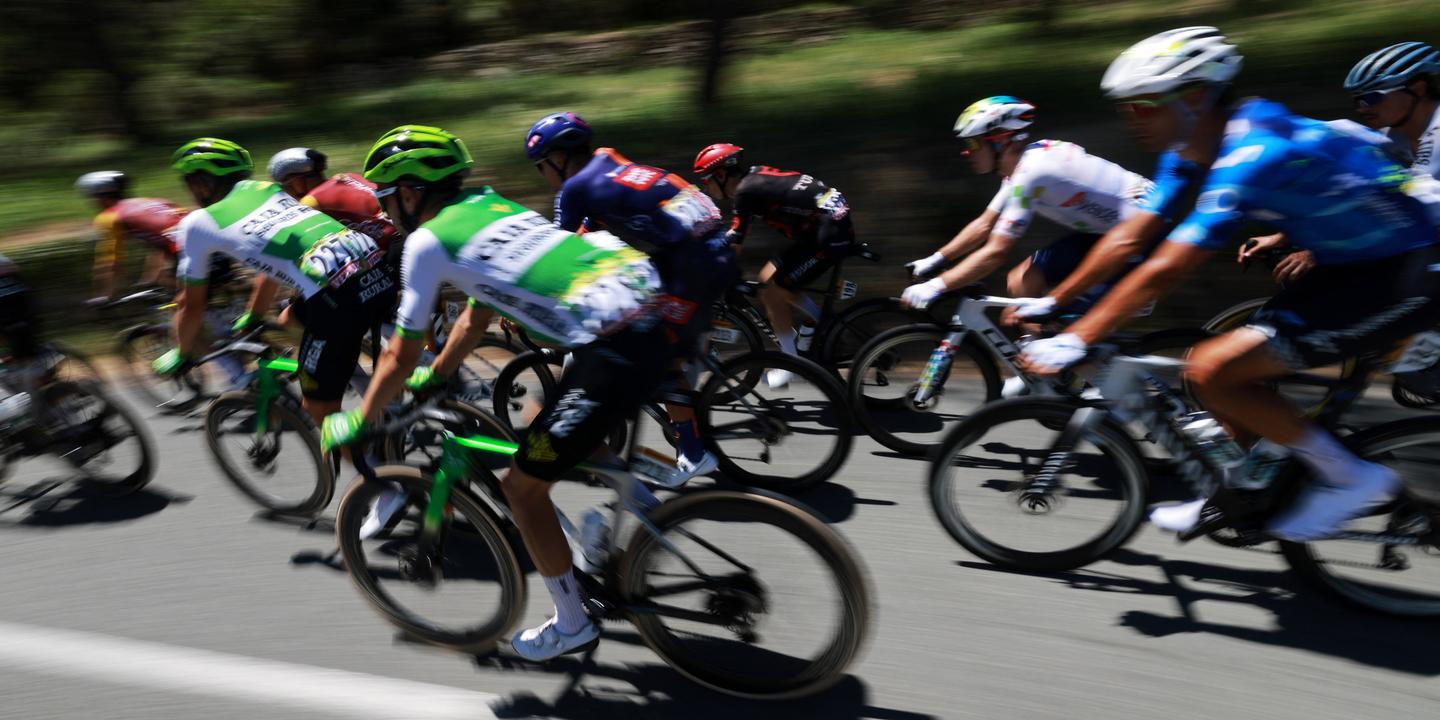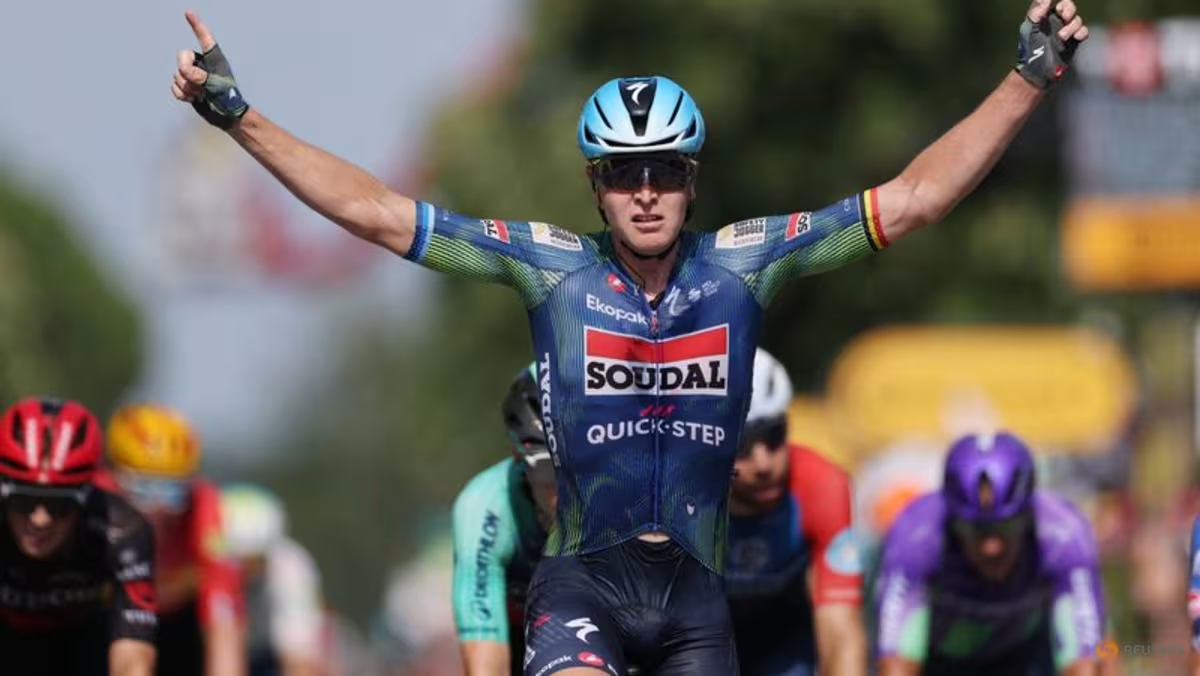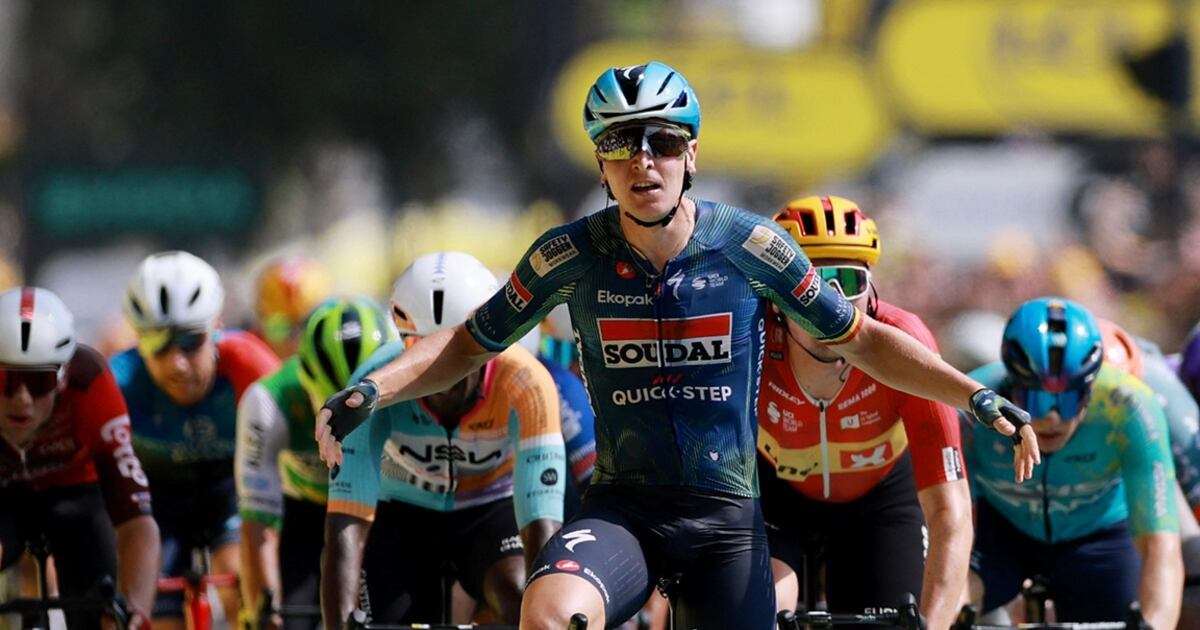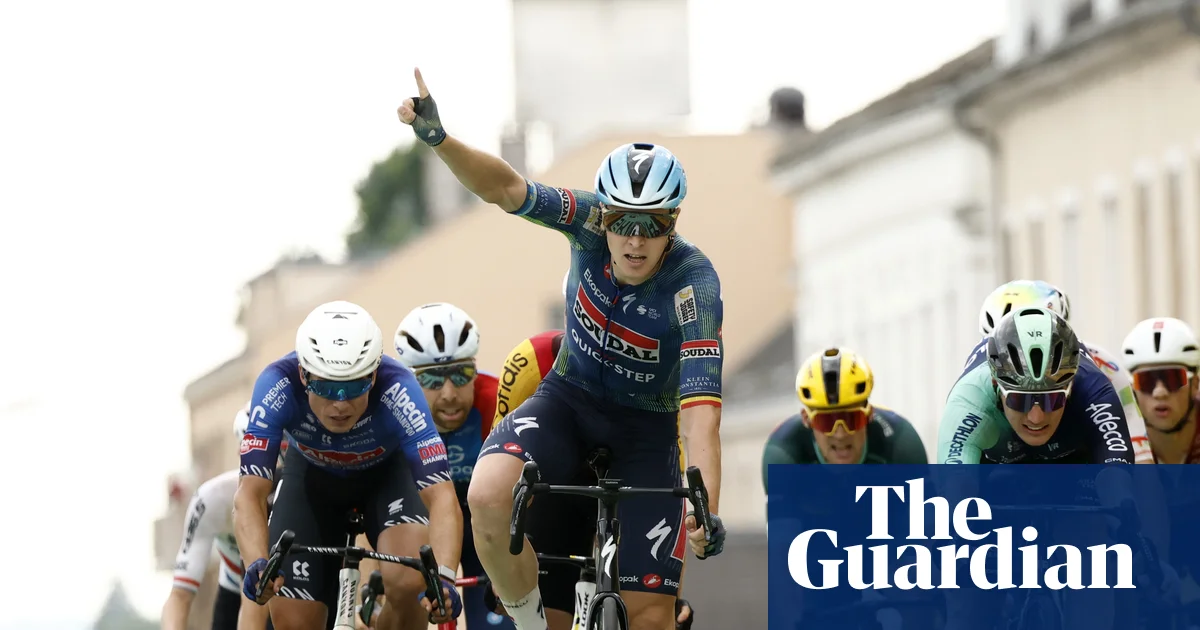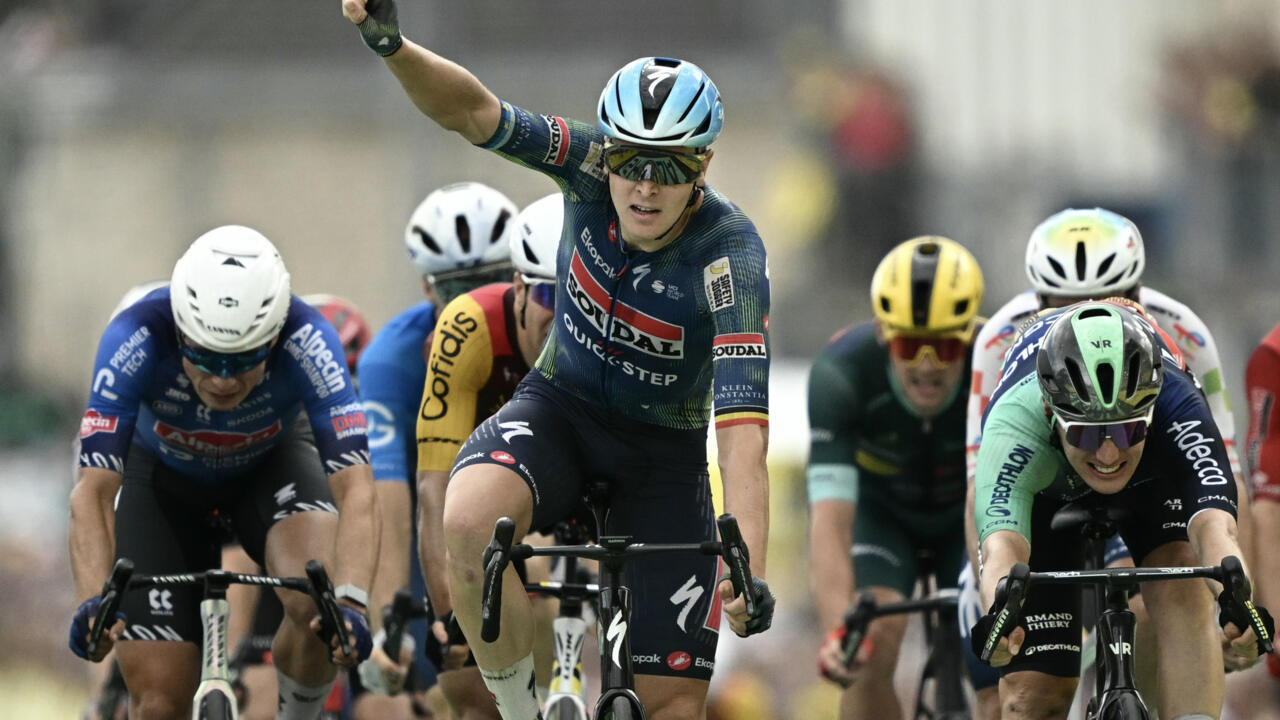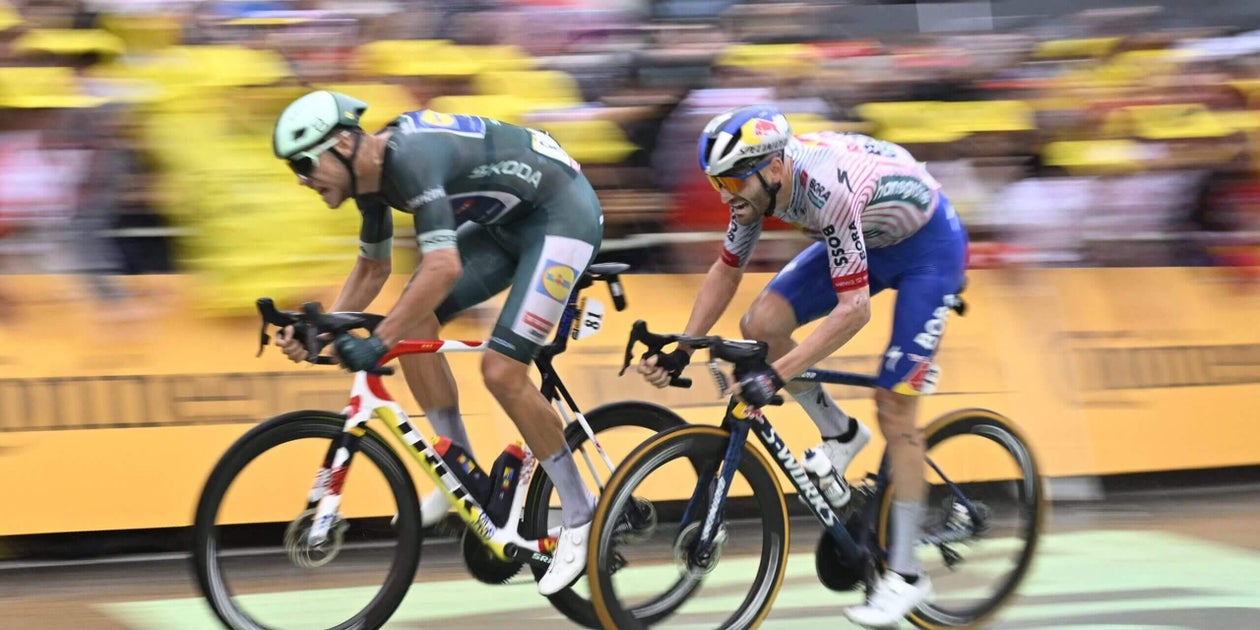
On the sofas in the back of Soudal-Quickstep’s team bus, Tim Merlier and Bert Van Lerberghe are hiding from the Barcelona sun and holding court.Merlier is possibly the fastest sprinter at this year’s Tour de France, winner of three stages in prior editions and chasing his first green jersey. Van Lerberghe, meanwhile, is his longtime leadout man — the two Belgians met when they were in the same class as 11-year-olds, and have been friends for over 20 years.They go virtually everywhere together — and will chase their first stage victory of the 2026 race in the south-western city of Pau on Wednesday afternoon as its first sprint finish finally (probably) arrives.Sprinting has evolved in their two decades of friendship — and even during the decade of their professional careers.“It’s just really, really fast all the time now,” says Van Leberghe. “The timing is more of a factor — when you start the sprint — than when they were sprinting with only four on the road.”“(Grand Tours) are definitely harder and harder in my opinion,” adds Merlier. “They need to protect riders; otherwise, there is no recovery any more in Grand Tours. In the past, let’s say, organisers were smarter and made them easier.”One issue for both of them is the growing complexity of sprint finishes — increasingly involving features such as cobbles, ramps and late hairpin bends.“(Organisers) want sensation, and hectic finales are sensational,” explains Van Leberghe. “You can see in the highlights, they show all the crashes. They introduce circuits like we see, and then those crashes happen. It must be what they want, because otherwise you wouldn’t have a finish like that.”The Amaury Sports Organisation (ASO), the Tour’s organiser, complies with all course design regulations imposed by the sport’s governing body, the UCI. Whether riders are content with those rules themselves is a different matter.Tim Merlier sprints to victory on stage three of last year’s Tour de France (Anne-Christine Poujoulat/AFP via Getty Images)But Merlier and Van Leberghe have a point.Thierry Gouvenou, the Tour’s longtime route designer, has openly discussed the ASO’s desire to move away from traditional flat sprints — or at least significantly reduce the number of them.“I think the sprinters’ teams are shooting themselves in the foot,” he told broadcaster Eurosport after several undramatic stages in the 2024 Tour. “It won’t last — in the long run, there may no longer be any stages designed for the sprinters.”Last June, he expanded on those comments to The Athletic.“The problem is that teams have become professional and if we can’t find real difficulties — either with hills, pavé or gravel — the stages become monotonous,” Gouvenou explains.“They’re locked out by the sprint teams, there are no attacks, so you just see a peloton moving. For the sake of the event, for the sake of the viewers, it’s not possible to do that. So in regions where we don’t have a col, where we don’t have a pass, we have to find a little subterfuge.”That word, subterfuge, provides some echoes of the Quickstep duo’s concerns.So what is the future of sprinting, not just at the Tour de France, but across professional cycling? Other sprinters have begun to notice the changes.“This year, we have more or less 12 stages which are mountainous or time trials,” says Biniam Girmay, green jersey winner at the 2024 race, the edition which Gouvenou criticised so heavily. “And then there’s a lot which aren’t sprints but which are for punchy guys like (Mathieu) Van der Poel and (Mads) Pedersen.“It’s not easy to give everyone a chance, but for this Tour de France, I think it makes sense to have more stages for the sprinters because that’s something that the people want to see. It’s not only about the climbing.”“Sometimes in the past, we had nine sprint stages in the Tour,” says Van Leberghe. “Real sprint stages. Now, if they find a small climb, they want to go over the climb and make it hard for the sprinters. In the past, real sprint stages were really flat; nowadays, never.”In Mark Cavendish’s heyday, there were more sprint stages to target (Bryn Lennon/Getty Images)For many riders and coaches, other tweaks are also evident.Many point to higher speeds, an average increase of over two kilometers per hour in recent years. Some believe the issue is the number of leadout trains — lines of three or four riders, each trying to slipstream their leader rather than compete for the win themselves.Mattias Reck coaches Pedersen, one of the most versatile sprinters in the peloton — capable of winning as a puncheur as well as pure sprints.“If you go back to the 1980s, maybe it was only the 10 to 20 fastest that were sprinting for the win, and the others all let go,” he explained during the 2026 Tour’s Grand Depart in Barcelona. “There were no teammates, no lead-out trains, or anything. Then, in the 1990s, Mario Cipollini started making trains, then Mark Cavendish did it, and then everyone else started to step up their game.“So what we’ve seen over the last decades are that there are so many sprinters with trains that there is no space on the road. Everybody wants to pick a side, because then you cannot be overtaken from both ways. Everybody knows what to do, so it’s really hard to be on top, and the fight for position starts at kilometre 50, not kilometre 10.”This has implications for rider safety.There were major pile-ups at last year’s Tour and this year’s Giro d’Italia, as just two examples, but these are commonplace at Grand Tours. According to independent group SafeR, 2025 saw the most crashes in the sport’s history. In sprint stages, the increasing number of riders involved is one potential contributing factor.‘The competition is higher; there are more people that want to get involved,” says Reck. “Then the peloton is also a bit younger, and there’s not the same hierarchy any more. If you’re a young rider, you’re fighting, whereas in the past there was more respect for the elders. I don’t know if that’s good or bad, but there’s more fighting in the bunch.”Another factor has been the number of general classification teams keen to be involved in sprint stages, concerned with ensuring their yellow-jersey contenders do not get snarled up behind — or even worse, in — any crashes.Girmay agrees.“It’s getting more crazy, because nobody cares about each other, about whether it’s a bad crash or not,” he says. “We should change the rule (where GC contenders receive the time of the peloton with three or five kilometres to go) to 10km, because it’s dangerous, the sprinters’ team need more of a free spot.”Kristof de Kegel is the head of performance for Alpecin-Premier Tech, possibly the foremost sprinting team in the peloton, whose sprint train supporting Jasper Philipsen includes the likes of Van der Poel and Kaden Groves.“It is a good thing that the latest trend is for GC teams to drop back completely to avoid the sprints,” he says. “It creates a possible risk. The leadout guys and sprinters do this on a very regular basis, not only in the Tour de France but all year, so they are very well prepared for it. The GC guys aren’t used to it, but they know they can’t lose time, so they’re in the way and can make the bunch a bit stressy and nervous.”In his view, leadouts can actually make the sport safer.“If you have a strong leadout team, it stretches the bunch out, which actually makes it a bit safer in a way,” De Kegel adds. “Sometimes, you see disorganised sprints without any leadout and then it can be even more chaotic.”Sören Wærenskjold crashes during a sprint finish at the 2023 Tour de France (Anne-Christine Poujoulat/AFP via Getty Images)Other factors blamed for the number of crashes on sprint stages are route design — with multiple riders stating there is too much road furniture, such as bollards, roundabouts or speed bumps — and speed itself. The UCI introduced a gear limit ratio in an attempt to reduce the pace of riders, but its introduction has been controversial.In any case, the existence of these factors themselves is a risk for sprinting’s future — making it easier to justify the discipline’s exclusion in favour of slower finishes or reduced bunch sprints. This worries many riders and teams, not just from a sense of self-preservation, but also from how it influences the shape and rhythm of a Grand Tour.“You can’t ride semi-hilly or tough hilly stages every day,” says Reck. “It’s important to have easier stages where (the peloton) can recover. If there are too few, the sprinter teams will not come. Take the Vuelta a España as an example; it’s so tough and there are very few flat stages. I don’t think we want to go that way.“It’s nice that the Giro has its own character, the Vuelta too, and the Tour de France was always supposed to be about the measurement of the sprinters. To be the best sprinter, you have to be the best at the Tour, and I think the Tour also wants it like that.”Others see it differently. Philipsen, along with Merlier and Jonathan Milan, is one of the fastest three men in the world for raw pace — but also possesses the ability to get over climbs.“I don’t know if you’d categorise him as a 100 percent sprinter,” says De Kegel. “He’s a stronger sprinter, so for him, we see enough chances at every Grand Tour.”Jake Stewart, Girmay’s teammate at NSN Cycling, agrees. He is a modern type of sprinter, specialising in uphill drags and reduced bunch finishes.“A Grand Tour is such a fine balance of trying to please everyone with GC days, time trials, puncheur stages, sprint stages, breakaways,” he says. “We have five or six opportunities this year. And now, there’s very few sprinters that can’t get over climbs. Maybe that’s because of the parcours we’ve been presented with.“The real pure sprinters are disappearing from the sport, but it’s because Grand Tour racing is just so hard nowadays; time cuts are getting shorter and shorter and pure climbers are ascending faster and faster.”Mads Pedersen survived the hills of stage four at the Tour on Tuesday and was able to distance his breakaway companions with ease at the finish (Loic Venance/AFP via Getty Images)Reck points to last month’s Tour of Belgium, with the toughest stage — in searing temperatures — finishing in a reduced bunch sprint involving Merlier and Philipsen, as an example of this evolution.Just two days after he spoke to The Athletic, his own rider, Pedersen, won from the breakaway into Foix, surviving over 2,800m (9,000ft) of climbing, with some of the peloton’s strongest rouleurs unable to drop the Dane and his Lidl-Trek teammates.“It’s like Darwinism,” he says. “You have to adjust, and the sprinters’ way of adapting is to become stronger. Mark Cavendish himself has said there’s no space for his type of sprinter anymore. You have to be so strong, the VO2 max of today’s guys is just getting higher and higher.“But one of the unique things in cycling compared to other endurance sports is that if you’re a world-class runner, you cannot weigh more than maybe 60kg (132lb) to win a race. But in cycling, you can be a big star at 90kg (198lb), you can be a big star at 60kg, and you need helpers. That’s what makes it a really big sport — and I don’t want to limit that too much.”There is no escaping that sprinting is evolving — but should it have to?
What is the future of sprinting at the Tour de France?
Bunch finishes are a lot less common in Grand Tours in the 2020s. Sprinters are adapting – but should they have to?
1,932 words~9 min read