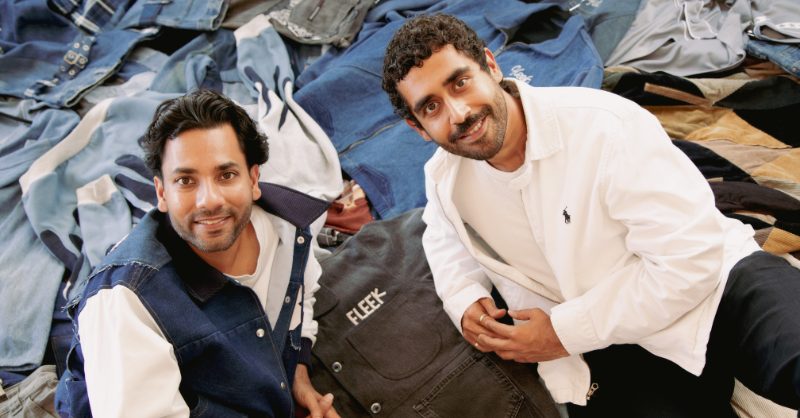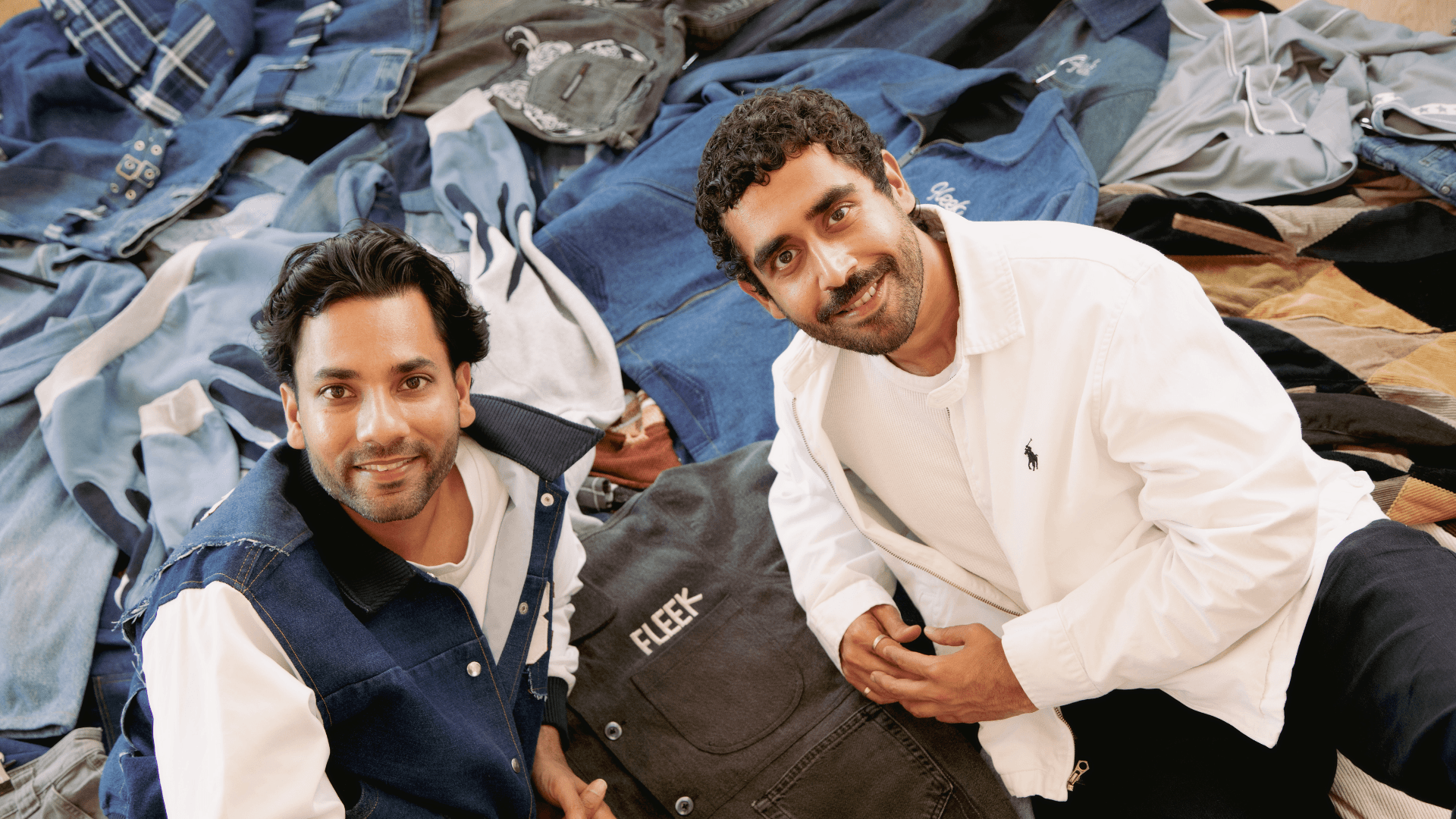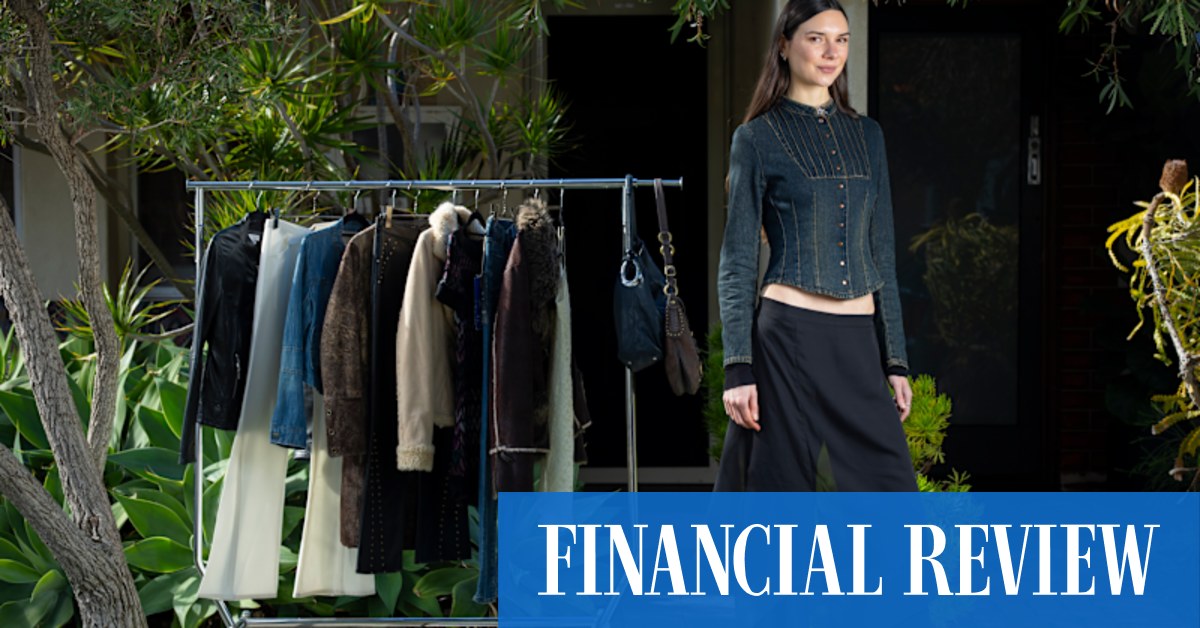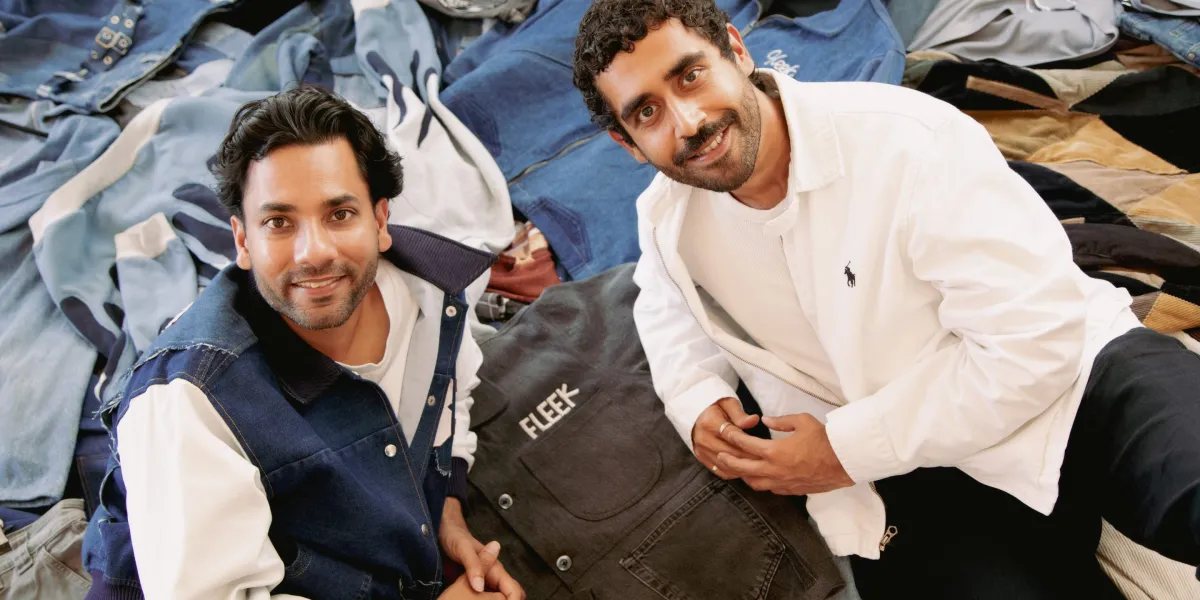
Abhi Arora, like many people, liked to buy vintage clothes. But he had never given too much thought to exactly how they arrived in second-hand shops. Then one day, Arora’s favorite vintage clothing shop near Brick Lane, in London’s East End, announced it was closing.Surprised, Arora asked the shop owner why. She told him that she used to source her vintage items directly, going on buying trips to Asia and the Middle East to purchase directly from the wholesale suppliers of second hand clothes. The COVID-19 pandemic had put an end to those buying trips and gave rise to online brokers who charged high commissions. Some of brokers were also less than scrupulous. The Brick Lane vintage store owner had been scammed out of more than $15,000 by one of these brokers and, unable to recover the funds and with her margins shrunk by brokerage fees, she reluctantly decided to close her store, Arora said.But that conversation gave Arora a brainwave. He teamed up with Sanket Agarwal, whom he had met in an online founders’ community and whose mother-in-law also sold vintage clothing and had also struggled with sourcing products. “We put two and two together,” Agarwal said, “and we said there’s a real problem in this industry where supply is not scaling as fast as demand.”
Exclusive: Fleek, an online market for vintage garment wholesalers, raises $25 million in new funding | Fortune
Fleek has also built an AI model to help wholesalers sort, grade, and price vintage clothing
932 words~4 min read