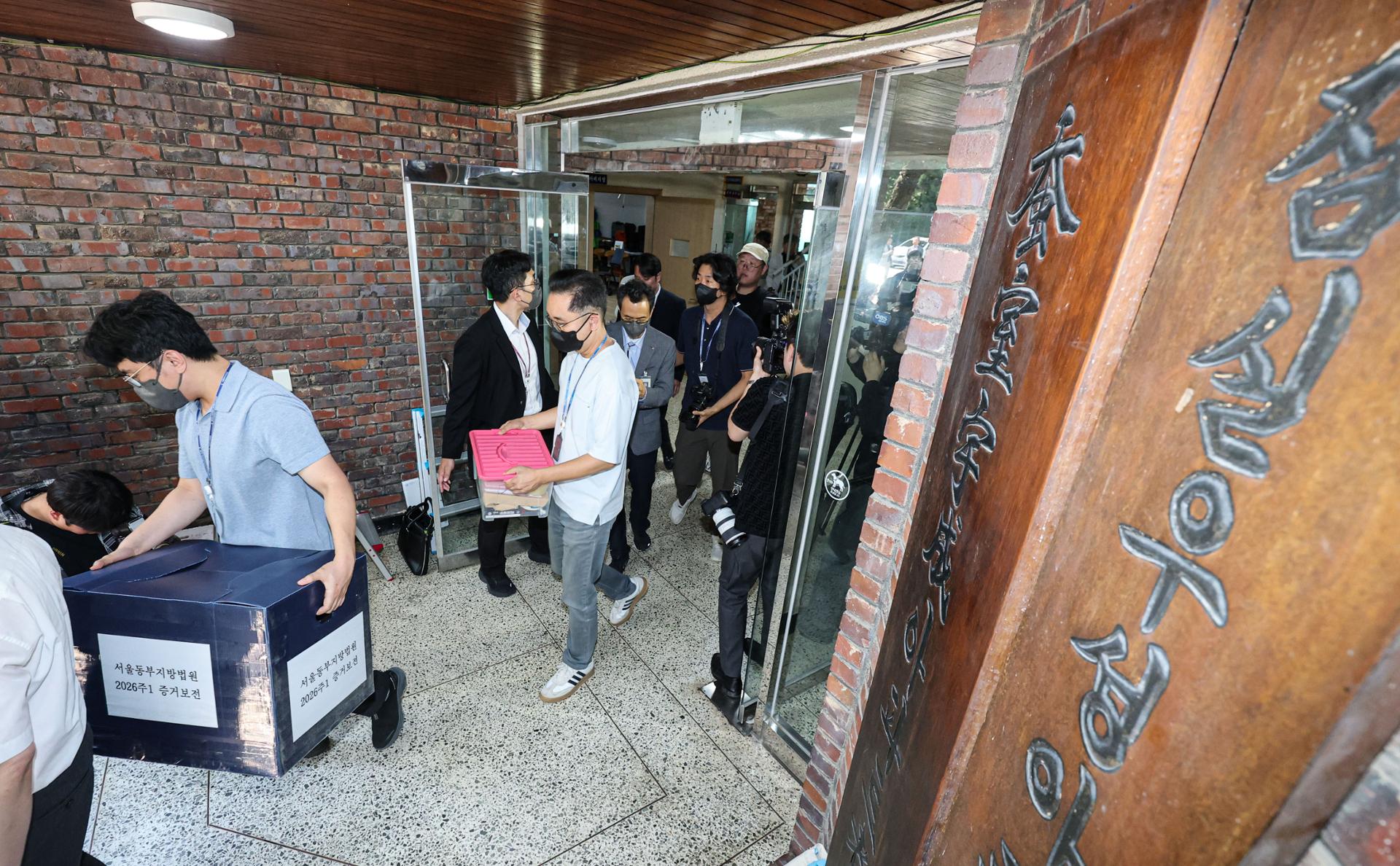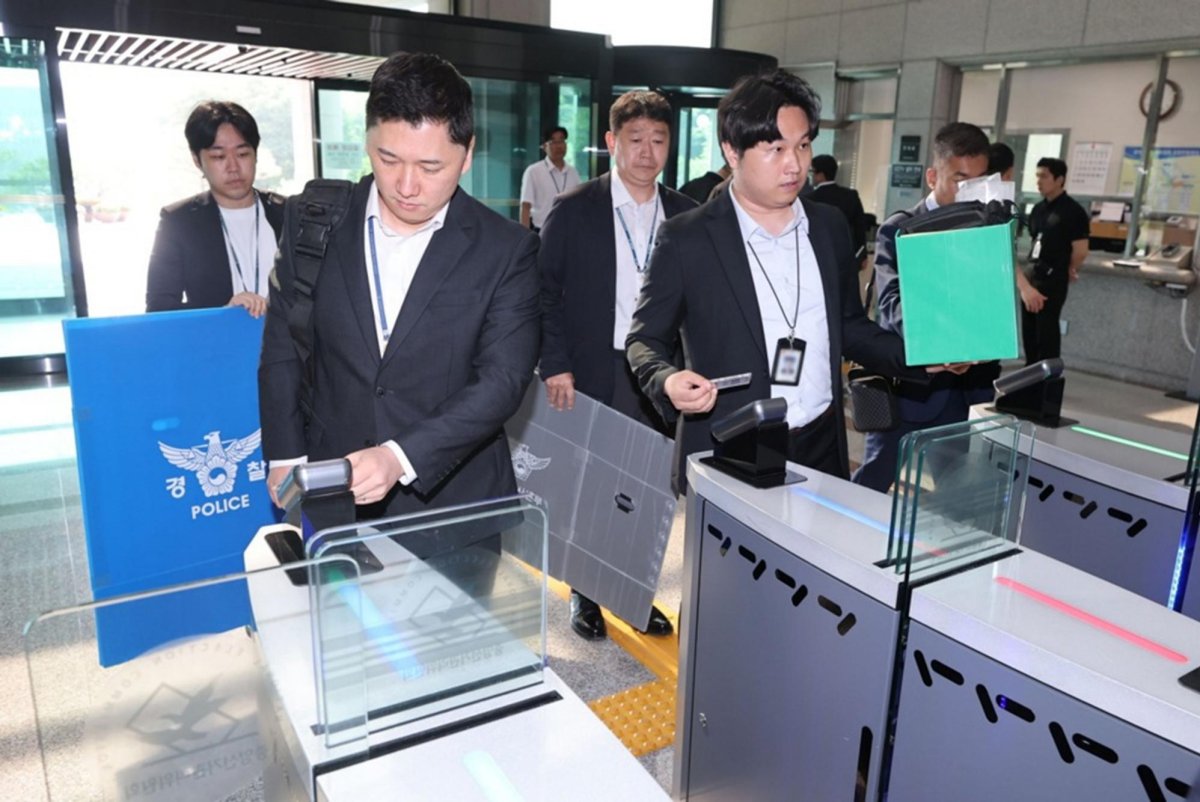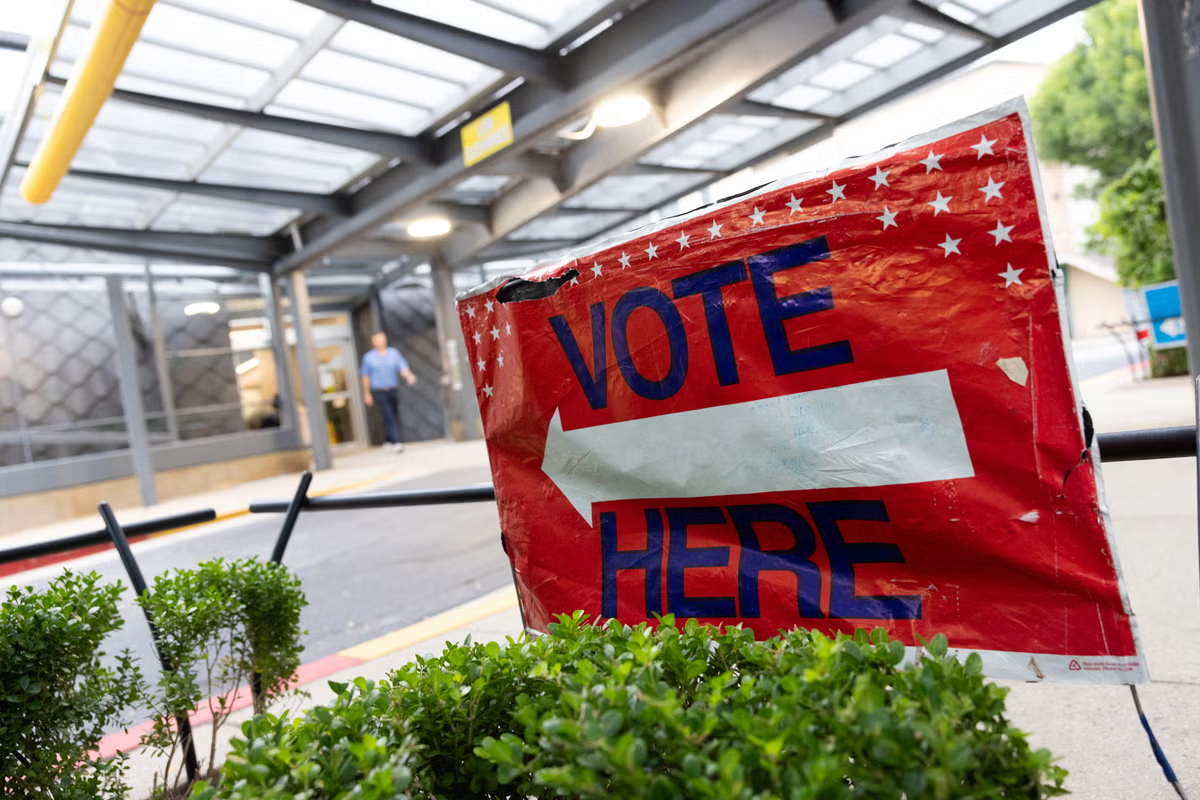
A federal judge has ruled that the Department of Justice cannot obtain the names and personal contact information for every individual who worked during the 2020 election in Georgia’s Fulton County. The decision, handed down on Tuesday, blocks a grand jury subpoena issued by the Justice Department in April.The subpoena had sought the personal details of county employees and volunteer poll workers. This request came amid persistent, unsubstantiated claims by Donald Trump of widespread voter fraud in Fulton County, a Democratic stronghold, which he alleges cost him victory in the state in 2020.Fulton County had moved to quash the subpoena, arguing it was designed to "target, harass and punish the President’s perceived political opponents" and was "grossly over broad and untethered to any reasonable need."Voters enter the Buckhead Library polling station in Atlanta for the primary runoff election on June 1 (Getty)U.S. District Judge William Ray, who was nominated to the bench by Trump, sided with the county. In his ruling, he stated, "Given the low need for the subpoenaed information and the highly burdensome nature of the disclosure of the same, the Subpoena is unreasonable and must be quashed," describing the scope of the request as "staggering."Fulton County Attorney Soo Jo welcomed the decision, saying in a statement, "We are proud of our efforts to push back against these improper demands that only serve to undermine confidence in our elections."While grand juries typically assist federal prosecutors in investigating alleged crimes, Judge Ray emphasized that this "does not give the DOJ the right to use the Grand Jury to do whatever the DOJ wants." President Donald Trump has long claimed, without evidence that widespread voter fraud occurred in Georgia’s most populous county (AFP/Getty)He noted that even if the records could identify individuals supporting the theory of an unfair 2020 election, the information could not lead to charges due to the expiration of the statute of limitations.The subpoena followed an FBI search warrant in January at the Fulton County election hub, where hundreds of boxes of ballots and other 2020 election documents were seized. In May, a federal judge denied the county’s request to return these ballots.The Justice Department had argued in a court filing that the subpoena represented the "next step in the normal investigative process" and aimed to identify "persons with relevant knowledge." FBI agents are seen at the Fulton County Election Hub and Operation Center, Wednesday, Jan. 28, 2026, in Union City, Ga, near Atlanta (AP)Kamal Ghali, a lawyer for the county, countered during a May hearing that the subpoena would "chill participation by election workers" and that the statute of limitations for any alleged misconduct had already lapsed. Justice Department lawyer William McComb maintained that the statute of limitations was irrelevant at the investigative stage, stating, "My point is, as we sit here now, we are not sure what charges can be brought. That’s the whole point of the investigation."The judge acknowledged the Justice Department’s concern about potential criminal actions in the years following the election but highlighted that the subpoena specifically sought information related to the 2020 election and its immediate aftermath.A Fulton County staff member works as people vote in a runoff election, Tuesday, June 16, 2026, in Atlanta (AP)"In these hyper-political times in which we currently live, there are sure to be some who disagree with this decision because they believe the allegations of fraud in the 2020 Election and believe that ‘light’ should be brought to those claims," Judge Ray wrote. He clarified that while other entities, including Congress or even the Justice Department, could continue investigating such allegations, the grand jury’s power, which exists "to investigate potential crimes and to bring viable indictments," cannot be used for that purpose. Otherwise, he warned, anyone in power could use the grand jury process to subpoena citizens’ personal information "with no legitimate law enforcement purpose.""Thus, everyone, whether you support the President or you do not, or whether you believe the 2020 Election was fair or believe that it was not, should be concerned about the DOJ’s ability to utilize the power of the Grand Jury to appropriate your private information without a legitimate purpose," Ray concluded. He also agreed that providing the subpoenaed information could hinder Fulton County’s ability to recruit election workers, who he stressed "should be valued and are necessary for successful elections in Fulton County going forward."
Trump-appointed judge blocks DOJ bid for Georgia election workers’ personal data
The Justice Department served a grand jury subpoena in April seeking the names and personal contact information of county employees and volunteer poll workers
725 words~3 min read