A federal judge quashed a grand jury subpoena seeking a "staggering" array of information on 2020 election workers from Atlanta's Fulton County.Show Caption
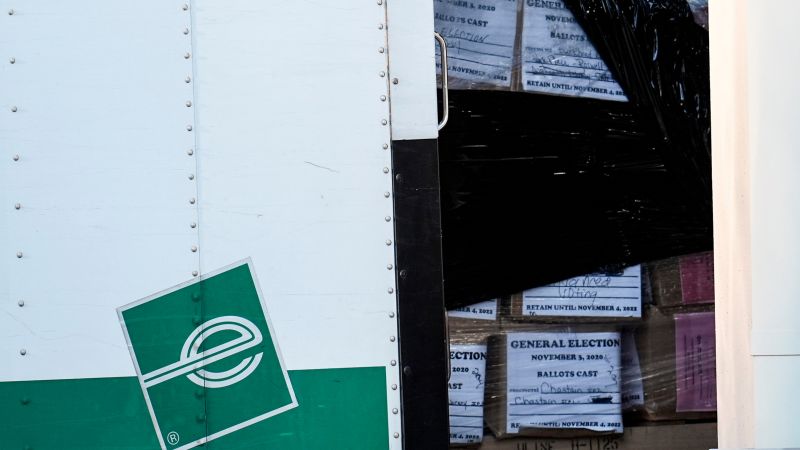
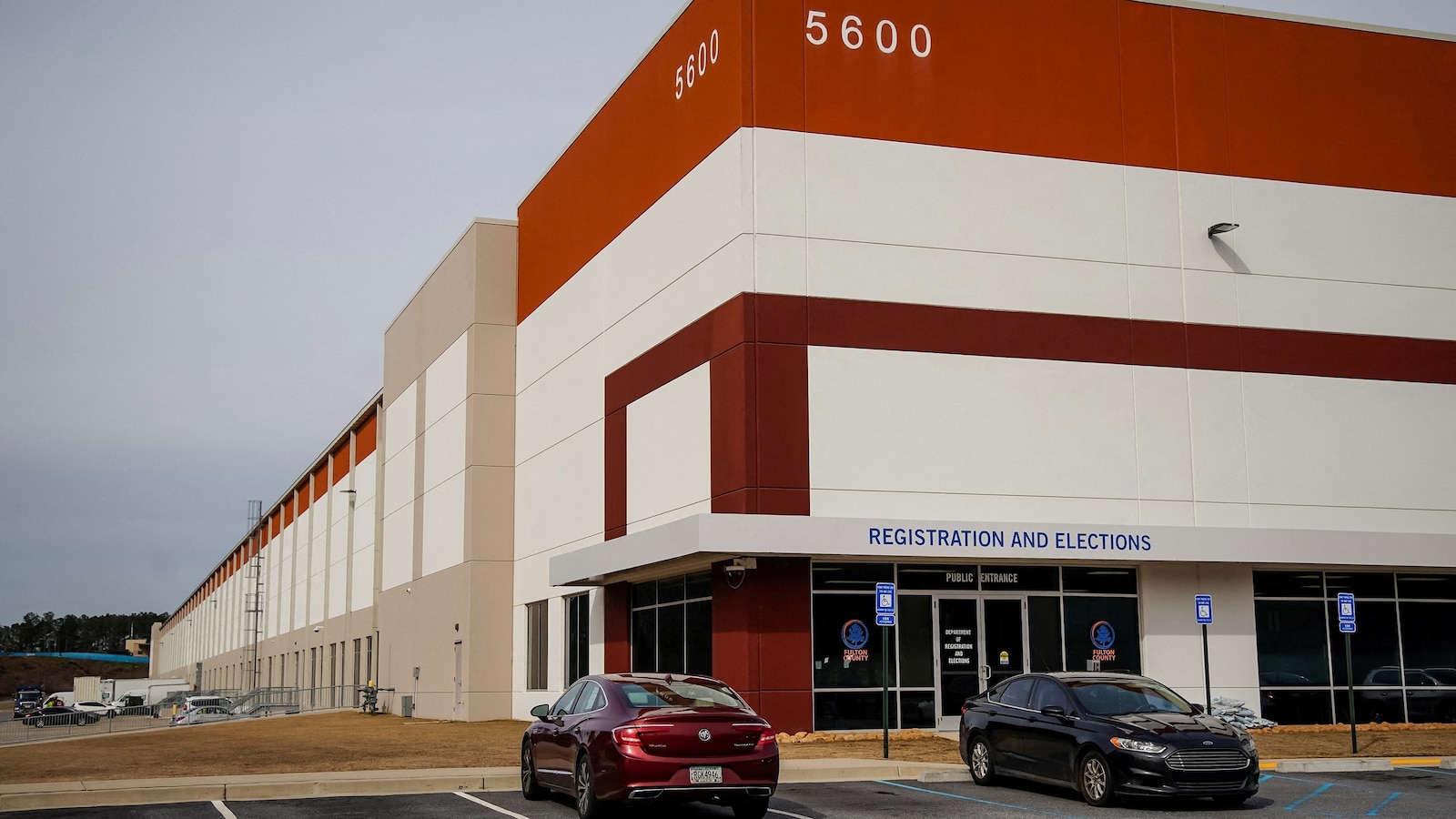
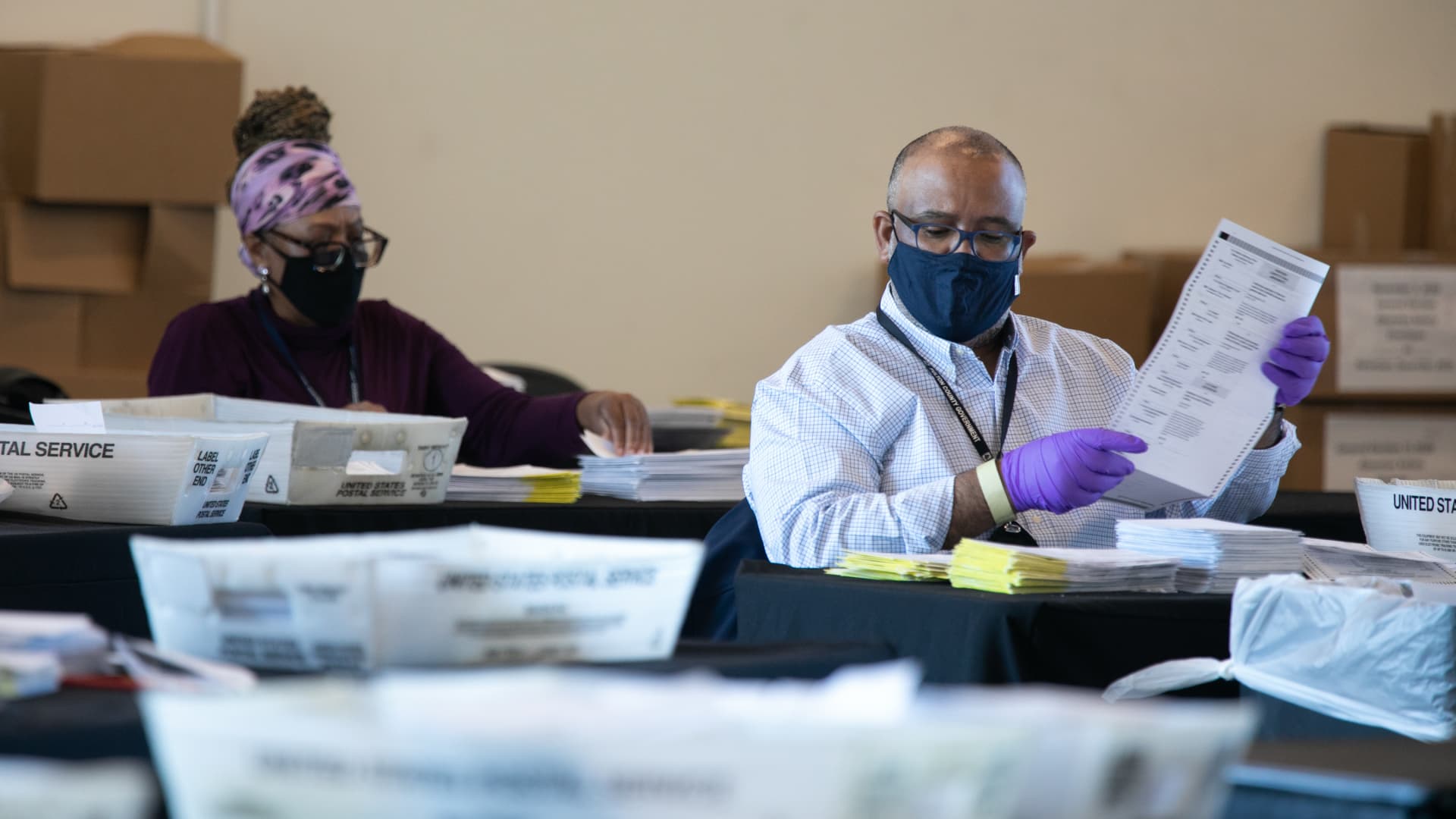
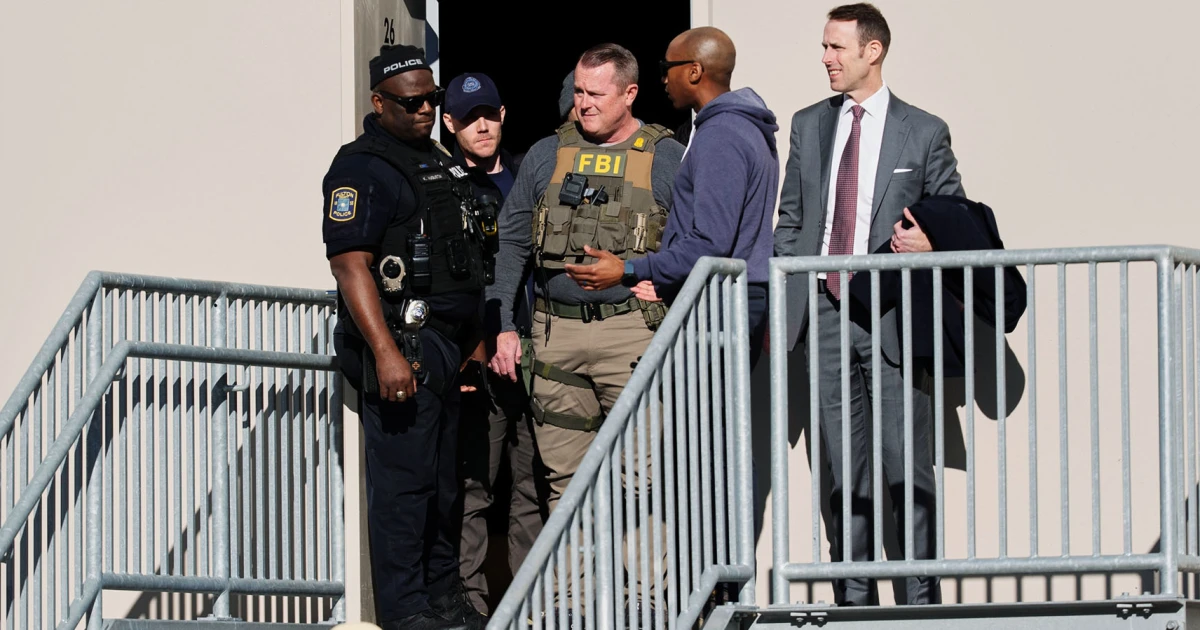
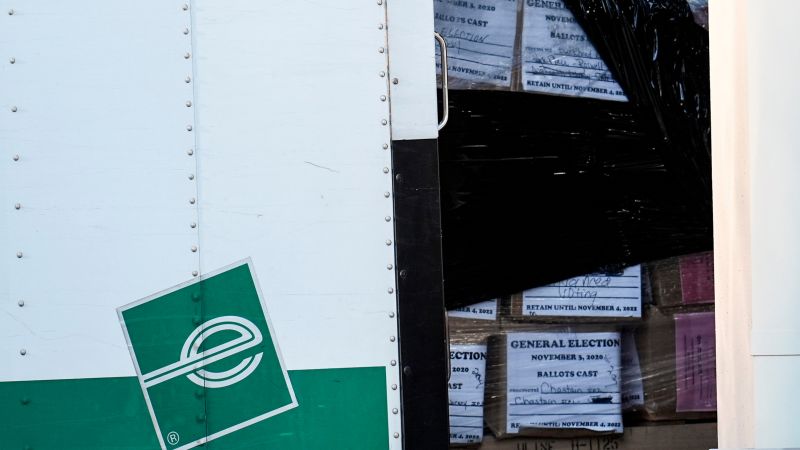
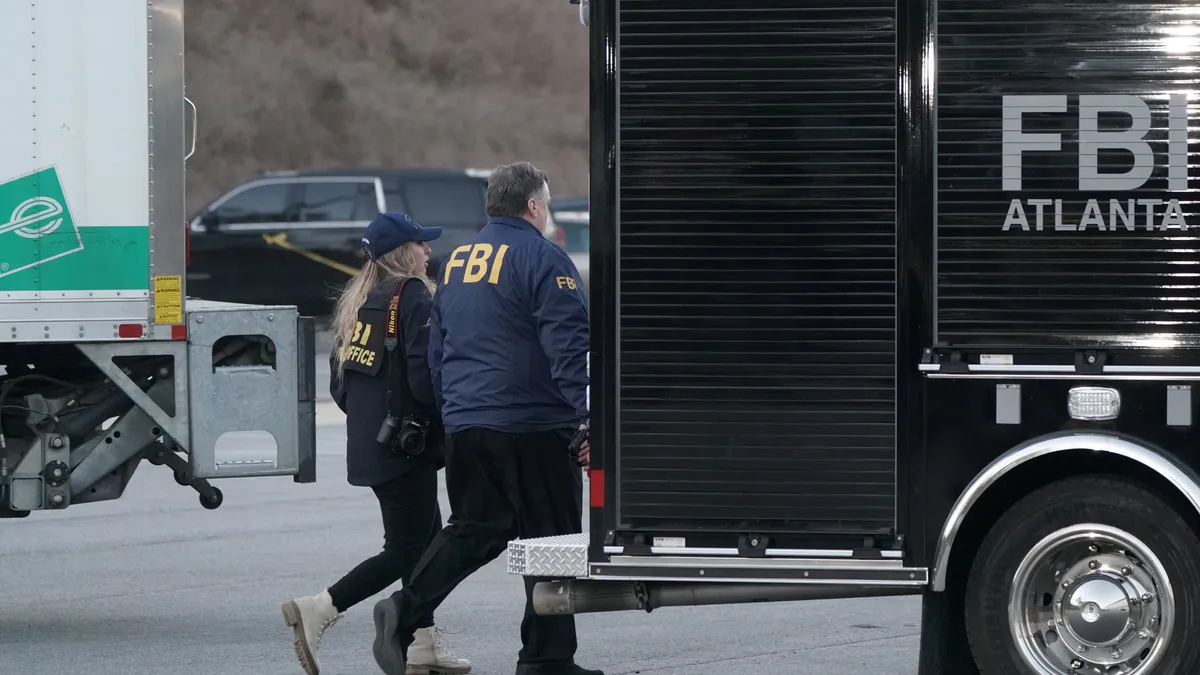
In a blow to President Donald Trump's efforts to investigate the 2020 presidential election, a federal judge quashed a grand jury subpoena July 7 seeking information on 2020 election workers from Atlanta's Fulton County."The breadth of the Grand Jury Subpoena ... is staggering," targeting personal identifying information for "thousands of employees and volunteers," wrote Judge William M. Ray II, who was appointed by Trump to the federal bench in 2018.A series of audits, recounts and court cases have failed to produce evidence that would support Trump's assertions that Joe Biden beat him through widespread fraud, but Trump has continued to promote his unsubstantiated claims.The subpoena sought names, residential and email addresses, and personal phone numbers for an array of 2020 workers and volunteers, including people who reviewed mail-in ballots, transferred results, tabulated ballots and assisted with a later audit and recount.The investigation appears to be part of a wider effort by the Justice Department under Trump to relitigate the 2020 election. In January, the FBI seized 2020 ballots and other election records from the Fulton County Elections Hub & Operations Center. A different Trump appointee, Judge J. P. Boulee, ruled in May that the bureau may keep those seized records.According to an internal memo obtained by the Associated Press, the FBI has been instructed to send 260 investigative analysts and staff operations specialists into its investigation of the 2020 election in Fulton County, which covers most of Atlanta. Those staffers have been told to each check an estimated 708 records by July 17.Although the DOJ argued to Ray that it wanted the information on workers for legitimate law enforcement activities, the judge suggested the subpoena was really about trying to substantiate Trump's debunked theories about the 2020 election. Any fraud that might be turned up in an investigation, Ray wrote, couldn't be prosecuted, because the statute of limitations – the legal deadline to bring a criminal case – has expired."Thus, an investigation of alleged criminal conduct of anyone that may have led to the certification of the 2020 Election in Georgia would not be a legitimate use of the Grand Jury and its subpoena power," Ray wrote.Ray wrote that "the statute of limitations for any possible crime arising from the 2020 Election has long expired," and that when a subpoena seeks information that's unlikely to result in a prosecutable offense because the deadline has passed, the DOJ's need for the information "is diminished."Justice Department spokesperson Kiersten Pels characterized those statements as probabilistic, rather than certain."The district court’s ruling that the probable expiration of statutes of limitations prevents the grand jury from investigating the 2020 election in Georgia is at odds with numerous holdings of the Supreme Court," the spokesperson said in a statement."Because the court’s order jeopardizes both the historic purview of the grand jury and a long-delayed assessment of 2020 election processes, the Department is considering all options to challenge" the ruling, the spokesperson added.Trump has long claimed he was the real winner of the 2020 election without proof: audits, recounts and lawsuits in key swing states, including in Georgia, failed to turn up evidence of fraud that would have altered the elections results.In quashing the subpoena, Ray noted the information at issue is so private and sensitive that private companies would probably be sued in a data breach lawsuit if they failed to protect it.The judge also wrote that disclosing so much information on the 2020 election workers would discourage people from helping with future elections."Such a large disclosure of information threatens to chill participation in future elections, which will surely impact Fulton County," he wrote.Trump and 18 other defendants were indicted in 2023 in a Georgia criminal case alleging they conspired to overturn the 2020 election results, including by replacing the presidential electors for Georgia with Trump supporters and by Trump pressuring Georgia Secretary of State Brad Raffensperger to alter the state's results.In a Jan. 2, 2021 phone call, Trump told Raffensperger "I just need 11,780 votes" in Georgia. Raffensperger defended the accuracy of the state's election results.After the lead prosecutor behind the case was disqualified due to romantic relationship she had with another prosecutor, a different prosecutor decided dropping the case would best "serve the interests of justice and promote judicial finality" in light of Trump's 2024 election victory. While some defendants had already taken plea deals, for others – including Trump – the case was dismissed.