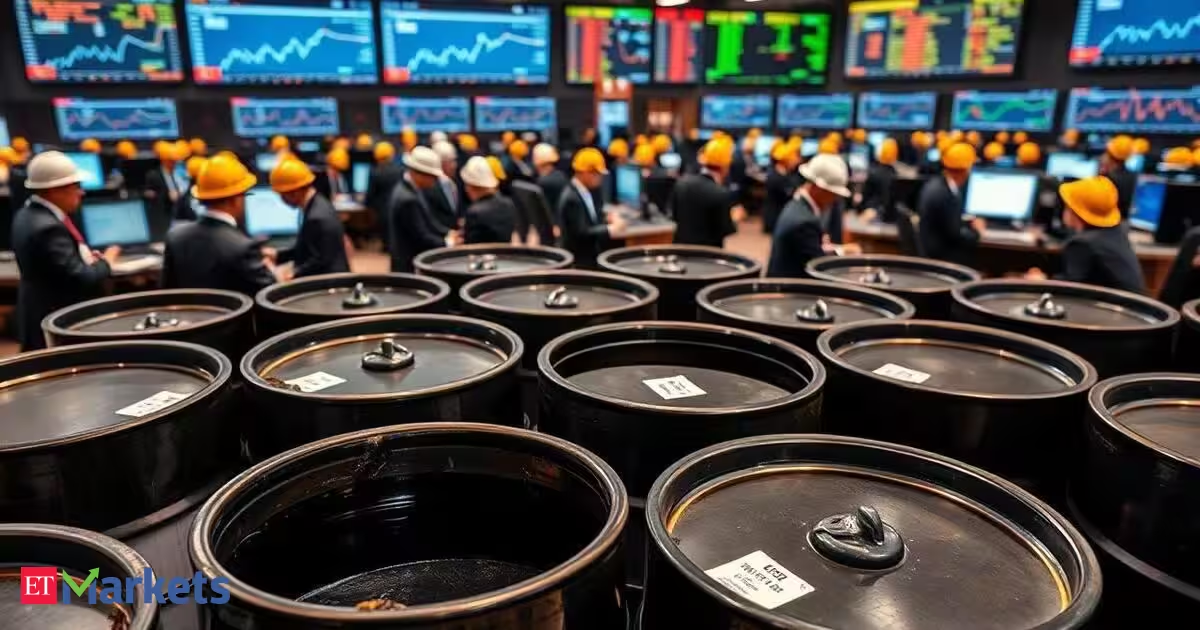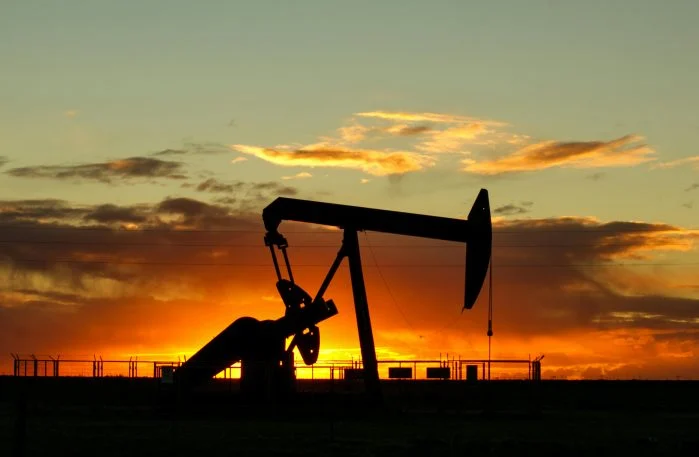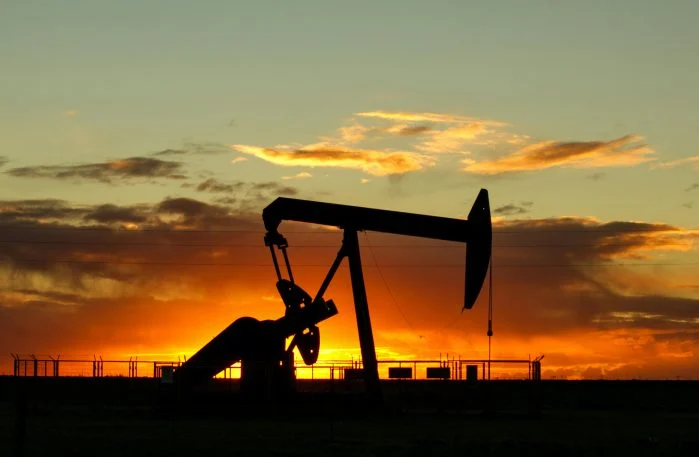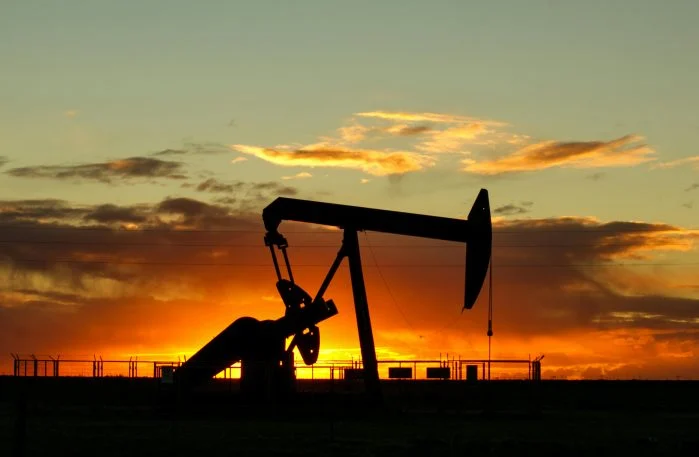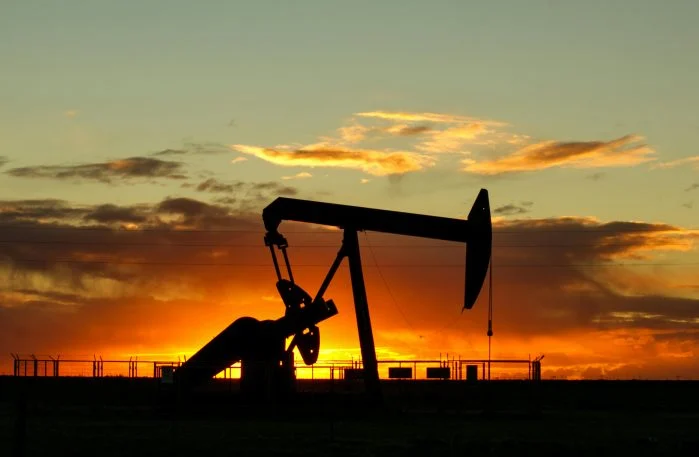
Most Gulf markets have experienced declines amid escalating hostilities in the Middle East. The tensions, involving the US, Israel, and Iran, have led to significant geopolitical disruptions, particularly affecting the Gulf Cooperation Council (GCC) equity markets such as the Dubai Index and Saudi Tadawul. The closure of the Strait of Hormuz has disrupted the flow of global oil supplies, pushing Brent crude prices above $100 per barrel. This situation is consistent with market conditions that support the possibility of crude oil reaching new all-time highs by the end of the year.
The prediction market for crude oil reaching an all-time high by September 30 currently reflects a 5.1% probability, a slight increase from the previous day. The December 31 market shows a higher probability at 10.5%, suggesting a greater likelihood of upward movement in oil prices by the end of the year. The geopolitical tensions are likely driving this sentiment, as markets anticipate further disruptions to oil supply.
As the situation in the Middle East continues to evolve, market participants are closely watching key actors such as OPEC and the International Energy Agency for potential responses. The ongoing conflict and its impact on oil prices may influence future market movements and decisions by these organizations.