Many of us have signed a document authorizing a relative or friend to sell property, claim a check, or process a transaction on our behalf. That document is usually a Power of Attorney. But not all Powers of Attorney are the same — and confusing one type for another can lead to a costly mistake.
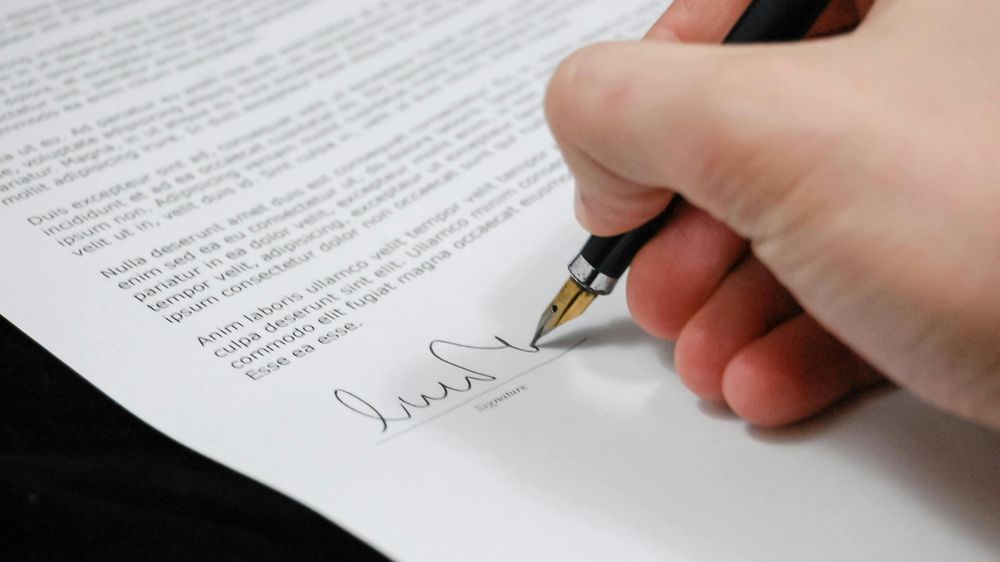
A Power of Attorney is a written instrument by which a person (the principal) authorizes another (the agent or attorney-in-fact) to act on his or her behalf. It is proof of a contract of agency, defined under Article 1868 of the Civil Code as one where a person “binds himself to render some service or to do something in representation or on behalf of another, with the consent or authority of the latter.”
When dealing with an agent who is not the owner or principal, one may require the presentation of a power of attorney issued by the principal in favor of the agent to ensure that the agent has been properly authorized to act on behalf of the principal. (Art. 1902, Civil Code)
Article continues after this advertisement
There are two kinds of powers of attorney: the General Power of Attorney (GPA) and the Special Power of Attorney (SPA).FEATURED STORIES