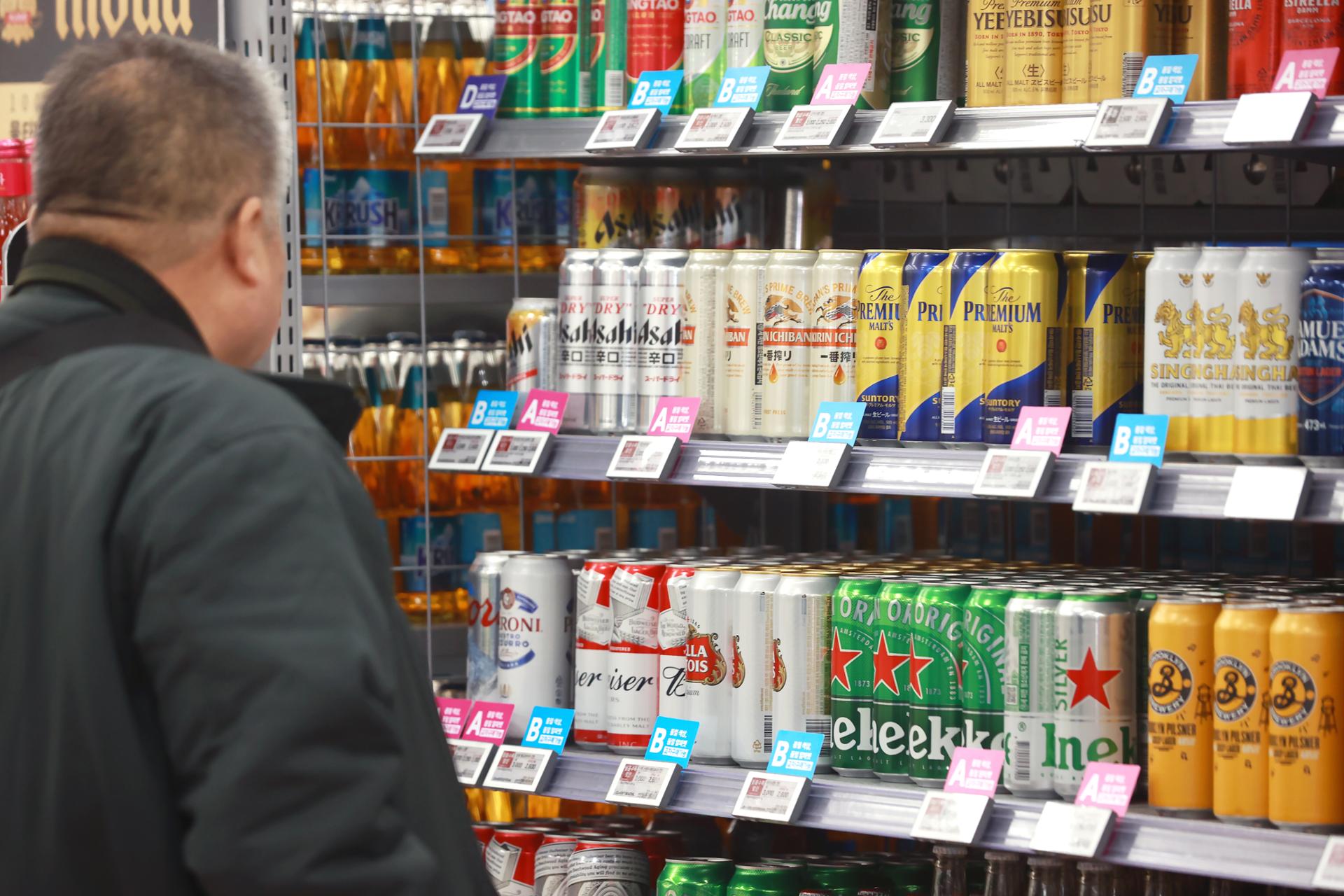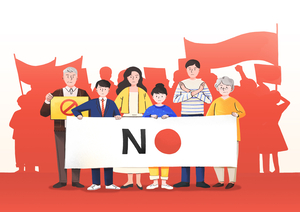
South Koreans appear to have moved on from a consumer boycott of Japanese goods sparked by a bitter bilateral dispute in 2019, with Japanese beer imports hitting a record high and younger consumers showing waning support for the campaign.South Korea imported 100,322 metric tons of Japanese beer last year, the first time annual imports have exceeded 100,000 tons, according to the Ministry of Food and Drug Safety's annual report on imported food inspections released Monday. Japanese beer is displayed at a supermarket in Seoul on May 5. (Yonhap) The figures underscore how dramatically consumer behavior has shifted since the "No Japan" boycott, which erupted in 2019 after Tokyo imposed export restrictions on key industrial materials used by South Korean manufacturers. The restrictions came after South Korea's Supreme Court ruled the previous year that Japanese companies must compensate Korean victims of wartime forced labor.Imports of Japanese beer fell about 92 percent between 2018 and 2021 as the boycott spread nationwide. Japanese fashion retailer Uniqlo and beer brands including Asahi, Sapporo and Kirin became some of the most visible targets, according to market researcher Embrain. (123rf) A survey released Wednesday suggests public sentiment toward Japanese goods has softened, particularly among younger South Koreans.More than half of respondents in their 20s, or 55.6 percent, said they no longer intended to participate in the boycott.Across all age groups, 42.7 percent said they had little intention of taking part in the boycott, up from 10.2 percent in December 2020. Meanwhile, the share of respondents who said they strongly supported the boycott fell to 8.6 percent from 41.9 percent in 2020.The survey was conducted on 1,000 adults ages 19 to 59 nationwide in May.Asked why they no longer supported the boycott, respondents most commonly cited personal choice, with 33.7 percent saying purchasing decisions should be left to individual preference. Another 28.4 percent said they had simply become less interested over time.
'No Japan' boycott fades as Japanese products regain favor
South Koreans appear to have moved on from a consumer boycott of Japanese goods sparked by a bitter bilateral dispute in 2019, with Japanese beer imports hittin
316 words~1 min read