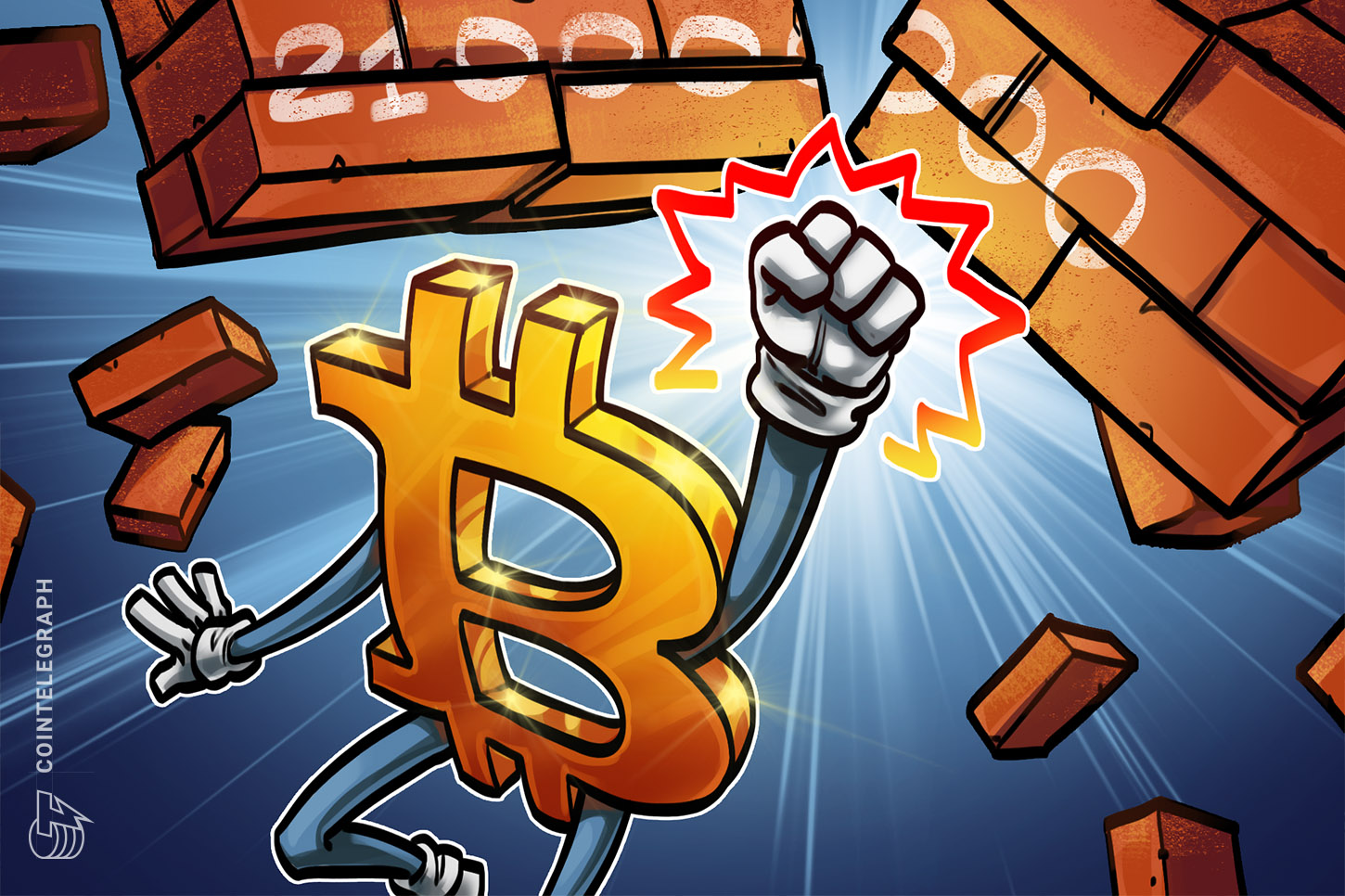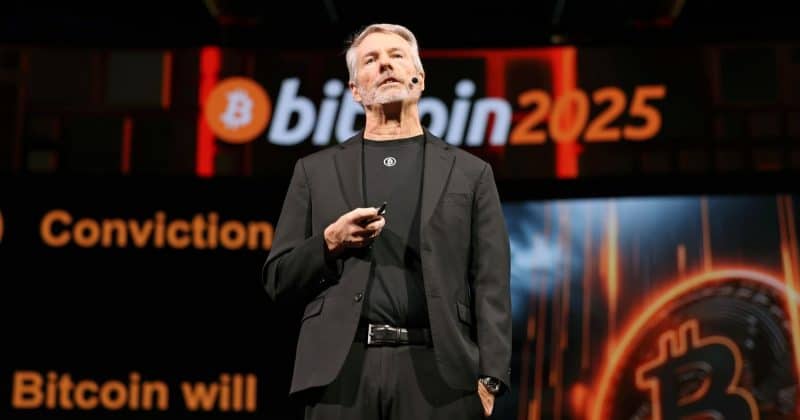
Eli Ben-Sasson, co-founder and CEO of StarkWare, has proposed scrapping Bitcoin’s sacred 21 million supply cap in favor of a maximum annual issuance rate of 4%. The idea, posted on X on July 7, is roughly as popular in Bitcoin circles as suggesting you rename the Mona Lisa.
Ben-Sasson’s argument hinges on a real and well-documented problem: Bitcoin private keys get lost. People die without passing along seed phrases. Hard drives end up in landfills. Wallets from 2011 sit untouched on forgotten laptops. The result is a steadily shrinking pool of usable Bitcoin, even as the protocol’s code marches toward its hard cap.
The case for perpetual issuance
Estimates suggest somewhere between 3 and 4 million Bitcoin are permanently inaccessible, representing roughly 15% to 20% of the total supply. That number only grows over time.
Ben-Sasson frames this as more than just a curiosity. It’s a structural threat. Bitcoin’s security model depends on miners being compensated for validating transactions. Right now, that compensation comes from two sources: block subsidies (newly minted Bitcoin) and transaction fees. The block subsidy halves roughly every four years, and eventually it drops to zero. At that point, transaction fees alone need to carry the entire weight of network security.