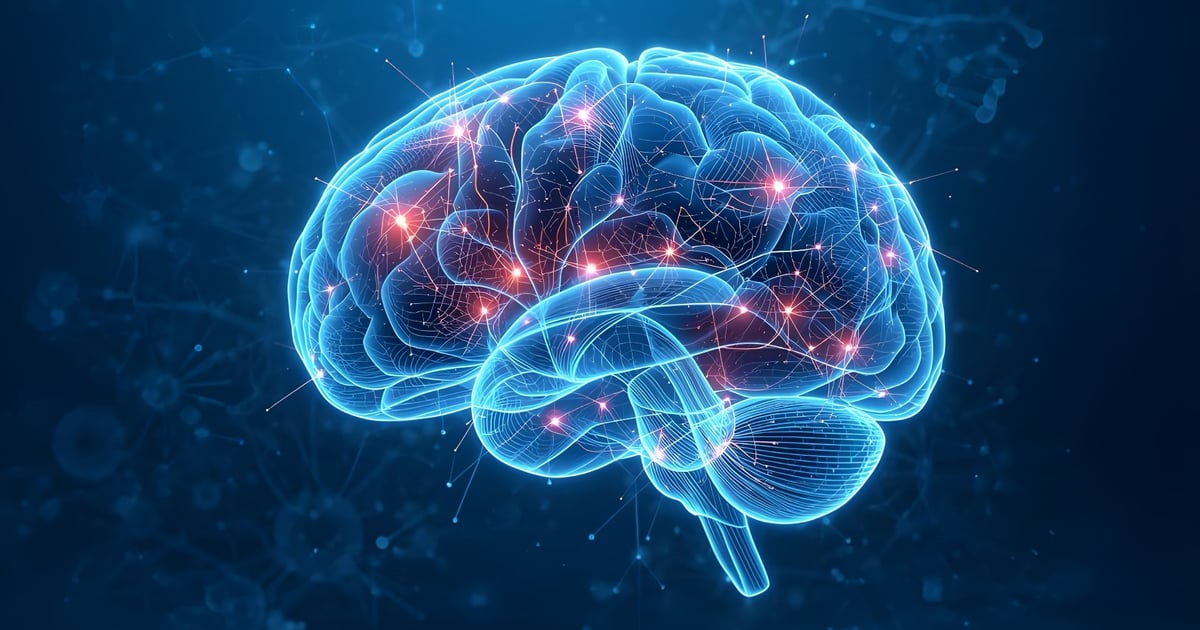
AuthorsHamid Kazemi‡, Atoosa Chegini‡†**, Maria SafiSafety alignment in language models operates through two mechanistically distinct systems: refusal neurons that gate whether harmful knowledge is expressed, and concept neurons that encode the harmful knowledge itself. By targeting a single neuron in each system, we demonstrate both directions of failure — bypassing safety on explicit harmful requests via suppression, and inducing harmful content from innocent prompts via amplification — across seven models spanning two families and 1.7B to 70B parameters, without any training or prompt engineering. Our findings suggest that safety alignment is not robustly distributed across model weights but is mediated by individual neurons that are each causally sufficient to gate refusal behavior — suppressing any one of the identified refusal neurons bypasses safety alignment across diverse harmful requests.‡ Equal contribution† University of Maryland, College Park** Work done while at AppleRelated readings and updates.Safety evaluation of multimodal foundation models often treats vision and language inputs separately, missing risks from joint interpretation where benign content becomes harmful in combination. Existing approaches also fail to distinguish clearly unsafe content from borderline cases, leading to problematic over-blocking or under-refusal of genuinely harmful content. We present Vision Language Safety Understanding (VLSU), a comprehensive…Read moreThis paper was accepted at the Principled Design for Trustworthy AI, Interpretability, Robustness, and Safety across Modalities Workshop at ICLR 2026.
A Single Neuron Is Sufficient to Bypass Safety Alignment in Large Language Models
Safety alignment in language models operates through two mechanistically distinct systems: refusal neurons that gate whether harmful…
256 words~1 min read