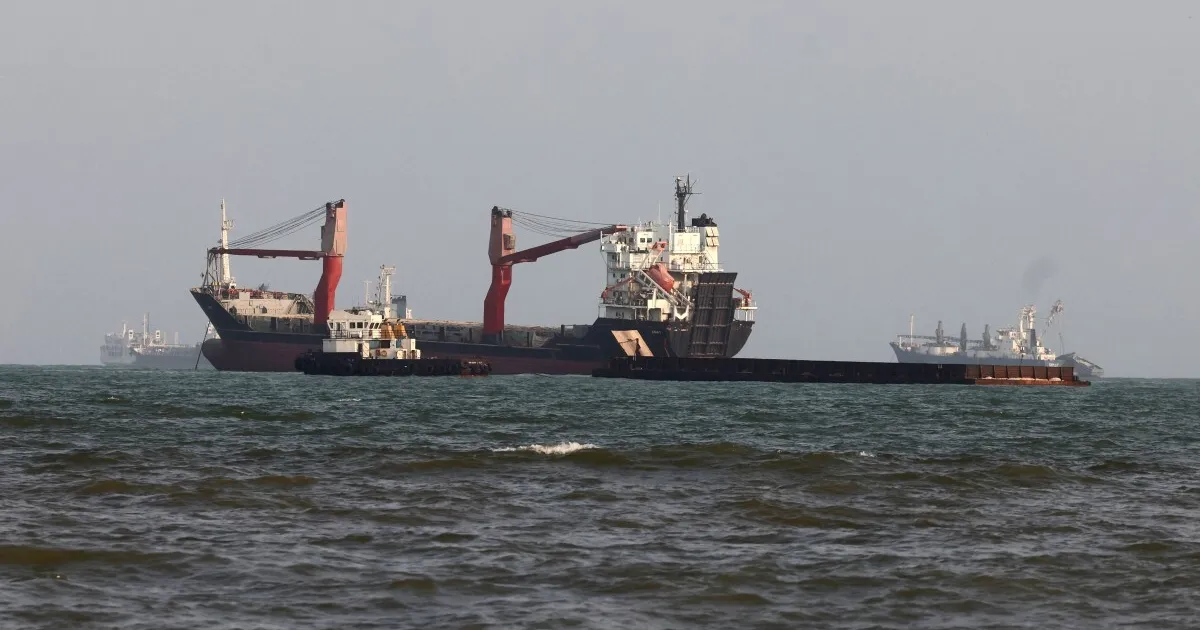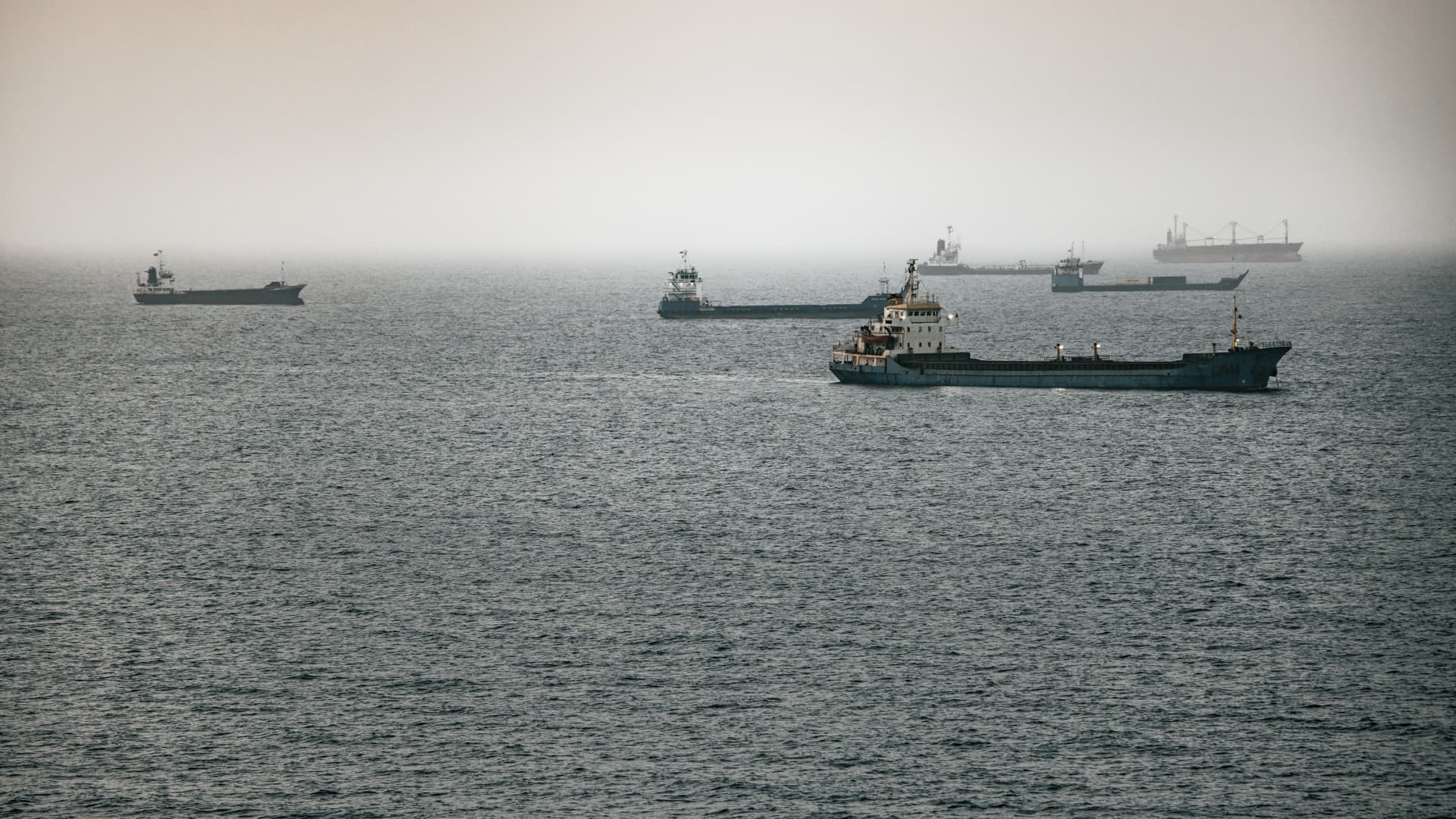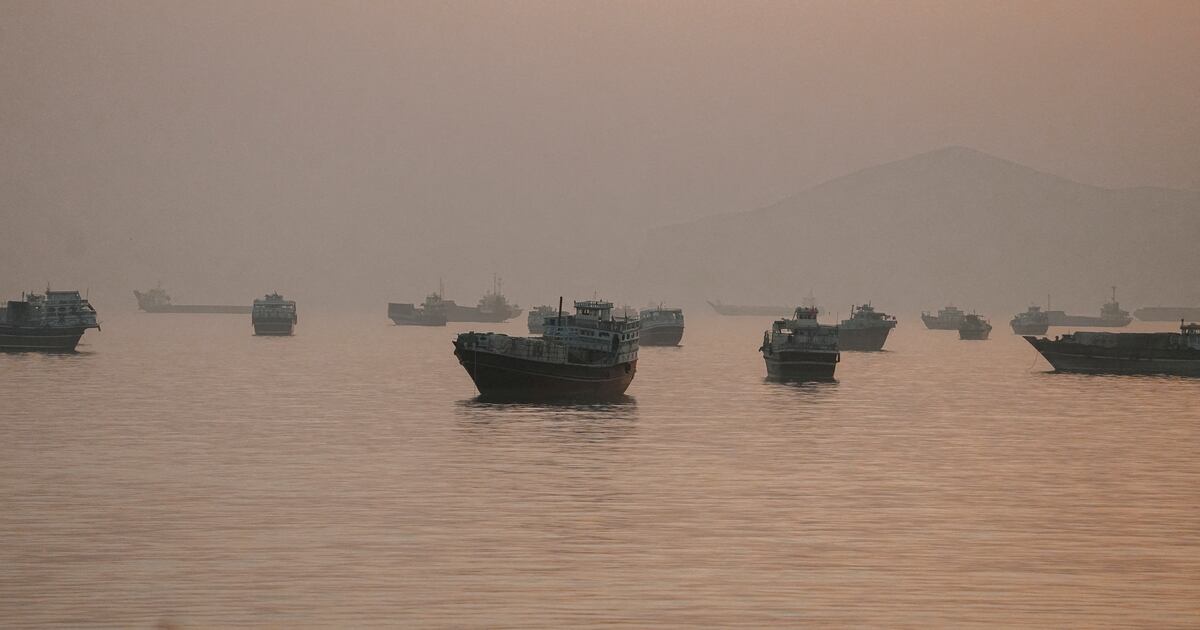
Fresh attacks on commercial ships in the Strait of Hormuz on July 7 sent oil prices climbing nearly 3%, landing Brent crude around $74-76 per barrel and reigniting fears that the world’s most important energy chokepoint is nowhere close to reopening for normal business.
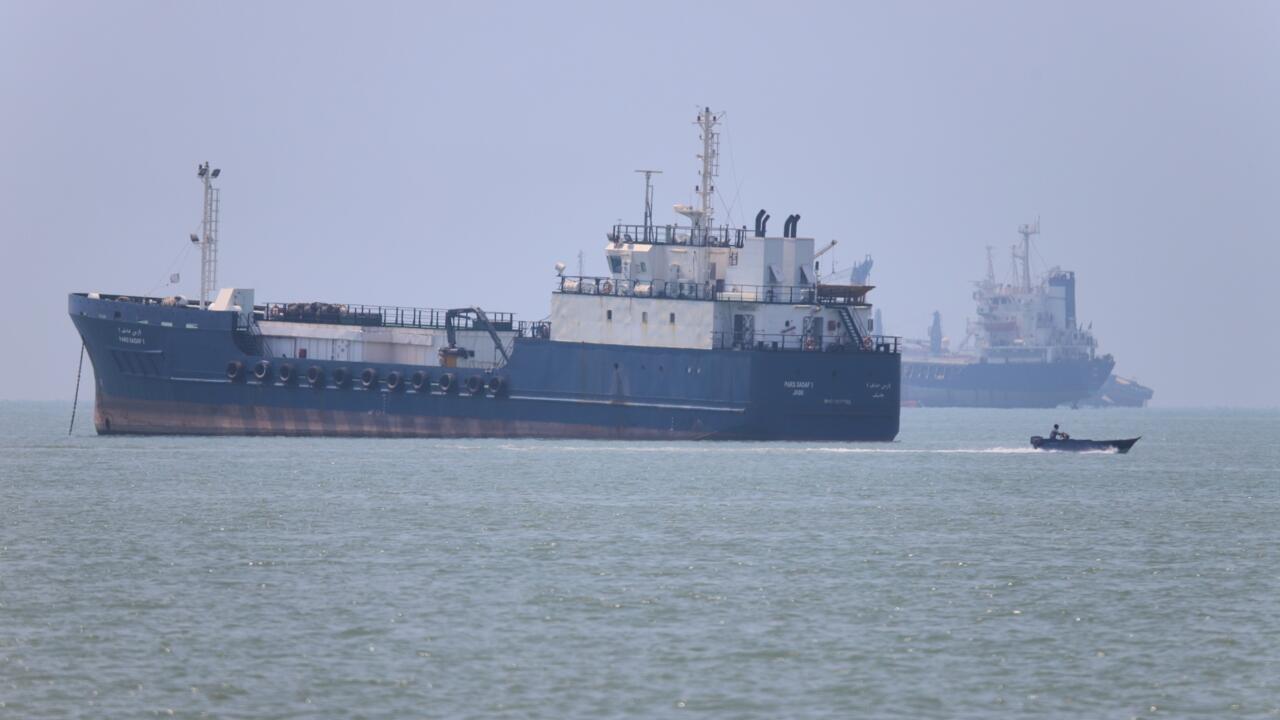
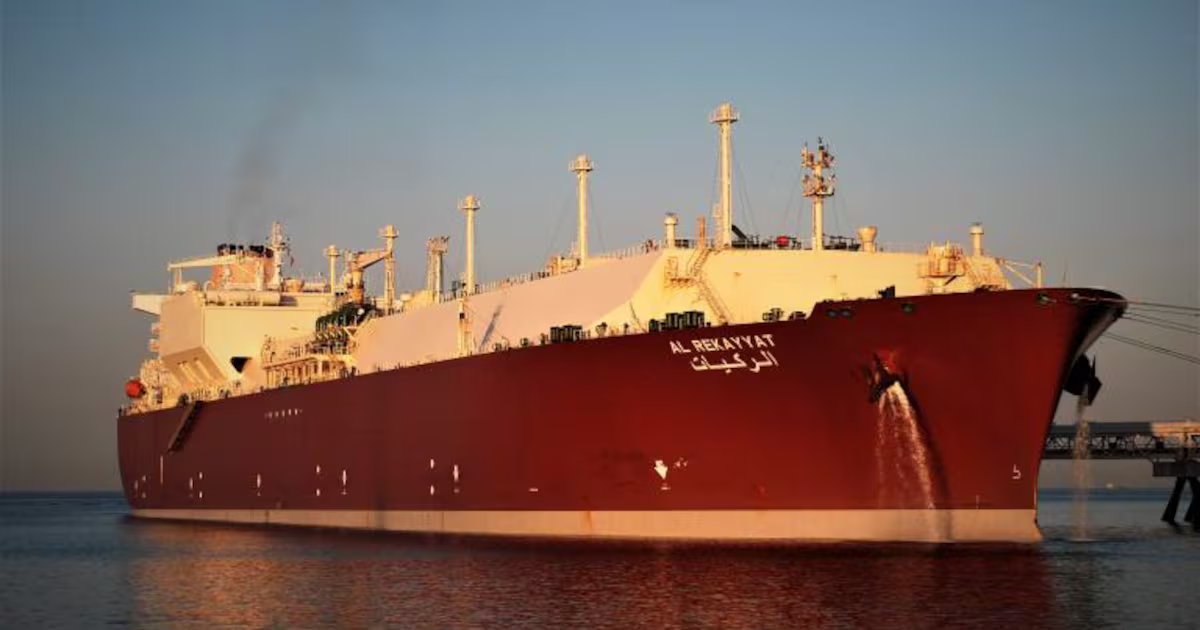
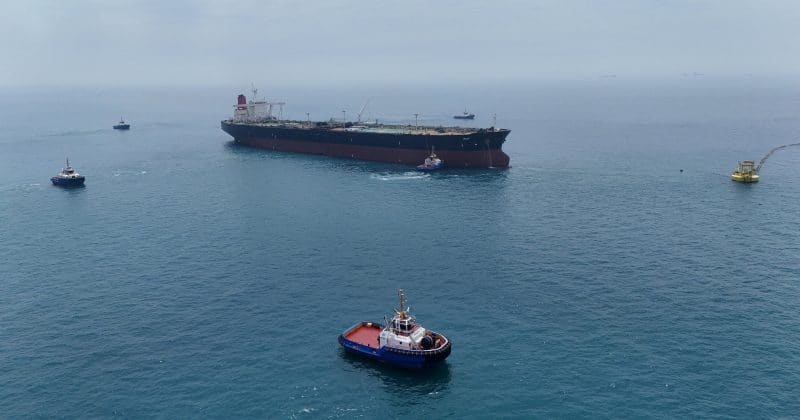
At least three vessels were struck, including the Qatari LNG tanker Al-Rekayat and the Saudi-flagged supertanker Wedyan. The attacks have been attributed to Iran’s Islamic Revolutionary Guard Corps, and intraday price swings hit as high as 5% before settling down.
The chokepoint that moves everything
The Strait of Hormuz handles roughly 20-25% of the world’s seaborne oil and LNG trade. This latest round of strikes is not an isolated incident. It’s part of a broader crisis that began on February 28, 2026, following US and Israeli strikes on Iran. Since then, Iranian forces have attacked shipping, laid mines, and issued escalating threats, creating what analysts have called the most significant energy supply shock since the 1970s.
At earlier peaks in the crisis, Brent crude soared past $100 per barrel, with some spikes reportedly reaching as high as $126. The US responded to the July 7 attacks with retaliatory military strikes against Iran and revoked a waiver that had previously allowed limited Iranian oil sales.