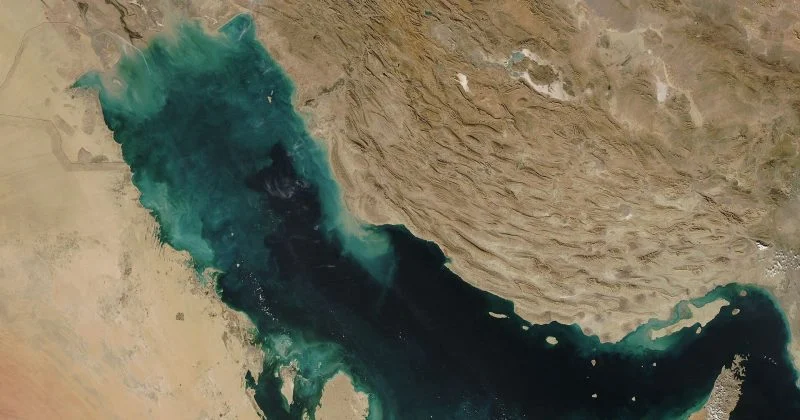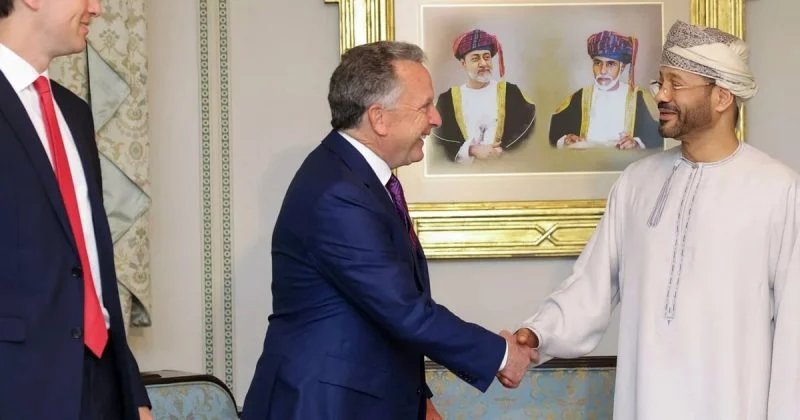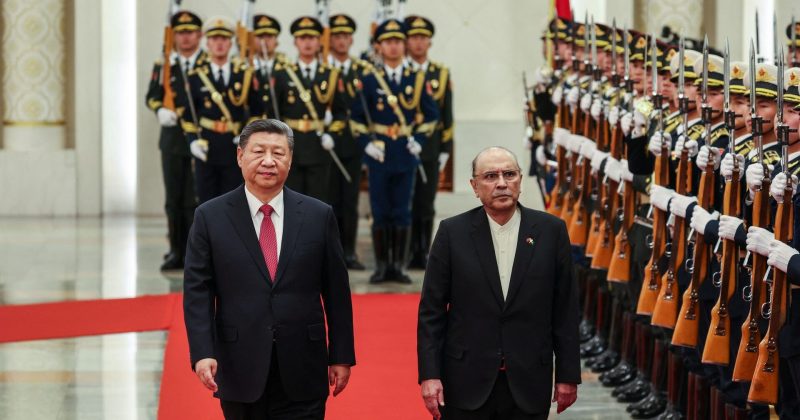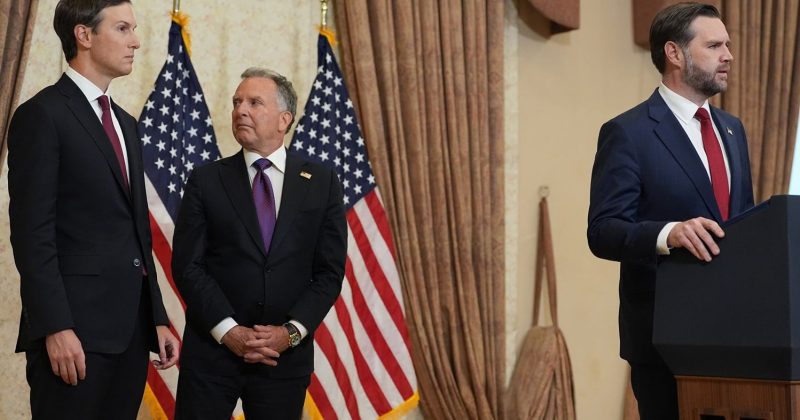
Regional allies have communicated with the United States and Iran to encourage the maintenance of the current ceasefire amid the ongoing conflict that began earlier this year. The ceasefire, initially agreed upon in April, has been extended indefinitely but continues to experience violations from both parties. The conflict, which erupted in February with U.S. and Israeli strikes on Iran, involves multiple fronts, including Lebanon where tensions persist with Hezbollah. These diplomatic messages from regional allies highlight growing concerns over potential escalations, notably in the strategically significant Strait of Hormuz, which Iran has blocked in response to U.S. actions.
Key Takeaways
Regional allies’ communications appear to be consistent with support for maintaining the current ceasefire and preventing further escalation in the U.S.-Iran conflict.
The market for a U.S.-Iran diplomatic meeting by July 31, 2026, has seen a decrease in YES pricing, currently at 57.5%, down from 72% just 24 hours prior.
Continued violations of the ceasefire and geopolitical tensions, such as those in the Strait of Hormuz, suggest complex challenges ahead for diplomatic resolutions.