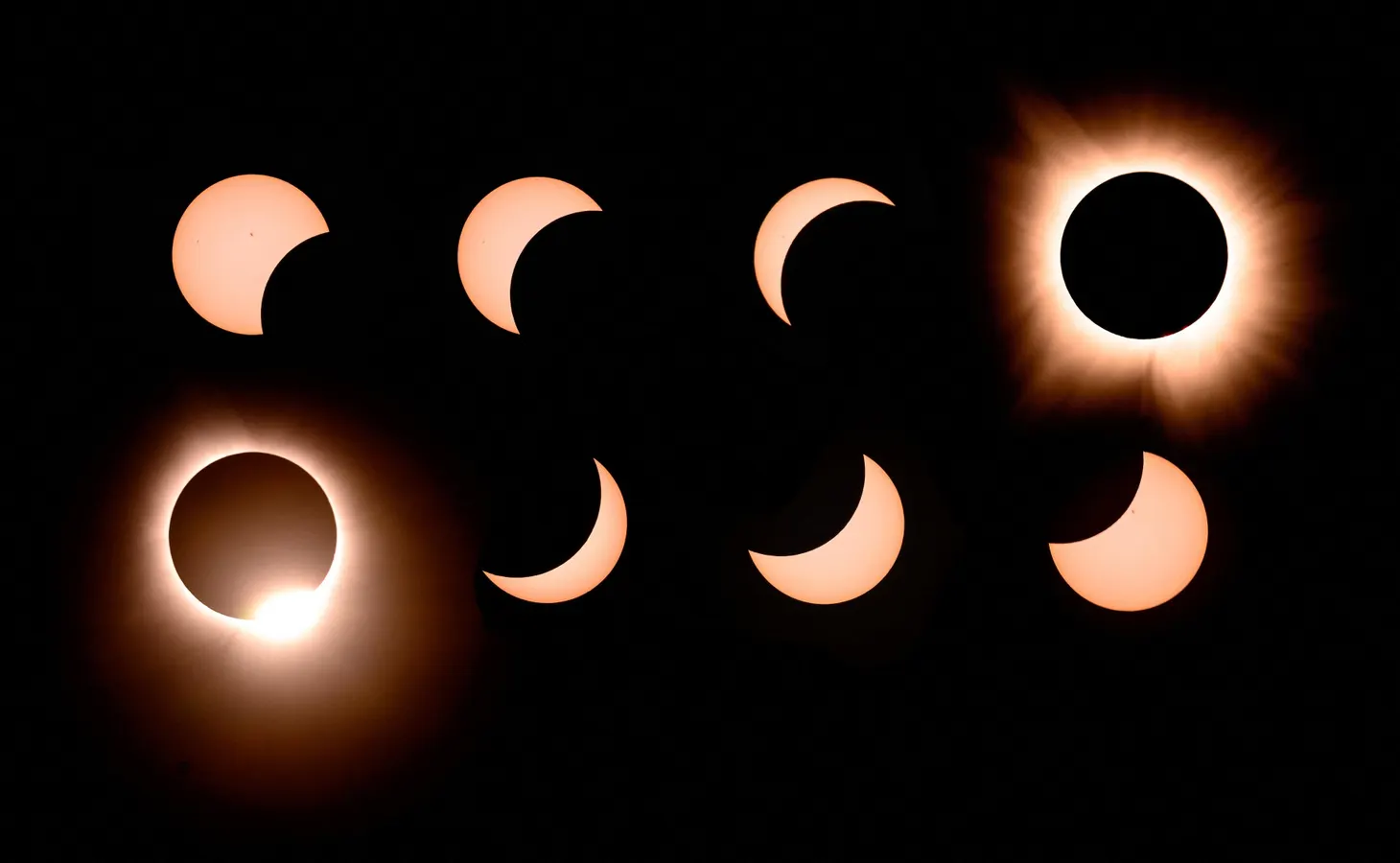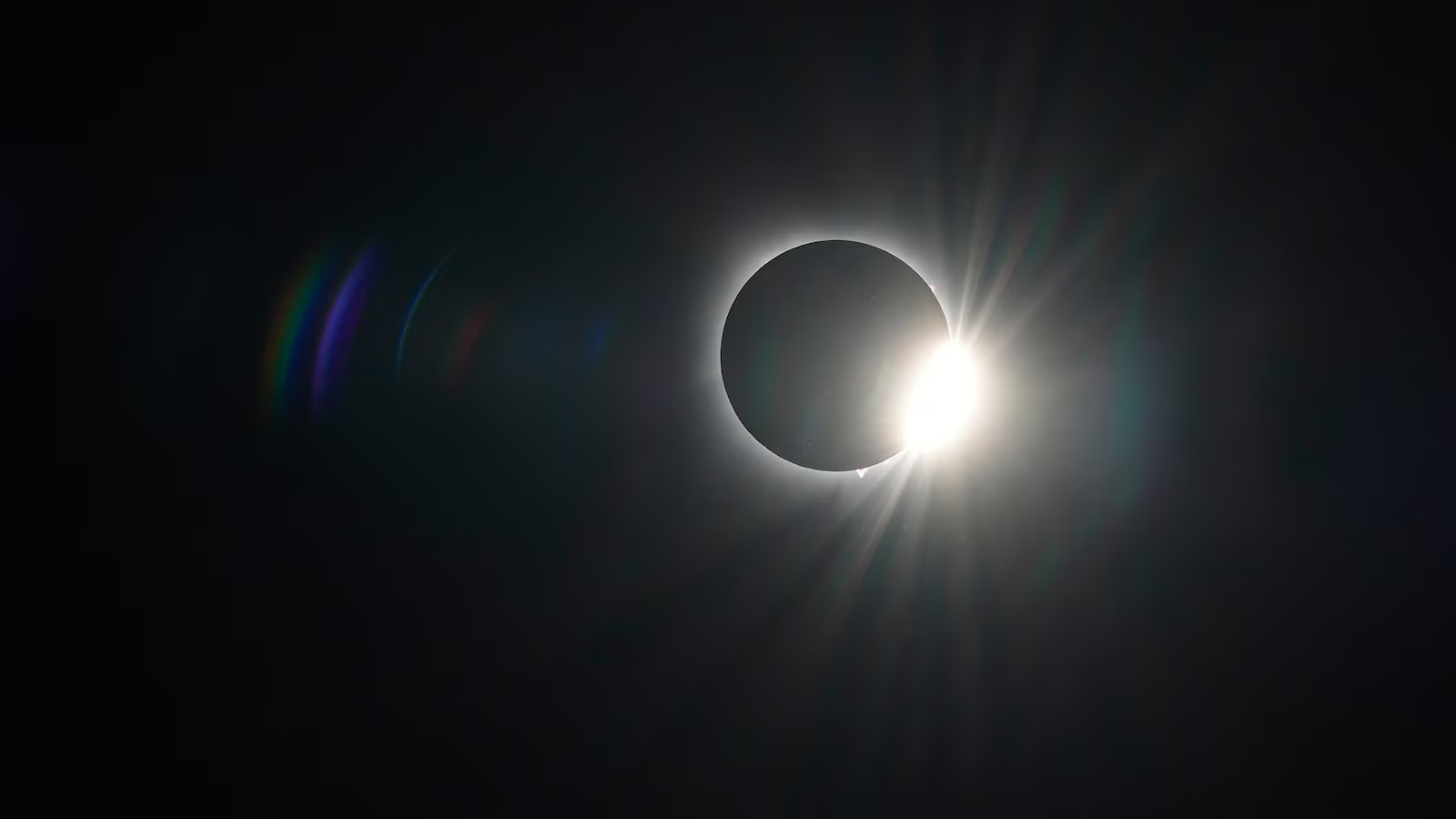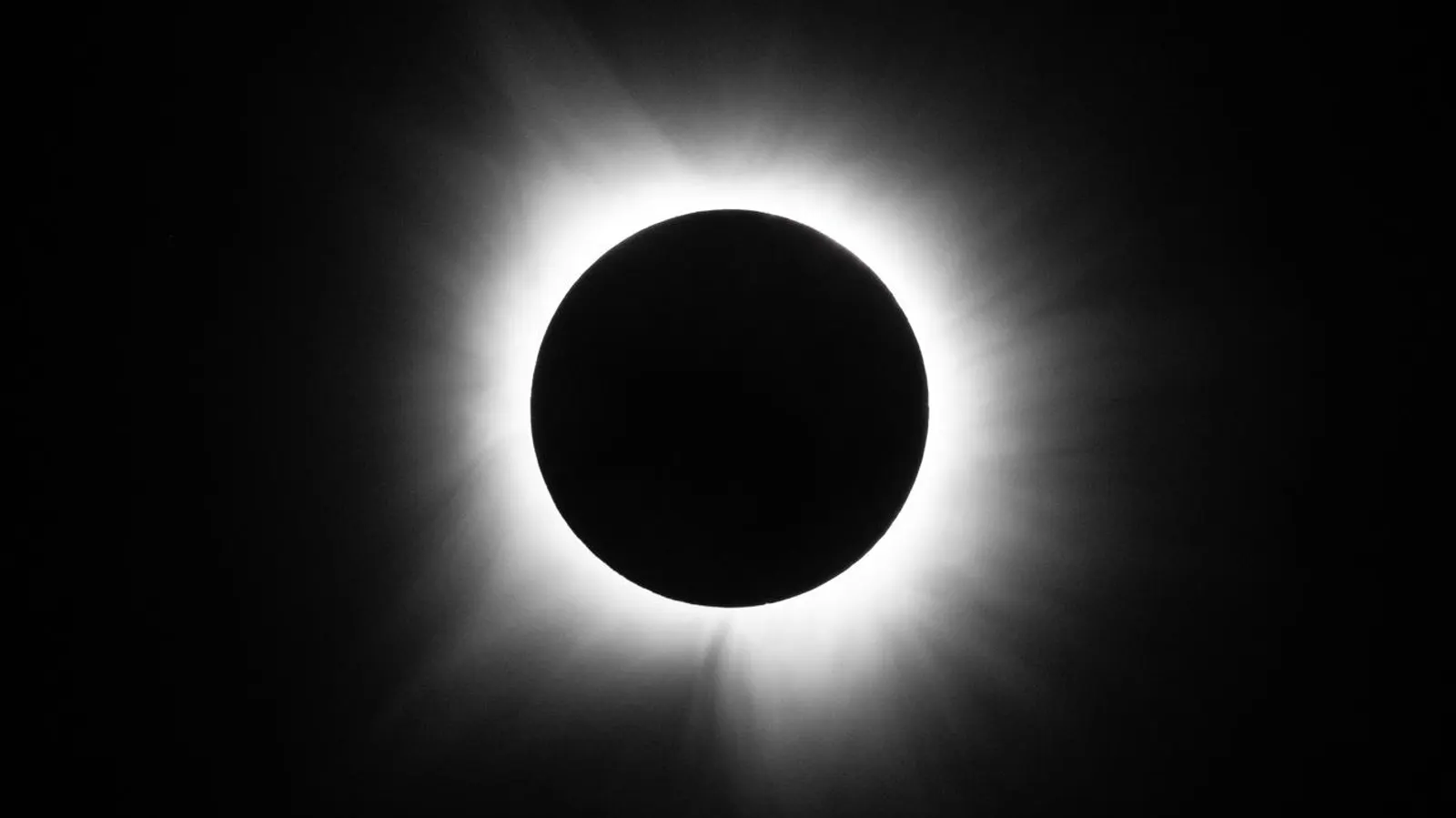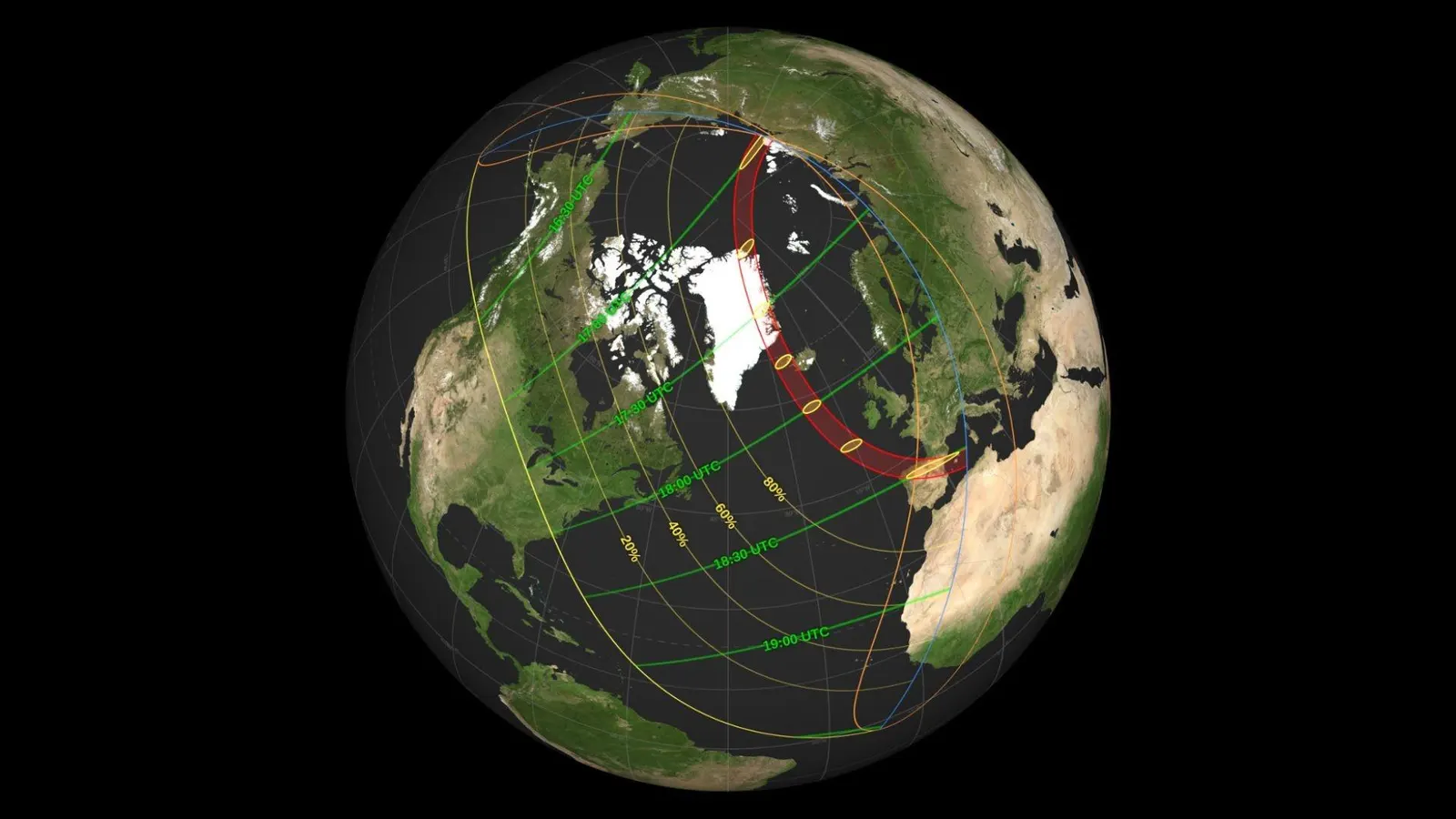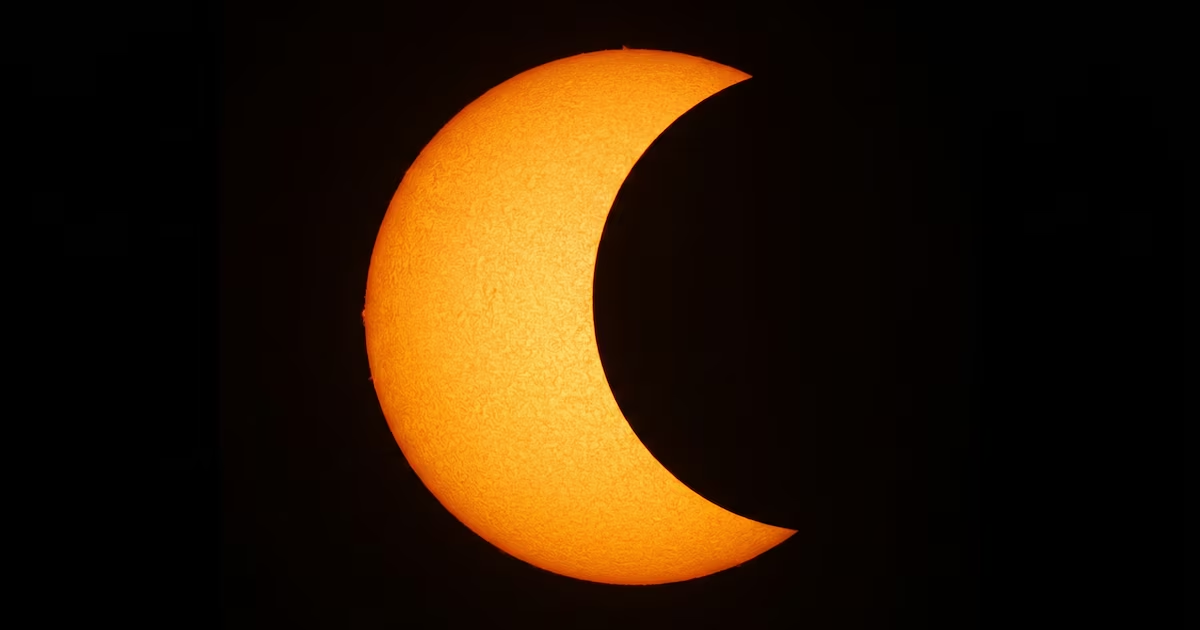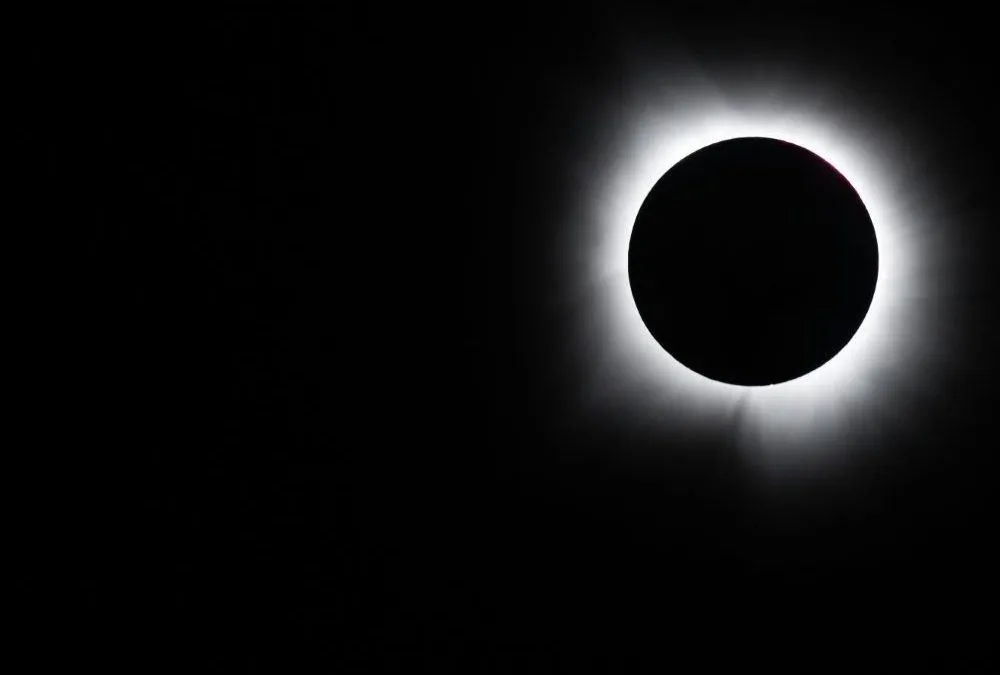
Skip to Content Subscribe Our Offers My Account Manage My Subscriptions FAQ Newsletters Canada Canadian True Crime Canadian Politics Health World Israel & Middle East Financial Post NP Comment Longreads Puzzmo Diversions Comics NP News Quiz New York Times Crossword Horoscopes Life Eating & Drinking Style Sponsored Play for Ontario Travel Travel Canada Travel USA Travel International Cruises Travel Essentials Culture Books Celebrity Movies Music Theatre Television Business Essentials Advice Lives Told Tails Told Shopping Buy Canadian Home Living Outdoor Living Kitchen & Dining Tech Style & Beauty Personal Care Entertainment & Hobbies Gift Guide Travel Guide Amazon Prime Day Deals Savings National Post Store More Sports Hockey Baseball Basketball Football Soccer Golf Tennis Driving Vehicle Research Reviews News Gear Guide Obituaries Place an Obituary Place an In Memoriam Classifieds Place an Ad Celebrations Working Business Ads Archives Healthing Epaper Manage Print Subscription Profile Settings My Subscriptions Saved Articles My Offers Newsletters Customer Service FAQ Newsletters Canada World Financial Post NP Comment Longreads Puzzmo Diversions Life Shopping Epaper Manage Print Subscription HomeNewsCanadaWorldWhat to know about the August total solar eclipse that will only be a partial event in CanadaThe 'path of totality' will begin in a remote area of Northern Russia and before crossing over Greenland, Iceland, Spain and the northeastern tip of PortugalAuthor of the article: You can save this article by registering for free here. Or sign-in if you have an account.A total solar eclipse in mid-August will be visible to people in Northern Russia, Greenland, Iceland, Spain and Portugal's northeastern tip. Photo by Brandon Bell /GETTY IMAGES NORTH AMERICA/AFP/FileDay will briefly turn into night across a swathe of northern Spain on August 12, when the Moon will completely cover the Sun during a rare total solar eclipse.Enjoy the latest local, national and international news.Exclusive articles by Conrad Black, Barbara Kay and others. Plus, special edition NP Platformed and First Reading newsletters and virtual events.Unlimited online access to National Post.National Post ePaper, an electronic replica of the print edition to view on any device, share and comment on.Daily puzzles including the New York Times Crossword.Support local journalism.Enjoy the latest local, national and international news.Exclusive articles by Conrad Black, Barbara Kay and others. Plus, special edition NP Platformed and First Reading newsletters and virtual events.Unlimited online access to National Post.National Post ePaper, an electronic replica of the print edition to view on any device, share and comment on.Daily puzzles including the New York Times Crossword.Support local journalism.Create an account or sign in to continue with your reading experience.Access articles from across Canada with one account.Share your thoughts and join the conversation in the comments.Enjoy additional articles per month.Get email updates from your favourite authors.Create an account or sign in to continue with your reading experience.Access articles from across Canada with one accountShare your thoughts and join the conversation in the commentsEnjoy additional articles per monthGet email updates from your favourite authorsSign In or Create an AccountorHere is what you need to know about the total eclipse, which is the first visible in mainland Europe since 2006.What is an eclipse?Eclipses happen when the Moon passes directly between the Sun and Earth, casting a narrow band of shadow across our planet. Partial eclipses will also be visible in most of Europe, Canada, the northern US and northwest Africa. (Sanka Vidanagama/AFP/File) Photo by Sanka Vidanagama /AFP/FileIt creates a strange twilight during which temperatures drop, shadows appear at strange angles and some animals go to sleep.Get a dash of perspective along with the trending news of the day in a very readable format.By signing up you consent to receive the above newsletter from Postmedia Network Inc.A welcome email is on its way. If you don't see it, please check your junk folder.The next issue of NP Posted will soon be in your inbox.We encountered an issue signing you up. Please try againThese odd phenomena convinced ancient cultures that eclipses were signs of the apocalypse — or messages from the gods.However, it is really the result of a “cosmic coincidence,” according to NASA.“Even though the Sun is about 400 times bigger than the Moon, it is also about 400 times farther away,” the US space agency says.This means that for people standing in the right spot, the Moon totally covers the Sun — revealing its outer atmosphere called the corona.Where can it be seen?On August 12, a remote region of northern Russia will be the first to see the total eclipse. Eclipses happen when the Moon passes directly between the Sun and Earth, casting a narrow band of shadow across our planet. (BRUCE BENNETT/GETTY IMAGES NORTH AMERICA/AFP/File) Photo by BRUCE BENNETT /GETTY IMAGES NORTH AMERICA/AFP/FileThe “path of totality”, as it is known, will then cross over Greenland, Iceland, Spain and the northeastern tip of Portugal.In Spain, it will roughly move from the northern city of Oviedo to the island of Mallorca.How long will it last?For observers in Spain, the total eclipse will last under two minutes just before sunset.The northern city of Burgos, for example, will be plunged into darkness for exactly one minute and 48 seconds. On August 2, 2027 a total solar eclipse will cross southern Spain, northern Africa and the Arabian Peninsula. (Johan NILSSON/TT News Agency/AFP/File) Photo by Johan NILSSON /TT News Agency/AFP/FileIt will last slightly longer in parts of Russia and Greenland, though still under two-and-a-half minutes.However, partial eclipses — which occur as the Moon starts and finishes crossing the Sun — will last around one hour and 45 minutes.Partial eclipses will also be visible in most of Europe, Canada, the northern United States and northwest Africa.How rare is it?One or two solar eclipses occur roughly every year. However, the small band of totality means that the same area may wait 400 years before seeing another one. To see a solar eclipse, wear specifically designed glasses that meet the standard ISO 12312-2:2015. (Jaime REINA/AFP/File) Photo by Jaime REINA /AFP/FileOn August 2, 2027, a total solar eclipse will cross southern Spain, northern Africa and the Arabian Peninsula.Some media have dubbed it the “eclipse of the century” because its totality will last six minutes and 23 seconds, the longest of the 21st century.Spain will be treated yet again on January 26, 2028, when an annular — or “ring of fire” — eclipse will cross southern areas.Do you need protection?Yes. It is important not to look directly at the Sun during an eclipse — it can cause serious eye damage. It is important not to look directly at a solar eclipse. (NICHOLAS KAMM/AFP/File) Photo by NICHOLAS KAMM /AFP/FileExperts recommend specifically designed eclipse glasses which filter UV rays that meet the standard ISO 12312-2:2015.There are no pain receptors in eyes to warn the brain they are being injured, so problems only appear later.Following a total solar eclipse in the United States in 2024, the rate of people googling “my eyes hurt” surged, research has shown.Our website is the place for the latest breaking news, exclusive scoops, longreads and provocative commentary. Please bookmark nationalpost.com and sign up for our daily newsletter, Posted, here. Join the Conversation This website uses cookies to personalize your content (including ads), and allows us to analyze our traffic. Read more about cookies here. By continuing to use our site, you agree to our Terms of Use and Privacy Policy.
What to know about the August total solar eclipse that will only be a partial event in Canada
A total solar eclipse in mid-August will be visible to people in Northern Russia, Greenland, Iceland, Spain and Portugal's northeastern tip.
1,209 words~5 min read