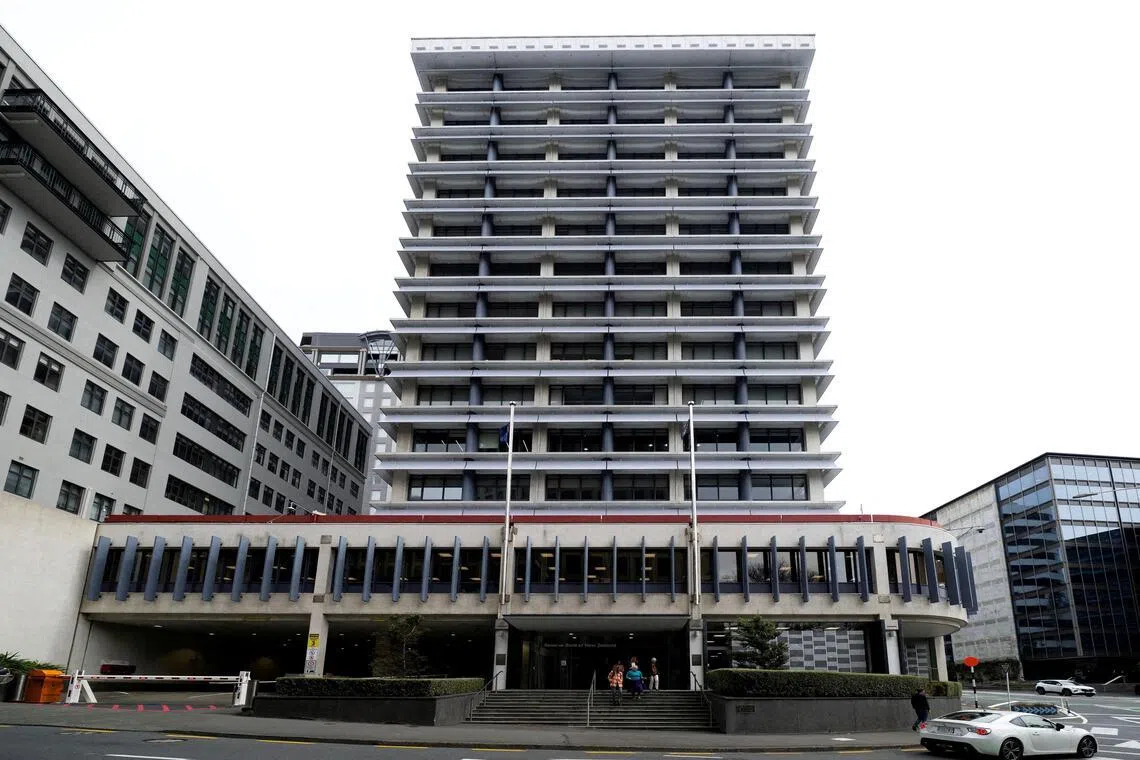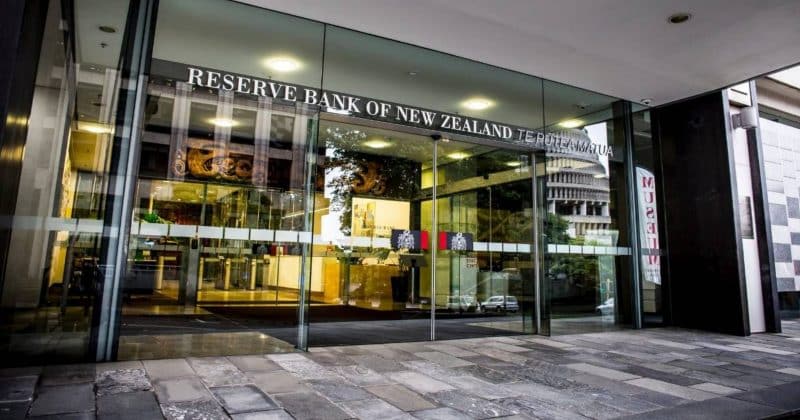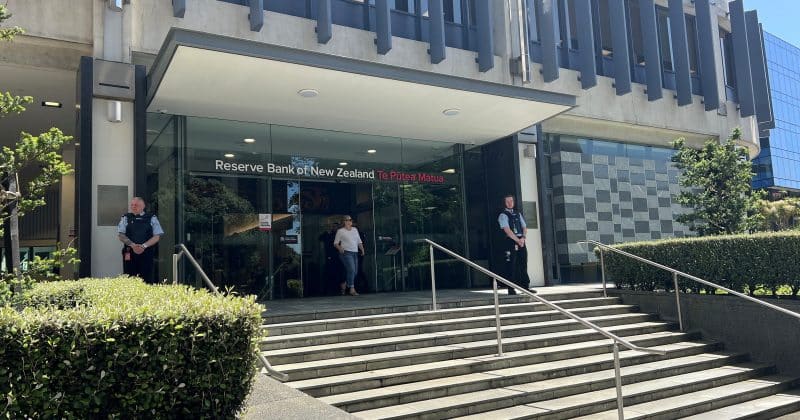
New Zealand’s central bank just hit the brakes on its easing cycle and slammed the car into reverse. The Reserve Bank of New Zealand raised its Official Cash Rate by 25 basis points to 2.5% on July 8, marking the first rate hike in three years.
The culprit is familiar: inflation that won’t stay down. Geopolitical tensions in the Middle East have pushed energy and input costs higher, forcing the RBNZ’s hand even as the global economy navigates an already fragile recovery.
A split committee, a decisive governor
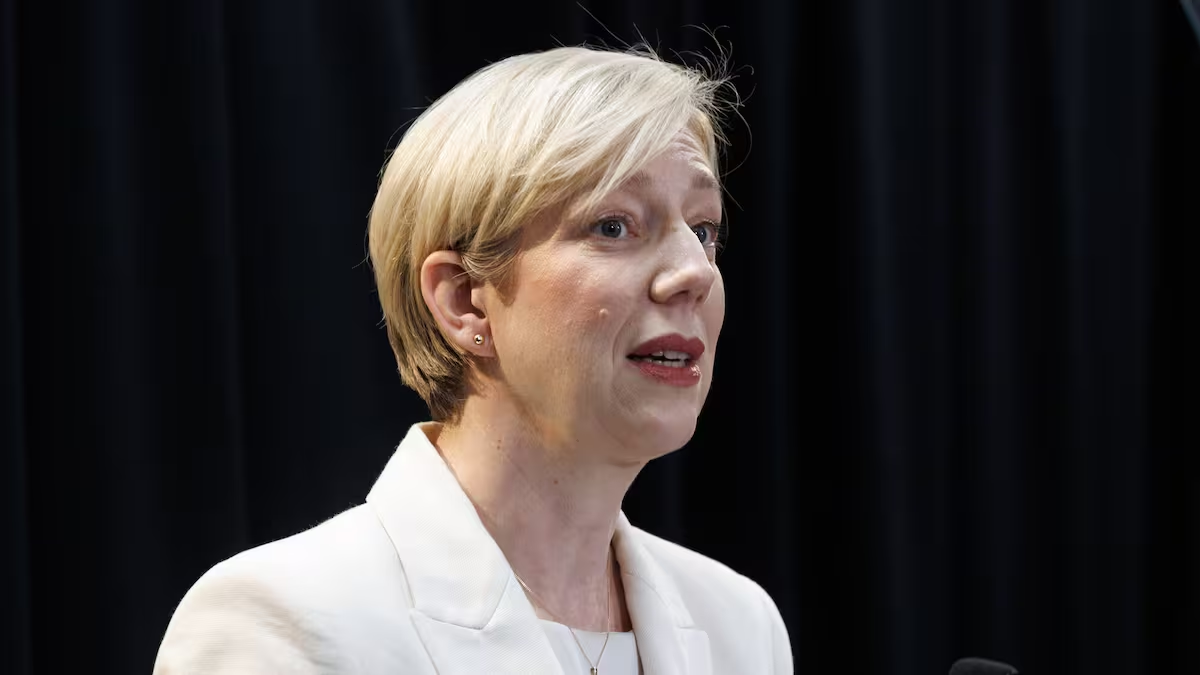
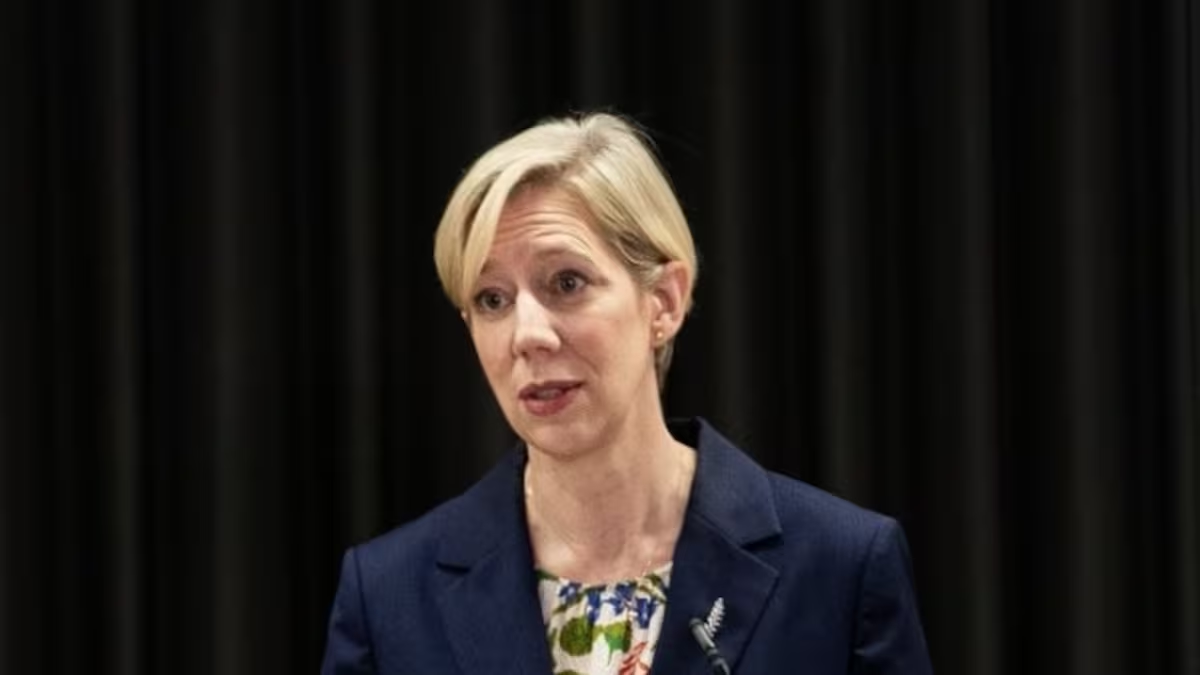
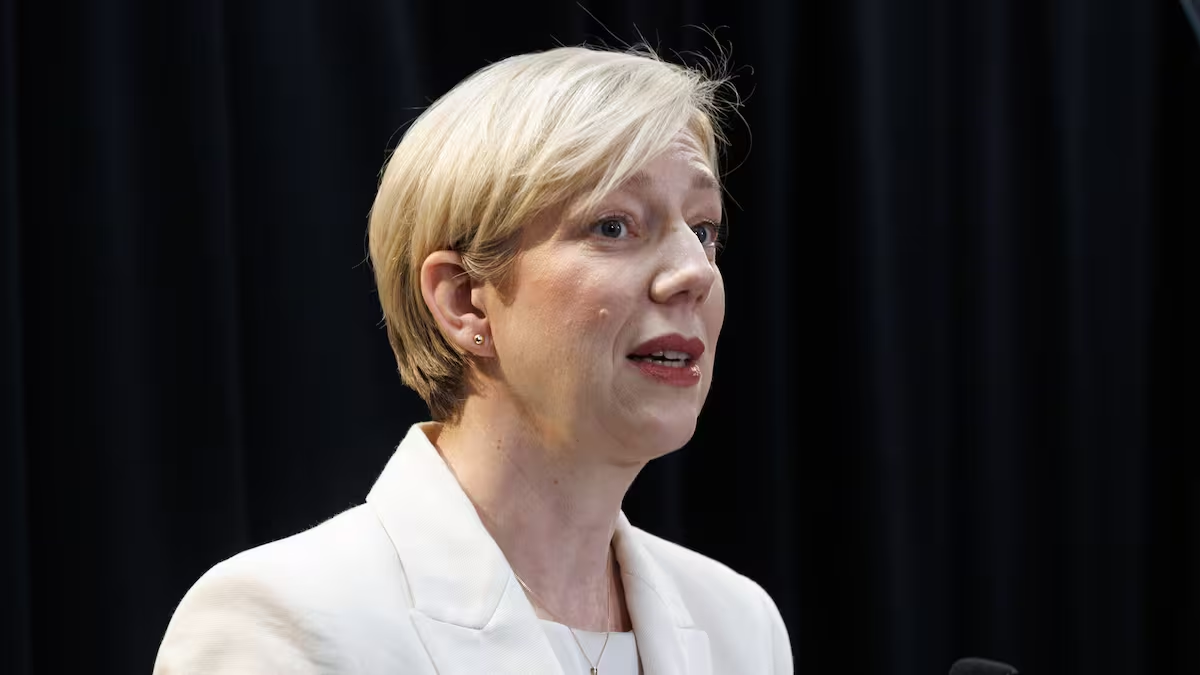
This wasn’t exactly a surprise, but the path here was messy. Back in May, the RBNZ’s Monetary Policy Committee deadlocked 3-3 on whether to move rates. Governor Anna Breman cast the tiebreaker vote to hold steady at 2.25%.
But even while voting to pause, the central bank telegraphed what was coming. The May statement warned that rate hikes would likely need to arrive “sooner and more aggressively” than earlier projections suggested.