By Paula Bayarte
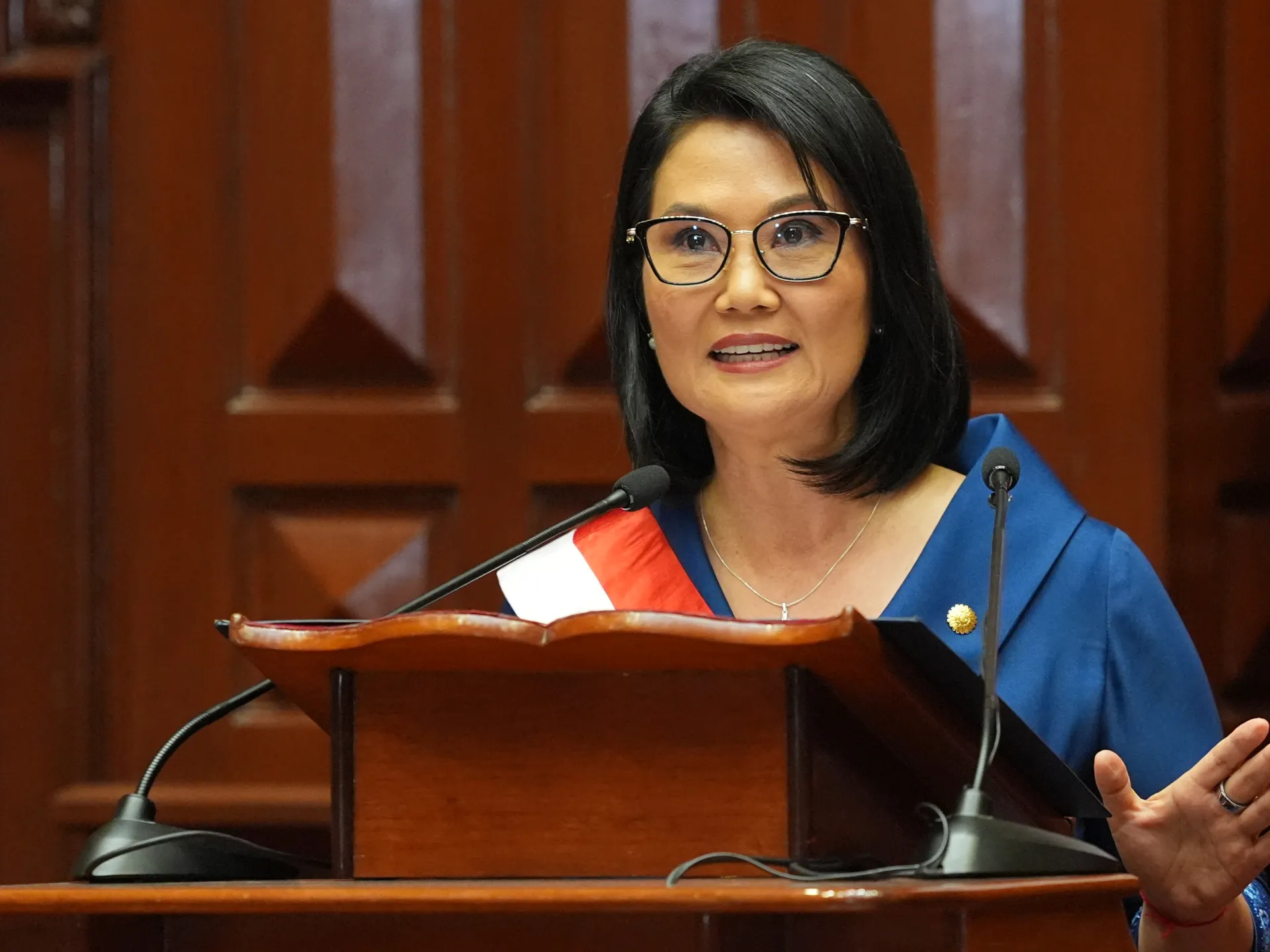
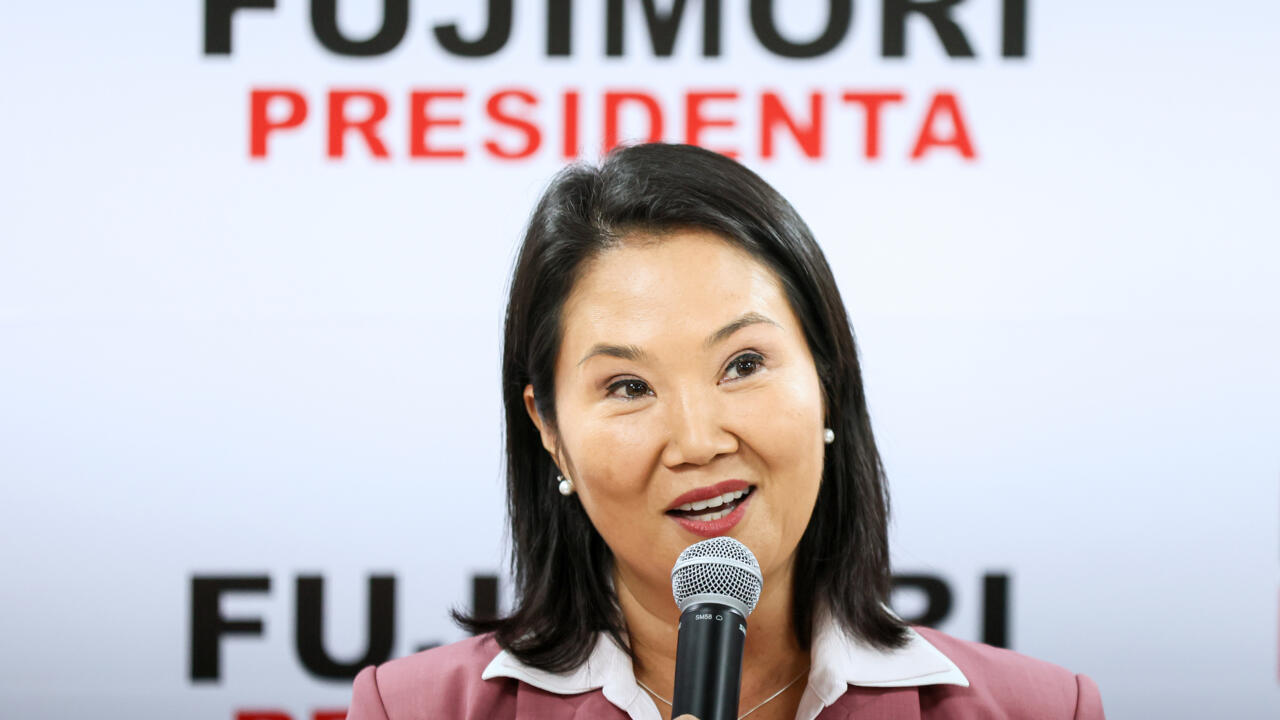
Lima (EFE).- President-elect Keiko Fujimori will take office on Jul. 28, inheriting a nation split down the middle. One half holds high hopes for her administration, while the other remains deeply skeptical of her, her political identity, and the heavy legacy of her father, former President Alberto Fujimori (1990–2000).
Fujimori’s victory in her fourth presidential bid was narrow, secured by just 49,641 votes against leftist challenger Roberto Sánchez in the runoff. While she and Sánchez each garnered roughly 9 million votes, the regional breakdown reveals a sharp geographic divide.
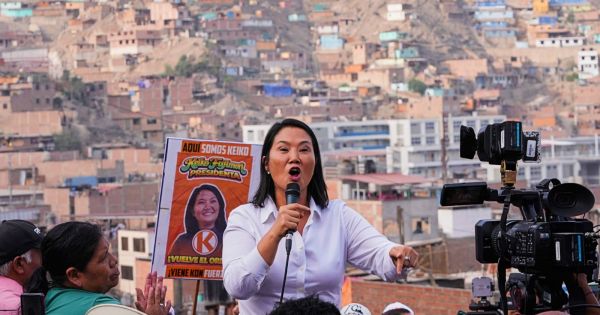
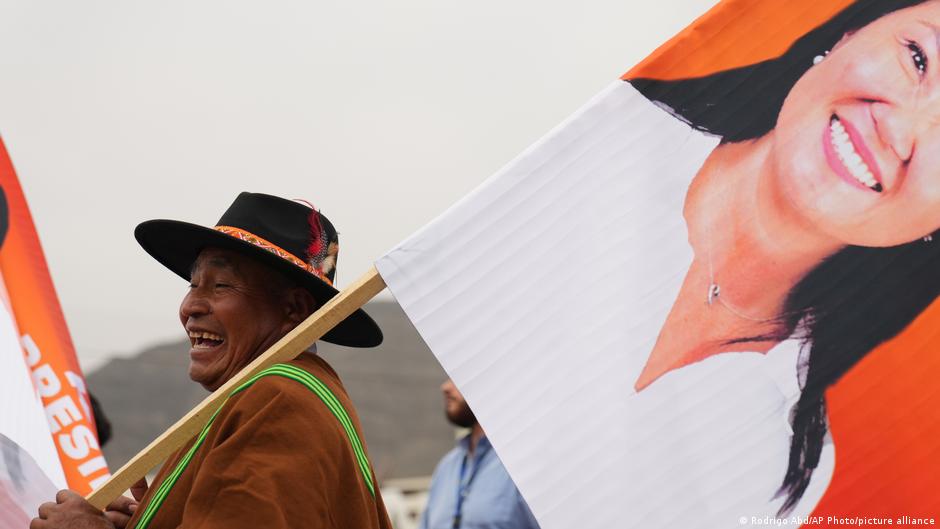
Fujimori dominated in the capital, Lima, and among voters abroad, capturing about 65% of the vote. Conversely, Sánchez swept the Andean regions, particularly in the south, with support hovering around 80%, areas where the President-elect struggled to campaign due to the intense local opposition.
Political analyst Eduardo Dargent, a professor at the Pontifical Catholic University of Peru (PUCP), explained to EFE that the election highlights a deeply fragmented country, one that is «highly critical of politics, disillusioned, and distrustful of its leaders.»