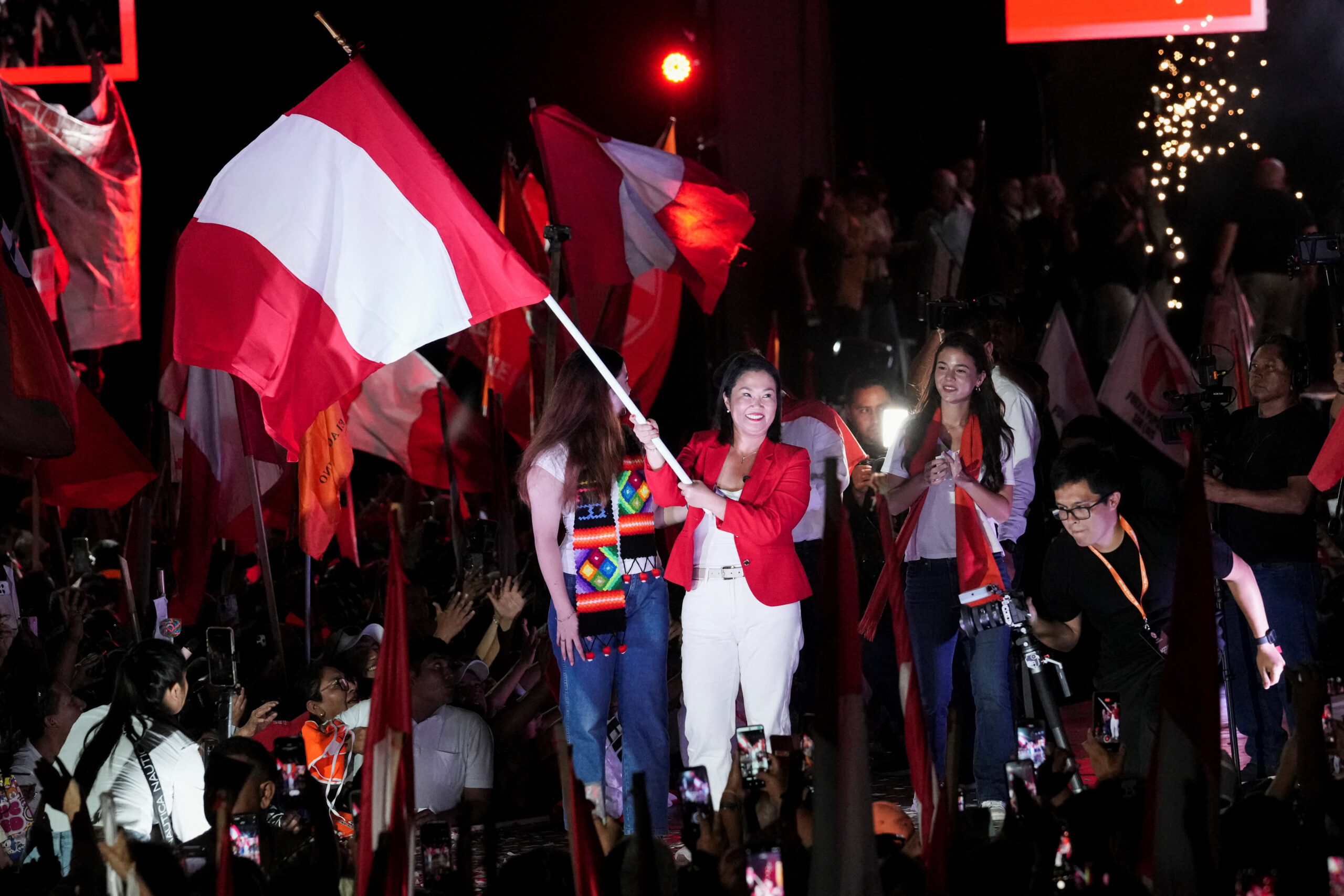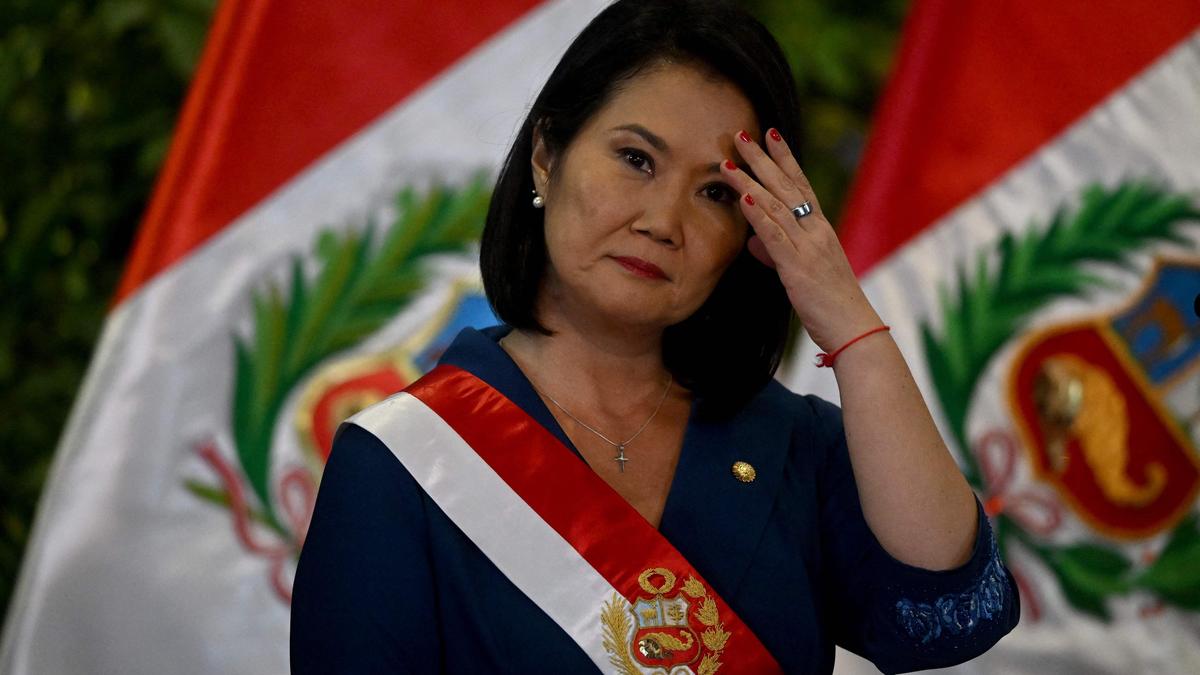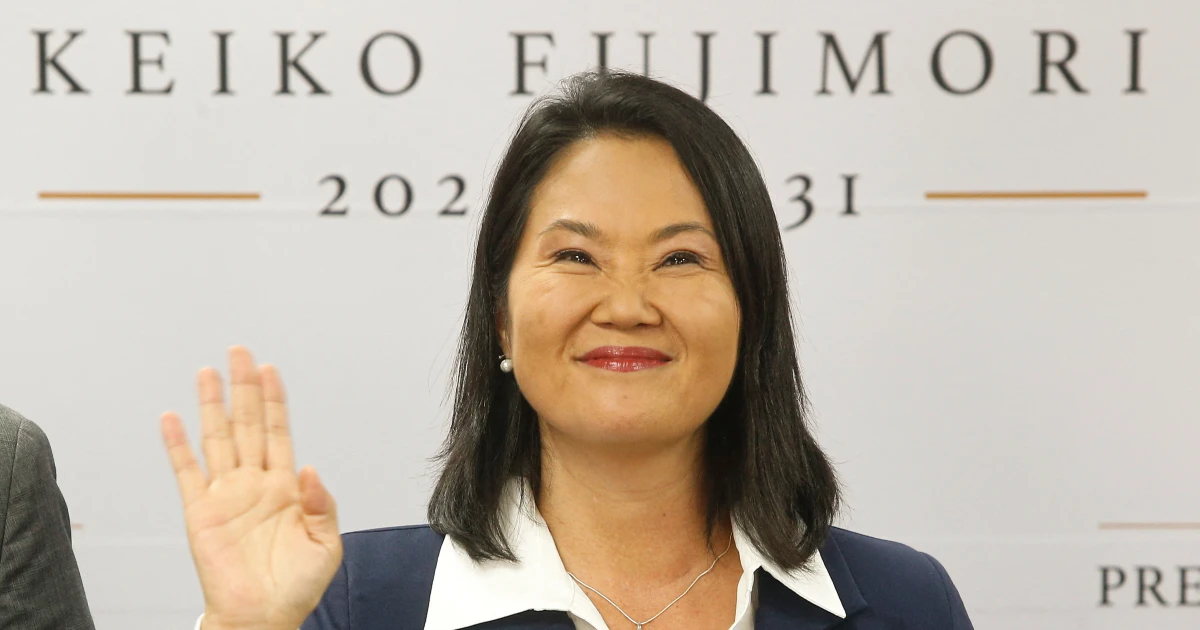
Reading Time: 4 minutesIt will be several weeks before queried ballots are reviewed and the result becomes official, but it is clear that, on her fourth attempt, Keiko Fujimori has been elected as Peru’s next president. A conservative, she has won by less than 1% over her runoff rival Roberto Sánchez, a left-winger. It is the third successive presidential election in Peru decided by such a narrow margin. She will inherit a country divided not just between left and right but also regionally. It is also one whose institutions have been weakened in part by her own party’s doing.
Sánchez aroused fears of political and economic instability. Fujimori poses different risks, but also offers economic opportunities. Her victory guarantees the continuation of the market-led economic framework put in place by her father, Alberto, in the 1990s. This has served Peru well. Over that period it has boasted one of the fastest-growing economies in Latin America. The sol is one of the region’s most stable currencies. Keiko promises to put technocrats in charge of the economy. Luis Carranza, the likely economy minister, held that post for almost three years between 2006 and 2009 when Alan García was president. The new government proposes to cut regulations to encourage informal businesses to formalize. It will doubtless try to unblock large mining projects held up by red tape and local opposition.