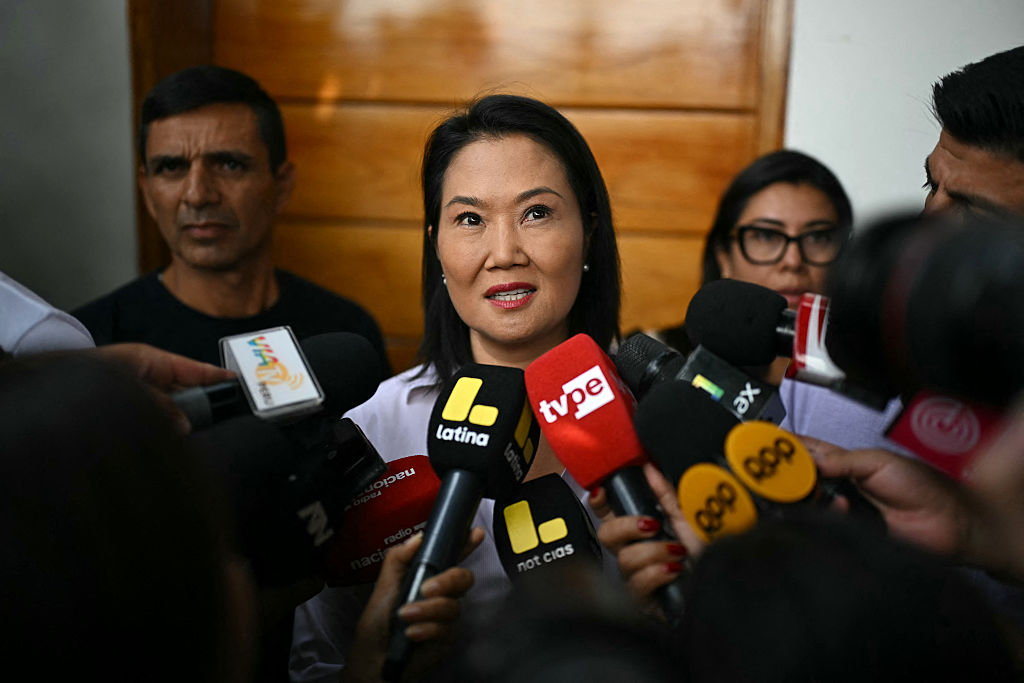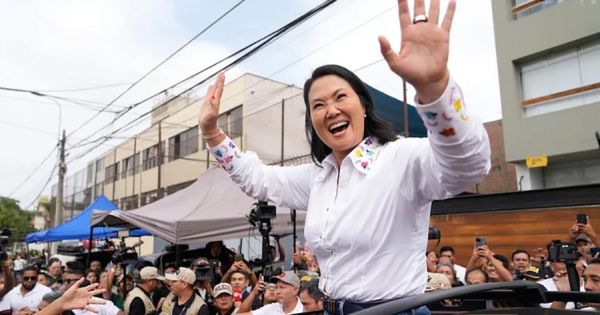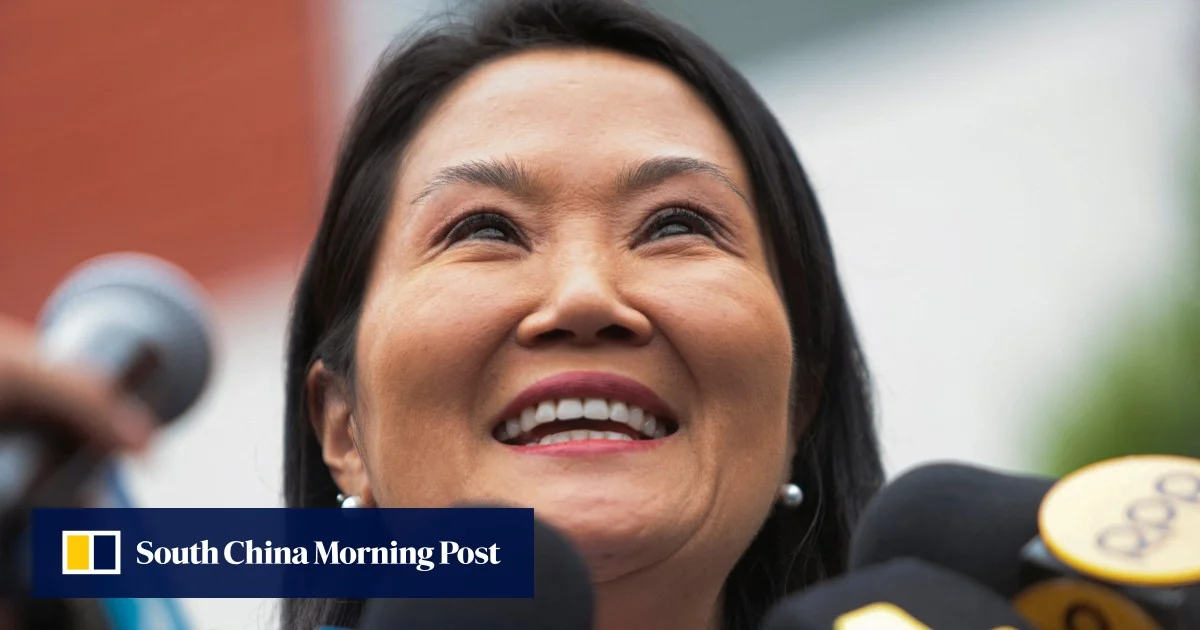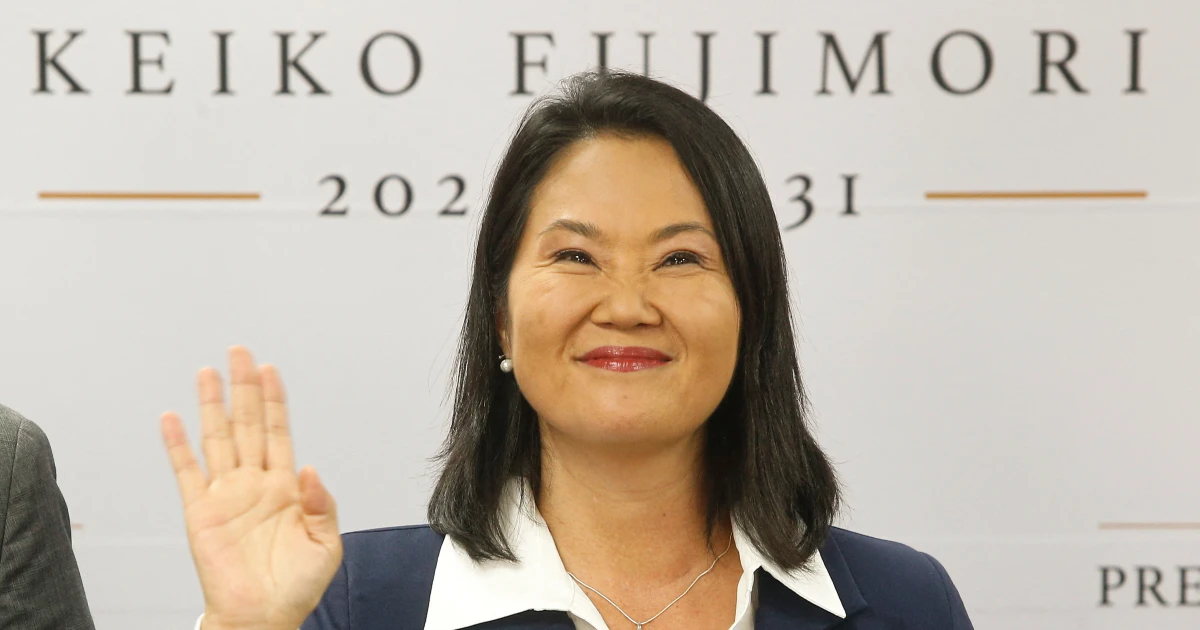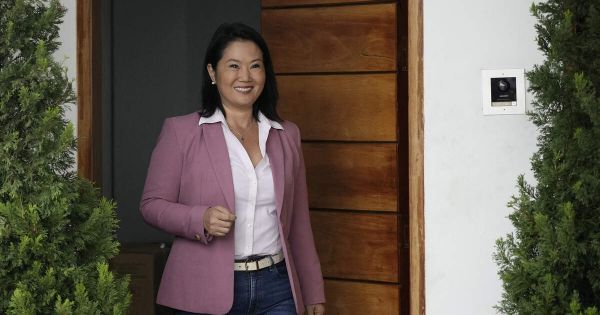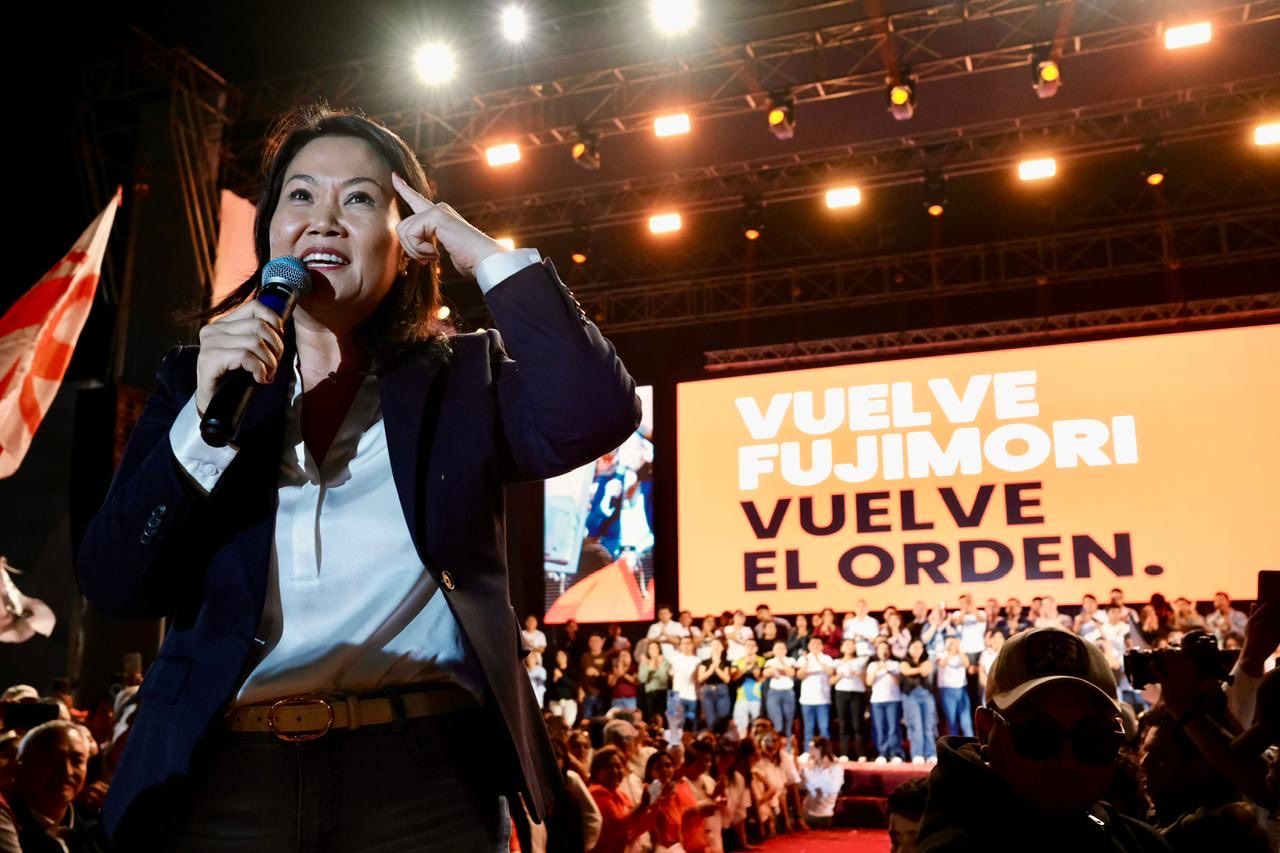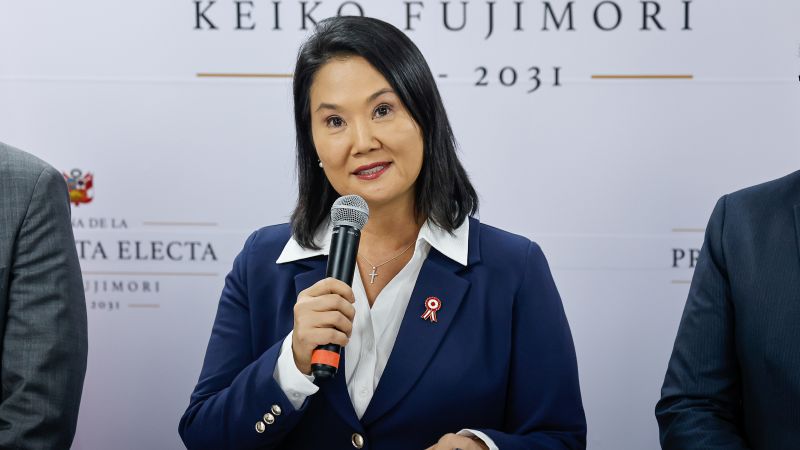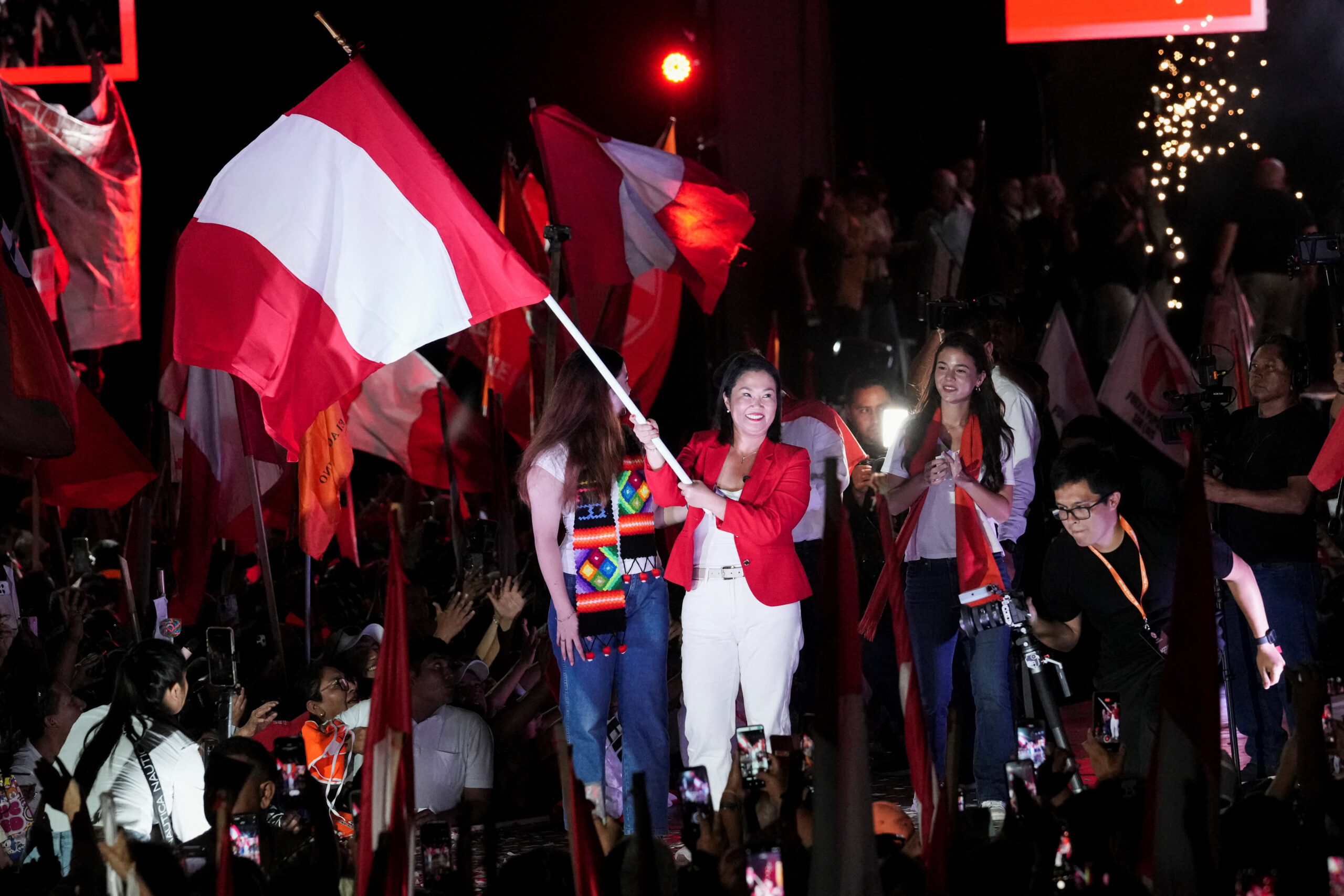
There are close elections, and there is Peru’s 2026 run-off election. After an over weeklong, nail-biting ballot counting, right-wing candidate Keiko Fujimori is projected to be elected Peru’s next president. At 98.97 percent of votes counted, she has pulled to nearly thirty thousand votes ahead of her left-wing challenger, Roberto Sánchez, with Fujimori’s lead steadily growing in the last few days.
For a look at what Fujimori’s likely victory means for Peru’s governability and future foreign policy, we turned to our regional experts.
Who is Peru’s likely president-elect?
Fujimori is, arguably, the most recognizable political figure in Peru in the last two decades. She is the daughter of former President Alberto Fujimori, who governed the country from 1990 to 2000, when his regime collapsed amid corruption scandals. This year, Keiko Fujimori, who served as first lady to her father, ran her fourth presidential campaign on the two pillars of Fujimorismo: a tough-on-crime agenda inspired by her father’s campaign against domestic terrorism in the 1990s, and a staunch defense of Peru’s market-oriented economic model. That model, introduced during her father’s government, has underpinned Peru’s economic growth despite recurring political crises.