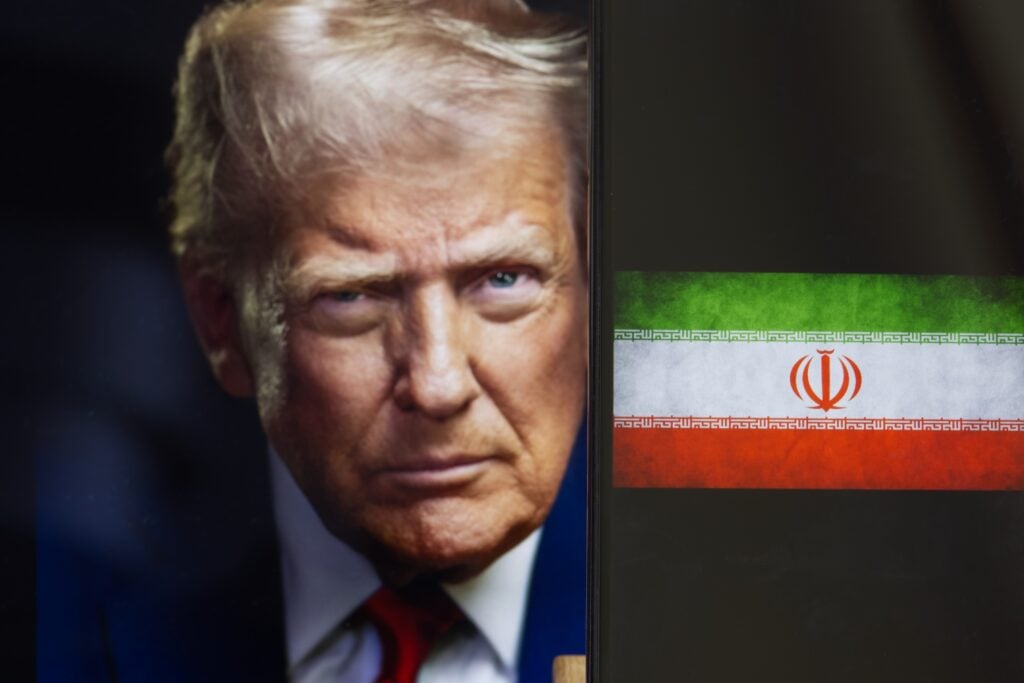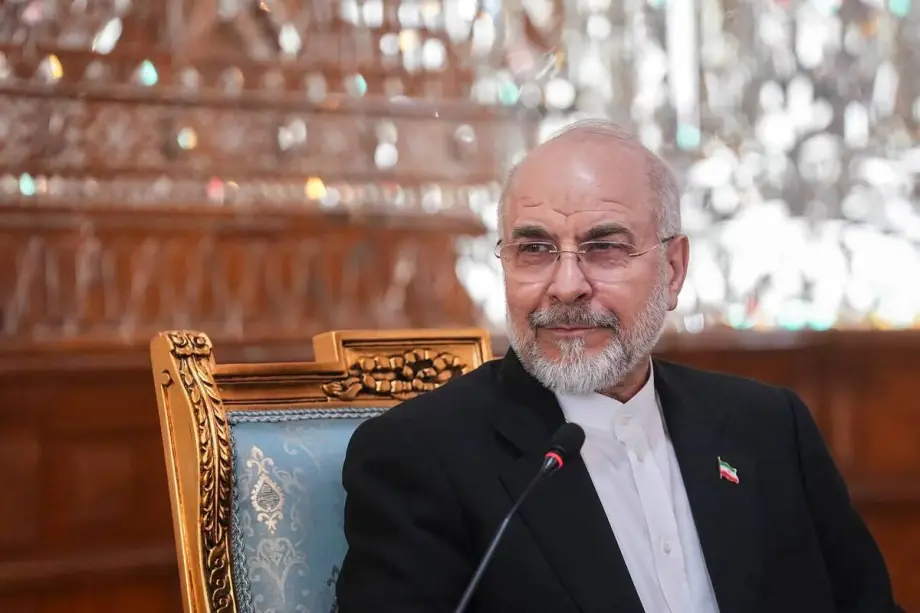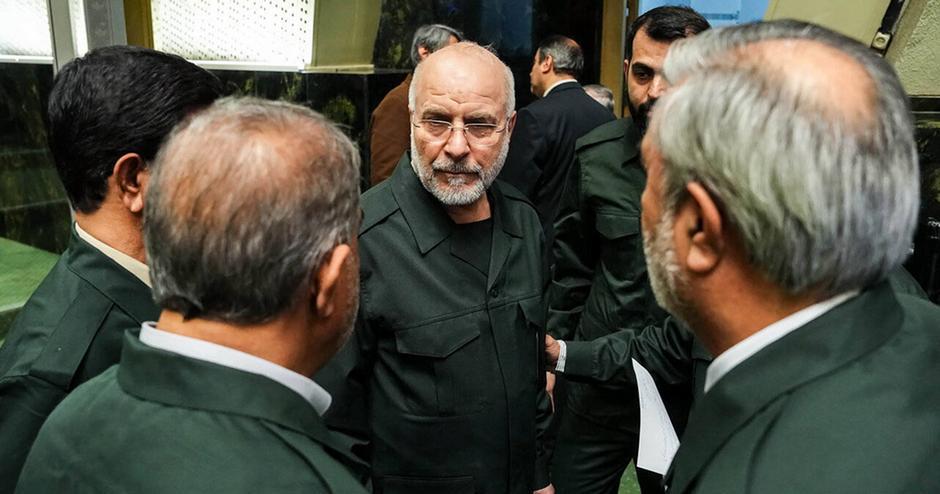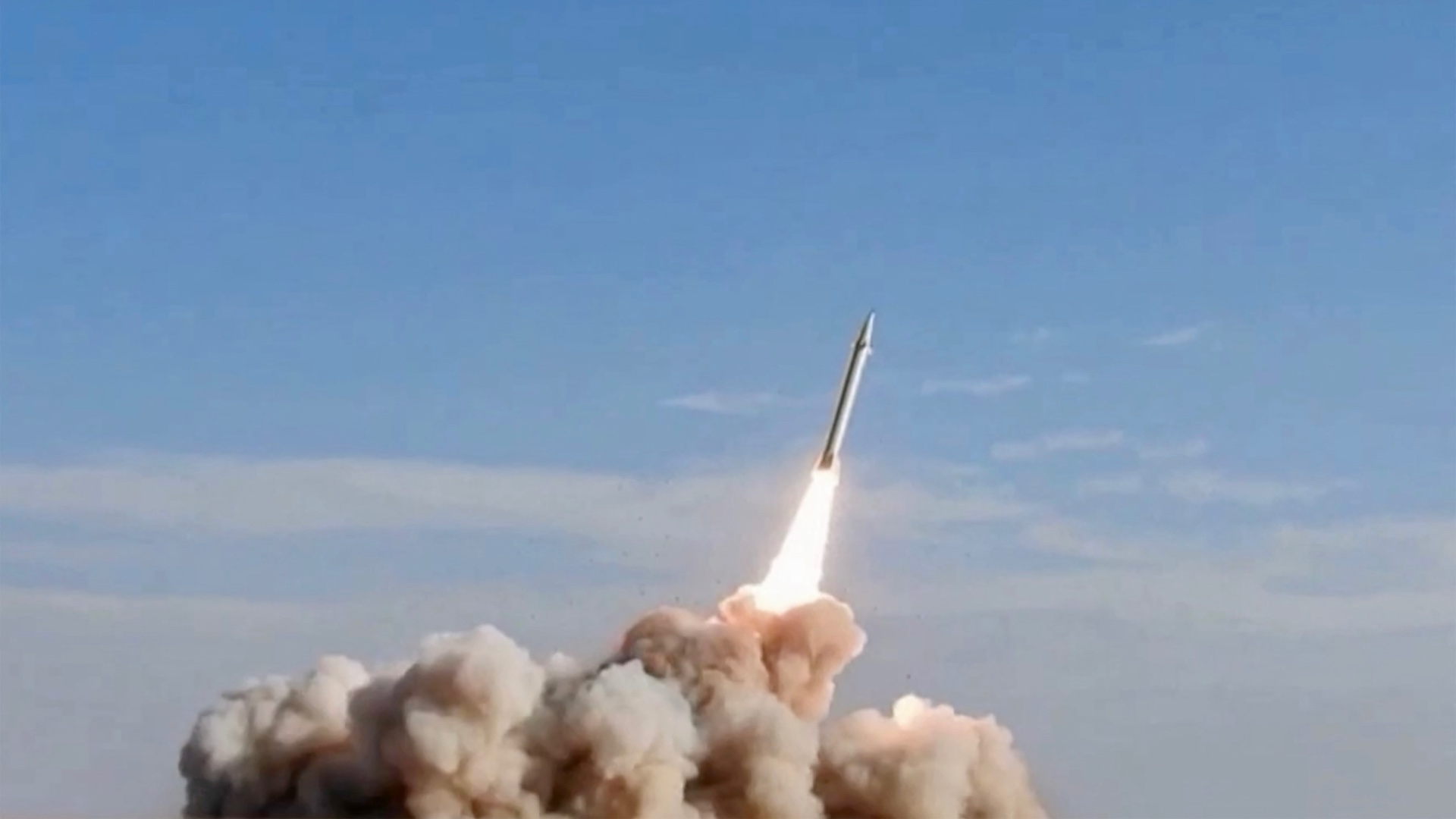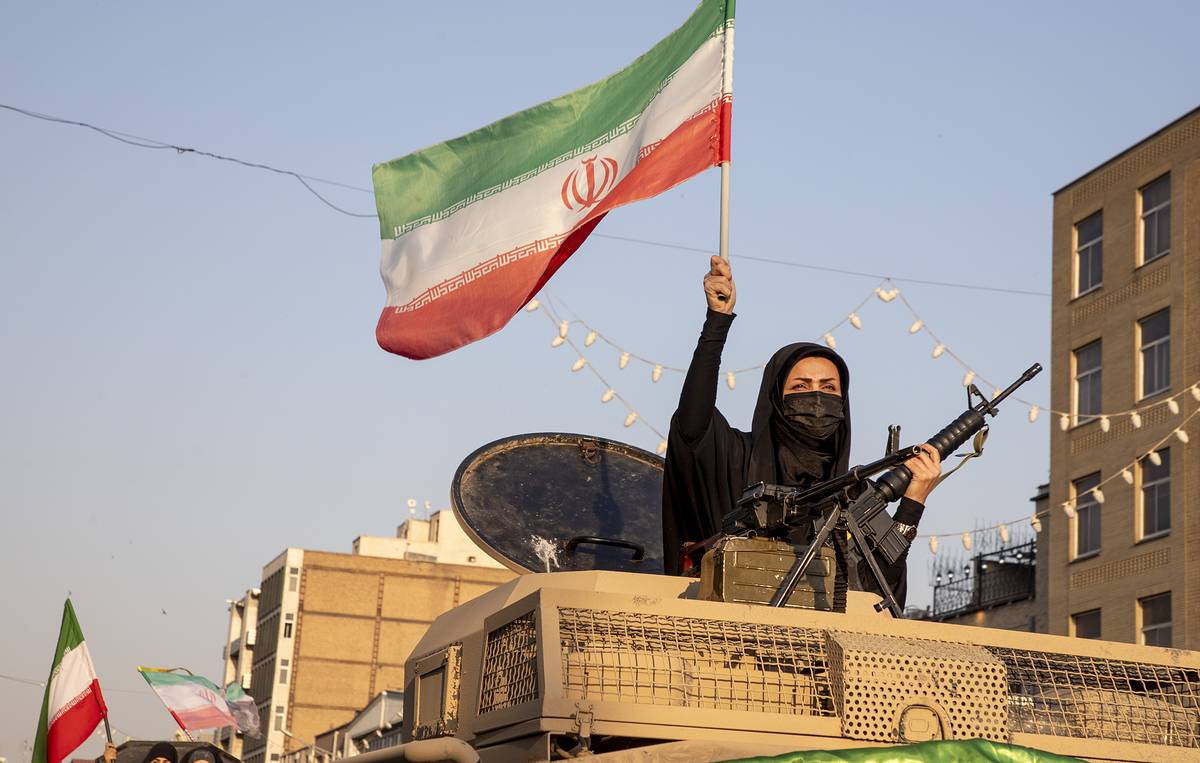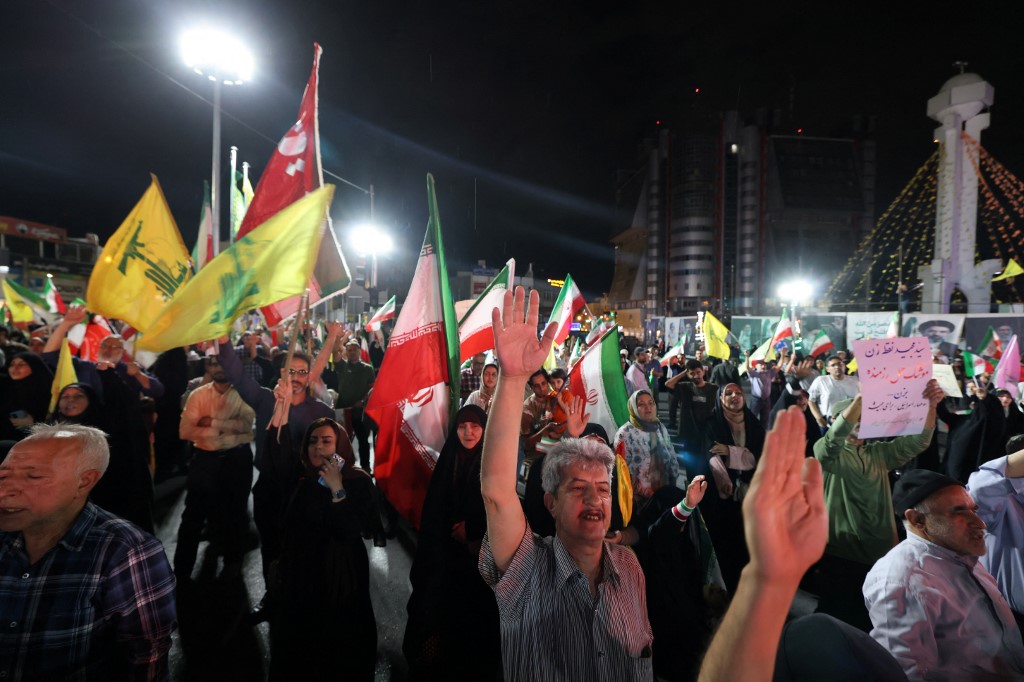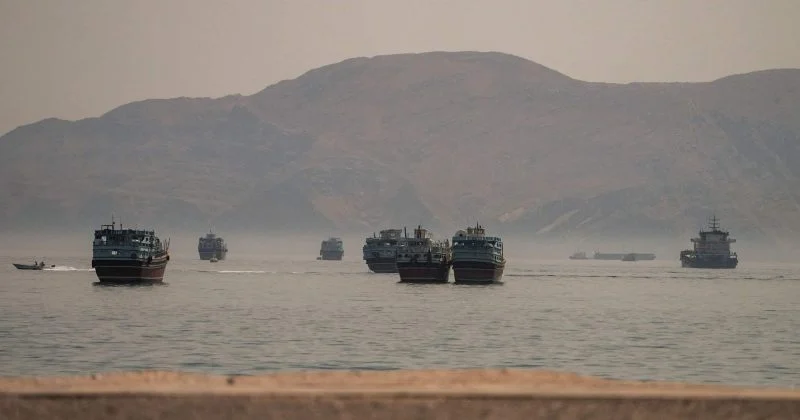
Iran's foreign ministry said on Wednesday the United States has repeatedly violated their agreed memorandum of understanding (MoU), and warned retaliation following Washington's strikes on targets in the Strait of Hormuz. Iran's parliament speaker Mohammad Bagher Ghalibaf accused the United States of major violations of a memorandum of understanding aimed at easing tensions, as fresh US strikes hit Iranian targets following attacks on commercial vessels in the Strait of Hormuz.'We don't fold'Mohammad Bagher Ghalibaf listed what he called US breaches including "violating Iranian adjustments in the Strait," persistent threats of further strikes, reinstating oil sanctions and attacks on southern Iran. He also cited continued Israeli aggression against Lebanon. "The era of bullying and extortion is over. It leads nowhere. We don’t fold," Ghalibaf said in a post on X.The accusations came hours after US Central Command announced strikes on 85 Iranian targets, including IRGC fast-attack craft, air defence systems, command-and-control networks and anti-ship missile positions in and around the Strait of Hormuz. The operation followed Iranian attacks on at least three commercial vessels, including a Qatari LNG tanker and a Saudi oil tanker, which Washington described as a clear violation of the ceasefire. The US also reimposed sanctions on Iranian oil sales in response to the ship attacks. The exchanges threaten a fragile US-Iran memorandum of understanding (MOU) reached in June that had paused broader hostilities, reopened the vital shipping lane and allowed limited Iranian oil sales. Iran has pushed for control or fees in the strait, a move opposed by Oman and other Gulf states as well as the US Ghalibaf, a key figure in Iran's negotiating efforts, has previously described the agreement as a demonstration of Iranian strength rather than US pressure.Tensions have simmered since the deal, with mutual accusations of violations involving the strait, Lebanon and sanctions relief. No immediate casualties were reported from the latest US strikes, and Iranian officials have not yet detailed damage. The developments come amid broader regional strains, including Israeli actions in Lebanon. Oil prices fluctuated on news of the renewed disruptions in the waterway through which about one-fifth of global oil passes.US officials earlier accused Tehran of violating a ceasefire framework reached last month and endangering civilian shipping.The "powerful" military strikes was in retaliation for what it described as Iranian attacks on commercial shipping.The move has sharply escalated tensions around one of the world's most critical energy chokepoint.According to US officials, the strikes targeted Iranian military infrastructure, including air defense systems, coastal surveillance sites, anti-ship missile positions, drone launch facilities and other assets believed capable of threatening maritime traffic through the narrow waterway linking the Arabian Gulf with the Gulf of Oman.The Strait of Hormuz carries roughly one-fifth of the world's seaborne oil and a significant share of global liquefied natural gas exports, making any military escalation in the area a major concern for energy markets and international shipping.Bandar Abbas serves as Iran's principal naval hub on the strait, while Qeshm Island overlooks key shipping lanes used by tankers transporting crude oil from Gulf producers. Sirik lies east of Bandar Abbas along Iran's southern coastline and has become increasingly important in Iran's coastal defense network.Tehran denies responsibilityThe latest military action follows a series of reported attacks on commercial vessels near the Strait of Hormuz that US officials blamed on Iran. Tehran has denied responsibility and accused Washington of using the incidents as a pretext for further military action.The strikes also come as Iran continues state funeral ceremonies following the death of Supreme Leader Ali Khamenei, adding another layer of uncertainty to already strained US-Iran relations.
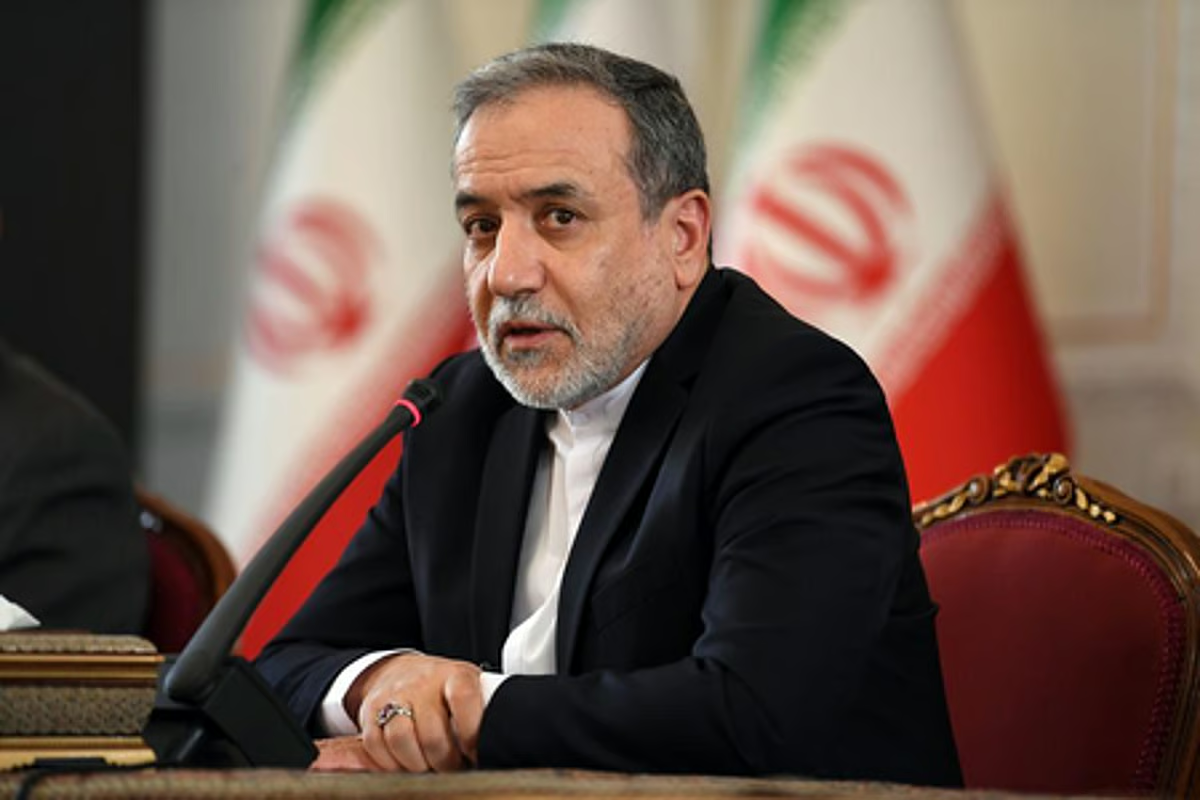
Iran's Araghchi says US attacks violate treaty, Ghalibaf says 'era of bullying and extortion is over'
Iran warns of decisive action after US strikes in Strait of Hormuz, accusing Washington of repeatedly violating a key memorandum of understanding.
594 words~3 min read