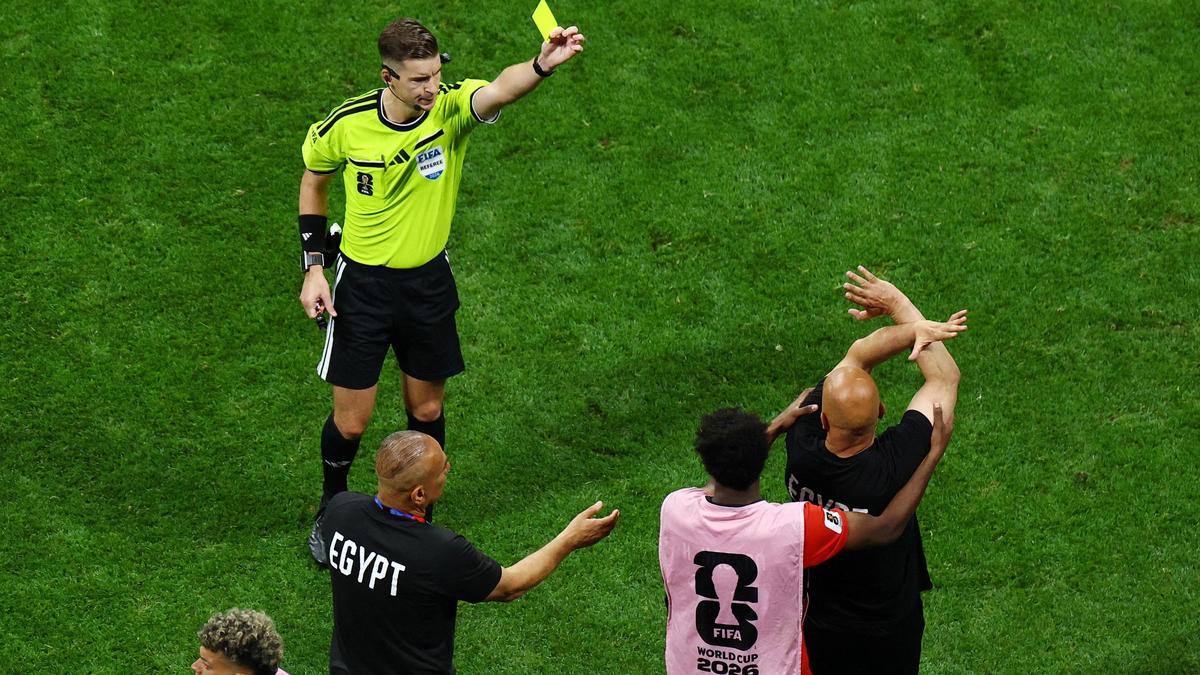
Egypt came into the 2026 FIFA World Cup as a historic qualification, Mohamed Salah finally on the biggest stage, a nation watching with a kind of nervous hope that only football can produce. Then came July 7, a Round of 16 match against Argentina at the Mercedes-Benz Stadium in Atlanta, and a 3-2 defeat that left the Egyptian camp convinced they had been beaten by more than just their opponents.
What actually happened on the pitch
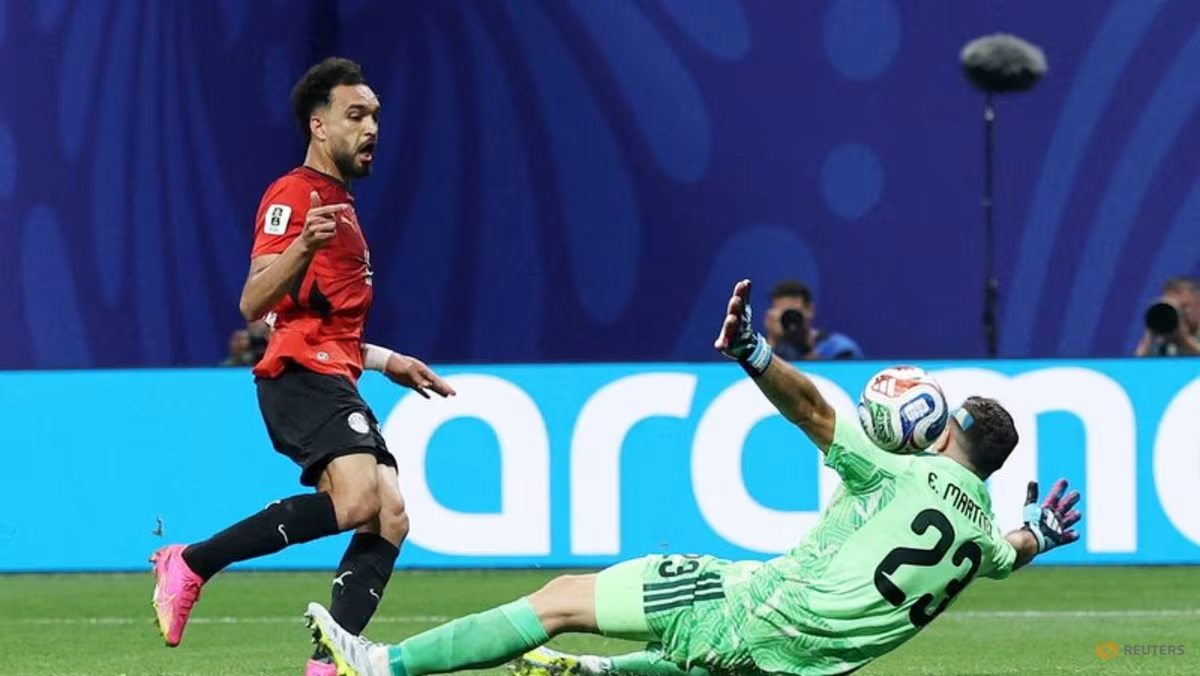
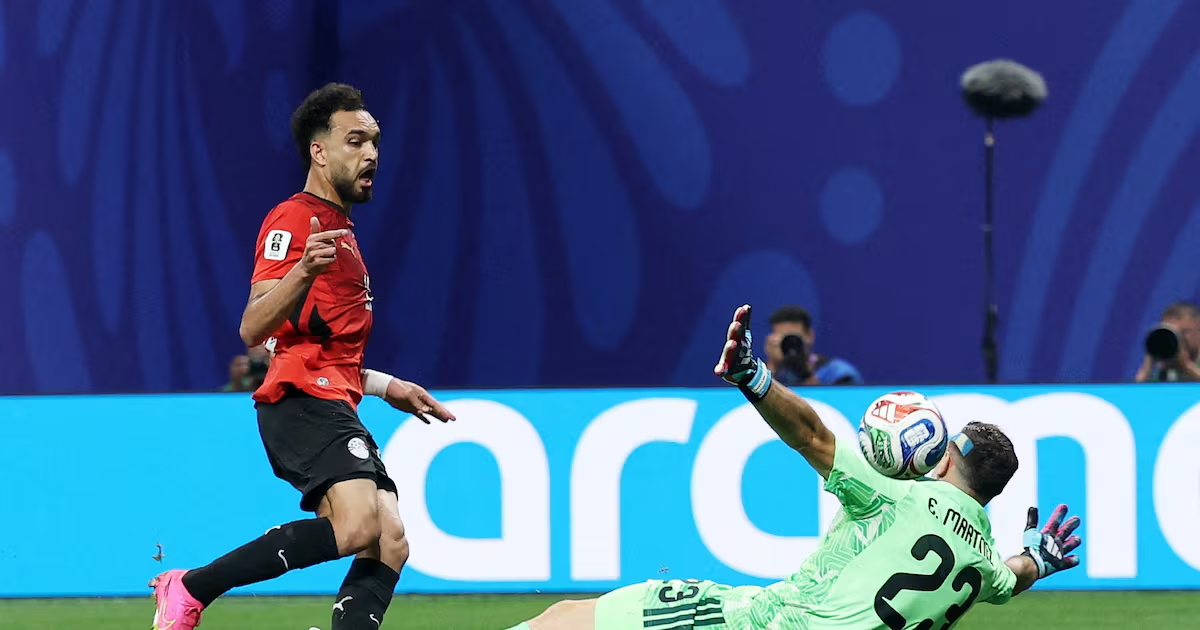
Mostafa Zico, who had been one of Egypt’s more dangerous attacking presences in the tournament, scored what appeared to be a goal that would have shifted the match’s momentum. VAR stepped in and ruled it out, citing a foul in the buildup.
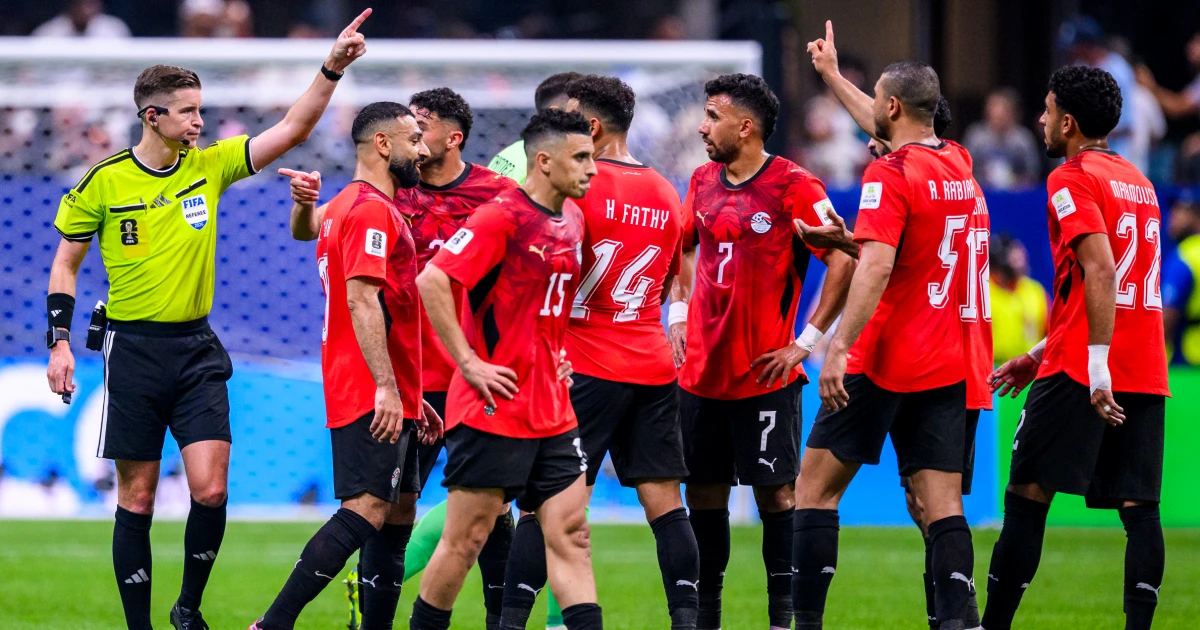
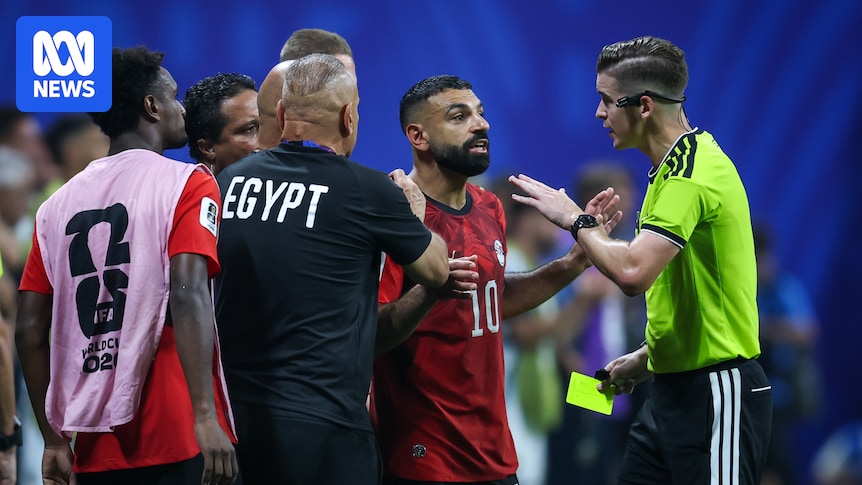
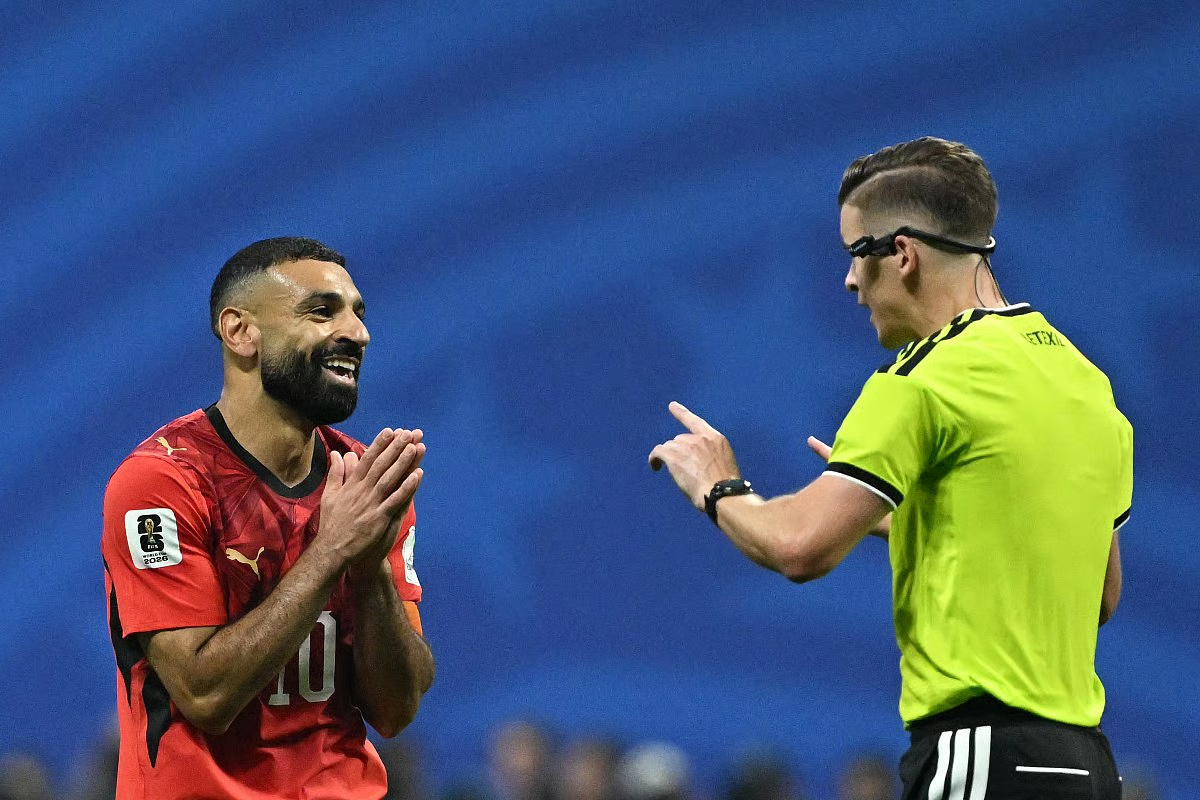
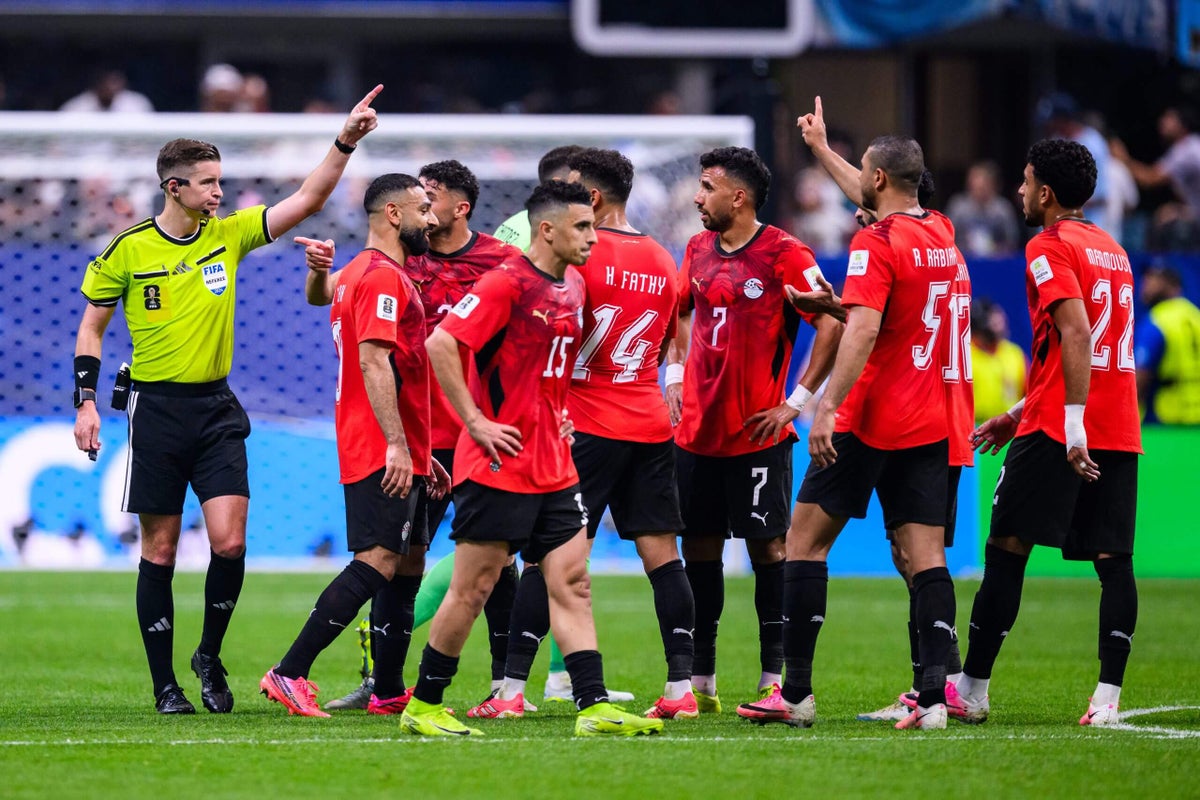
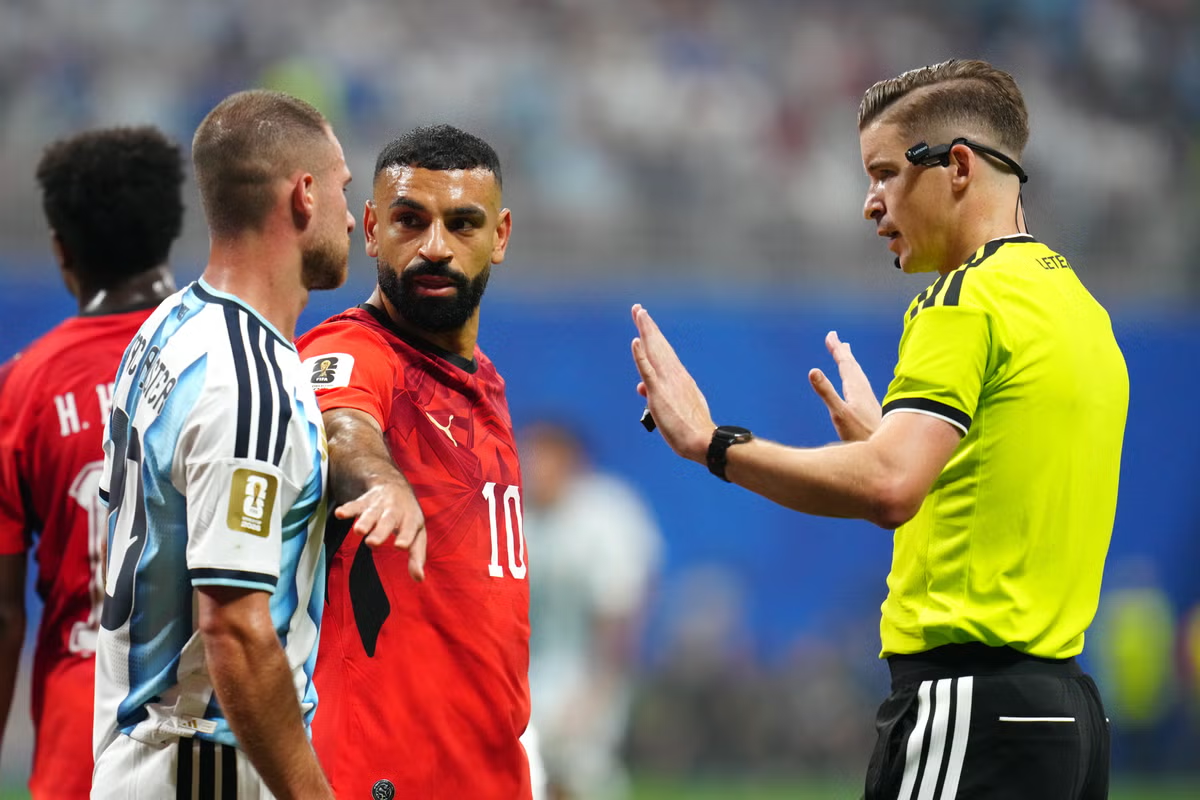
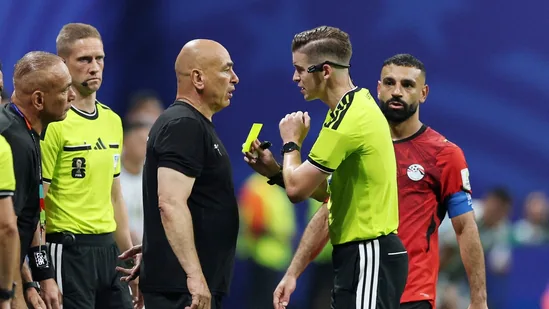
Then came the Mohamed Salah moment. A potential penalty, a contact that Egyptian players and staff believed was clear, went uncalled. Referee François Letexier waved play on. Egyptian players surrounded him. Yellow cards followed, not for the foul, but for the protest.
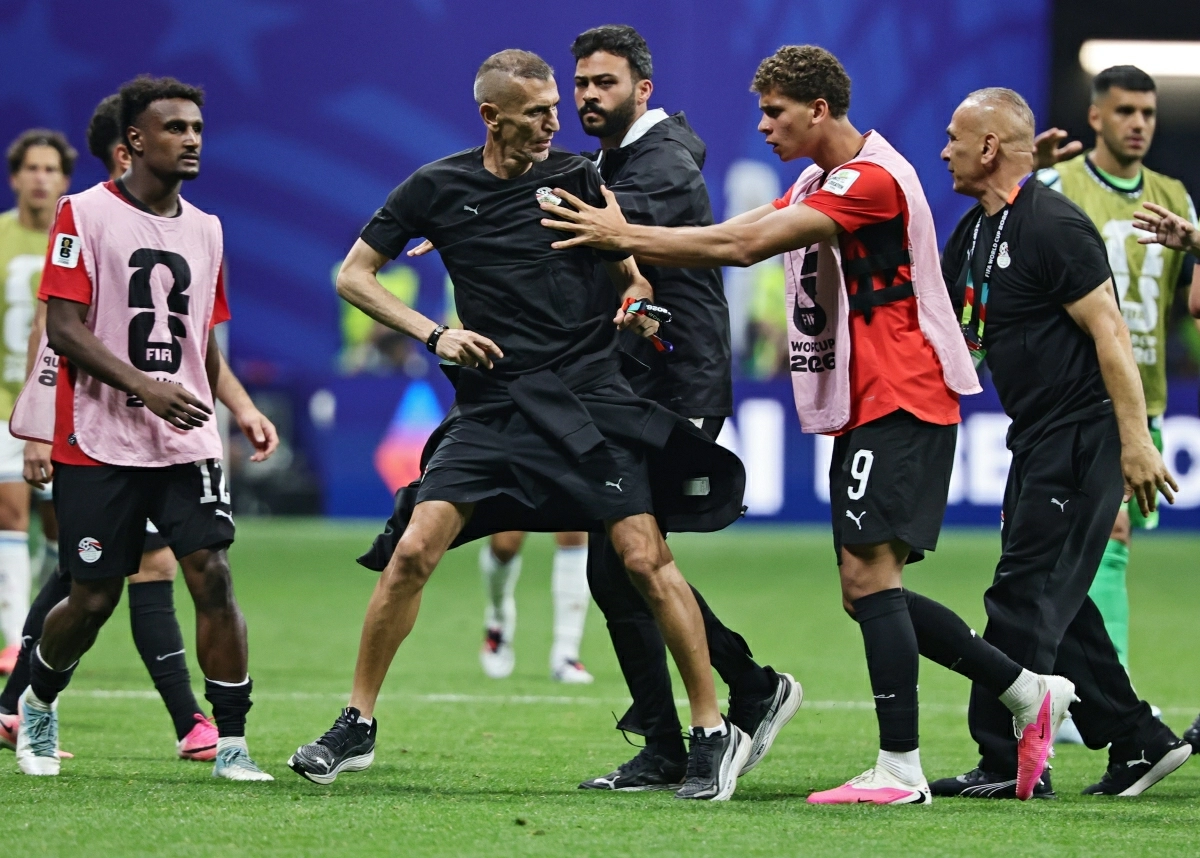
By the final whistle, coach Hossam Hassan had seen enough. Hassan made his position clear in post-match comments, stating that monetary interests had influenced the referee’s decisions and that the officiating was shaped by a bias toward Lionel Messi and Argentina. Zico echoed the sentiment, and his public comments aligned with Hassan’s broader criticism of Letexier’s performance.