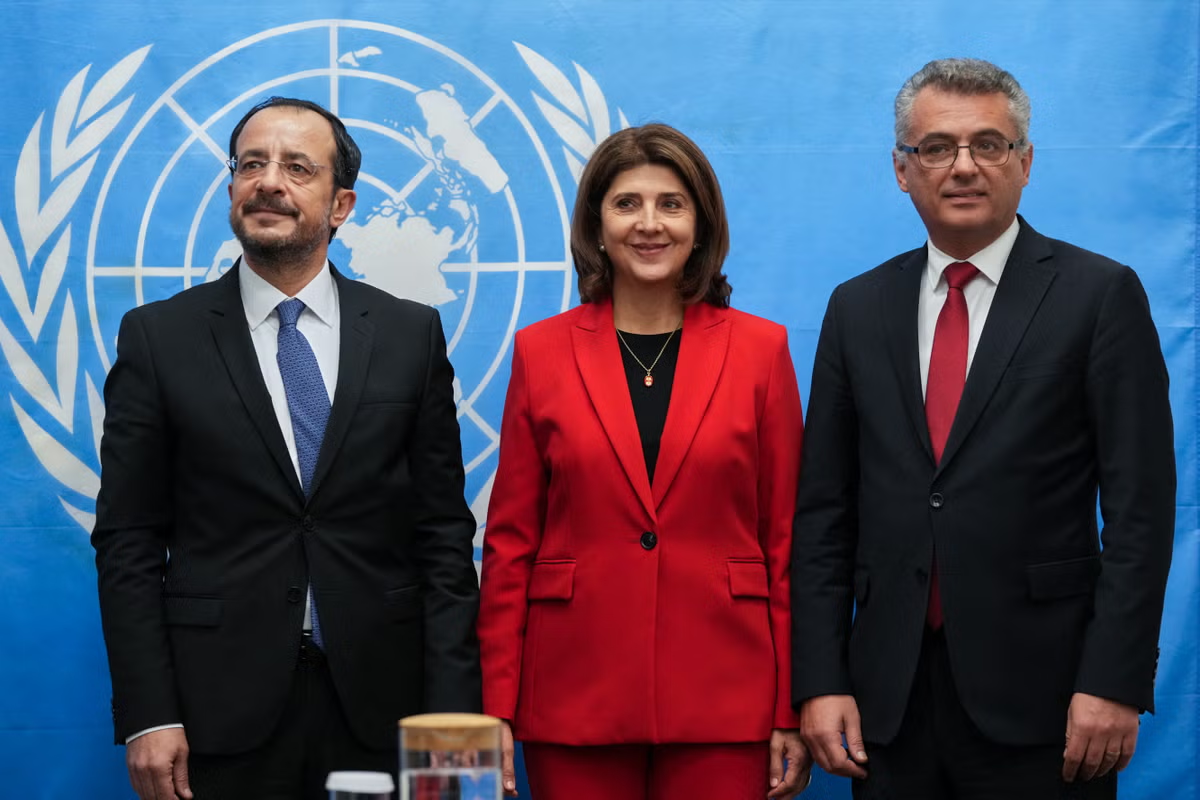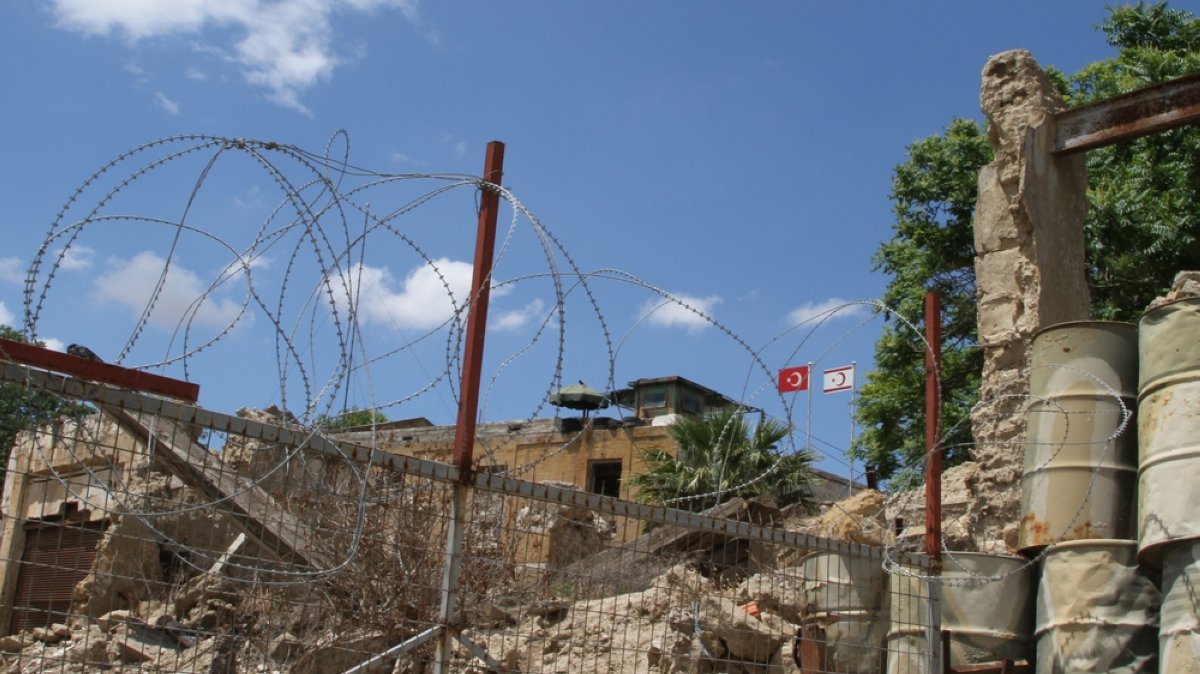
Every decade or so, the United Nations rediscovers Cyprus. A new envoy arrives, a new acronym is coined, and a new round of "constructive ambiguity" is presented to two communities that have disagreed for half a century about what reunification even means. The latest iteration, reportedly drafted by the secretary-general's personal envoy, Maria Angela Holguin, and circulating among diplomats ahead of an "enlarged" five-plus-one meeting expected this summer, is being sold as something new: a "looser" federation, flexible enough that Greek Cypriots can call it a federation and Turkish Cypriots a confederation, so nobody has to admit what they actually signed. That, in itself, is the first warning sign. A settlement whose authors cannot agree on what to name it is a postponement with better branding.
According to multiple reports out of Lefkoşa (Nicosia), Ankara and Athens this June, the Holguin blueprint envisions two constituent states joined by a central government stripped down to five or six ministries – foreign affairs, defense, internal affairs, finance and European affairs – run by a rotating presidential council with top posts allocated by community rather than by vote. Security guarantees under the 1960 treaty system would be replaced by a NATO-based arrangement, with Turkish, Greek, British, French and American forces on the island.