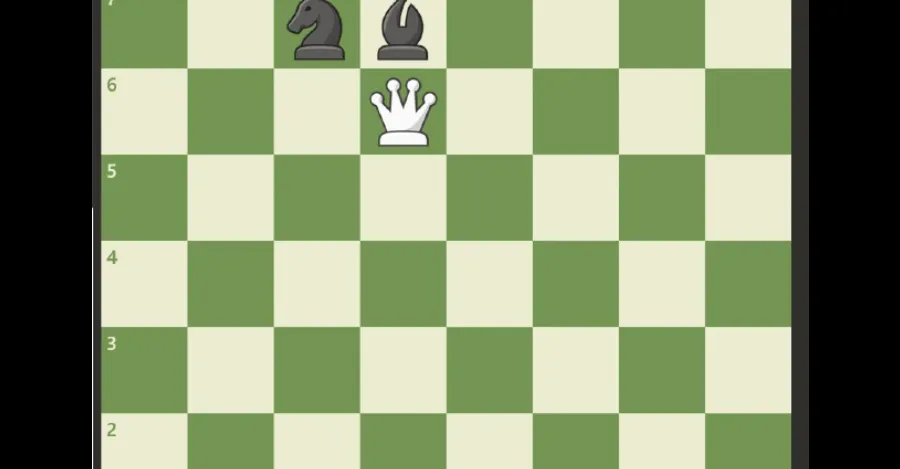
Discord just had one of its most embarrassing moderation failures to date. The company publicly acknowledged on July 7 that a bug in its content safety system incorrectly banned roughly 8,400 user accounts over the past two months, after harmless images like chessboards, spreadsheets, and Minecraft screenshots were flagged as prohibited content.
The platform’s Chief Technology Officer, Stanislav Vishnevskiy, confirmed the error and said all affected accounts had been reinstated. For a company with over 200 million monthly active users, 8,400 wrongful bans is statistically a rounding error. But for the people on the receiving end, including crypto traders, NFT communities, and DeFi project teams who rely on Discord as their primary coordination layer, getting permanently banned with zero recourse was anything but trivial.
What actually went wrong
The root cause wasn’t some rogue AI making creative judgment calls about memes. It was a faulty hash-matching process in Discord’s safety system. Hash matching works by comparing uploaded images against a database of known prohibited content, essentially checking digital fingerprints rather than analyzing images in real time.
In this case, the fingerprinting went haywire. Images with simple visual patterns, like white and gray transparent backgrounds, game textures, and even chessboards, produced hash values that incorrectly matched against Discord’s database of child sexual abuse material. The system then did exactly what it was designed to do: permanently ban the accounts responsible.