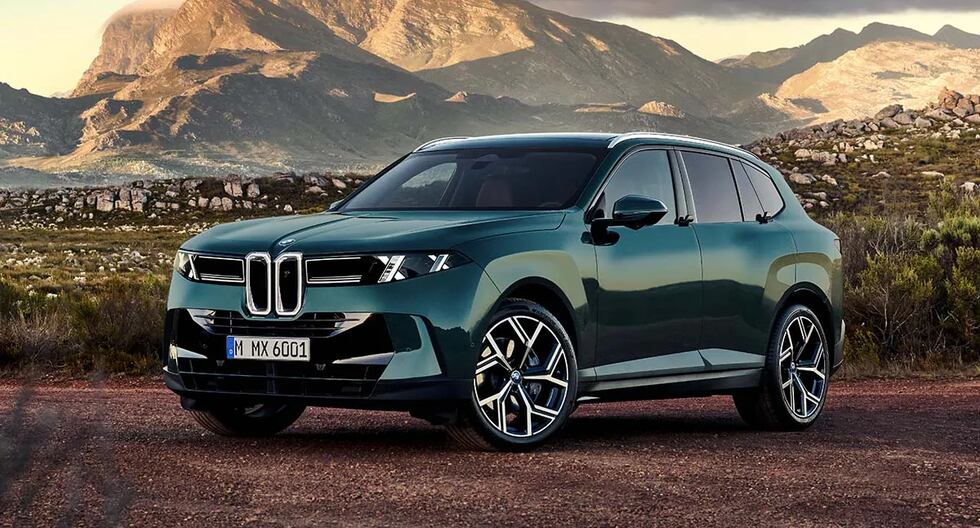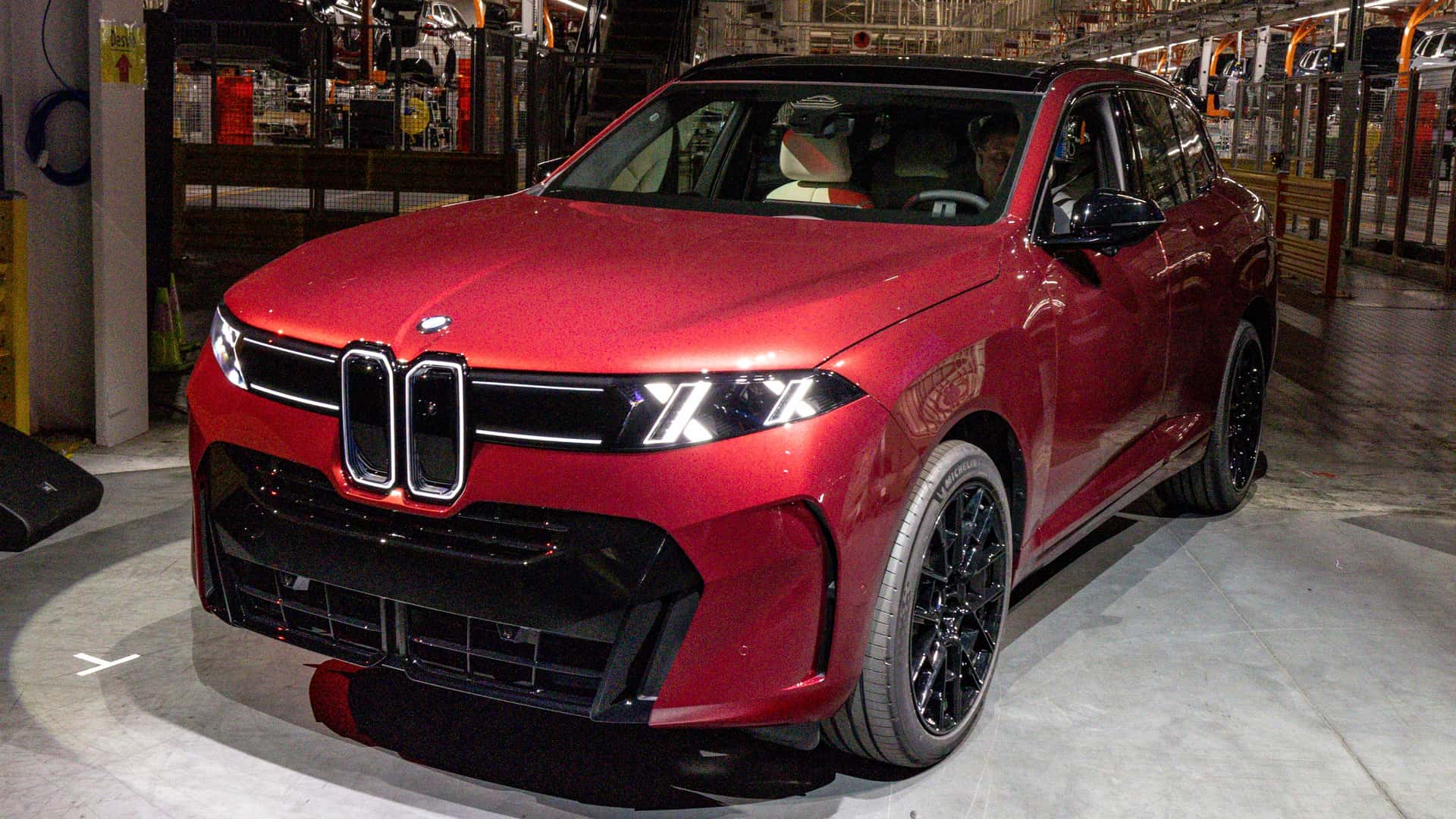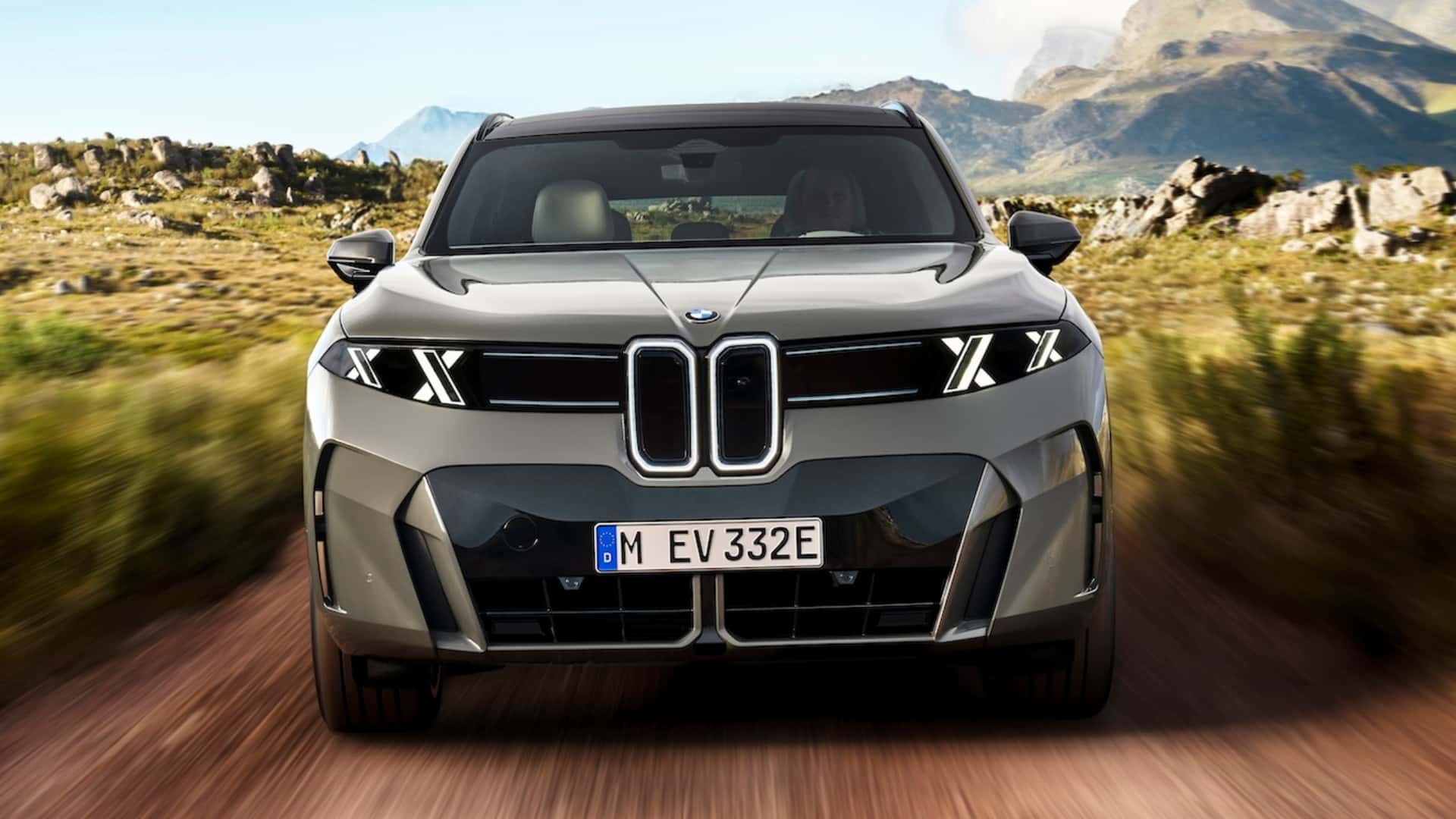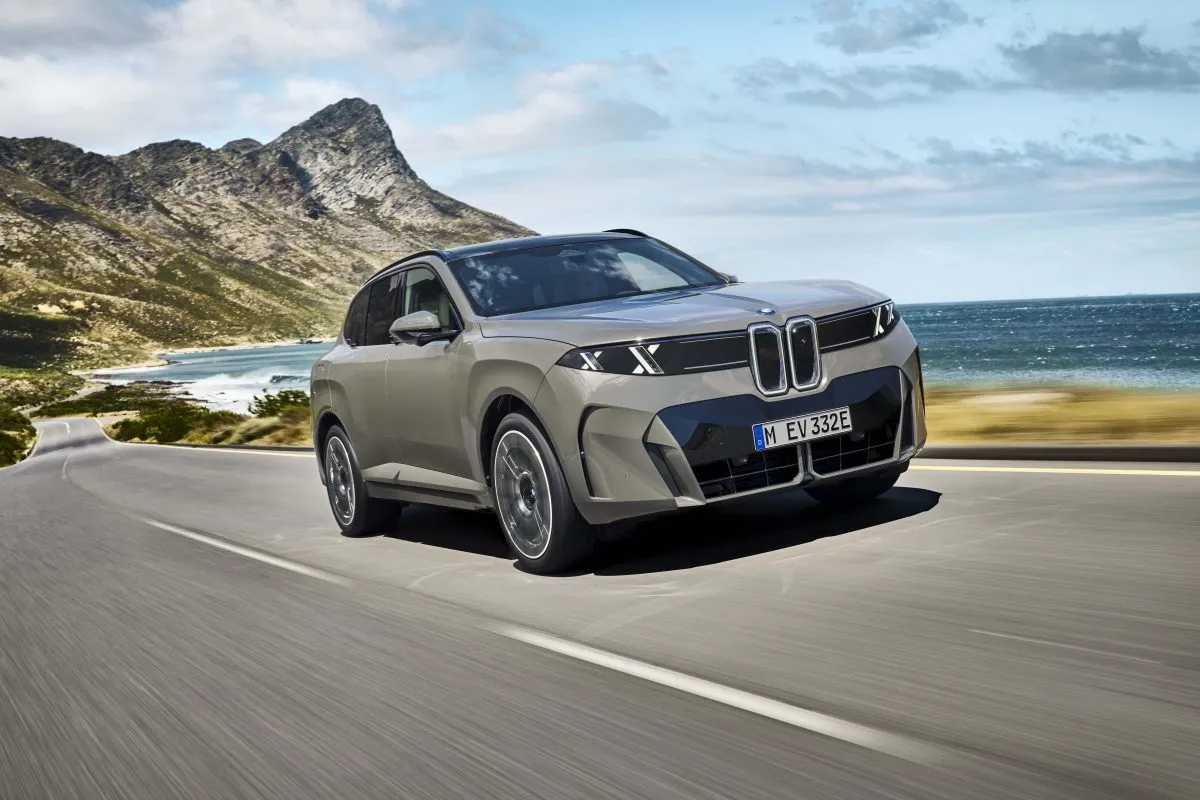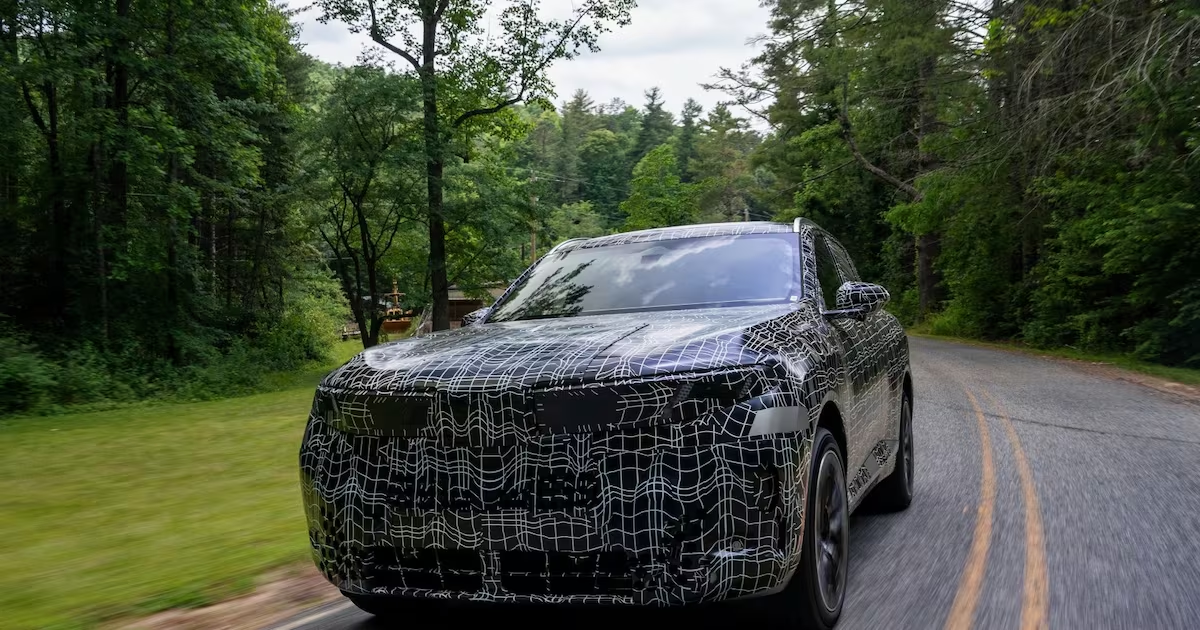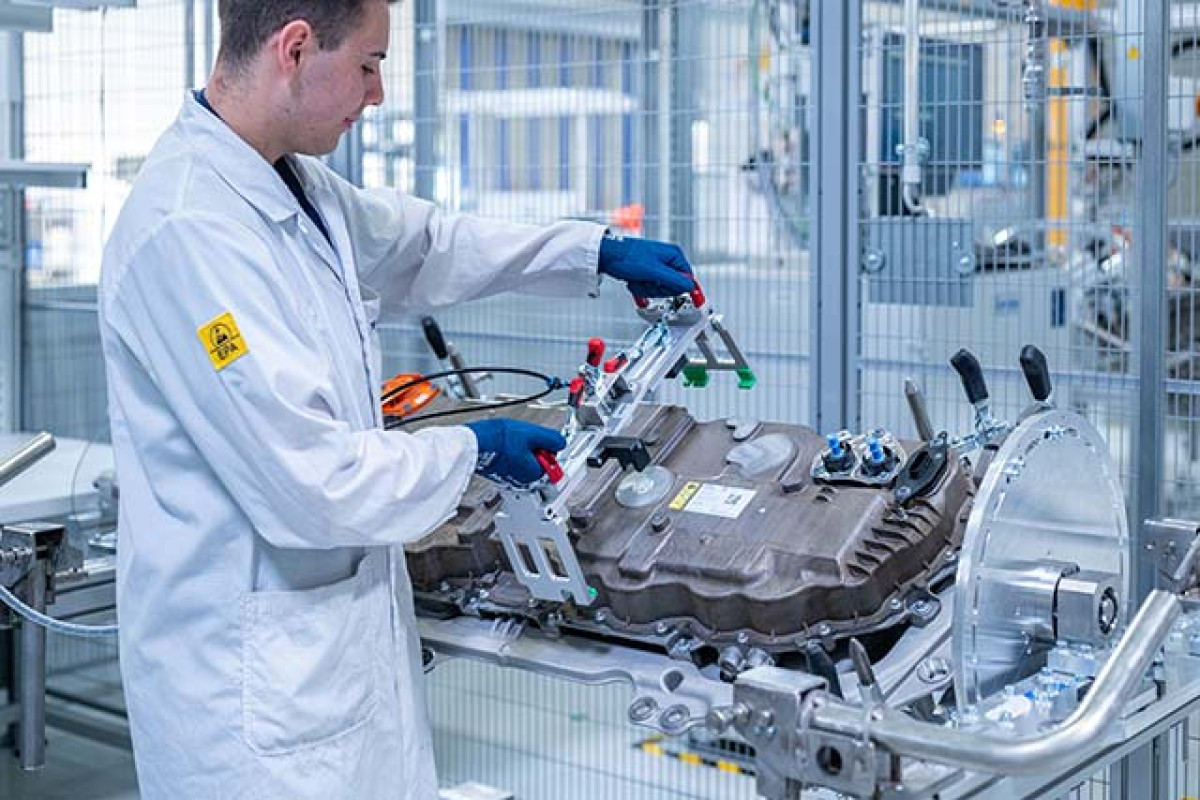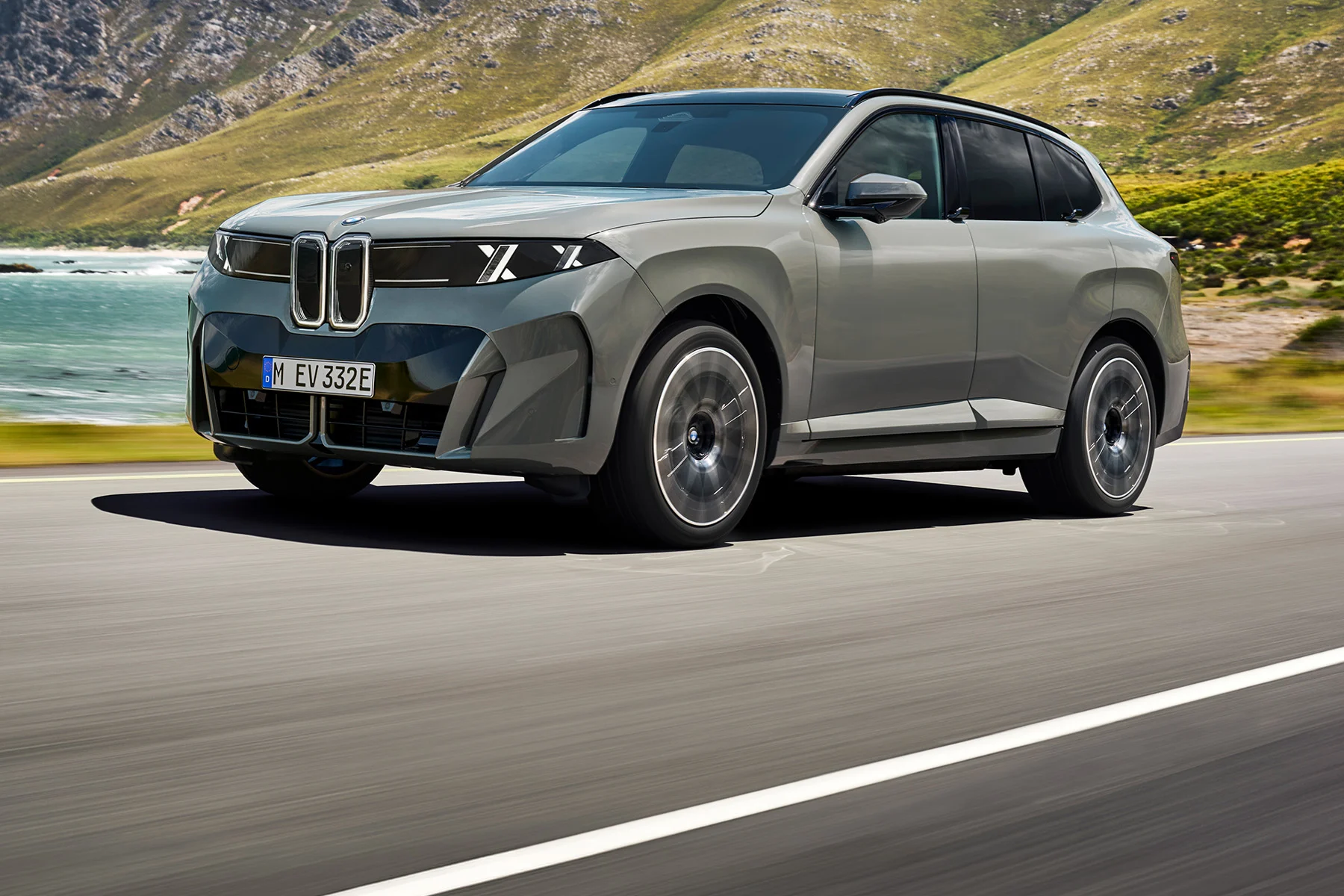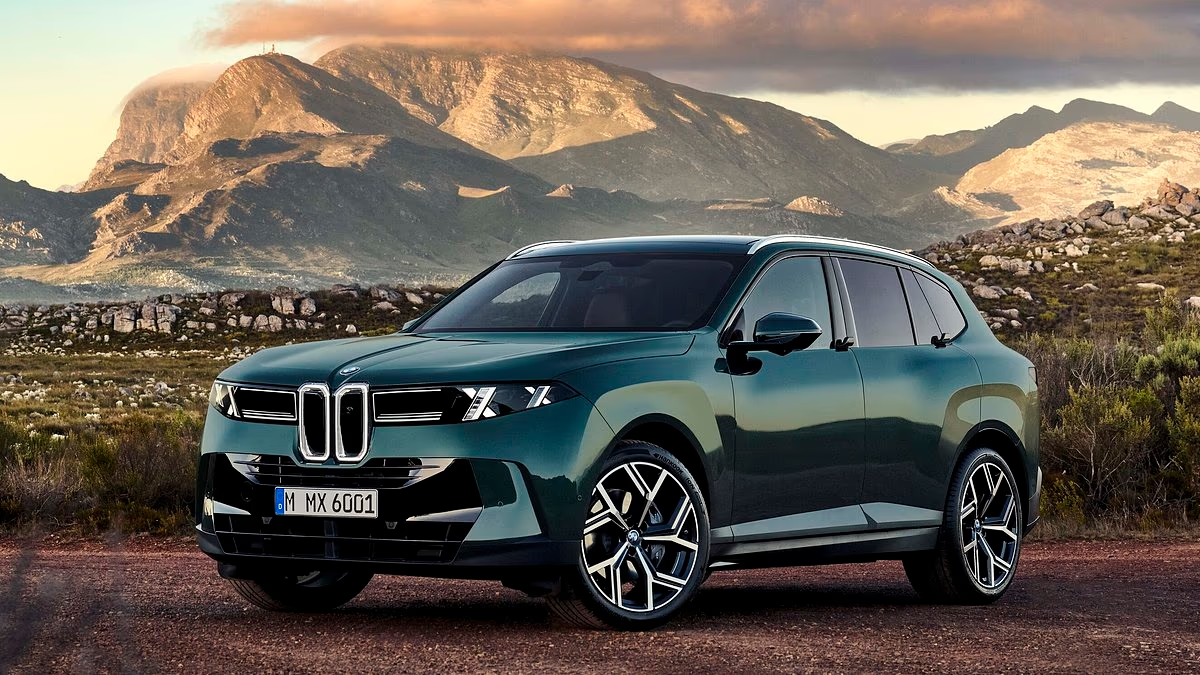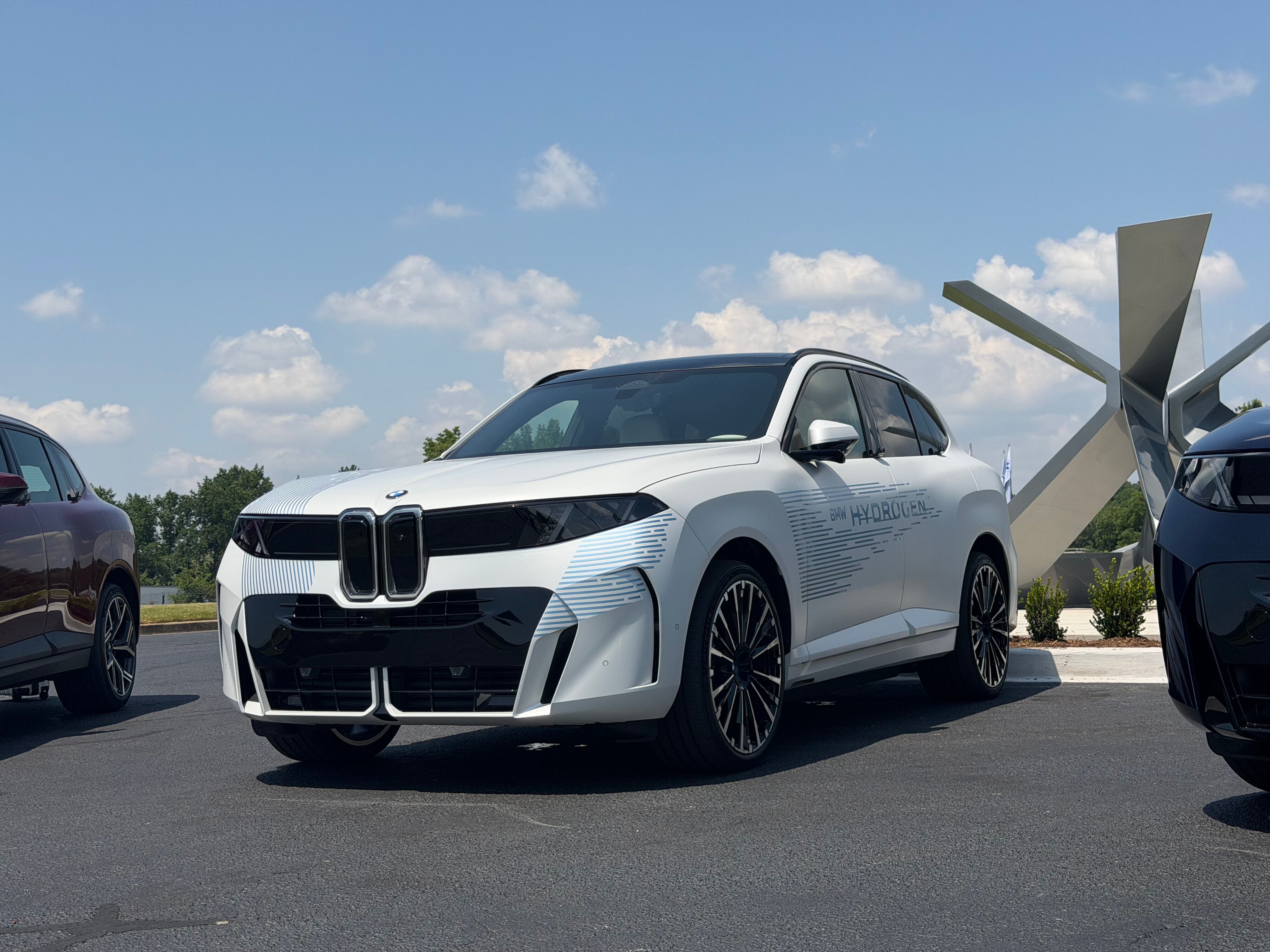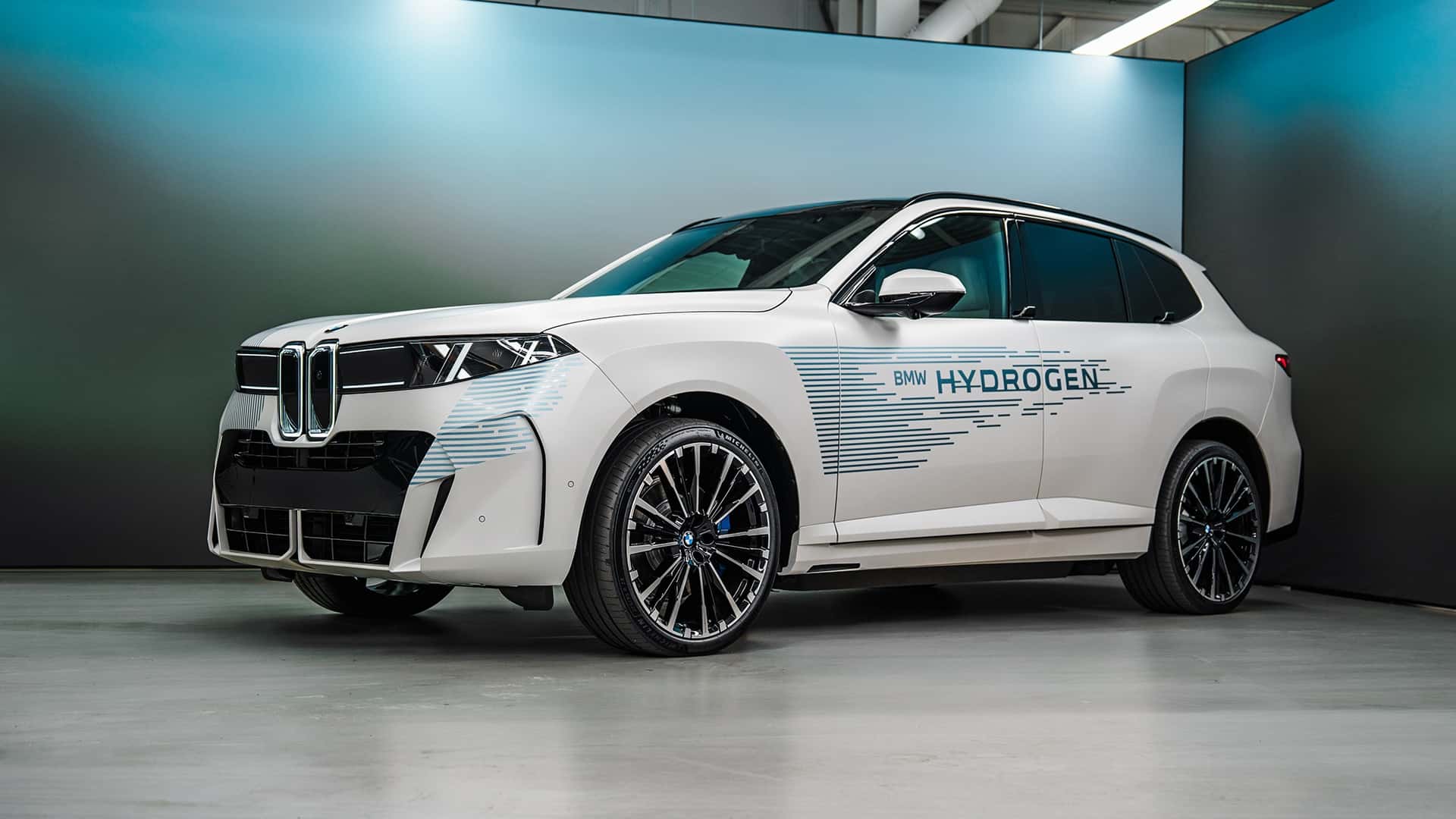
When BMW launched the fifth-generation X5 last week, one particular trim stood out from the rest. A white X5 with blue stripes marked its hydrogen-powered variant, one of the five powertrains the SUV will offer.
BMW will first offer the new X5 with hybrid gas and diesel powertrains, plus plug-in hybrid and fully electric options. The hydrogen-powered iX5 will arrive in 2028, the automaker said, without specifying which countries it will be available in.
It's a notable bet on a technology that has long struggled to gain traction. Unlike EVs, which are backed by rapidly expanding public fast-charging networks and increasingly mature supply chains, hydrogen as a fuel source for cars remains largely experimental. Refueling stations are still sparse and concentrated in a handful of markets.
Photo by: Suvrat Kothari
In the U.S., for example, all of the 47 publicly available hydrogen refueling stations are in California, according to the Department of Energy. As of last year, more than 80% of the world's hydrogen refueling stations were located in just five countries: China, Japan, South Korea, France, and Germany. There are far fewer hydrogen stations than there are gas stations or EV chargers. That's partly why hydrogen-powered EVs like the Toyota Mirai, Honda CR-V e:FCEV, and Hyundai Nexo have struggled to deliver any meaningful sales volumes.