In Focus delivers deeper coverage of the political, cultural, and ideological issues shaping America. Published daily by senior writers and experts, these in-depth pieces go beyond the headlines to give readers the full picture. You can find our full list of In Focus pieces here.Babies are contagious. Yes, often in the literal sense, in that they always seem to have one bug or another. But also, that they can spread baby fever at the drop of a hat. Encountering babies has a way of making one consider taking the plunge and becoming a parent, or becoming a parent again. New research from the Institute for Family Studies backs up that anecdotal observation, highlighting just how susceptible to influence human beings are. The institute’s new research indicates that the decision to become a parent isn’t principally shaped by economics or government policy, but instead by what people see others are doing — and by whether they imagine they’ll have help when it’s their turn.
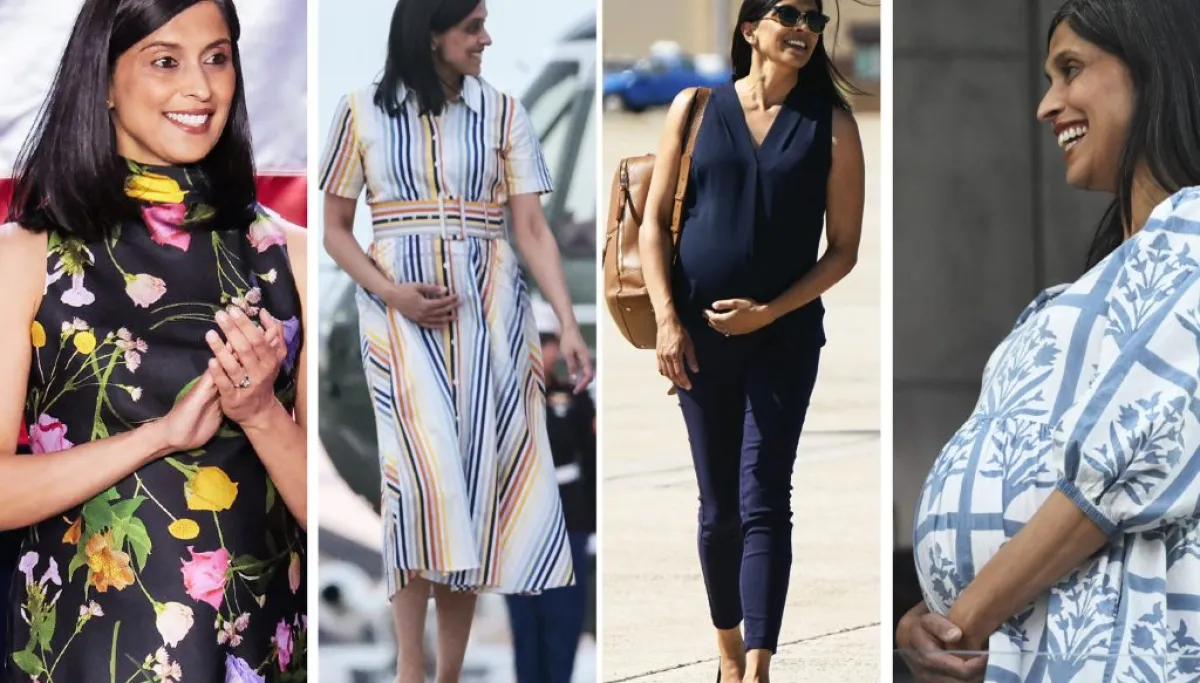
One of the most striking findings in the report is that public figures appear to shape fertility aspirations, particularly among women. The researchers asked nearly 4,800 Americans to identify the public figure they most admired, then compared that celebrity’s publicly known family size with the respondent’s own ideal family size. They found a measurable relationship: Each additional child an admired celebrity had was associated with an increase of up to 0.15 children in the respondent’s desired family size. The association was especially pronounced among women, leading the authors to conclude that “popular, peer, and public culture shape family size desires at least as much as family of origin or religion.” In other words, influencers don’t merely sell handbags or skincare routines — they appear to shape how young women imagine their own futures, including whether motherhood is a part of them.(Getty Images)