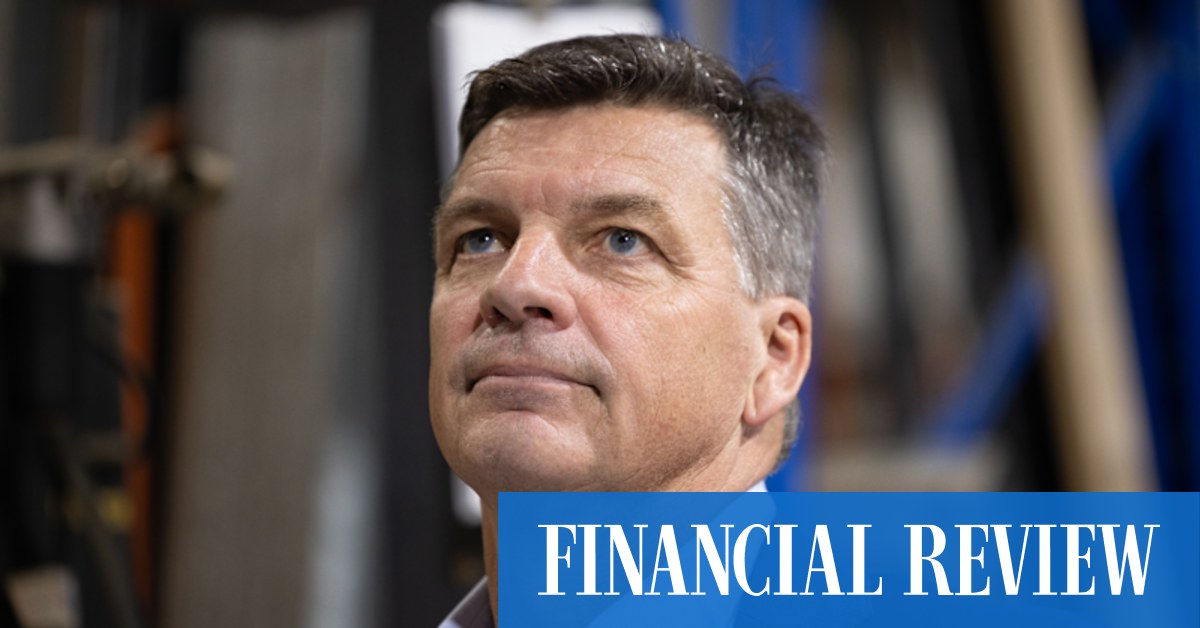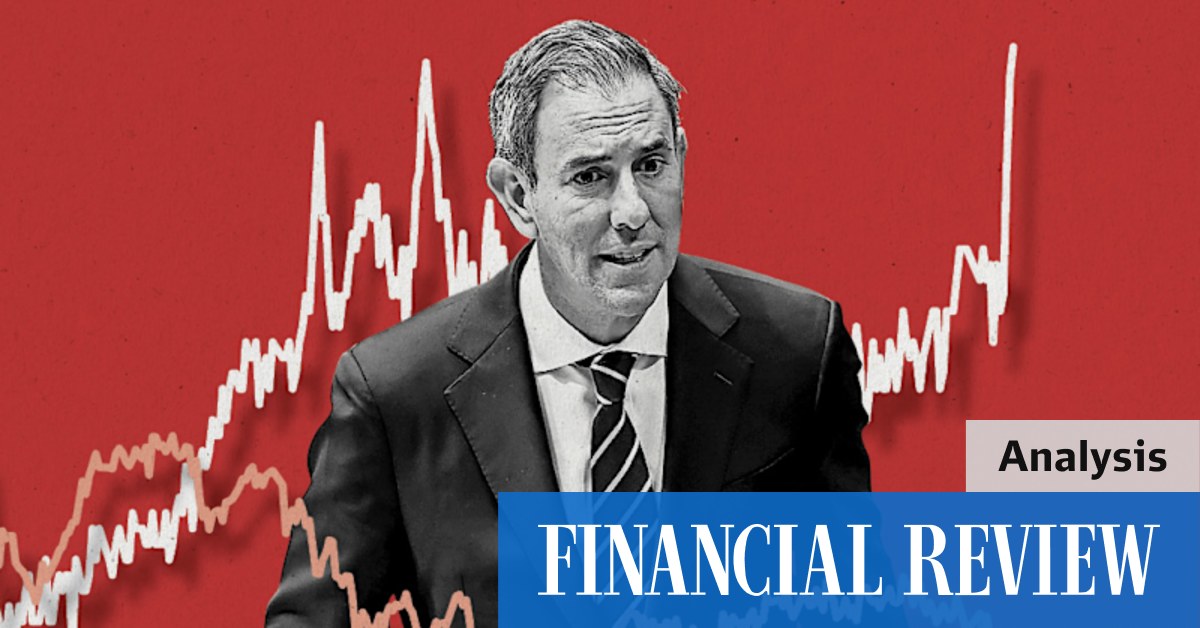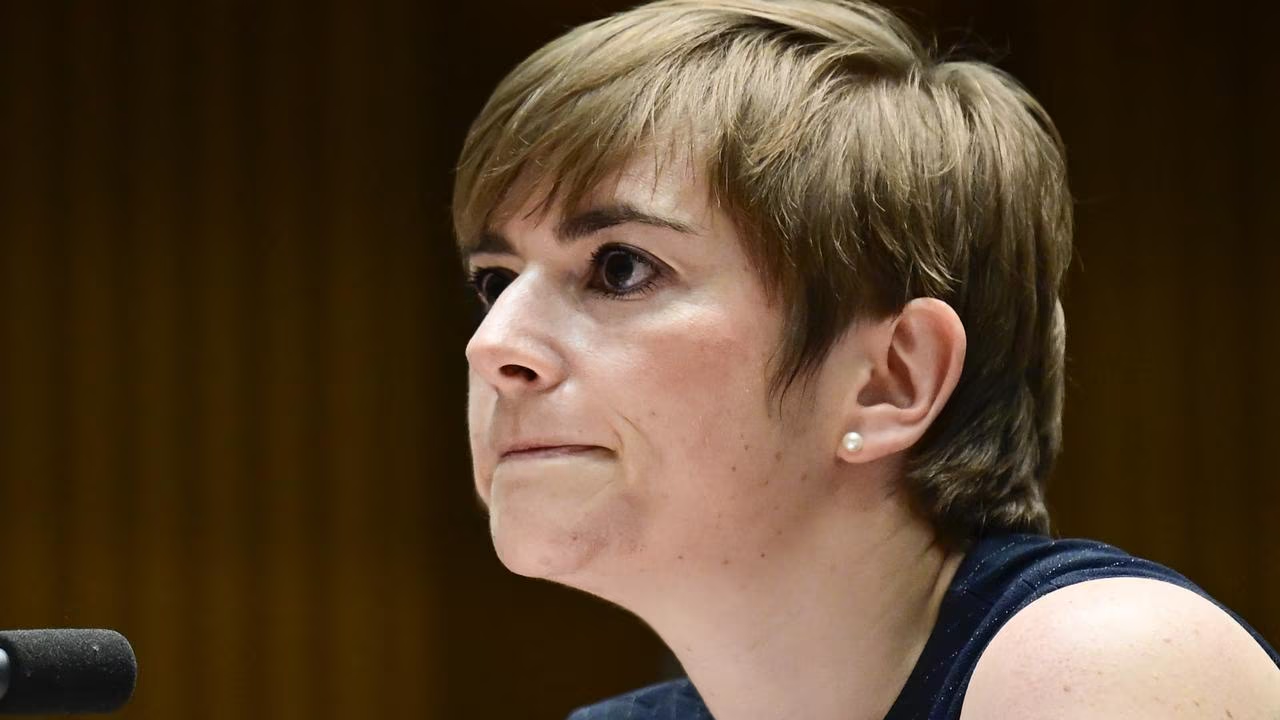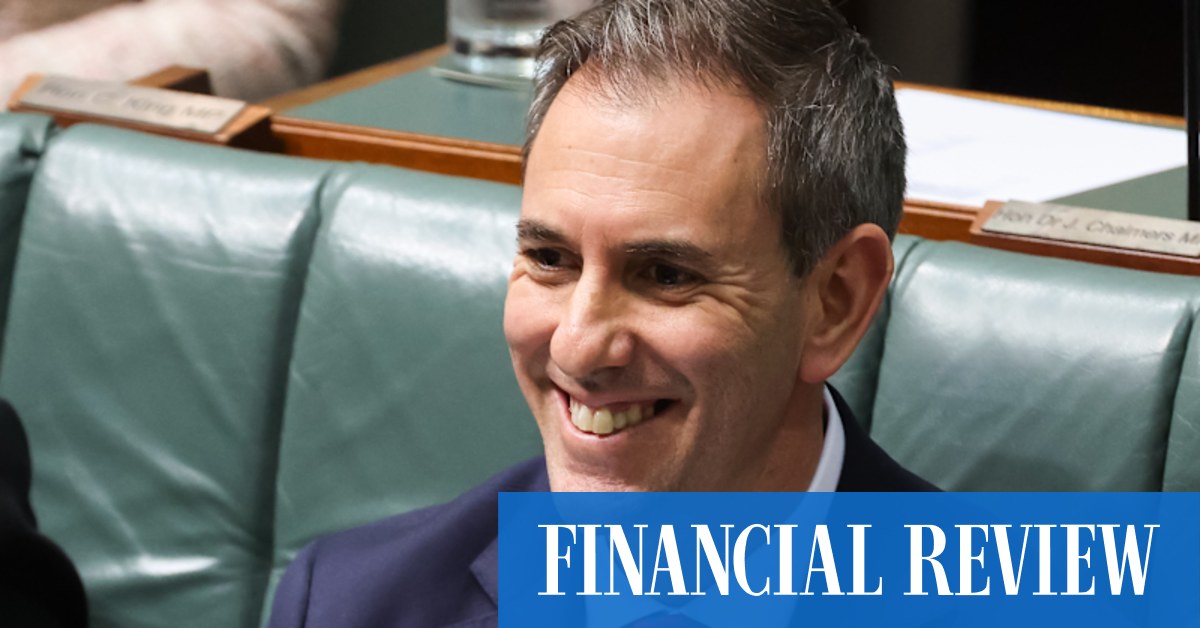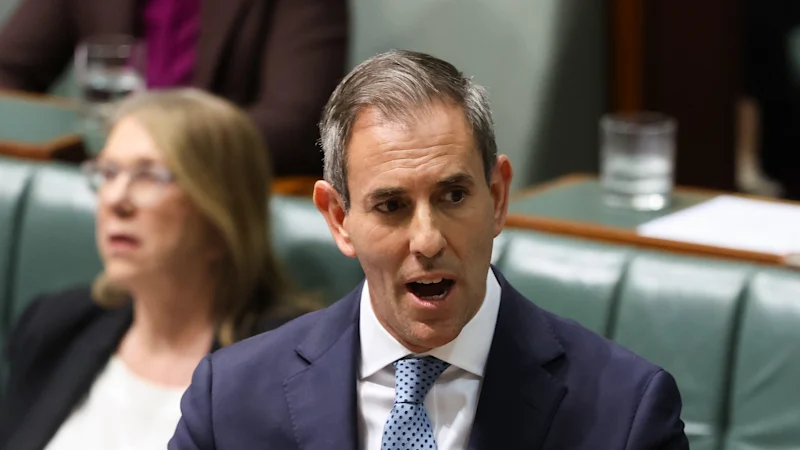
July 8, 2026 — 4:45amTreasurer Jim Chalmers’ inflation strategy will be tested by a push at Labor’s national conference to distance the party from the RBA and force the bank to keep rates lower in a bid to stop voters shifting to One Nation.Party activists want to alter the operation of the independent reserve after years of arguments from the Coalition and economists that Labor’s spending level was making it harder to bring down inflation.Treasurer Jim Chalmers.Alex EllinghausenAs the OECD warns Australia’s real wages are falling behind other similar nations, the government is facing calls to dump a section of the party’s platform that says Labor “supports the Reserve Bank’s inflation targeting framework”.Julijana Todorovic, a Melbourne lawyer who runs an advocacy group called Labor for Housing, said the Albanese government must reform the RBA because the party was “losing voters to One Nation in circumstances where voters think we’re part of the institutions that are hurting family budgets”.Chalmers’ office is trying to manage the bold proposal that will probably be debated at Labor’s conference in Adelaide later this month. Ministers are trying to avoid debates on AUKUS and Israel at the conference, which serves as a reminder of the tension between the aims of the party’s progressive base and its more pragmatic government.The forum, held every three years, hosts debates that contribute to the party’s national platform. The document guides the parliamentary party’s policy agenda. It is not binding on the cabinet, though it serves as a marker of sentiment within the party and can influence ministers’ decision-making.Julijana Todorovic, the co-convener of Labor For Housing.Alex EllinghausenA spokesperson for the treasurer said the government supported the independence of the Reserve Bank in delivering its dual mandate of price stability and full employment, indicating the amendment is unlikely to be supported.Progressives in Labor tend to argue for central banking that emphasises economic equity alongside price stability. Conservatives and some orthodox economists have argued that the RBA should have raised rates even higher in recent years to combat sticky inflation.In February, shadow treasurer Tim Wilson also called for a review of the RBA’s dual mandate, which requires the bank to keep inflation between 2 and 3 per cent while also maintaining “full employment”. Unlike the Labor group pushing to prioritise saving jobs, he suggested the bank had not done enough to keep prices stable.Chalmers faced scrutiny after he claimed in 2024 that the RBA, which is independent, was “smashing the economy”. After a period of rate decreases, the bank hiked rates again three times this year after it became clear that quicker-than-expected GDP growth could not be sustained in Australia’s low-productivity economy.The treasurer has previously distanced himself from former treasurer Wayne Swan’s criticisms, when the outgoing Labor president accused the bank of “putting economic dogma over rational decision-making”.Swan’s attitude reflected the private views of many in the labour movement, including some MPs. Kos Samaras, a pollster who remains close to party figures and who has been critical of the RBA, said many voters felt they were being punished by the bank when they were struggling to make ends meet.The proposed amendment to the platform will say: “Labor recognises that use of interest rate rises to curb inflation is a blunt instrument which hurts workers and vulnerable Australians first and hardest, rather than the asset class which plays a greater role in rising inflation.”“Labor recognises that a balance must be struck between tackling inflation and ensuring that rising interest rates do not hit Australians who can afford them least.”A spokesperson for the treasurer said the government supported the Reserve Bank’s independence in delivering its dual mandate.Todorovic emphasised that she believed in the importance of the RBA’s independence.A new mandate for the RBA could use a looser inflation target or tinker with the dual mandate to give more weight to unemployment than price stability.UNSW economist Richard Holden said of the activists’ proposal: “This is a very bad idea.”The phenomenon of central banks targeting inflation had been one of the great successes of economic management over the last few decades, Holden argued.He said households and business confidence in the RBA’s role meant temporary price spikes did not cause others to panic and pre-emptively raise prices or wages, avoiding what Holden called a “vicious cycle”.“We’ve just seen over the past few years what happens to workers when inflation gets well outside the RBA target band. Workers cop it from high inflation, actually.”“Every policy tool has differential impacts across demographics. That doesn’t make it a blunt instrument.”Influential unionist Michael Wright, of the Electrical Trades Union, is among several left-wing unions in talks over whether to support the RBA amendment.Wright said: “The holy grail in all this is to create a low-interest rate, low-inflation environment. Both high inflation and high interest rates hit workers hard. Whatever the short-term fix, the long-term solution is going big on skills; that’s how we get a more productive society.”Cut through the noise of federal politics with news, views and expert analysis. Subscribers can sign up to our weekly Inside Politics newsletter.Paul Sakkal is Chief Political Correspondent. He previously covered Victorian politics and won a Walkley award and the 2025 Press Gallery Journalist of the Year. Contact him securely on Signal @paulsakkal.14.Connect via X or email.From our partners
‘Losing voters to One Nation’: The push from inside Labor to force RBA to keep rates lower
Party activists want to alter the operation of the bank after years of arguments from the Coalition that Labor’s spending level was making it harder to lower inflation.
874 words~4 min read