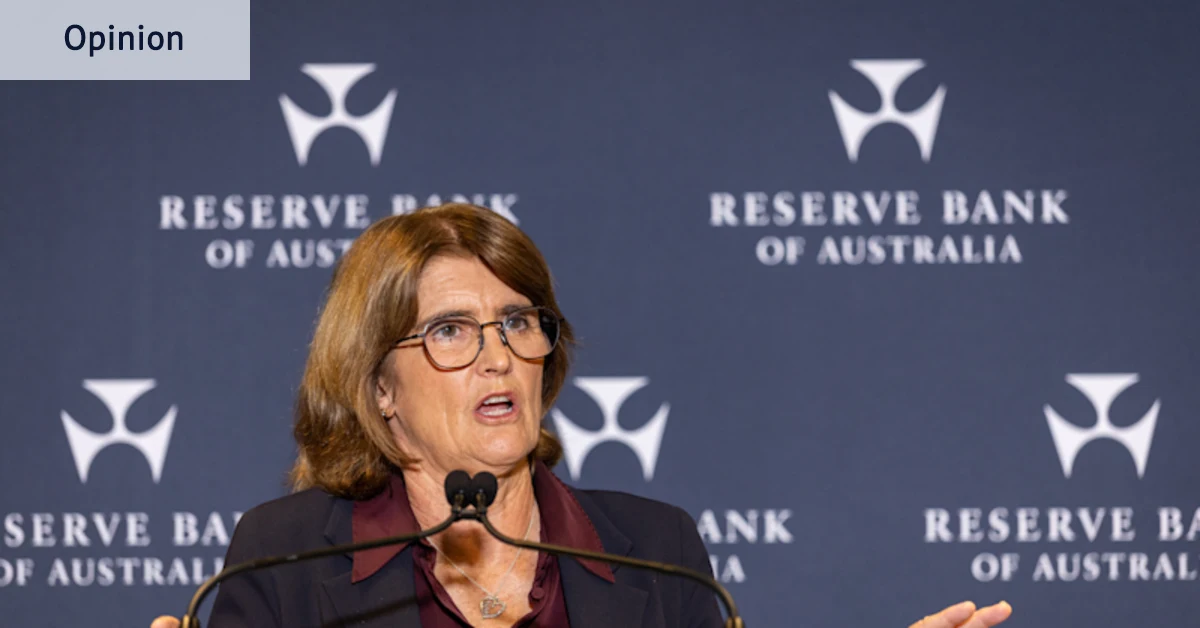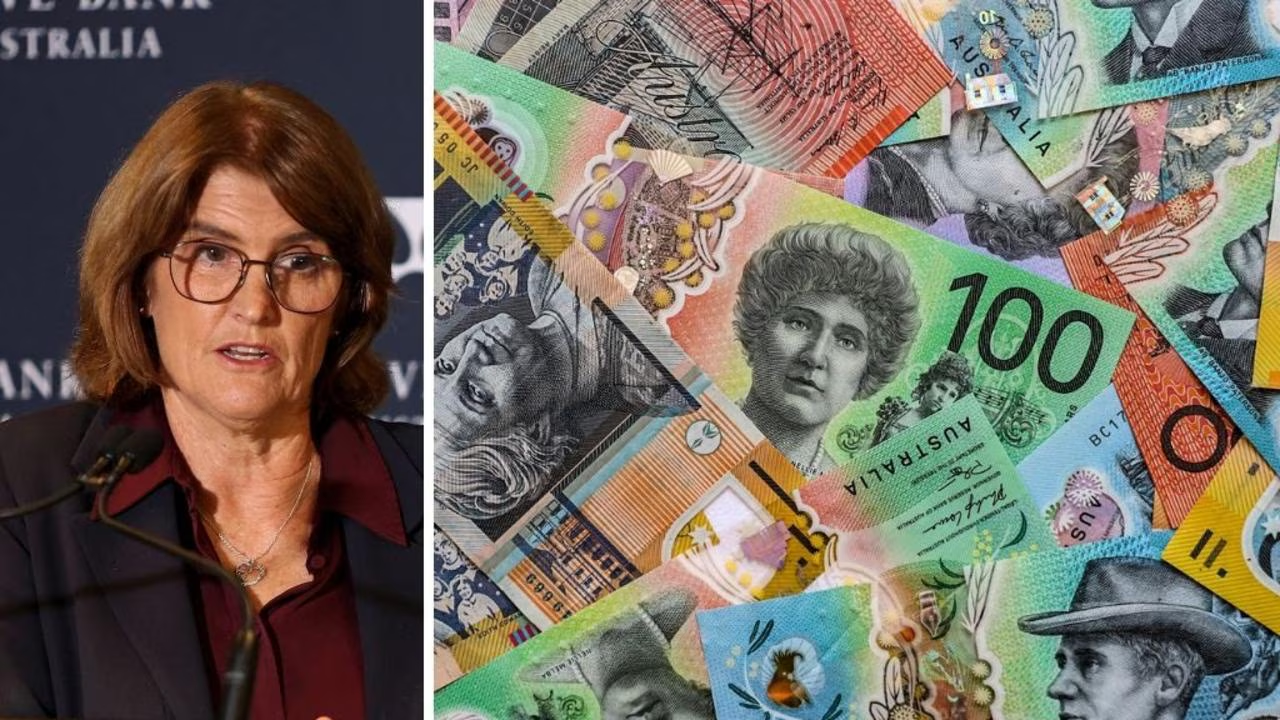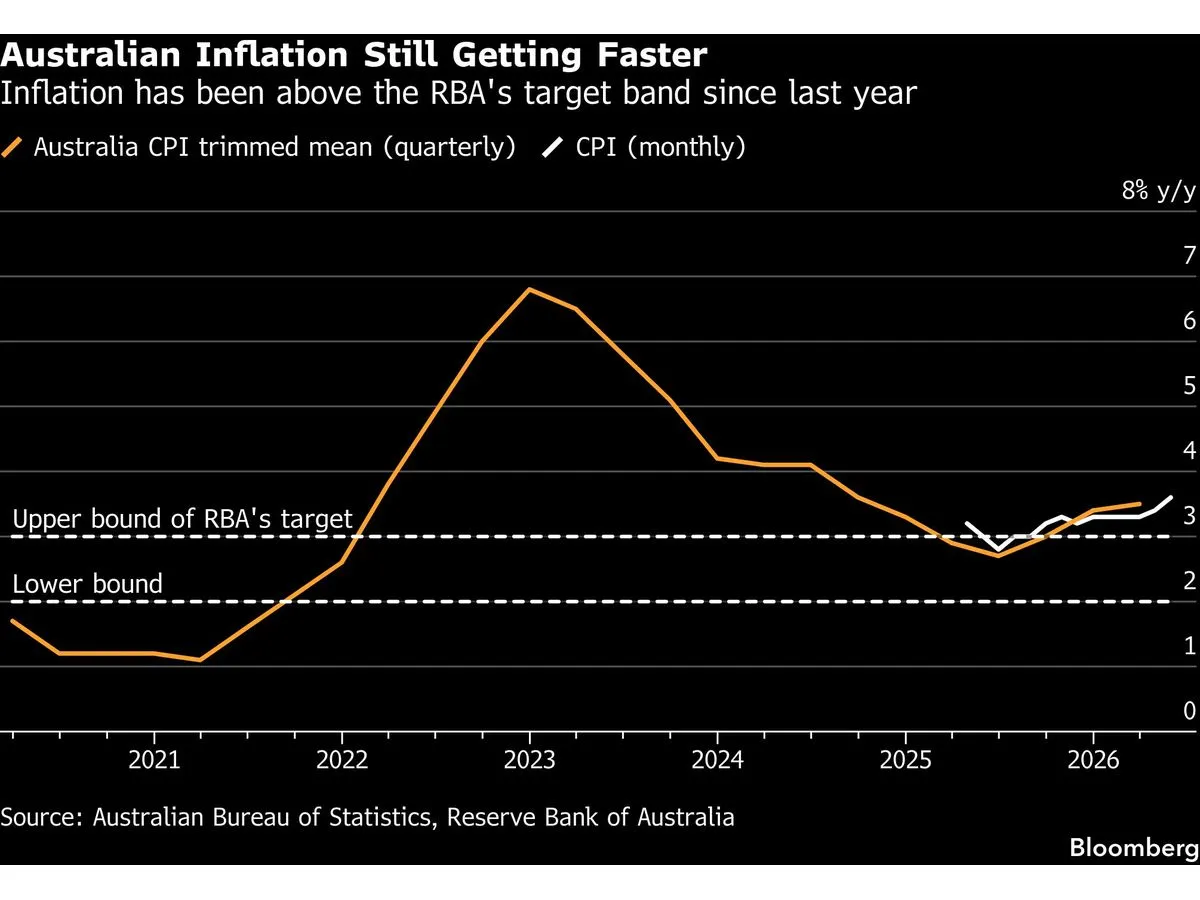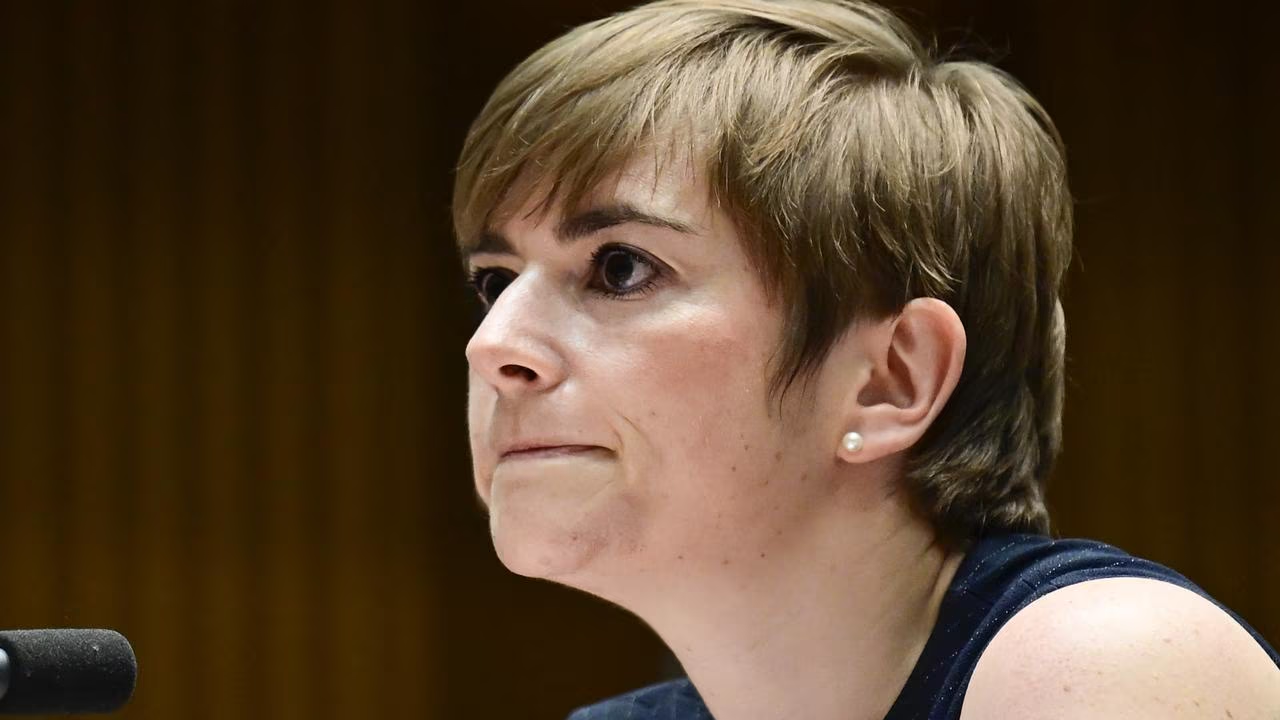
The RBA says Aussies may have to suffer through higher unemployment if it is to bring down rates.The bank’s chief economist and assistant governor Sarah Hunter gave an address to the Australian Conference of Economists in Canberra today.“We may need some period of low inflation and higher unemployment to bring expectations back down if they start drifting up,” she said in the speech.“Some economic costs are unavoidable … All policymakers can do is strike a balance in the face of a worsening trade-off.”She also said that the unemployment falling to 3.5 per cent after the pandemic had led to a “sharp pick-up in inflation”.Impossible choice for working AustraliansIt comes amid warnings persistent cost-of-living pressures will lead to Australians working more hours just to keep up. In a grim outlook. the OECD warns wages have simply been unable to keep up with persistently high inflation, leading to falling living standards. “This sustained erosion of purchasing power points to persistent pressures on household incomes, even as the labour market has remained broadly solid,” the OECD said of Australia.“These pressures are compounded by a decline in the real minimum wage between April 2025 and April 2026, placing Australia among only 11 OECD countries where this occurred and further weighing on the incomes of the lowest-paid workers.”According to the OECD findings, inflation-adjusted salaries also fell in other rich countries such as New Zealand, the Czech Republic, Italy and Sweden.The European countries have subsequently recovered, with the OECD claiming living standards in Australia and New Zealand remain near post-Covid pandemic lows. To compensate for higher cost of living, the RBA’s Ms Hunter said households would either stop spending or try to work more. “Another way households may respond if they are constrained is by trying to work more to increase their income,” Ms Hunter said in a speech at the Australian Conference of Economists.“Recent joint RBA-IMF research found evidence of this, showing households responded to cost-of-living pressures in post-Covid-19 by increasing their labour supply.“Those with a larger mortgage (all other things equal) who were more exposed to rising rates were more likely to enter employment.”Cost-of-living pressures to remain for years While Australians may want to work more to offset rising costs, a separate Deloitte Access Economics report warns unemployment will jump in the next 12 months thanks to higher inflation and interest rates. Deloitte said the unemployment rate would rise to an average of 4.9 per cent in the 2026-2027 financial year.This will eventually peak at near 5 per cent by 2028 before inflation cools and the central bank begins to lower interest rates.Deloitte forecasts headline inflation will remain above 4 per cent for the rest of the calendar year, adding to households’ financial woes.“Inflation has re-accelerated, interest rates have moved higher, and the oil price shock triggered by conflict in the Middle East is not yet fully resolved,” Deloitte Access Economics partner Stephen Smith said.“To date, 2026 has revealed the vulnerabilities that have developed within the Australian economy over recent history. Australia is now structurally exposed in ways that have become hard to ignore.”This will likely lead to a fourth interest rate hike in August, taking the cash rate to 4.60 per cent, before the central bank holds for the next 12 months, Deloitte says. The OECD also forecasts more pain for Australians, with real wages likely to decline by a further 1 per cent by September due to a bump in inflation caused by the US/Israel and Iran war. The closure of the Strait of Hormuz disrupted 20 per cent of global oil and gas supplies and lifted the price of oil to about $US120 ($A172) a barrel before a shaky peace deal was signed.Oil prices then reverted to near pre-war levels of about $US70 ($A100) a barrel.According to AMP, Australians pay an extra 10 cents at the fuel pump for every $10 increase in the price of oil,Australia’s headline inflation came in at 4.0 per cent for the 12 months until May, down from 4.2 per cent in April.Both of these figures are above the RBA’s target of 2 to 3 per cent inflation.The cooling of inflation came largely due to the federal government temporarily halving the fuel excise, with automotive fuel prices falling 11.9 per cent in May after dropping 7.0 per cent in April.Read related topics:Reserve Bank
Impossible choice for working Australians
The RBA says Aussies may have to suffer through higher unemployment if it is to bring down rates.
717 words~3 min read