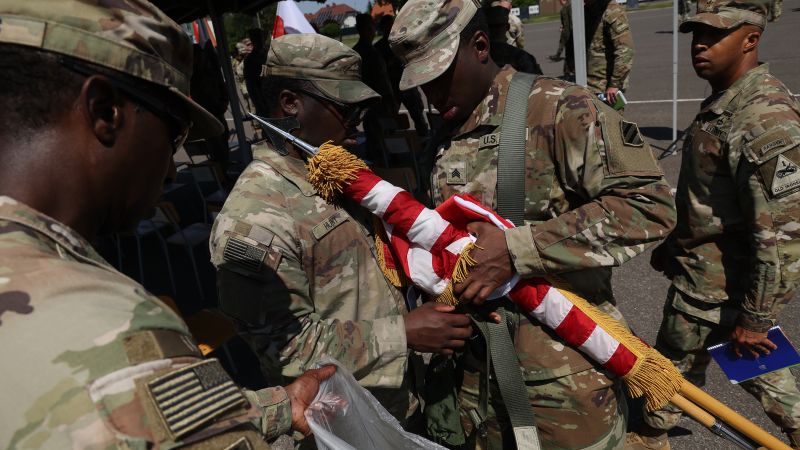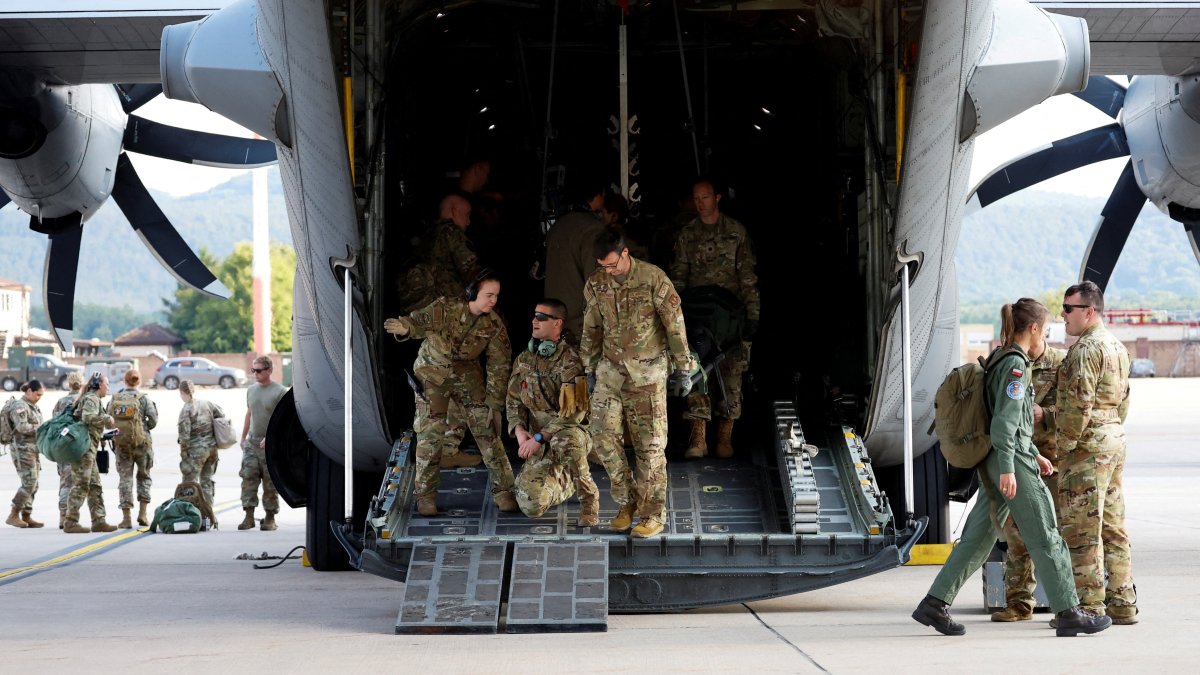
President Trump is escalating his standoff with European NATO allies in a way that could reshape the transatlantic security architecture. After announcing the withdrawal of roughly 5,000 US troops from Germany on May 1, Trump spent the following days hinting that the pullback could go “a lot further than 5,000,” raising the specter of a full American military exit from the continent.
Around 30,000 US troops will remain stationed in Germany after the initial drawdown.
What’s actually happening
The troop withdrawal from Germany is part of a broader Pentagon force posture review that has also flagged potential personnel reductions in Italy and Spain. Trump’s stated rationale is straightforward: European allies haven’t sufficiently backed the US in its ongoing conflict with Iran, and he’s tired of footing the bill for their security while they sit on the sidelines.
The dispute centers on European criticism of US strategy in the Iran war. German Chancellor Friedrich Merz has been a particular focal point of Trump’s frustration. In Trump’s framing, allies who won’t support American military operations abroad don’t deserve American military protection at home.