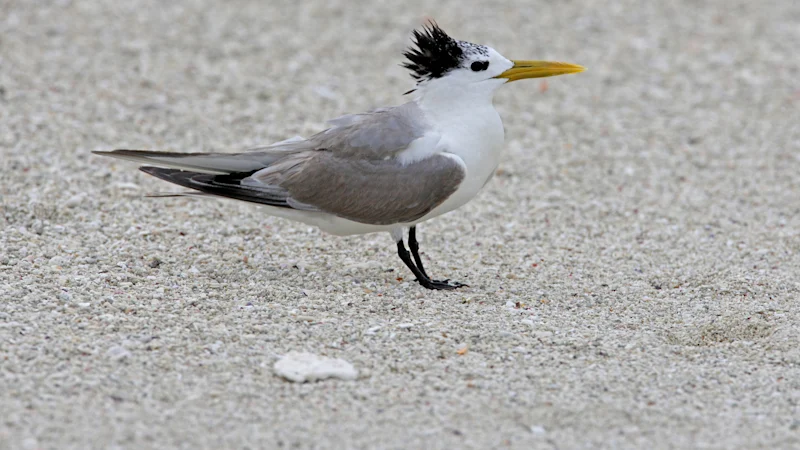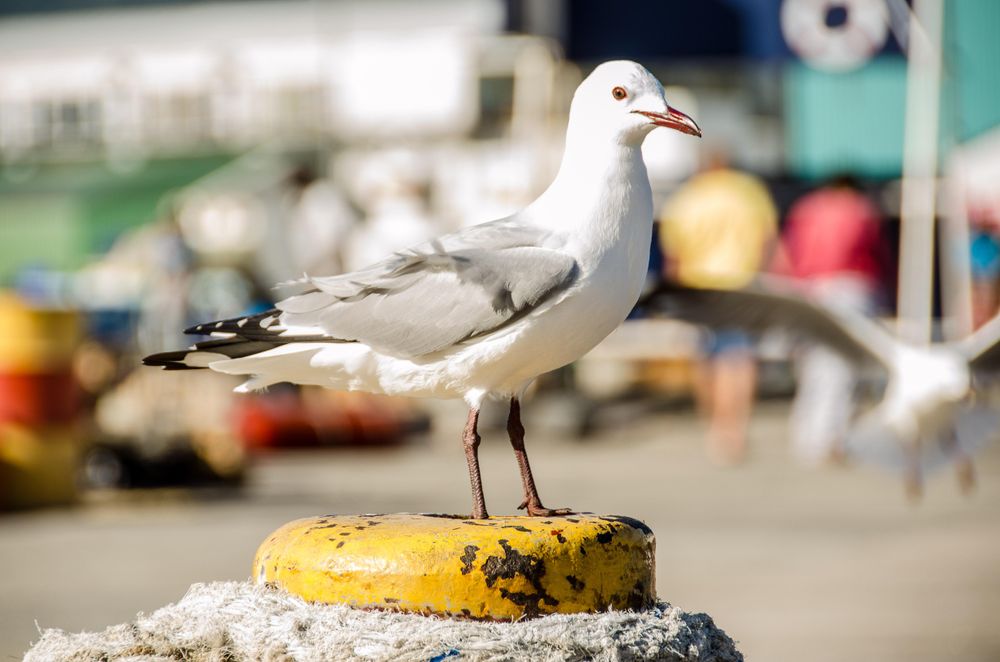
Hartlaub's Gull (Chroicocephalus hartlaubii)
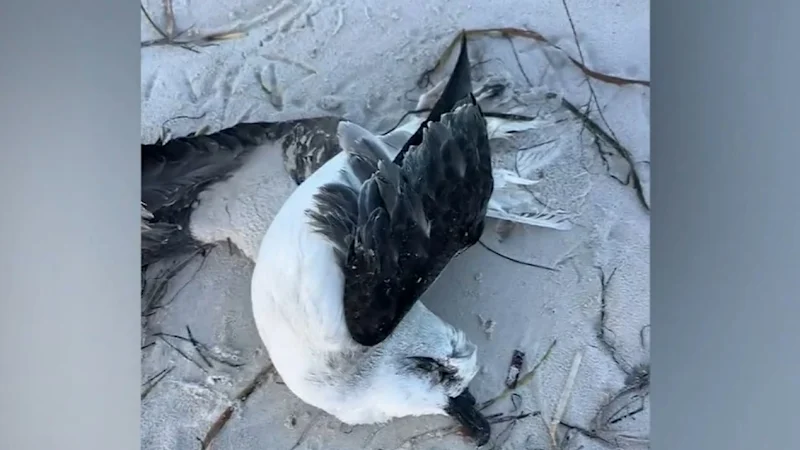
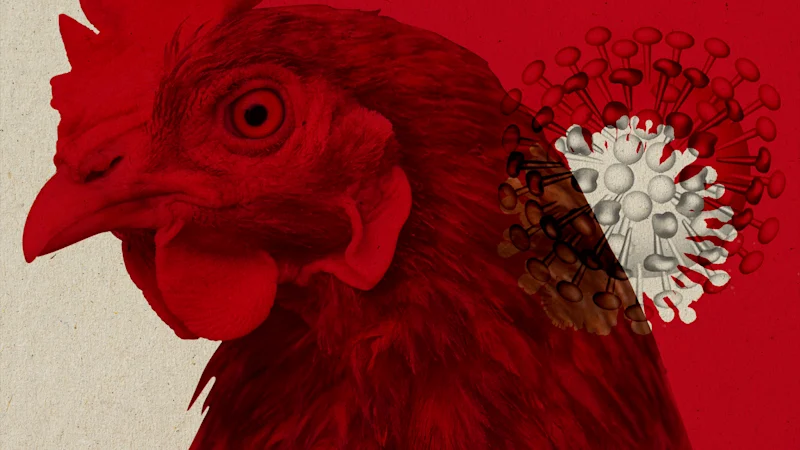
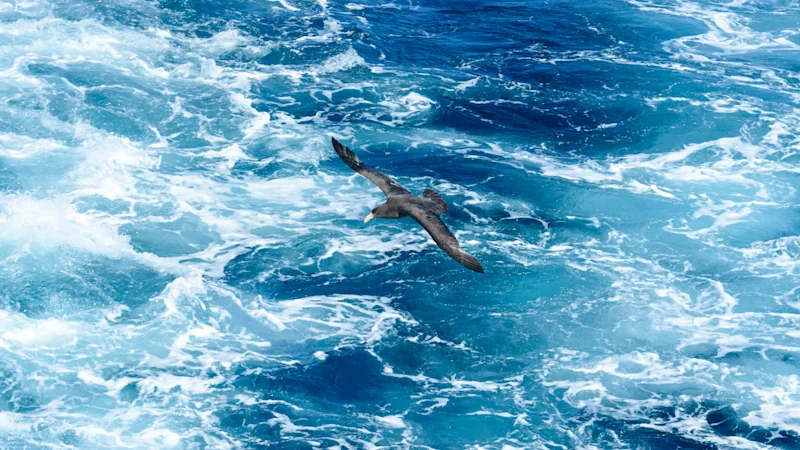
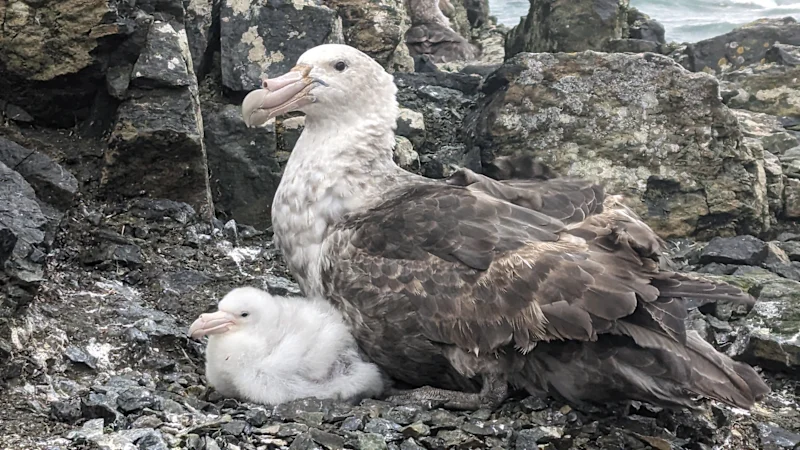
Members of the public across South Africa are being urged to stay away from the coastline and avoid any contact with wildlife as a highly pathogenic strain of avian influenza continues to devastate wild bird populations along the Western Cape.
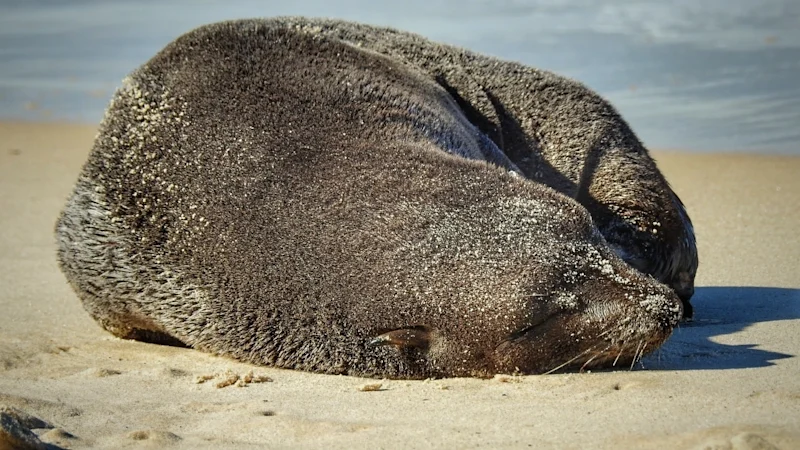
Wildlife authorities issued the stark warning to mark World Seabird Day, revealing that the current outbreak of the virus—commonly known as bird flu — is causing significant mortality among vulnerable marine species. Environmental officials have implored coastal visitors and residents not to touch, move, or attempt to rescue sick or dead birds, warning that domestic pets must also be kept strictly away from affected areas to prevent further transmission.
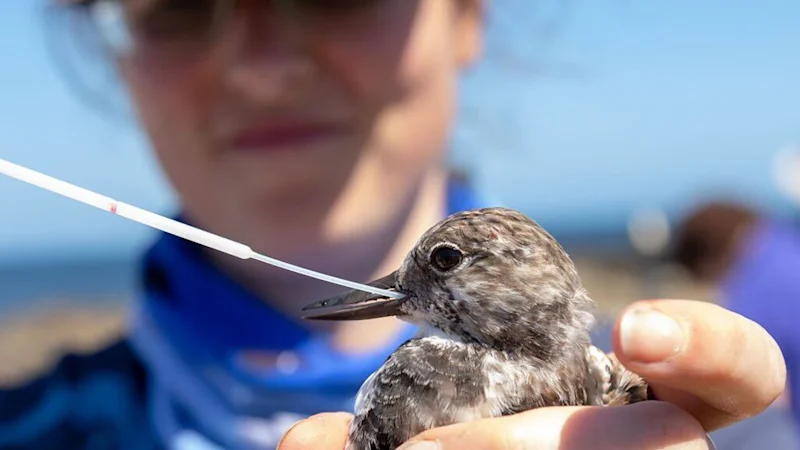
The scale of the crisis has prompted conservation bodies to scale up monitoring efforts, with experts warning that certain strains of the virus can cross the species barrier to infect humans. Although human infections remain rare, beachgoers are being advised to seek immediate medical advice if they develop flu-like symptoms following any potential exposure.
Dr Ashley Naidoo, the chief executive of CapeNature, stressed that seabirds act as critical indicators of the health of fragile marine and coastal ecosystems. He stated that by reporting suspected cases and rigorously following safety guidelines, the public can actively support conservation agencies in responding effectively while drastically reducing the health risks to both wildlife and people.