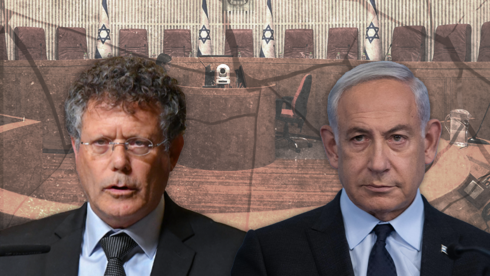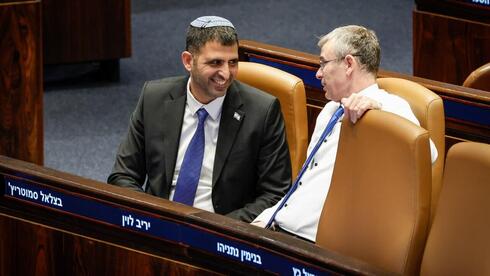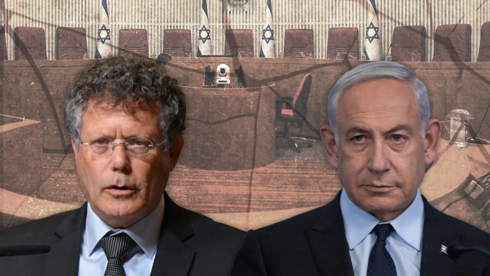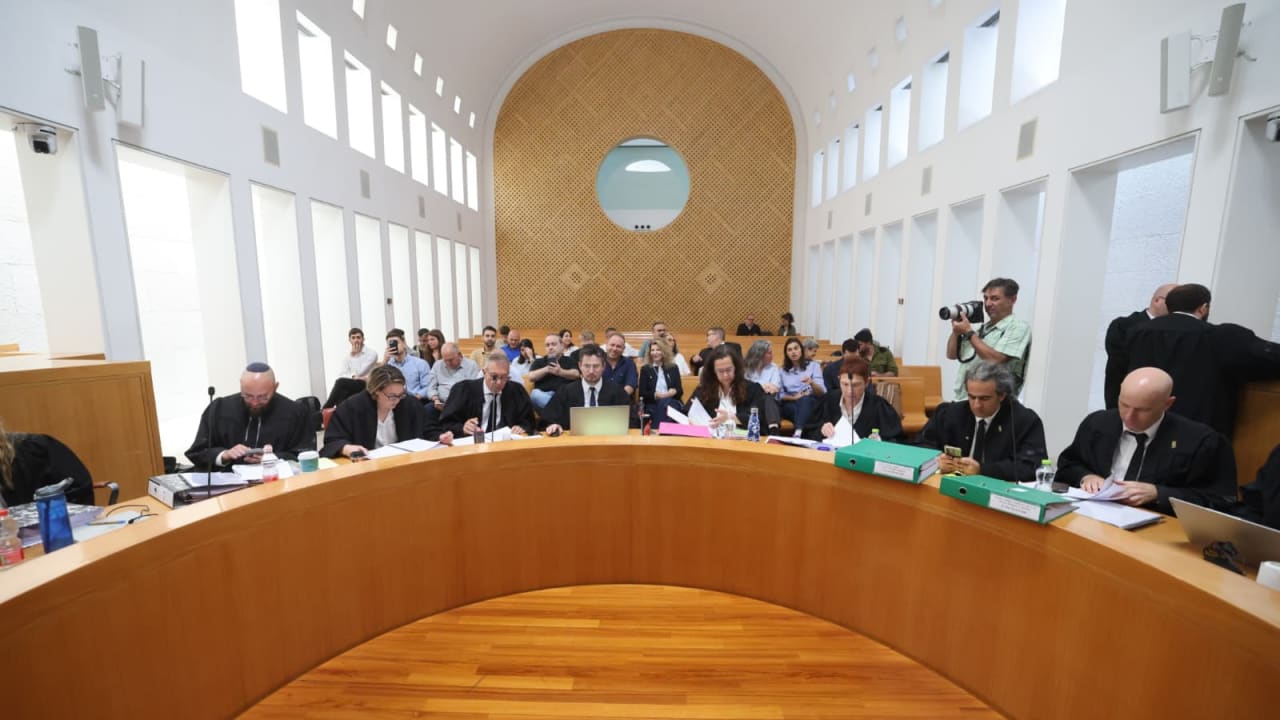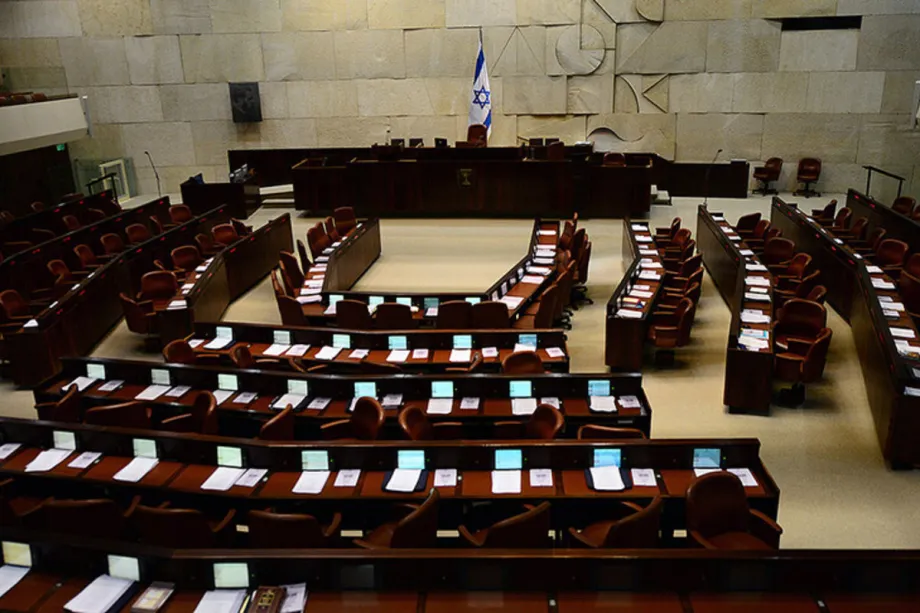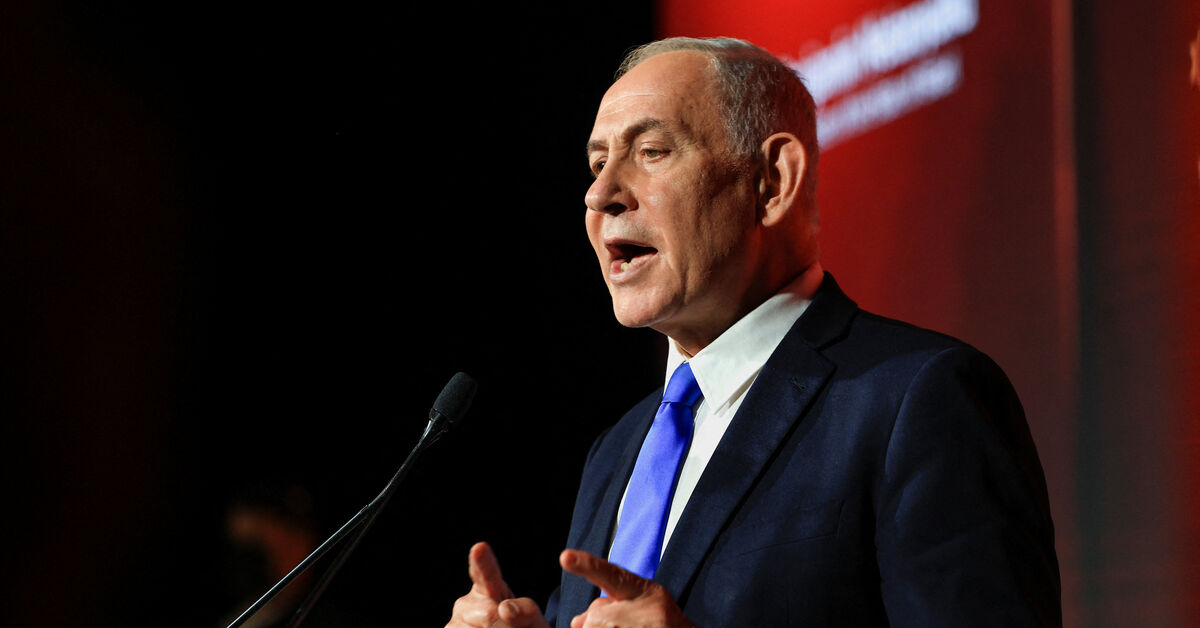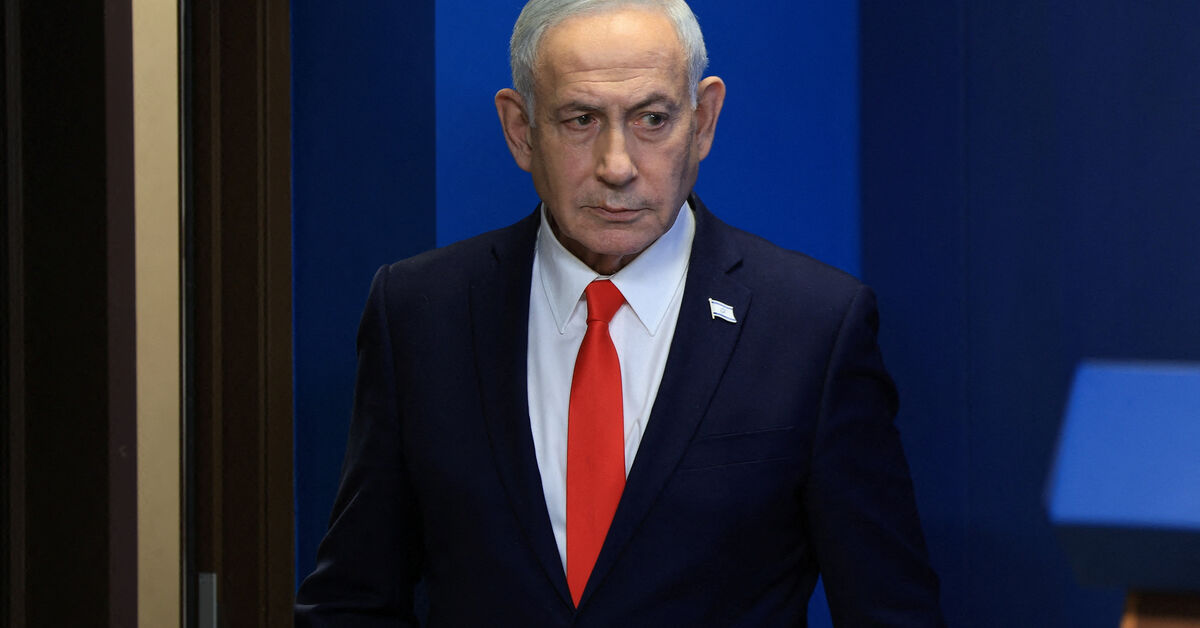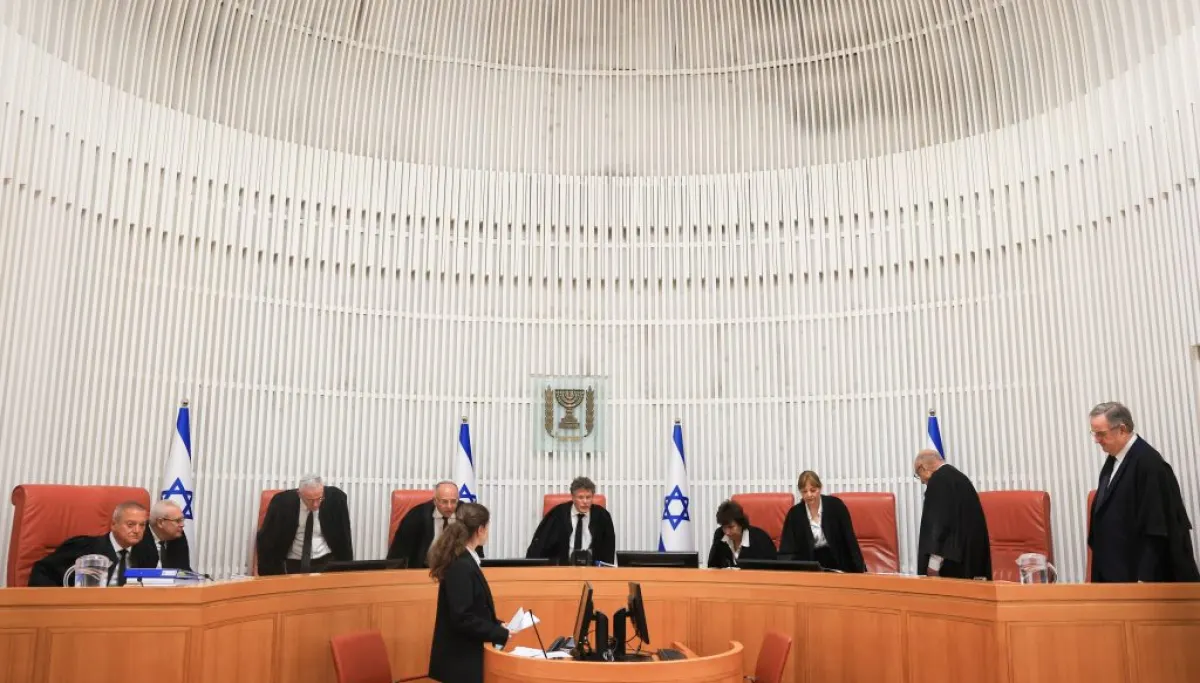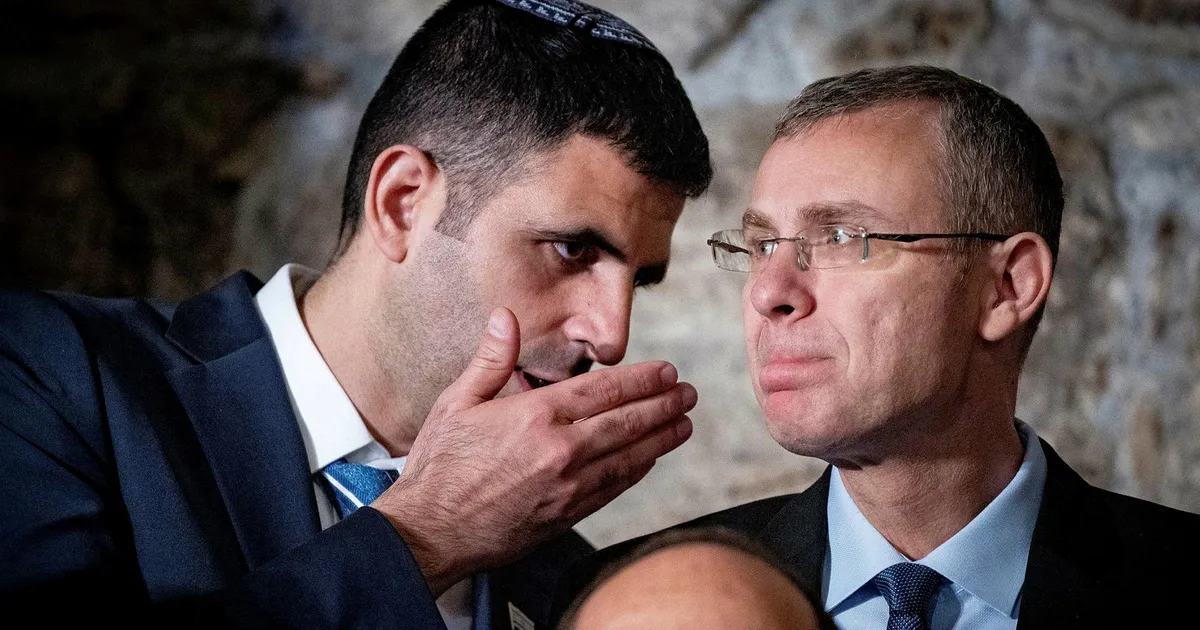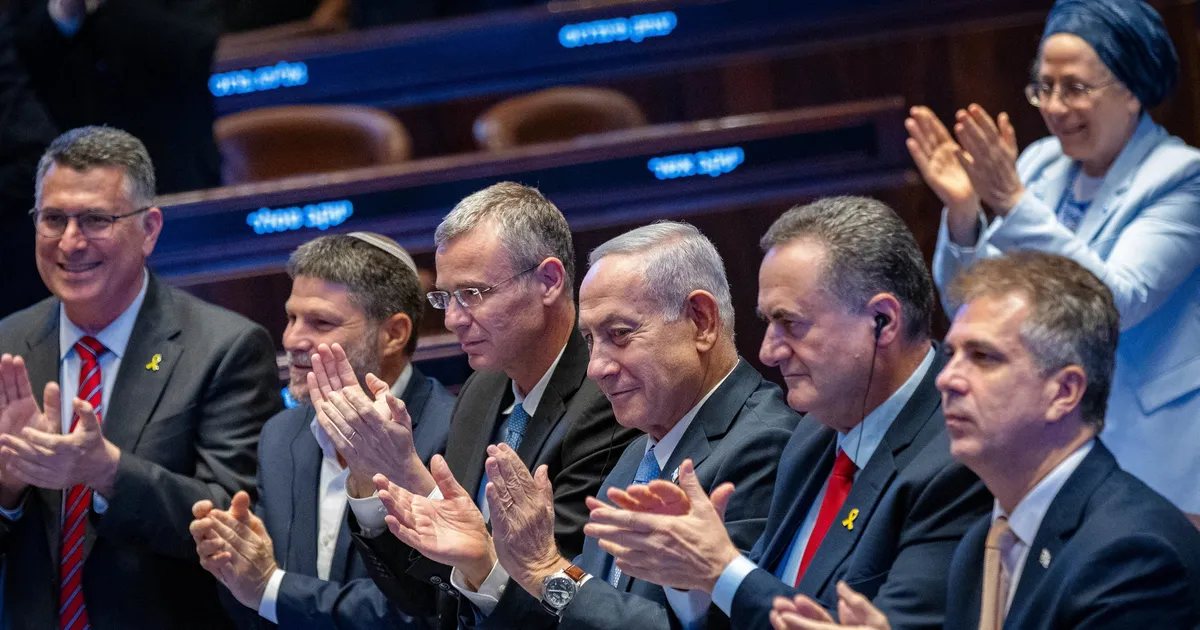
The Second Authority Council oversees commercial TV and radio, including ownership changes such as the sale of Channel 13; now, after resignations, disputed appointments and a High Court order, it has become the latest battleground between the government and the judiciaryAfter months of open and behind-the-scenes fighting between the government and the High Court of Justice, the confrontation has reached a boiling point over a little-known media regulator: the Second Authority Council.At the start of the week, the government announced that it would not recognize decisions made by the council in its current composition, even though the High Court had ordered that it be allowed to continue operating after its number of members fell below the legal threshold. What might sound like an internal regulatory dispute has now become a direct clash between the government and the Supreme Court, with practical consequences for Israel’s commercial media market and broader implications for the rule of law.GalleryFrom right: Chief Justice Yitzhak Amit, Communications Minister Shlomo Karhi and Prime Minister Benjamin Netanyahu (Photo: Shalev Shalom, Nahum Segal)At the center of the crisis is a relatively obscure public body that oversees commercial television and radio. The council has found itself trapped between the government and the court, leaving the broadcasters it supervises, and several major decisions awaiting approval, in uncertainty. One of the most sensitive issues on its desk is the proposed sale of control of Channel 13.The Second Authority for Television and Radio was established in 1990, when Israel opened its television and radio markets to commercial broadcasting. Until then, broadcasting had been dominated by state-run media. The authority and its council were created to supervise commercial broadcasters, which naturally seek to maximize profits, and to ensure that public-interest considerations are also protected.The council was designed as a public council within an independent public body, so that oversight of broadcasts would not be carried out directly by the communications minister or his ministry. At the same time, its members are appointed by the government on the recommendation of the communications minister. In its full composition, the council has 15 members.Although Israelis now consume much of their television and radio content through streaming platforms and online services, the council still holds important regulatory powers. It monitors commercial TV channels to ensure, for example, that they do not include excessive hidden advertising or exceed permitted advertising time. It handles complaints about offensive or inappropriate broadcast content. It ensures that broadcasters include enough local Israeli production in their schedules. It also supervises and approves, or refuses to approve, transfers of ownership in media outlets.Communications Minister Shlomo Karhi is advancing two parallel moves. The first is a broad reform of the media market. Karhi argues that maintaining two separate regulatory bodies, the Second Authority Council and the parallel Cable and Satellite Broadcasting Council, is unnecessary, wasteful and creates overregulation that makes it harder for commercial broadcasters to survive. His stated goal is to reduce regulation and increase competition.The second move is the replacement of the Second Authority Council and the appointment of new members, or at least the effective paralysis of the current council. After the High Court froze the entry into office of some of Karhi’s appointees, an unexpected wave of resignations followed. Seven council members announced they were stepping down, leaving the council with fewer than 10 members.Under the law, only a council with at least 10 members can make decisions. Karhi argues that the current council has therefore lost its authority. Despite that legal threshold, the High Court recently allowed the council to convene, deliberate and make decisions even with its reduced membership. The government responded by saying that if the High Court was acting contrary to the law, it would not respect the ruling and would not recognize the council’s decisions in its current form.In other words: a constitutional crisis.Karhi did not invent the desire to reform media regulation. Calls for change were raised under previous governments as well. The main dispute now is over the method. Critics of Karhi’s moves argue that the government is trying to politically take over a regulator that is supposed to remain independent. Some of the appointments Karhi managed to advance involve people with political affiliations, and critics say the appointments were rushed, carried out improperly and, in some cases, involved candidates who lack the qualifications and experience required for the role.The council’s current chairman is Mordechai Mordechai, a former director-general of the Communications Ministry. Its members include Isfahan Bahloul, a researcher of media processes and collective memory and the daughter of former lawmaker and broadcaster Zouheir Bahloul, whom Karhi tried to remove on conflict-of-interest grounds; Einat Dayan, a marketing consultant and director in several organizations; Michal Dagon, CEO of the Dvora Forum and a former senior producer at the Kan public broadcaster; attorney Tzipi Manheimer, a strategic adviser in politics and business; Prof. Ilan Tamir, a scholar of the relationship between sports, society and media and former head of Ariel University’s School of Communication; and Shmuel Shetach, an educator from the liberal religious-Zionist community who previously served as CEO of the Ne’emanei Torah Va’Avodah movement.Dr. Yifat Ben-Hai Segev (Photo: Gil Yohanan)Karhi’s intended replacement for Mordechai as council chair is Dr. Yifat Ben-Hai Segev, a communications scholar and former chair of the Cable and Satellite Broadcasting Council. Ben-Hai Segev was a prosecution witness in Case 4000, the corruption case involving Prime Minister Benjamin Netanyahu and the former controlling shareholder of Bezeq and Walla. In her court testimony, however, she presented a version that aided Netanyahu’s defense line, and prosecutors sought to have her declared a hostile witness, a request the court did not approve.Karhi also wants to appoint attorney and media figure Kinneret Barashi, who is identified with Channel 14 and is known, among other things, for having represented A. from the President’s Residence in the Moshe Katsav affair; and Rabbi Dr. Haim Shine, a lawyer, legal scholar and columnist for Israel Hayom, who is an open Netanyahu supporter and frequently criticizes journalists and media outlets.Earlier, Karhi appointed Chen Kedem-Maktobi, a former energy-sector lobbyist who served as a personal assistant and spokeswoman for Minister Miri Regev; Prof. Moshe Kaspi, a retired researcher and lecturer in industry and management and former dean of students at Ben-Gurion University; Amir Assi, a strategic consultant and manager specializing in Arab society; and Yoni Shimoni, director of the municipal conservatory in Kiryat Motzkin. Council member Dr. Odelia Mines, a senior law lecturer and director of the Haredi campuses at Ono Academic College, was not appointed by Karhi, but he promoted her to chair the temporary council.So far, five members have formally resigned: Kaspi, Assi, Mines, Dr. Dana Raviv, a lecturer and communications consultant specializing in political campaigns, and Dr. Marlene Venig, a film scholar, critic and Haredi feminist activist. Shimoni and Kedem-Maktobi have avoided participating in recent meetings.Dr. Marlene Venig (Photo: Rafi Kutz)Venig was the first to resign and the only one to submit an affidavit to the High Court saying she had been pressured to step down by the chief of staff to the communications minister. After learning of additional resignations, she told TheMarker that she concluded she had “unwillingly become part of a conspiracy.” She asked to withdraw her resignation but was refused.The six other resigning members submitted different affidavits, denying that they had been pressured and saying they wanted to free up time for other goals in their lives. What aroused the High Court’s suspicion was that the members did not resign entirely from the Second Authority, but only from the outgoing council. They did not rule out continuing to serve on the new council that would replace it, and some of them have already been appointed to that new council.One of the most urgent issues awaiting the Second Authority’s approval is the sale of control of Channel 13 to the Merit fund, which is backed by a group of high-tech entrepreneurs including Wiz founder Assaf Rappaport. The deal is intended to stabilize the channel, which has faced financial difficulties and uncertainty over its future in recent years, but the share transfer still requires the Second Authority’s approval.That is why the identity of the council members matters. They have the power to approve or delay the change of ownership at the channel. In the background are other ongoing regulatory matters, including broadcast license approvals, oversight of regional radio stations and review of financial reports, including those of Channel 14, which according to reports refused to provide revenue figures for 2025 and was fined.Wiz founder Assaf Rappaport (Photo: Orel Cohen)The government’s refusal to recognize the Second Authority Council’s decisions goes far beyond a localized dispute between the government and a regulatory body. At its core is the government’s announcement that it will not honor the High Court’s interim order, which froze the replacement of the council and ruled that the outgoing council may continue operating until the petitions are decided.That creates a direct confrontation between the government and the Supreme Court, and raises concern over a precedent in which the government decides which rulings it will obey and which it will not.The practical result is deep uncertainty. The council may make decisions under the authority of a High Court order, while the government says in advance that it will not recognize them. Such a situation could make it difficult for civil servants and regulated bodies to know how to act and whom to obey, while undermining regulatory certainty in the media market.If decisions involving ownership transfers, licenses and investments can be rejected by the government even after receiving approval from the regulator acting under court protection, investors cannot know whether a regulatory approval will actually be honored.That is how a body created more than three decades ago to oversee commercial TV and radio has become the latest front in Israel’s constitutional battle. The fight is not only over who regulates broadcasters, but over whether a government can refuse to recognize a court-backed public authority when the authority’s decisions no longer suit it.
How a TV regulator became the center of Israel’s constitutional crisis
The Second Authority Council oversees commercial TV and radio, including ownership changes such as the sale of Channel 13; now, after resignations, disputed appointments and a High Court order, it has become the latest battleground between the government and the judiciary
1,662 words~8 min read