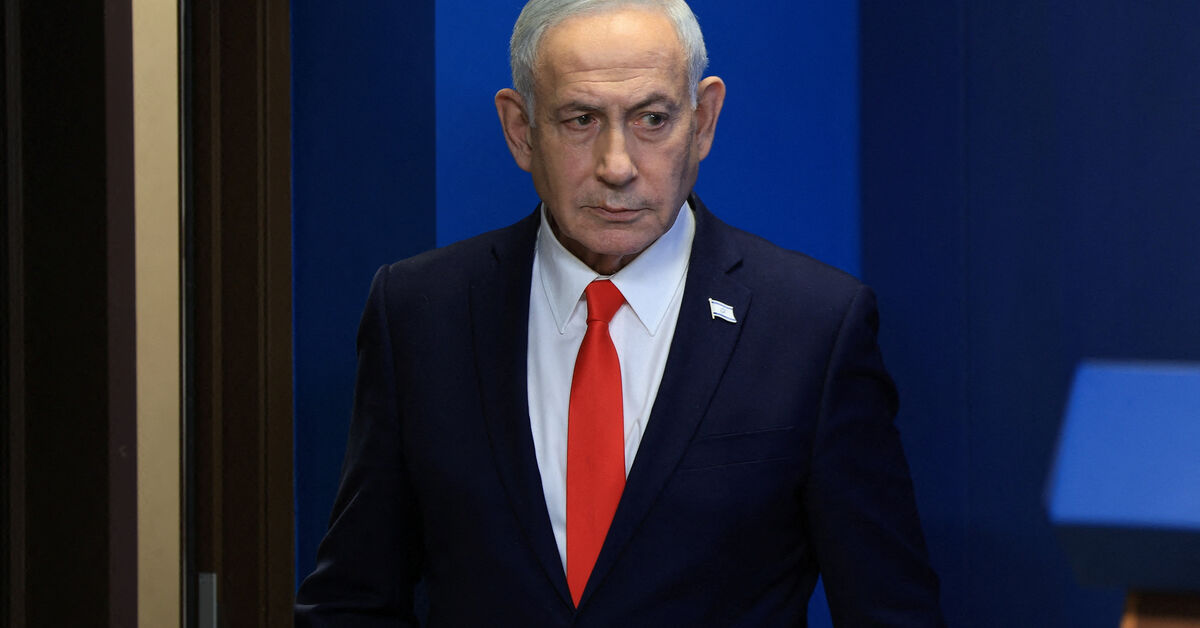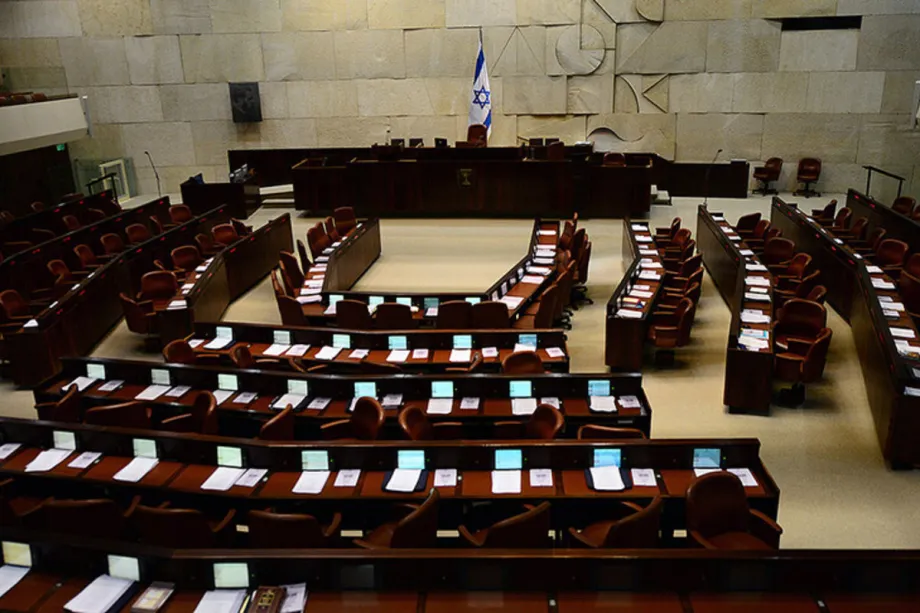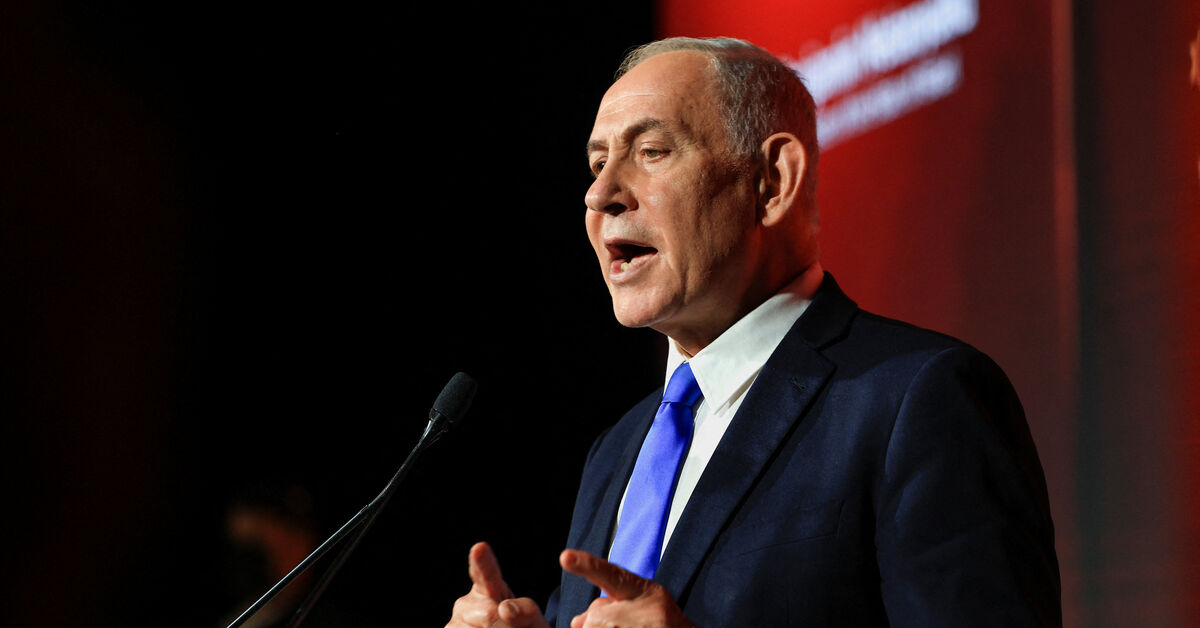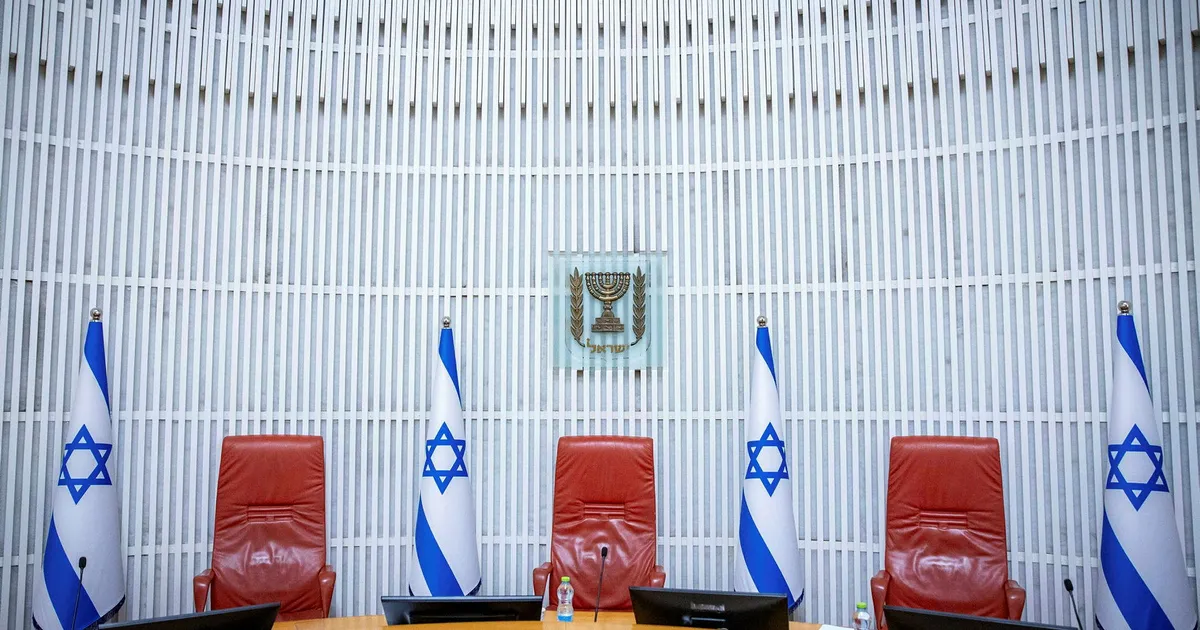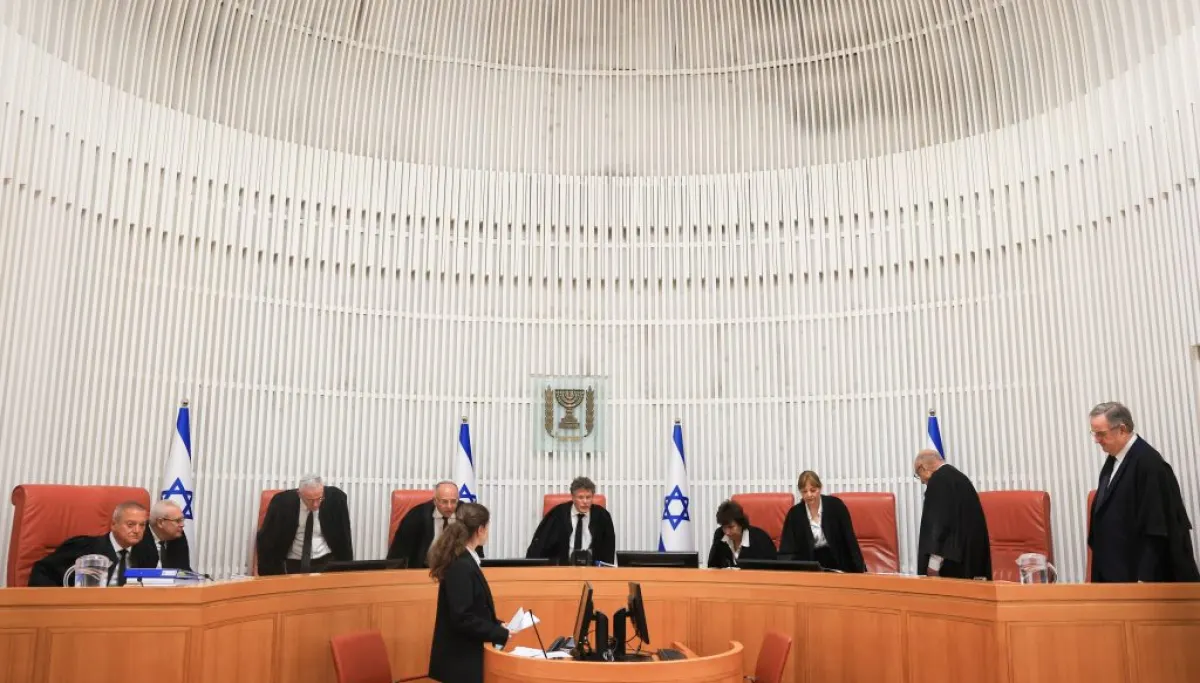
The Knesset says it will not comply with Supreme Court ruling reinstating the broadcast regulator’s board, declaring its decisions invalid, including approval of Reshet 13’s sale to tech investors, escalating a constitutional crisis Related TopicsThe government announced Sunday that it will not comply with a ruling by the Supreme Court of Israel that reinstated the Second Authority for Television and Radio council.Communications Minister Shlomo Karhi sharply criticized the court, saying: “A state of intoxication with power does not grant authority to erase explicit eligibility requirements. The council’s decisions are worth nothing.”GalleryThe government announced it will not comply with a ruling by the Supreme Court of Israel (Photo: Noam Moskowitz, Knesset Spokesperson)Justice Minister Yariv Levin also condemned the court, saying: “The rule of law means the law binds everyone, including the court. In a democratic state, the Knesset legislates the law and the court is obligated to apply it. When a ruling stands in direct contradiction to the clear language of the law, this is not judicial review but harm to the principle of separation of powers.”The government effectively approved a proposal by Karhi and Levin and declared it would not recognize any decision, approval, appointment or action taken by the Second Authority council unless it meets explicit legal eligibility requirements. These include the approval of the sale of private television channel Reshet 13 to the tech entrepreneurs group.In its statement, the government said: “No reliance argument or claim of a ‘fait accompli’ will be accepted from communications market actors regarding actions taken as a result of decisions made by a council that does not meet statutory threshold requirements.”The government added: “You have no authority to trample the law. A ruling that contradicts the law will not be recognized and decisions made under it are void.”The decision follows a High Court ruling from June 17 that reinstated the previous Second Authority council, despite its membership falling below the minimum legal threshold. The court ruled that the government must comply with the law and that a ruling contradicting explicit statutory language cannot create authority that does not exist in law.The ruling panel, headed by Yitzhak Amit, also included Justices Alex Stein and Ruth Ronen. It was issued in response to five petitions filed by the Israeli Journalists Organization, a news company, the Movement for Quality Government in Israel, the The Israeli Public Council for Press and Ethics and a legal advocacy group.Yitzhak Amit. The court ruled that the government must comply with the law (Photo: Jonathan Zindel/Flash 90)The court froze government decisions from March 24 and March 31 to appoint a new council for the Second Authority, meaning the existing council would remain in office until a final ruling on the petitions. The justices also suggested there were suspicions that resignations by council members were intended to obstruct judicial proceedings.They noted what they described as a “suspicious timing” between the resignations and communications ministerial actions as well as prior court decisions. They also said most of those who resigned left only the existing council while seeking to serve in a newly appointed one.The court added that this conduct, on its face, may not align with the duty of loyalty required of council members under law. As a result, the justices issued an unusual interim order stating that resigned members would not be counted in the current council’s quorum to prevent paralysis of its activity. The court said the decision was taken due to “exceptional circumstances and in order to prevent deliberate obstruction and paralysis of the council during the interim order period.”The ruling was delivered in a broader set of petitions involving multiple media and civil society groups. The government’s refusal to comply has drawn sharp criticism.The Israeli Journalists Organization said in response: “The government of Israel is dismantling the media and democracy. The decision not to obey the High Court ruling is a transparent attempt to thwart the Reshet 13 deal, through an unprecedented violation of the Supreme Court. The government is announcing it will not obey the rule of law for political reasons. This is a state of emergency. Those who do not speak out now will not be able to speak later.”Comments
Israel enters constitutional clash as government rejects Supreme Court ruling on broadcast regulator
The Knesset says it will not comply with Supreme Court ruling reinstating the broadcast regulator’s board, declaring its decisions invalid, including approval of Reshet 13’s sale to tech investors, escalating a constitutional crisis
693 words~3 min read