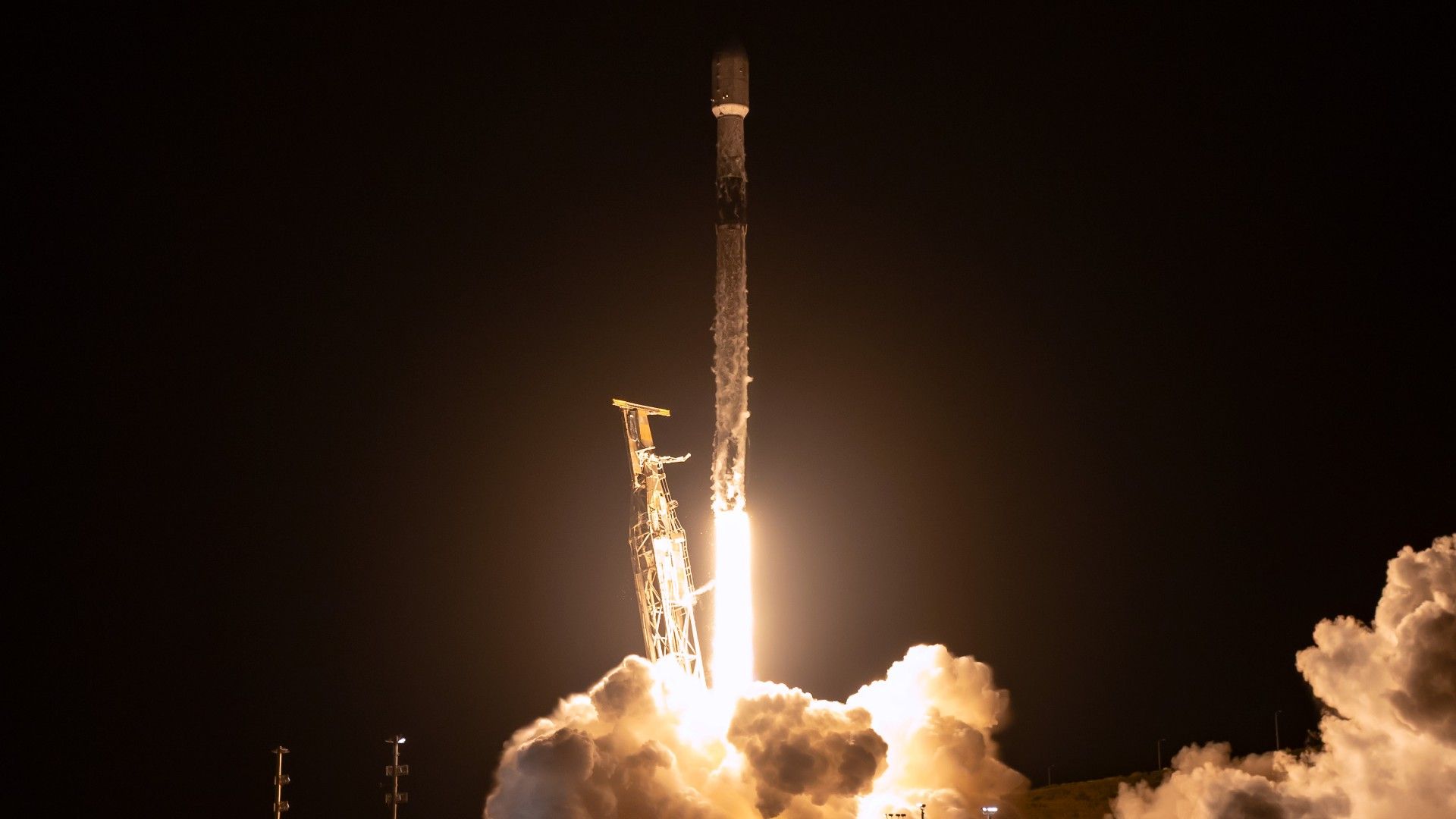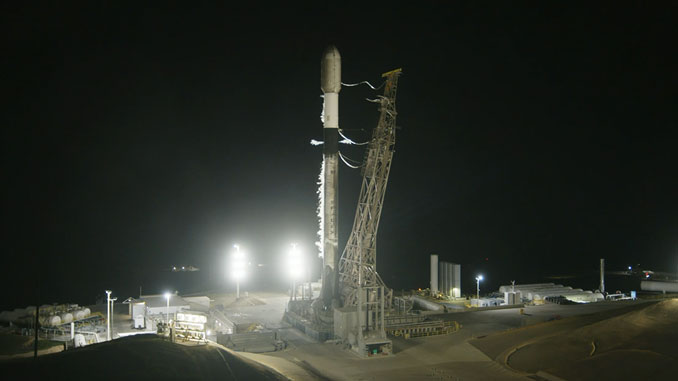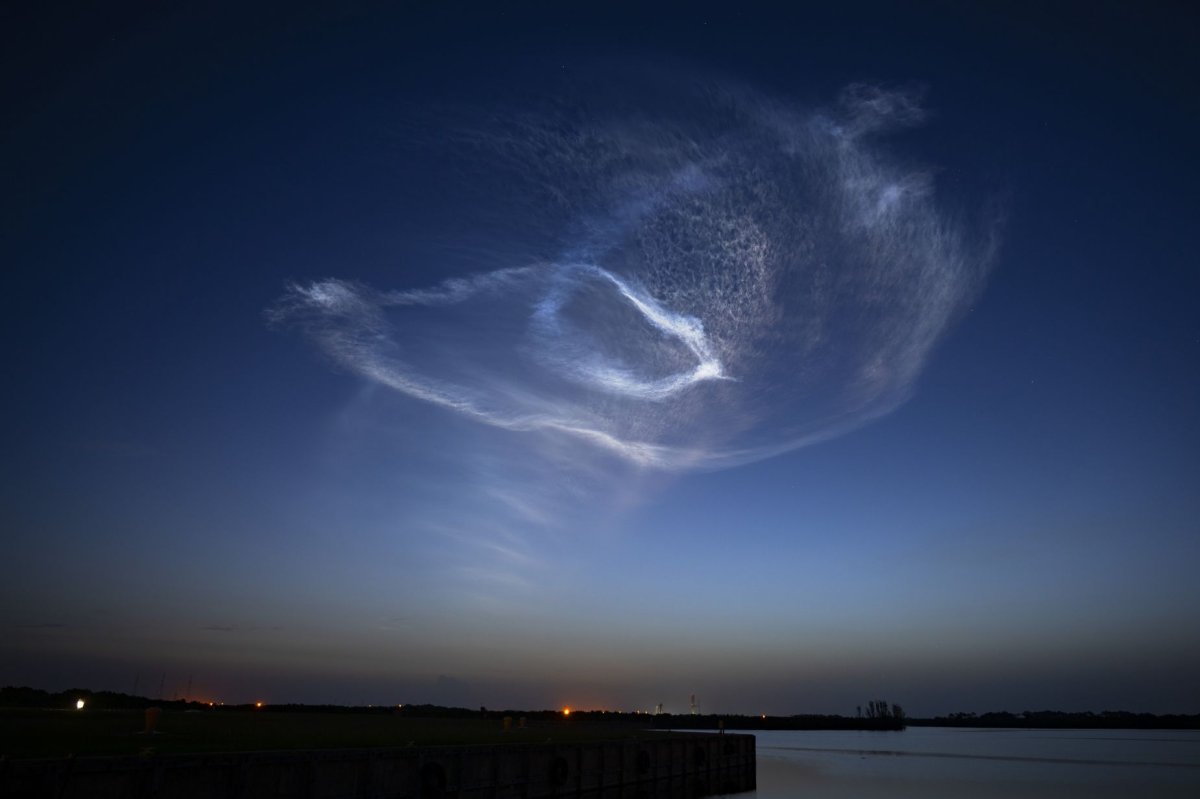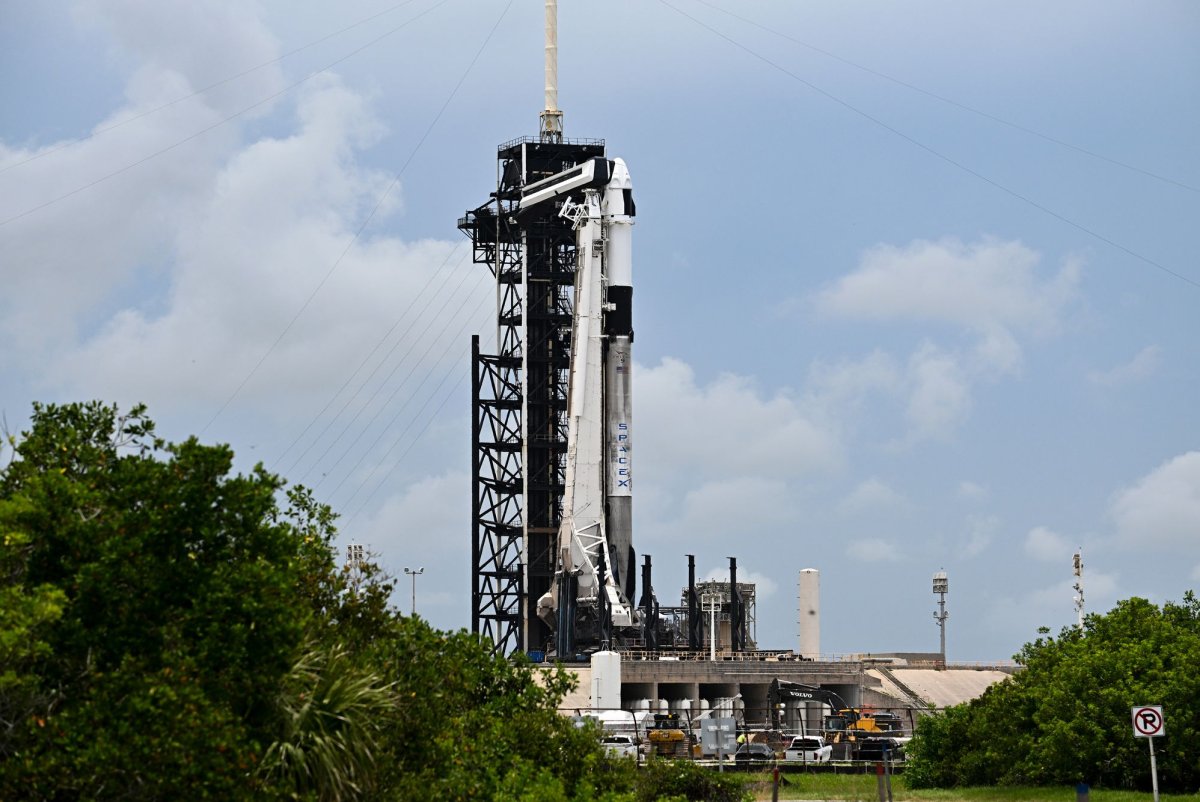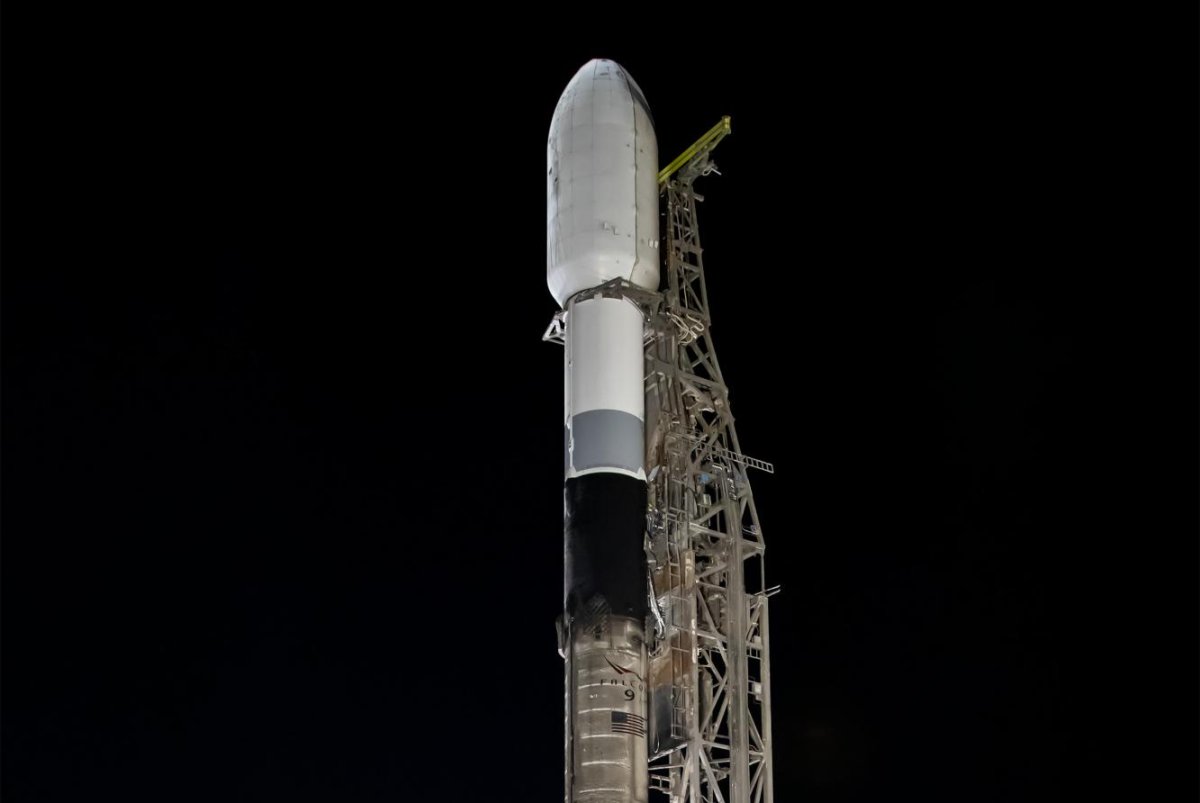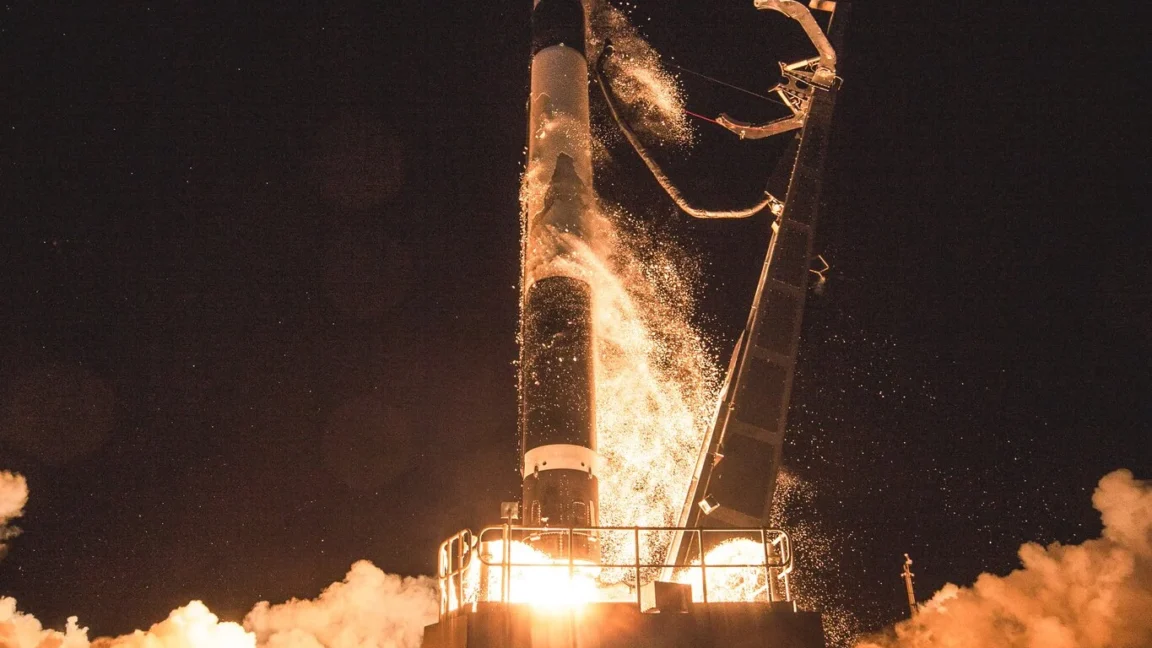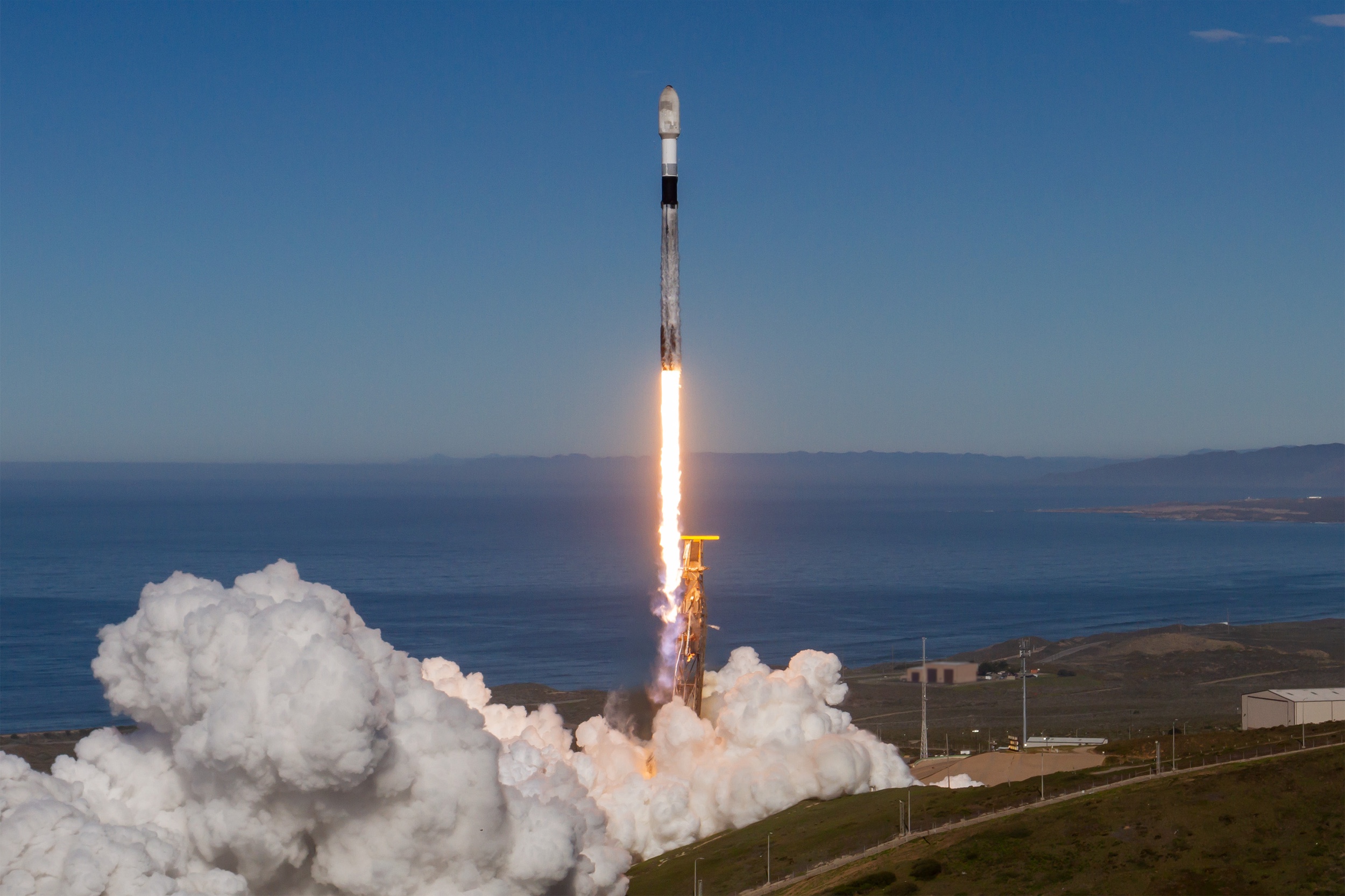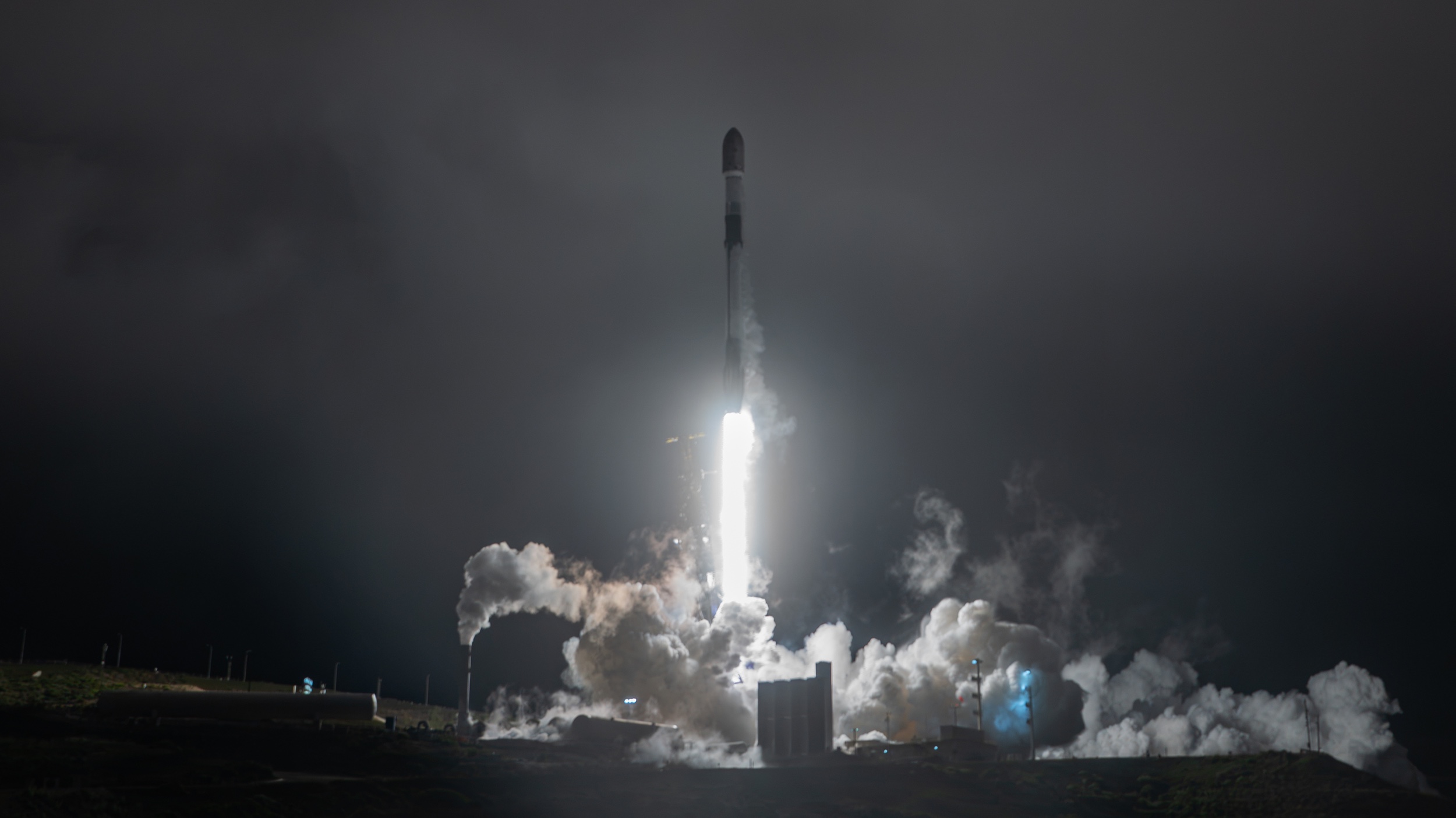
A Falcon 9 lifts off July 7 on the Transporter-17 rideshare mission. Credit: SpaceX
TOKYO — SpaceX launched the latest in its Transporter series of rideshare missions July 7 as industry concerns about the program’s future reach what one rival company executive called a panic.
A Falcon 9 lifted off from Vandenberg Space Force Base in California at 3:12 a.m. Eastern on the Transporter-17 mission to sun-synchronous orbit. The mission carried 81 payloads, according to SpaceX, including hosted payloads as well as spacecraft carried on orbital transfer vehicles to be deployed later.
The mission was anchored by CAS500-4, a 514-kilogram South Korean imaging satellite that will be used for agricultural and forestry applications. Another Falcon 9 launched a related spacecraft, CAS500-2, on a rideshare mission in May.
Like other Transporter missions, this launch carried a mix of new and returning customers, including those building out or refreshing constellations. Iceye had four radar-imaging satellites on the mission, while Spire had 10 of its Lemur satellites on the launch. Axelspace, a Japanese Earth observation company, flew seven of its GRUS-3 medium-resolution imaging spacecraft on the mission.