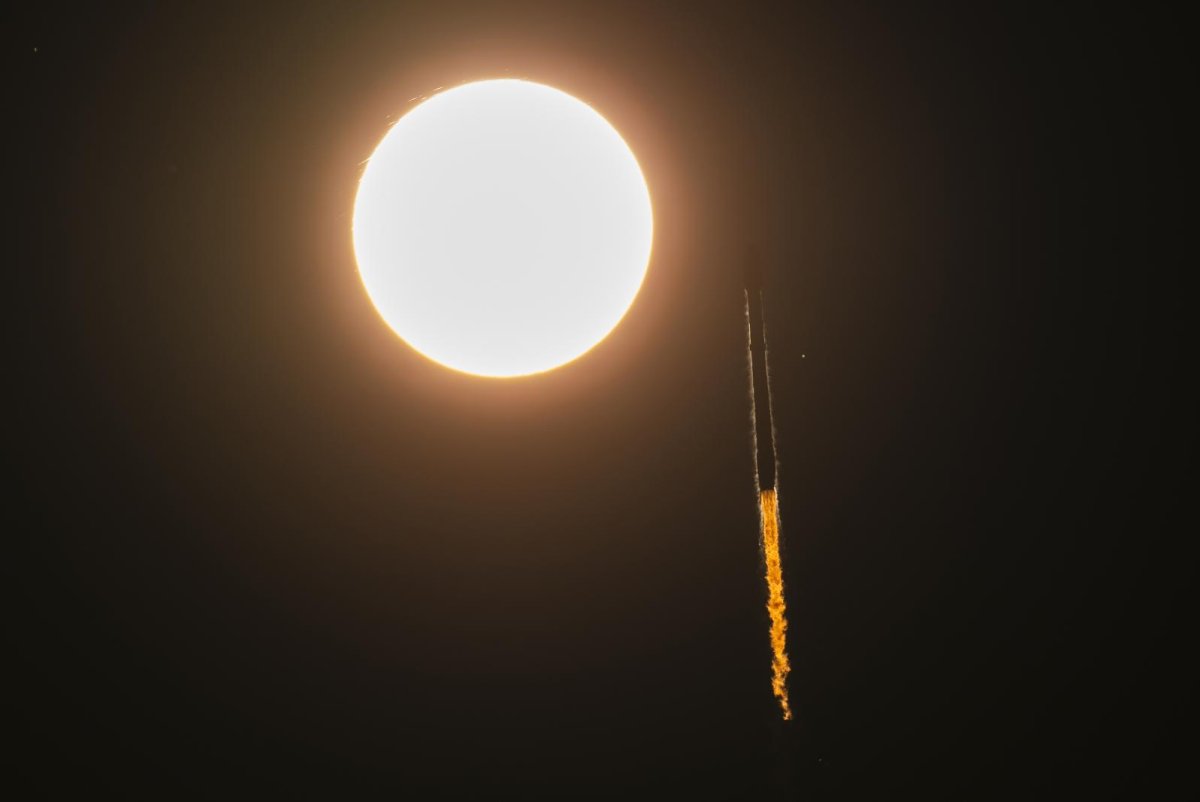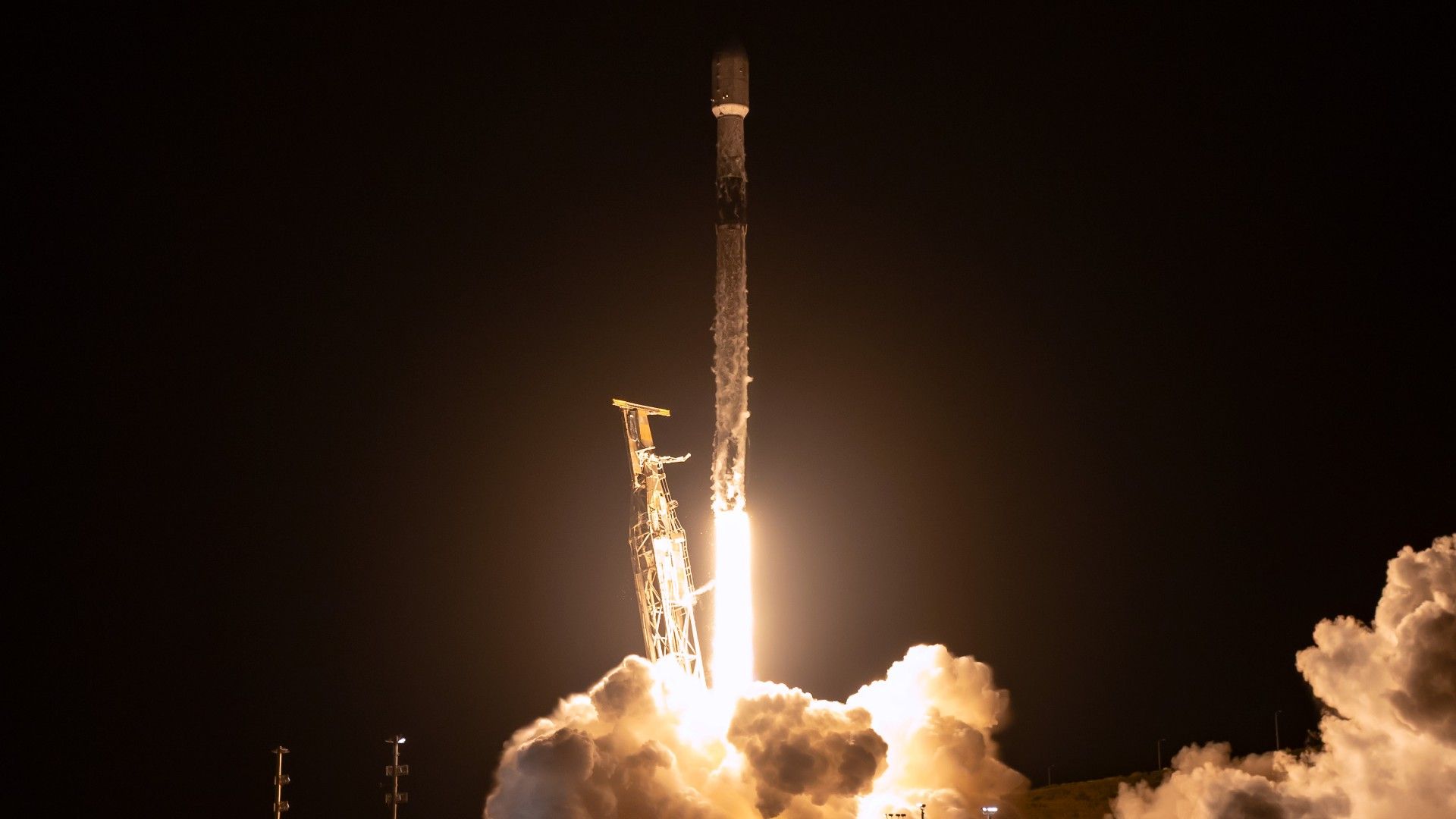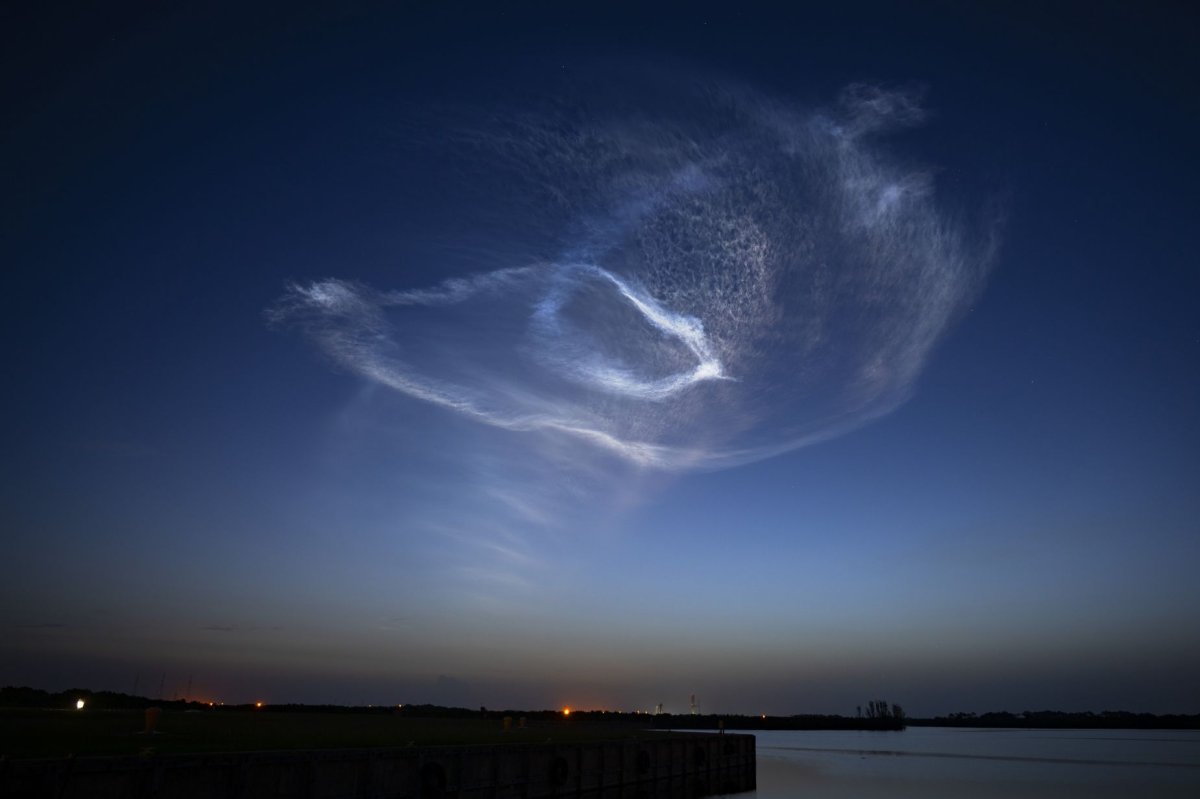
Jan. 11 (UPI) -- SpaceX early Sunday morning launched its first Twilight rideshare flight from California, launching satellites for NASA, an Internet-of-Things services company and an experiment to 3-D print a boom in space.
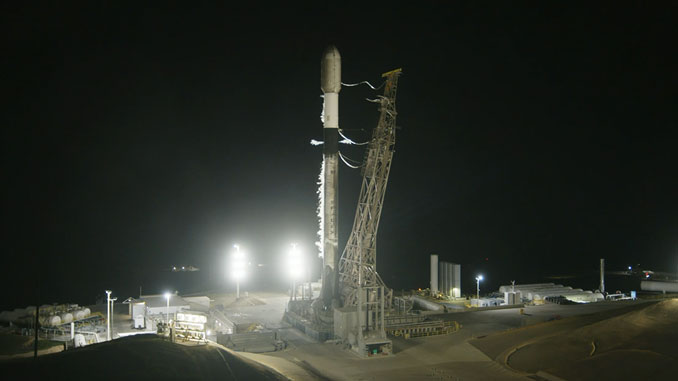
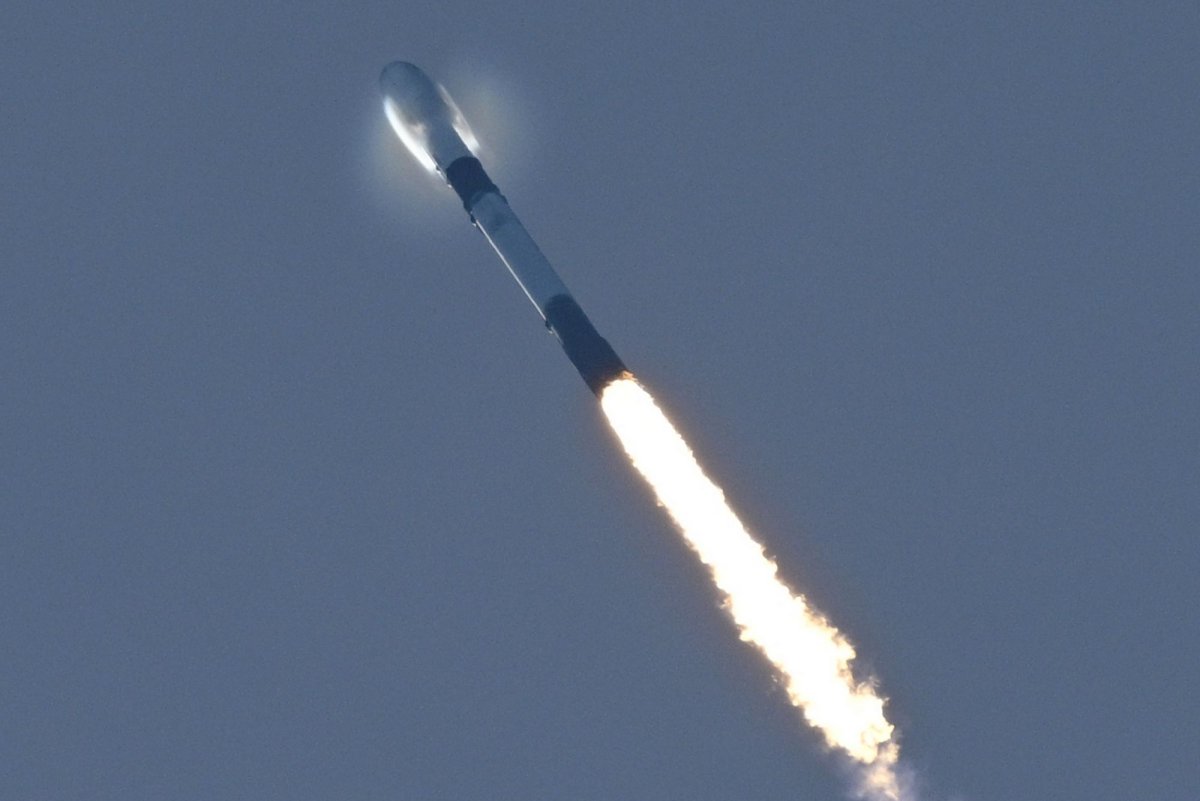
The company's first rideshare launch of the year, which also is the start of a new series of dedicated smallsat rideshare missions, launched from Vandenberg Space Force Base at 5:44 a.m. PST from Space Launch Complex 4E.
SpaceX sent 40 payloads to a dusk-dawn sun-synchronous orbit atop a Falcon 9 first stage booster that previously has launched Sentinel-6B and three Starlink missions. The orbital position is the separating line of night and day on Earth.
After launch, the booster returned to land at Landing Zone 4 at Vandenberg about an hour later as satellite deployment sequences started around the same time, SpaceX said in posts on X and on its website.
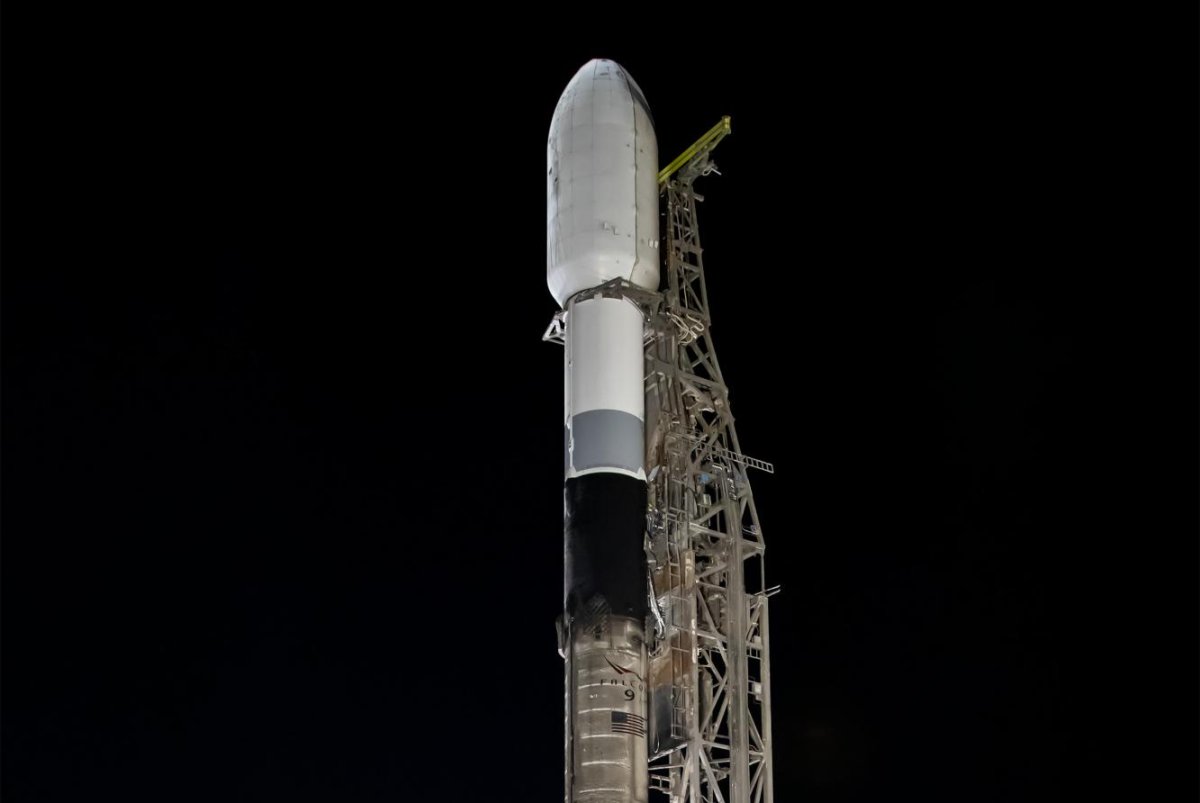
Falcon 9 is vertical at pad 4E in California ahead of the Twilight rideshare mission to dusk-dawn orbit. Liftoff is targeted for 5:44 a.m. PT → https://t.co/4BRkmRA6Zy pic.twitter.com/SQECm2nIp2— SpaceX (@SpaceX) January 11, 2026