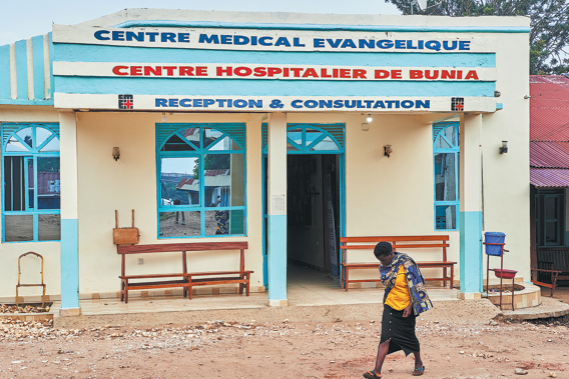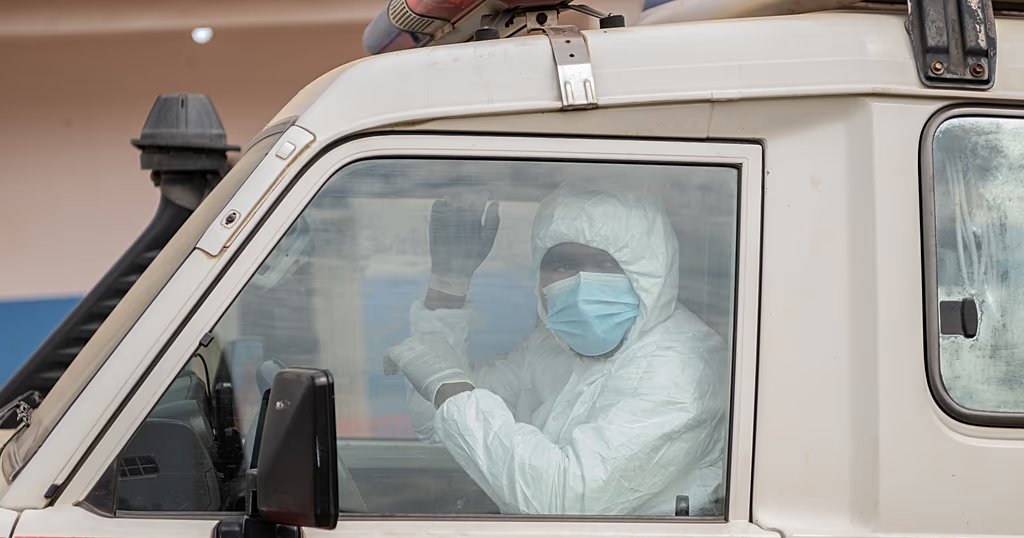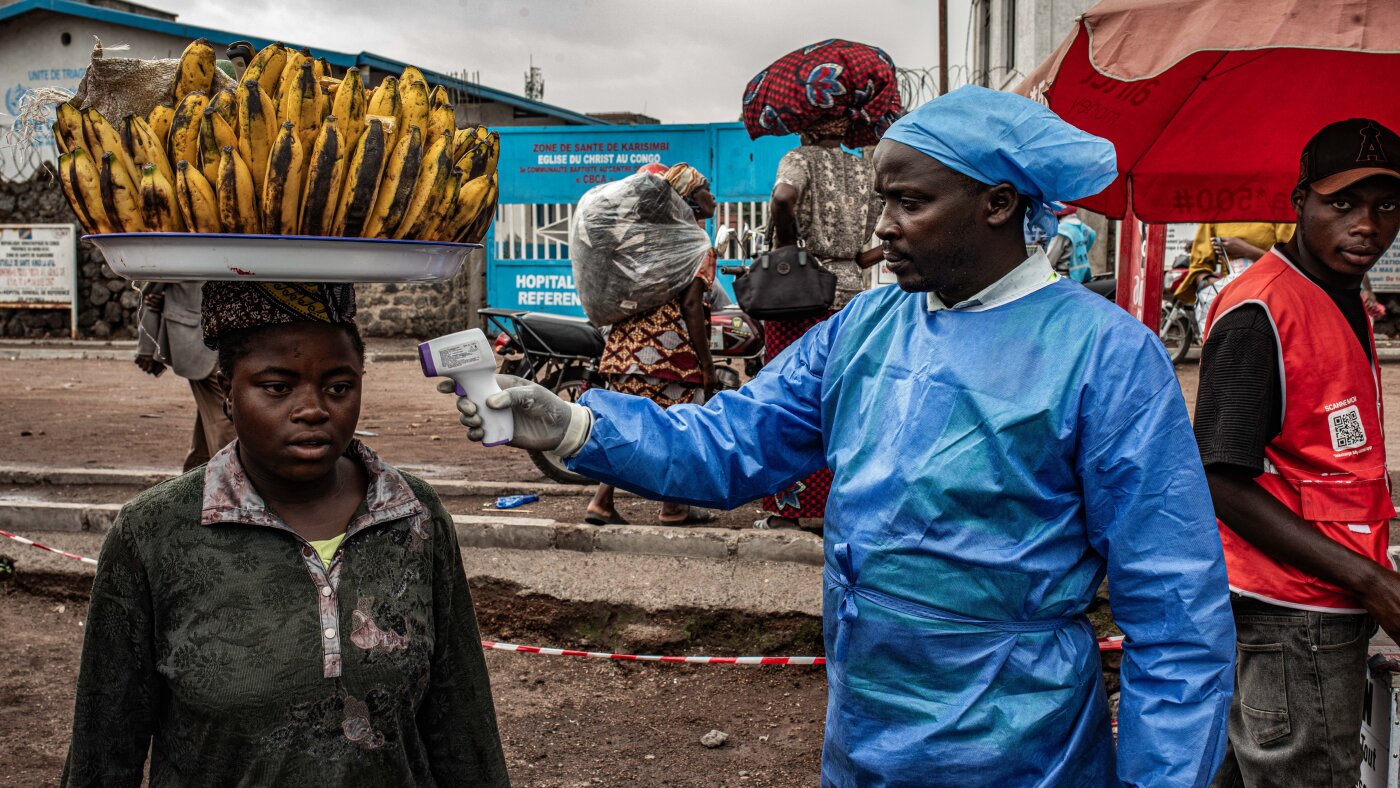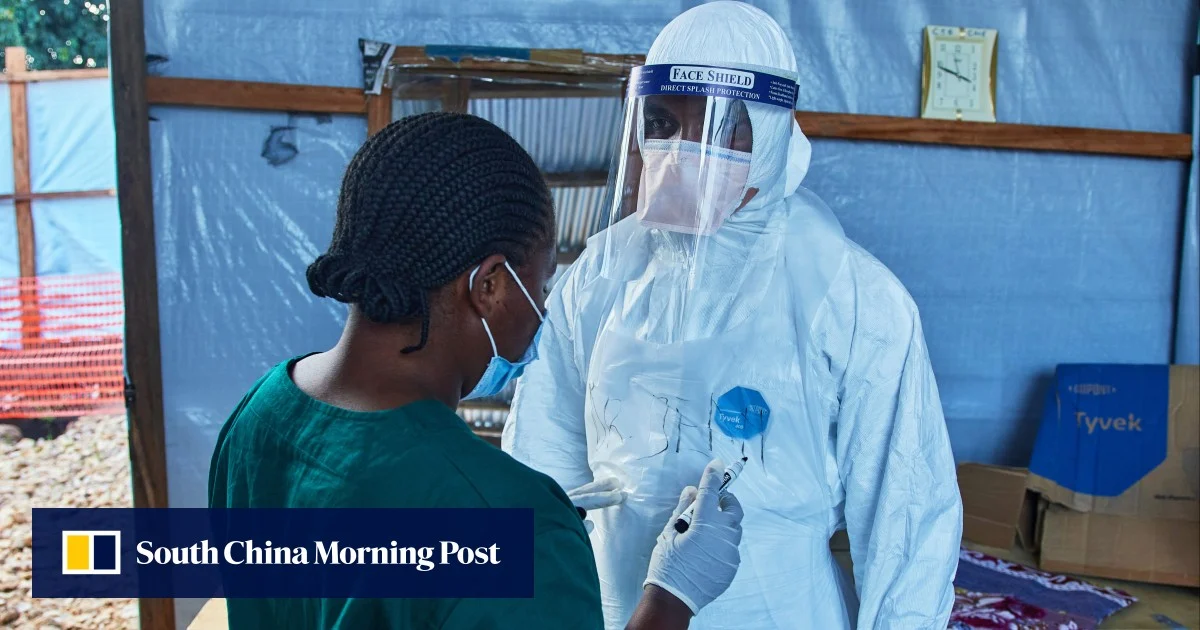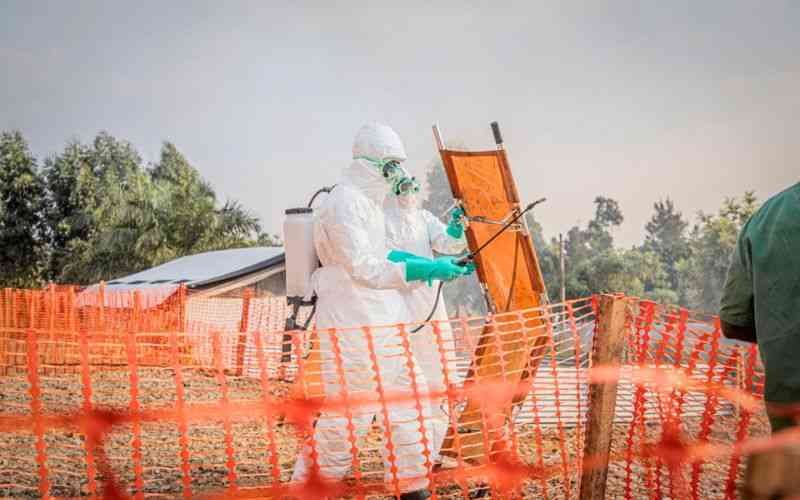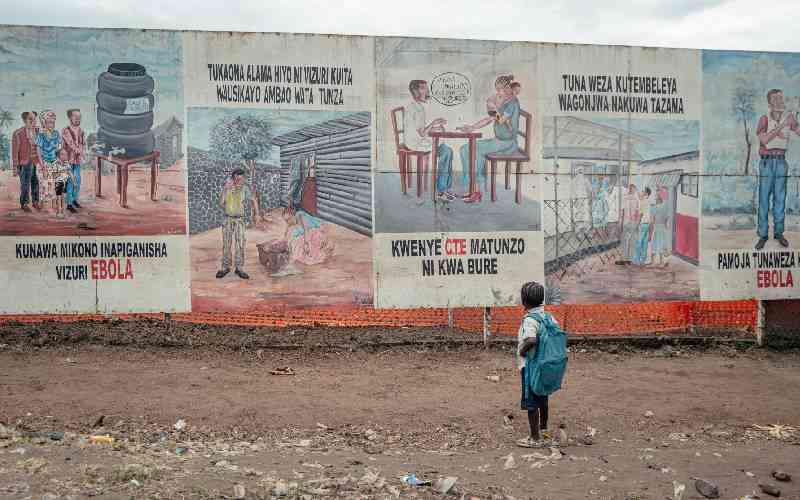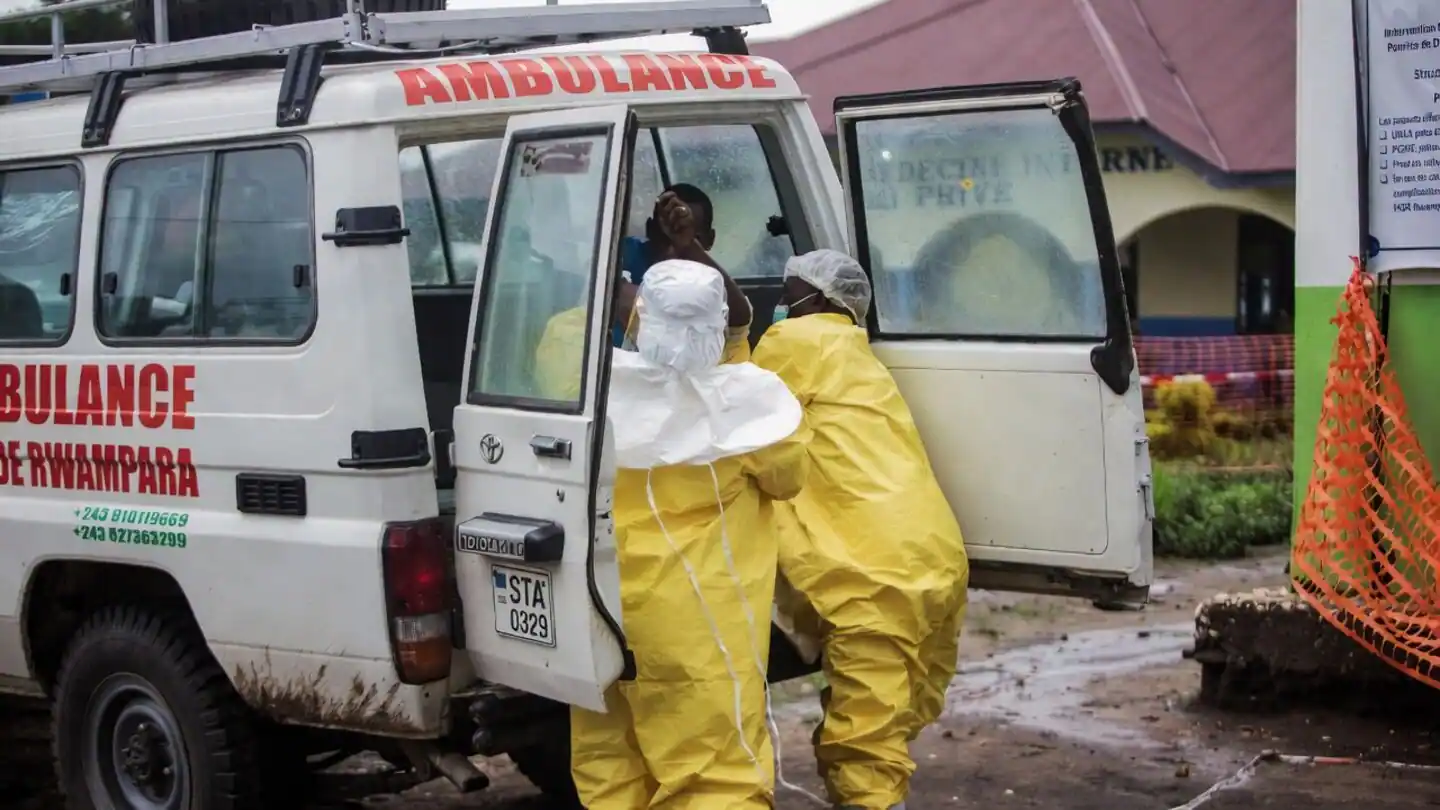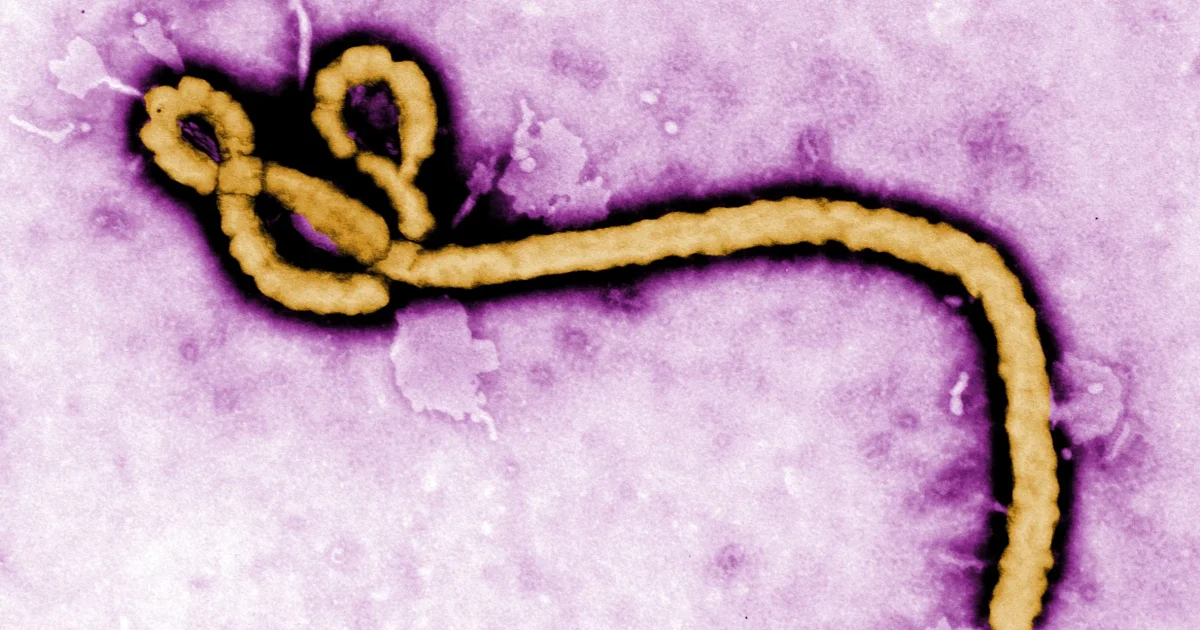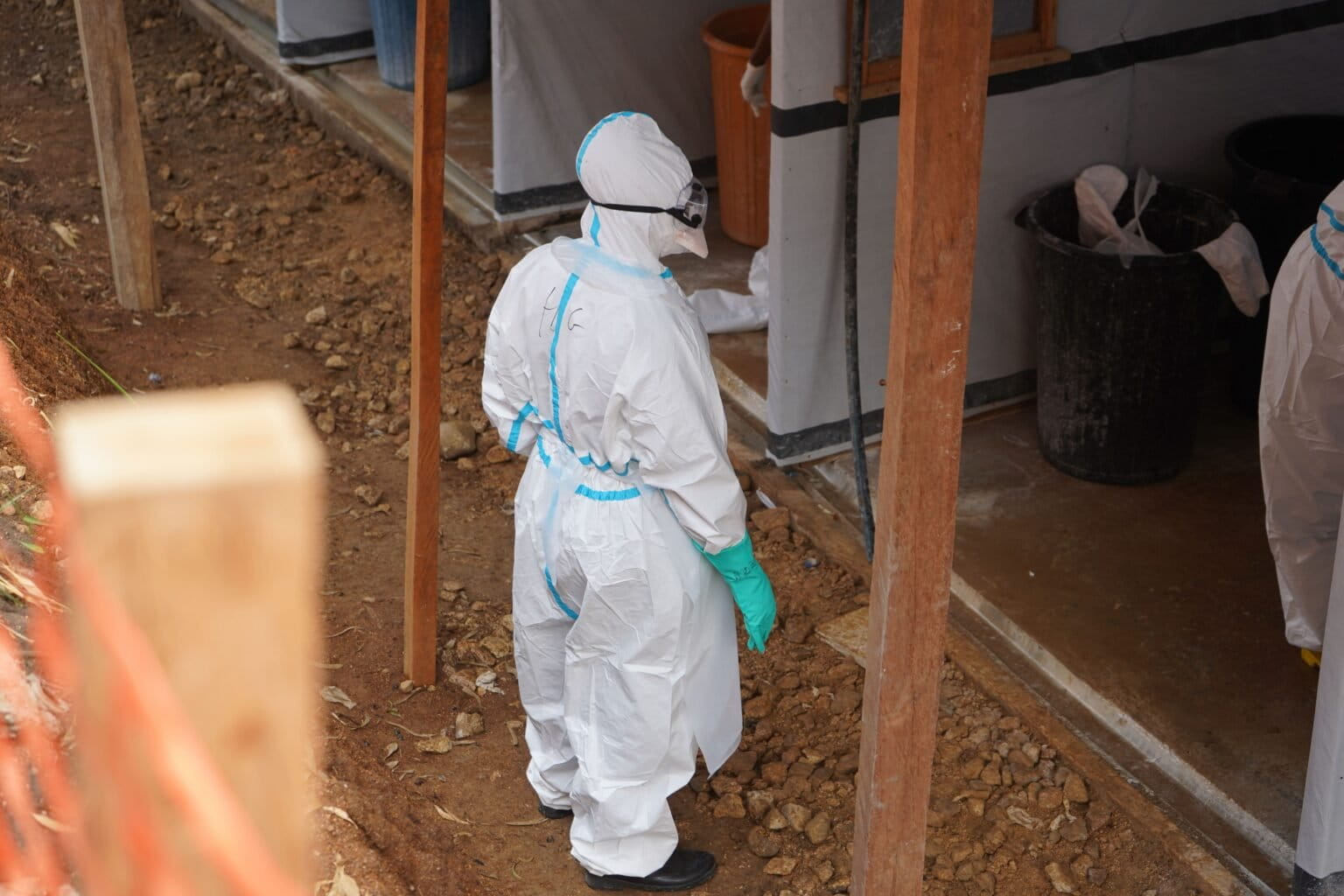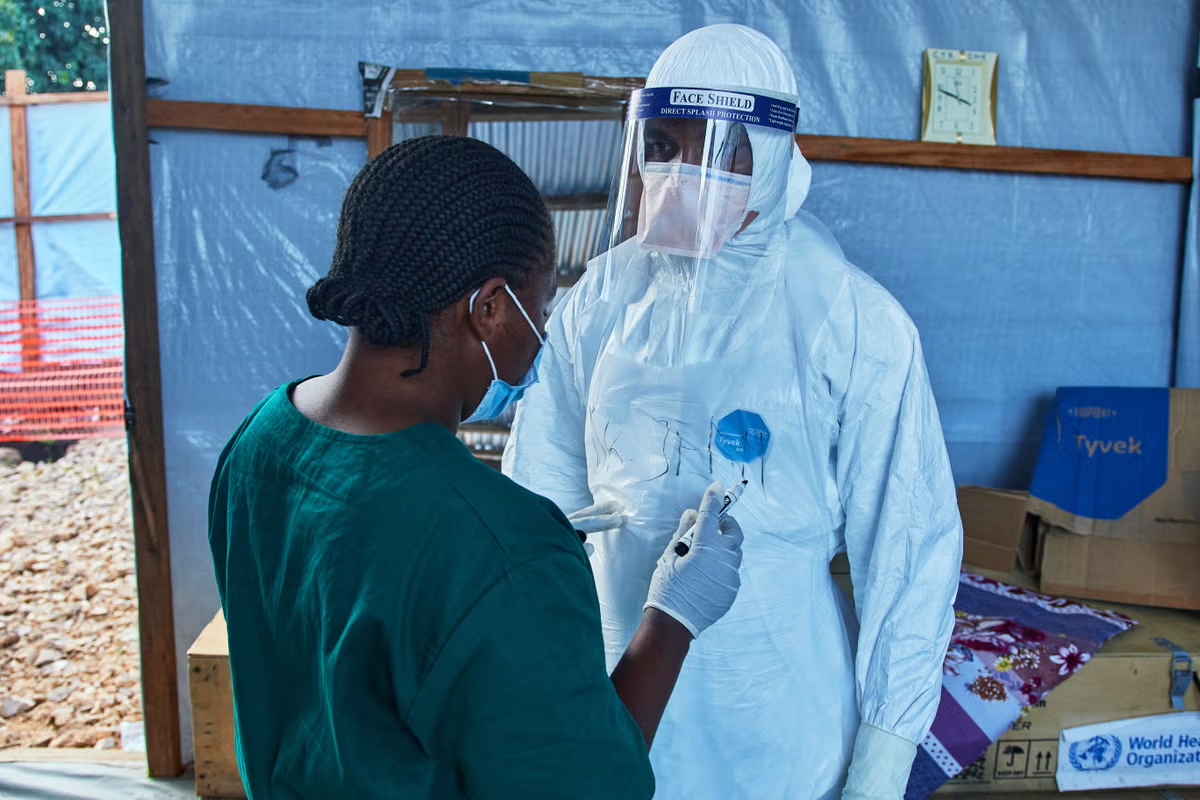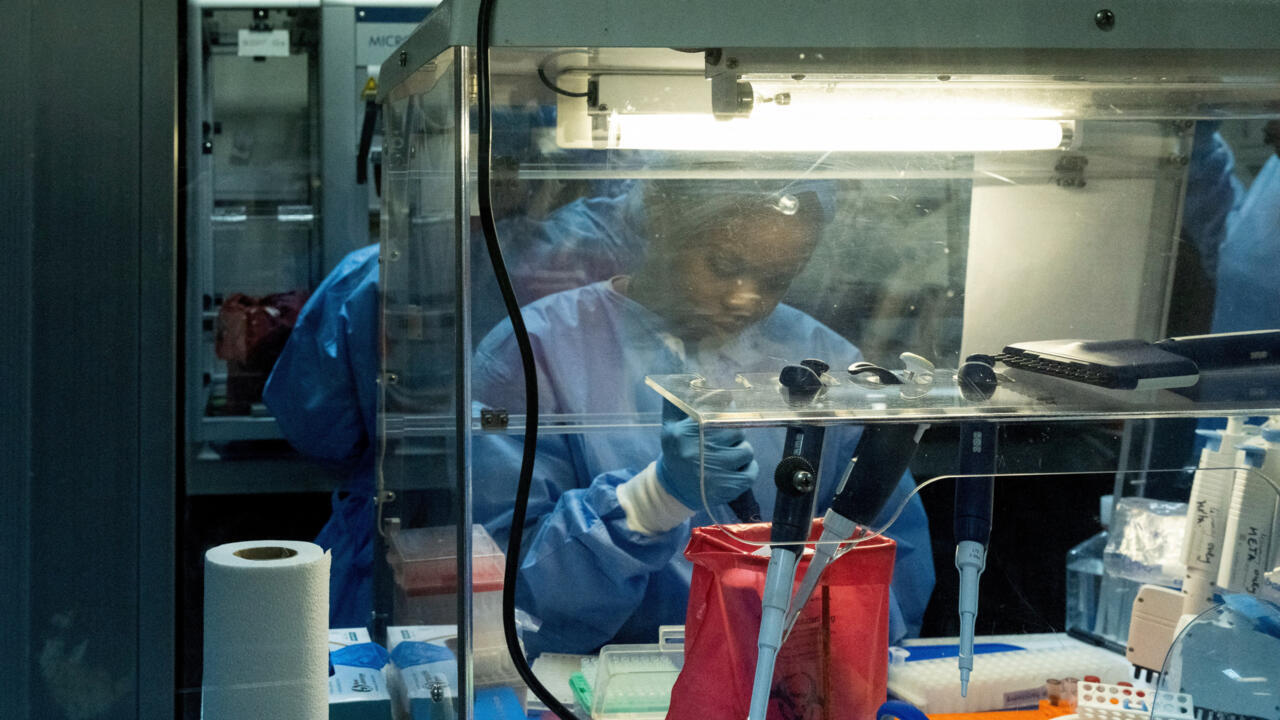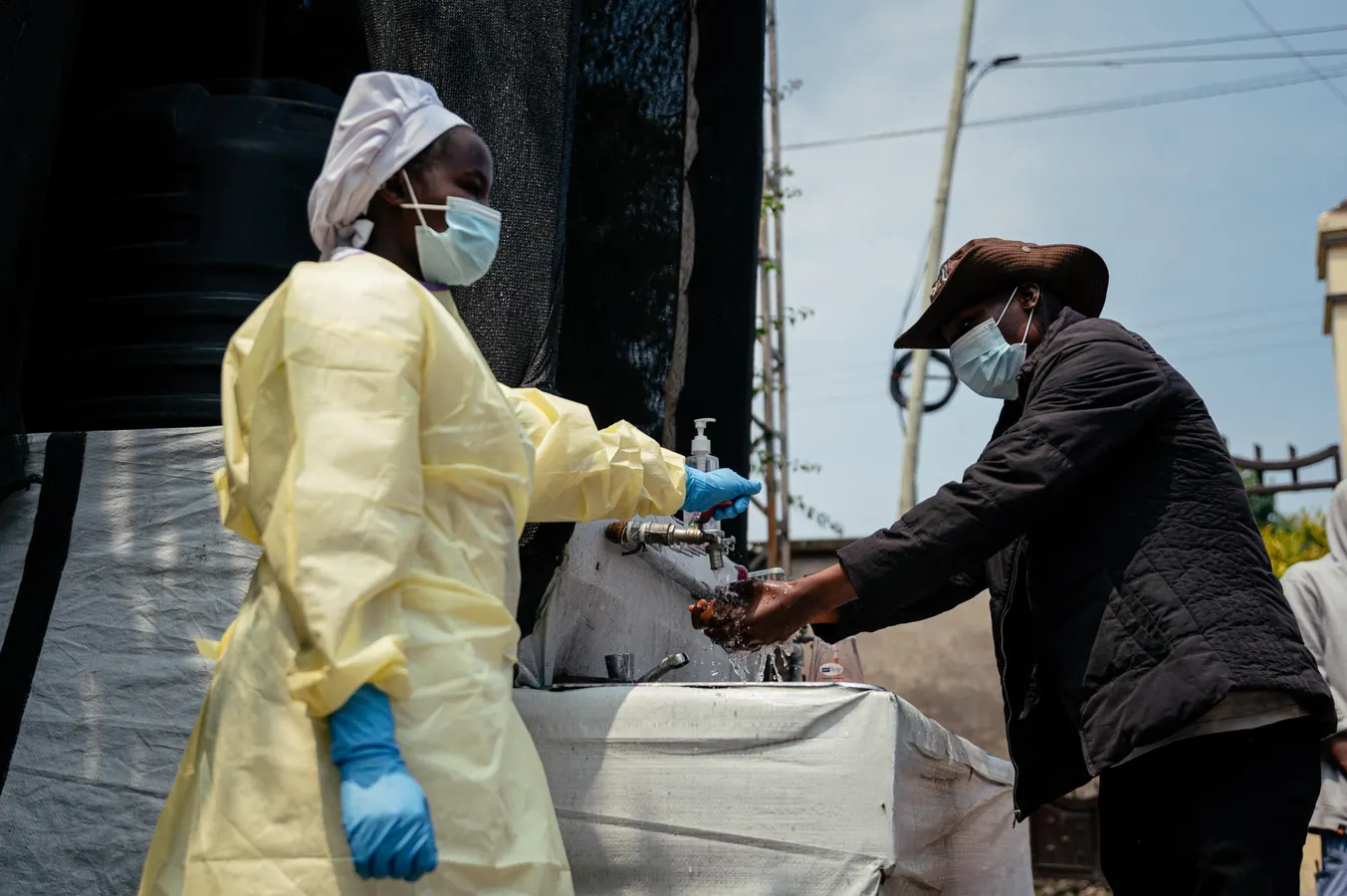
TOPSHOT - A visitor washes his hands before entering Kyeshero Hospital at a checkpoint for hand washing and temperature screening for all visitors and patients entering Kyeshero Hospital, as part of Ebola prevention measures in Goma on May 18, 2026. (Photo by Jospin Mwisha / AFP via Getty Images)AFP via Getty ImagesFor the first time since the Ebola outbreak began in the Democratic Republic of Congo, multiple new clinical trials are underway or soon will be to evaluate new therapies that could improve survival. New treatments are critical because the ongoing Ebola outbreak is caused by the Bundibugyo species of Ebola which does not have any approved vaccines or therapies that can mitigate its spread. This specific virus has been difficult to contain, with now well over 500 confirmed deaths and 1,561 confirmed cases, according to the CDC. Armed conflict, displacement, attacks on healthcare facilities and limited contact tracing have complicated outbreak control efforts.The clinical trials will test two separate drugs, MBP-134 and remdesivir, for efficacy in treating the Bundibugyo Ebola virus. Trials will test both drugs alone and as part of combination therapy. In addition, a separate trial will test whether obeldesivir , an antiviral oral pill, can prevent those that have been exposed to the virus from contracting the disease. All trials represent a collaborative effort between the WHO, Africa CDC, universities and various non-profit organizations.MBP-134MBP-134 represents a promising therapy for infectious diseases but particularly the Ebola virus. It contains two broadly neutralizing monoclonal antibodies designed to recognize multiple Ebola species, including the Bundibugyo virus. The antibodies bind to the virus’s surface glycoprotein, preventing it from entering human cells while also recruiting the immune system to eliminate infected cells. Early data suggests that this intravenous-based therapy could prove beneficial against the Bundibugyo virus. RemdesivirRemdesivir is an anti-viral medication that targets a broad range of viruses, including COVID-19, hepatitis C, Marburg and Ebola viruses. Administered intravenously, it targets a virus externally, by entering infected cells and preventing the virus from replicating its genetic material. This slows the production of new virus particles and potentially gives the immune system time to ward off an infection. Although this antiviral proved to be ineffective at targeting the Zaire Ebolavirus, there remains hope that it could have some benefit against the Bundibugyo virus, particularly if used in combination with MBP-134.MORE FOR YOUObeldesivirIn addition to treatments to help contain the spread of Ebola in the DRC, post-exposure prophylaxis is also critically important. This helps prevent those exposed to the virus through close contacts of those infected from eventually getting sick and contracting the virus. To meet this need, a clinical trial will soon be under way to evaluate if obeldesivir, an oral antiviral drug that works similar to remdesivir, can offer an effective post-exposure prophylactic strategy. The pill would be given twice daily to those exposed to Ebola throughout the course of the trial.Clinical TrialsThe clinical trials plan to enroll at least 1,000 participants, although final numbers depend on the course of the outbreak. The trials will likely require several months, as the studies would need to undergo regulatory review and researchers would need to complete enrollment of participants, demonstrate statistically robust results and analyze data. Challenges to the studies include cooperation of participants as the outbreak is occurring in an area of armed conflict and political turmoil which could hinder recruitment.The FutureThese clinical trials could provide a glimpse of hope for the citizens of the DRC that are battling one of the most serious Ebola outbreaks on record. These studies represent more than just a response to an outbreak, but rather years of scientific investment as well as the power of global collaboration that can accelerate research during public health emergencies. If these trials are successful, MBP-134, remdesivir and obeldesivir would be the first evidence-based treatments for the Bundibugyo Ebola virus; and this could significantly improve preparedness for future outbreaks globally.
New Clinical Trials Offer Hope In The Fight Against Ebola In The Democratic Republic Of Congo
Multiple new clinical trials are underway to evaluate if various treatments will prove effective against the Bundibugyo Ebola virus in the DRC. A
648 words~3 min read