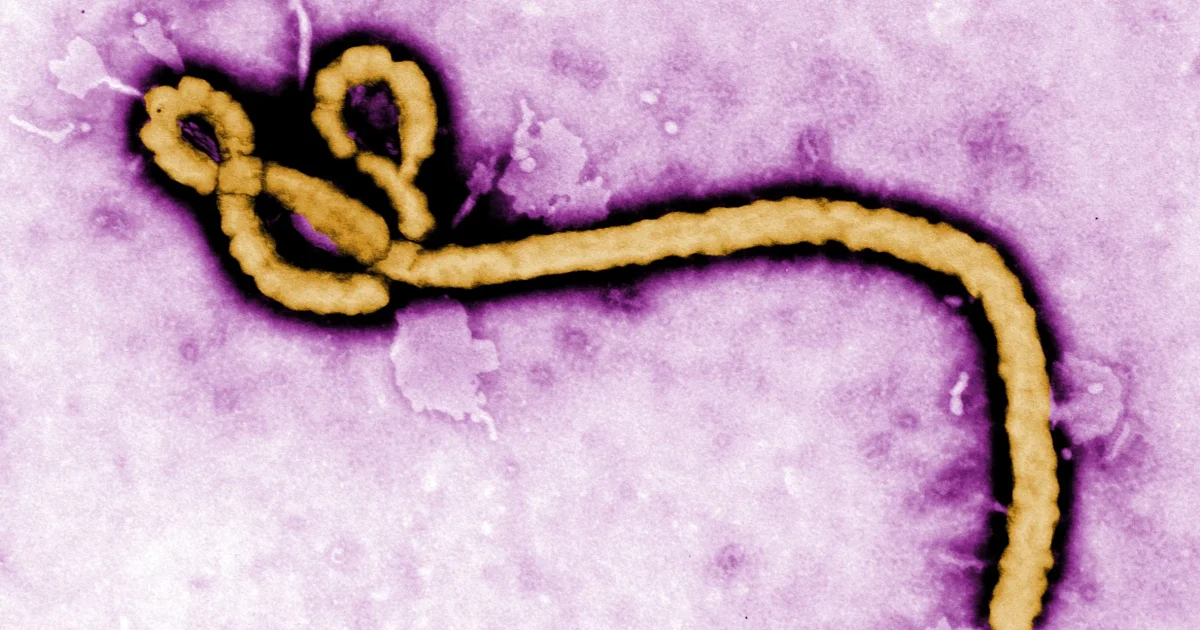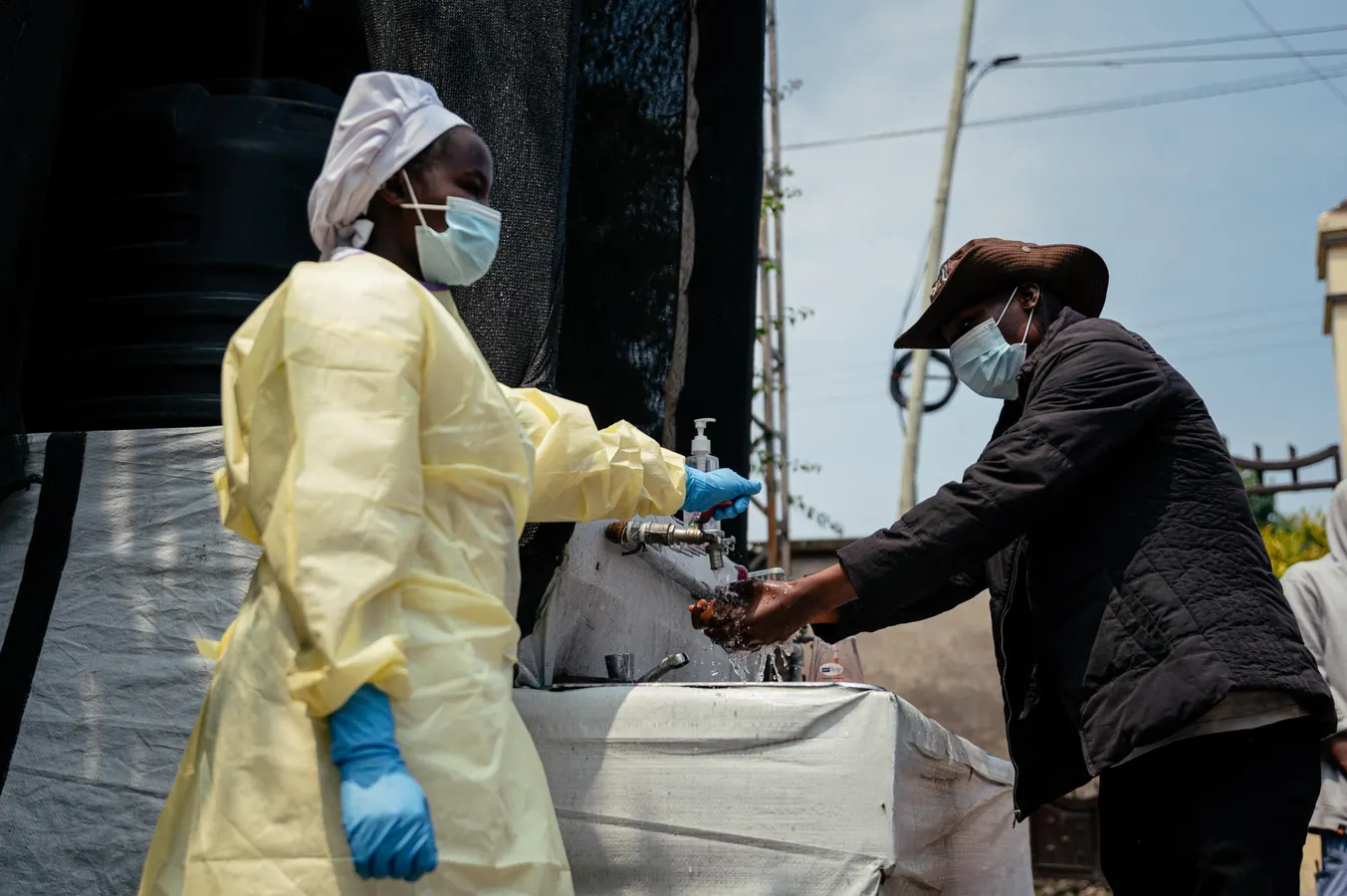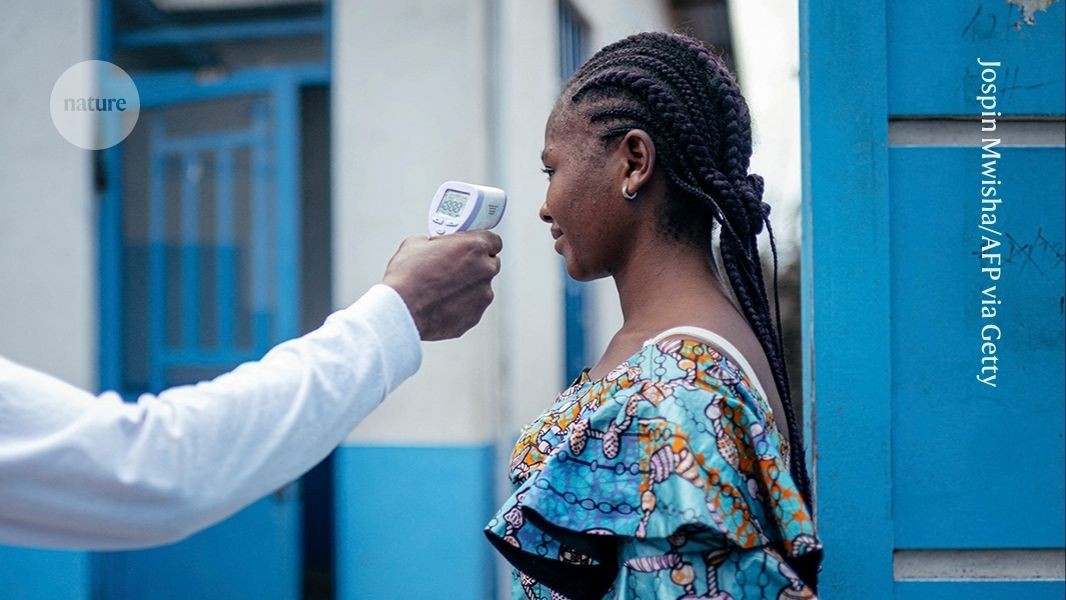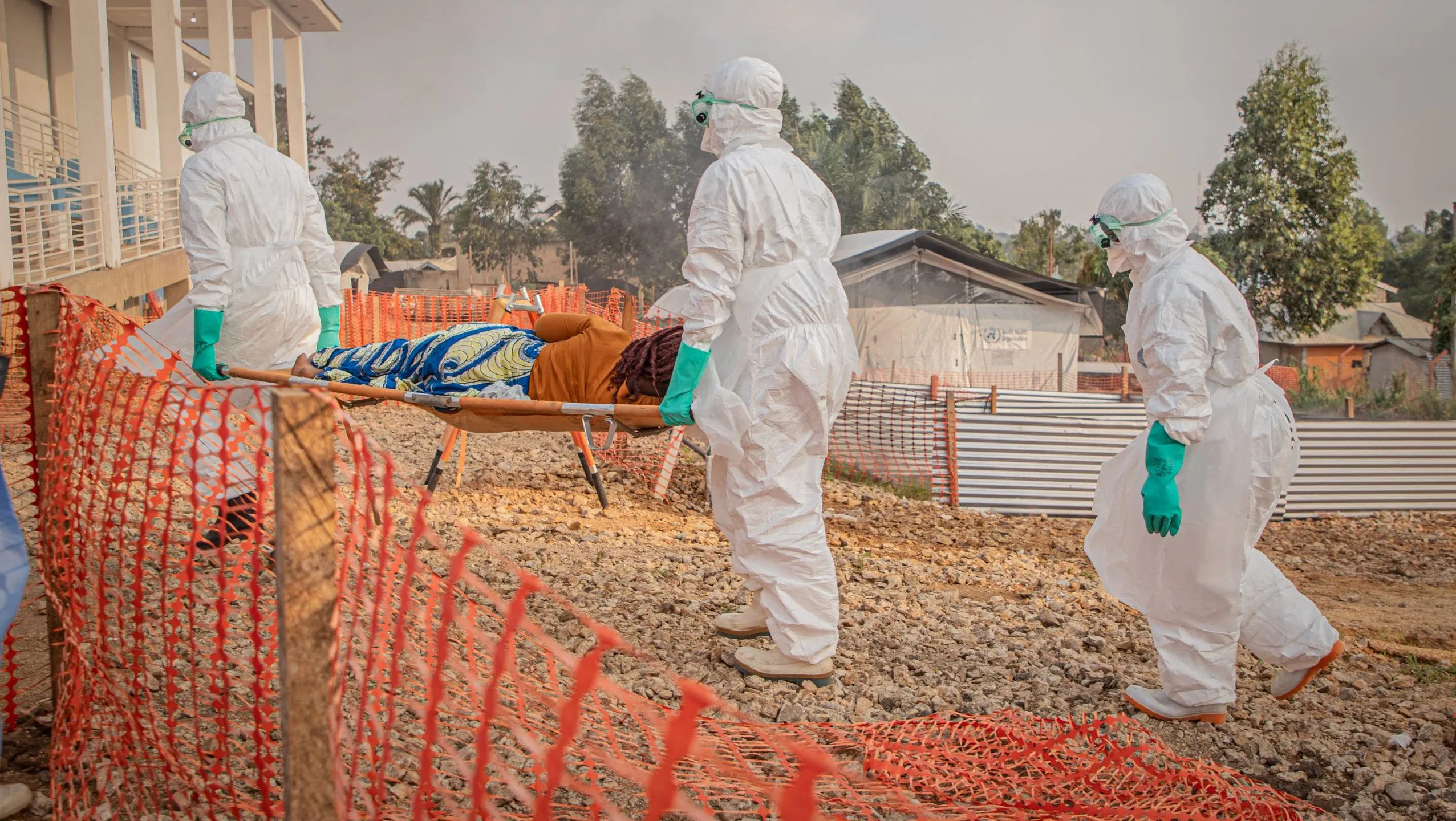
Patients with the Bundibugyo strain of Ebola have started receiving experimental treatments in a clinical trial that aims to improve care for the rare viral disease, which has killed more than 500 people in Democratic Republic of Congo.
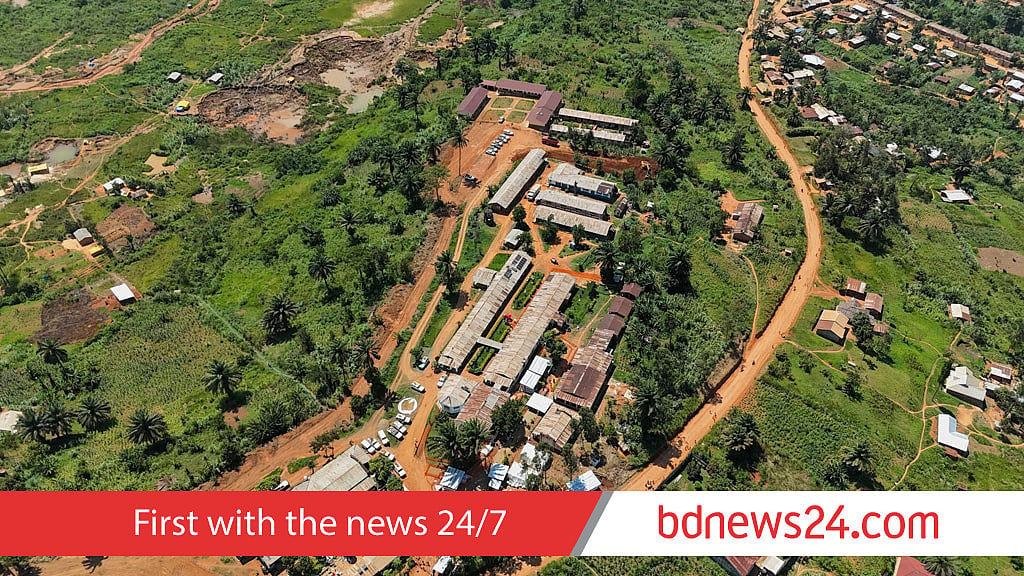
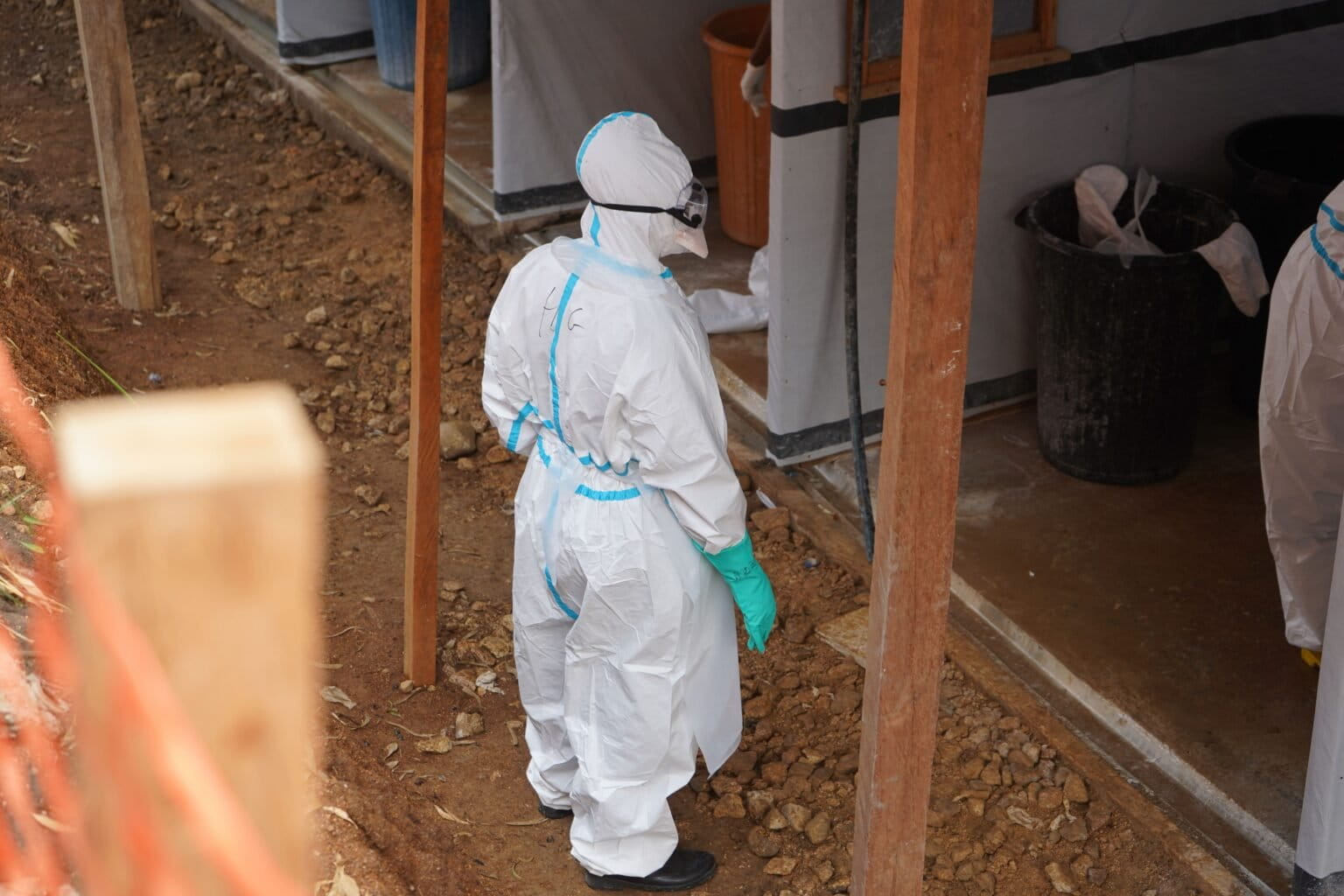
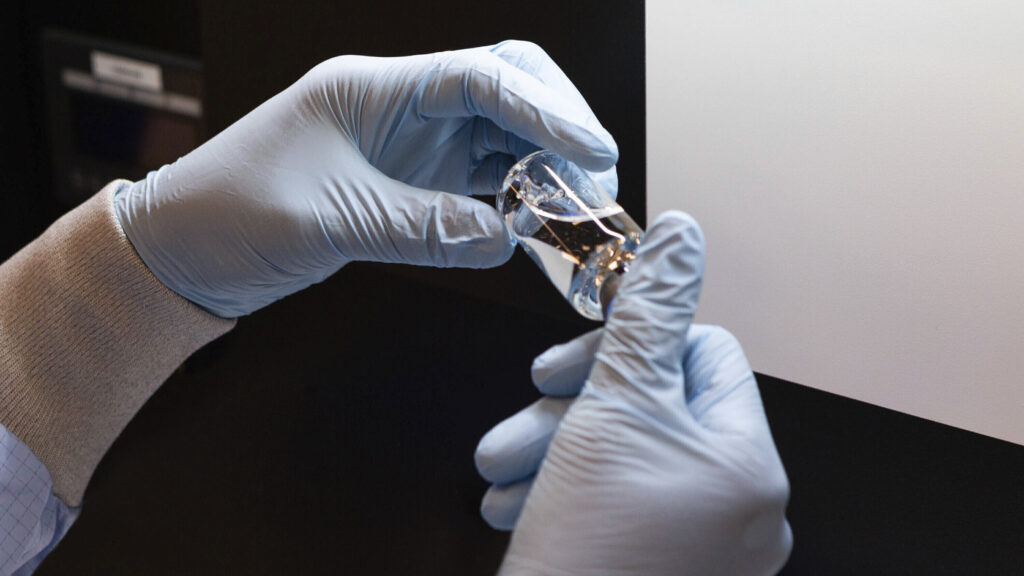
The World Health Organization-sponsored trial will test Mapp Biopharmaceutical Inc.’s monoclonal antibody cocktail MBP134 and Gilead Sciences Inc.’s antiviral remdesivir alongside optimized supportive care in Congo’s Ituri province, where the outbreak is concentrated.Designed as an adaptive platform trial, it can continue across future Ebola outbreaks if the current epidemic ends before enough patients are enrolled to produce definitive results.
The so-called Partners trial was established with national authorities and scientific partners in record time and “offers real hope that we can deliver concrete results for — and with — the communities at the heart of the outbreak,” WHO Director-General Tedros Adhanom Ghebreyesus said in a social media post last week.The platform allows researchers to add or remove treatments as evidence emerges, pause enrollment when outbreaks end and restart during future epidemics — allowing evidence to accumulate across outbreaks caused by different Ebola viruses and the related Marburg virus until definitive answers are reached.The outbreak has already infected almost 1,600 people in Congo and neighboring Uganda, making it the largest on record caused by Bundibugyo, for which there are no approved vaccines or specific treatments.While the daily number of newly confirmed infections has eased in recent days, transmission remains intense in Ituri, where treatment centers have struggled to keep pace with demand.Pregnant Patients