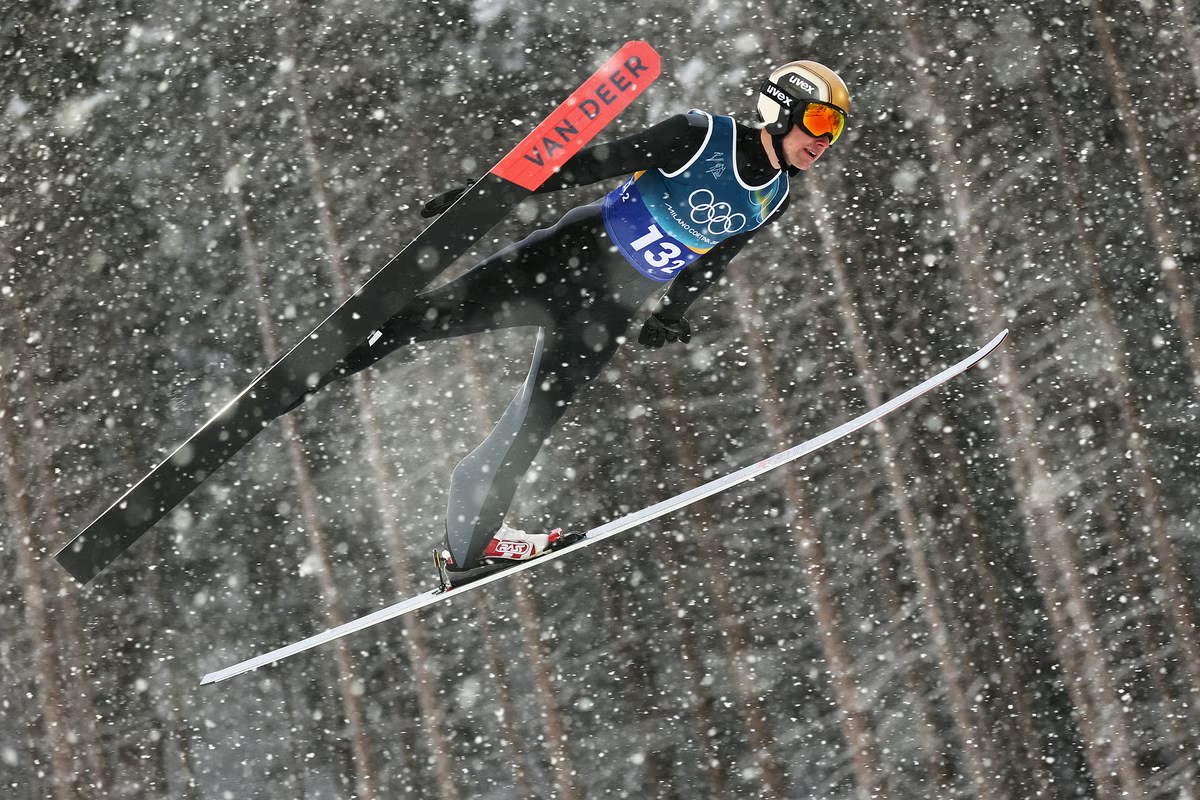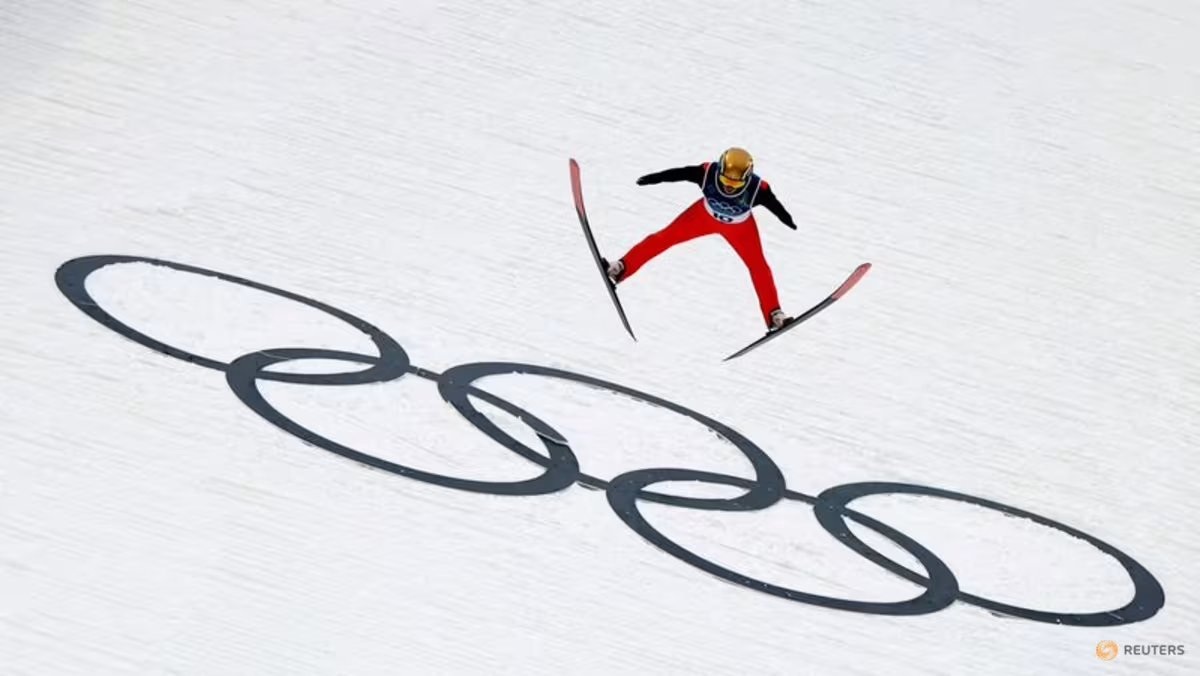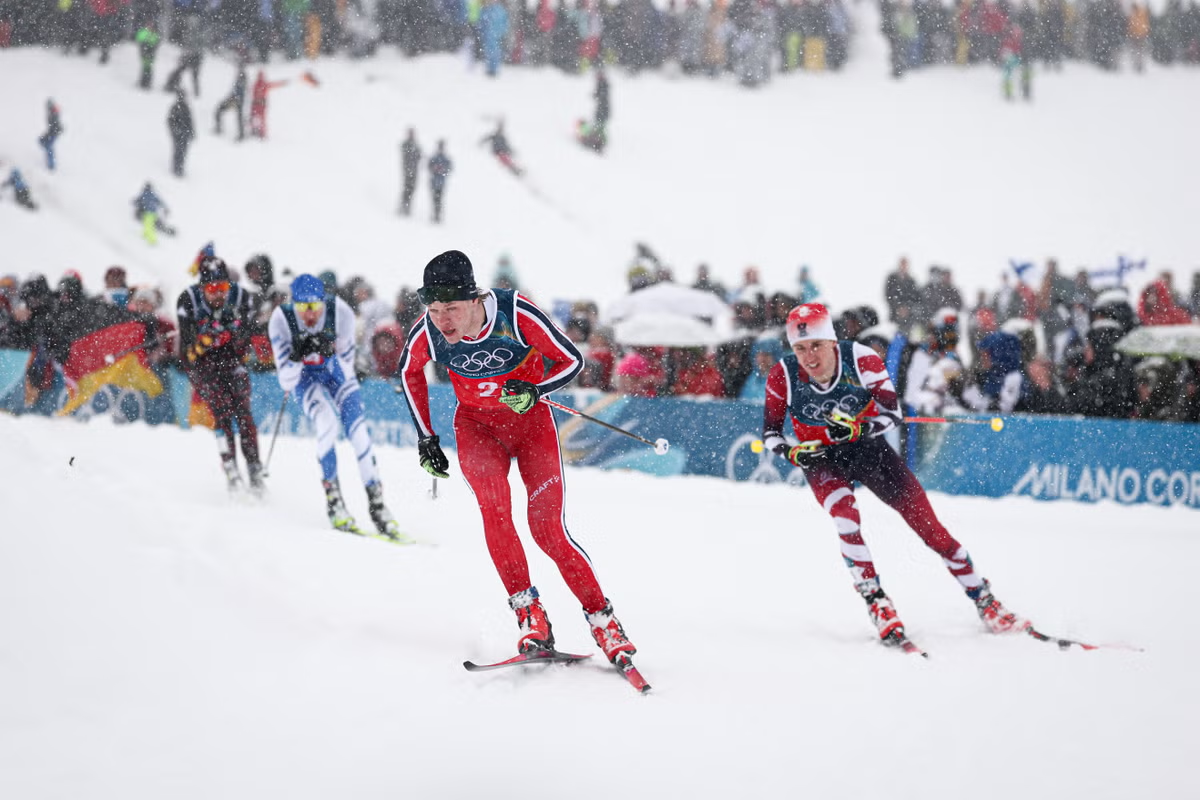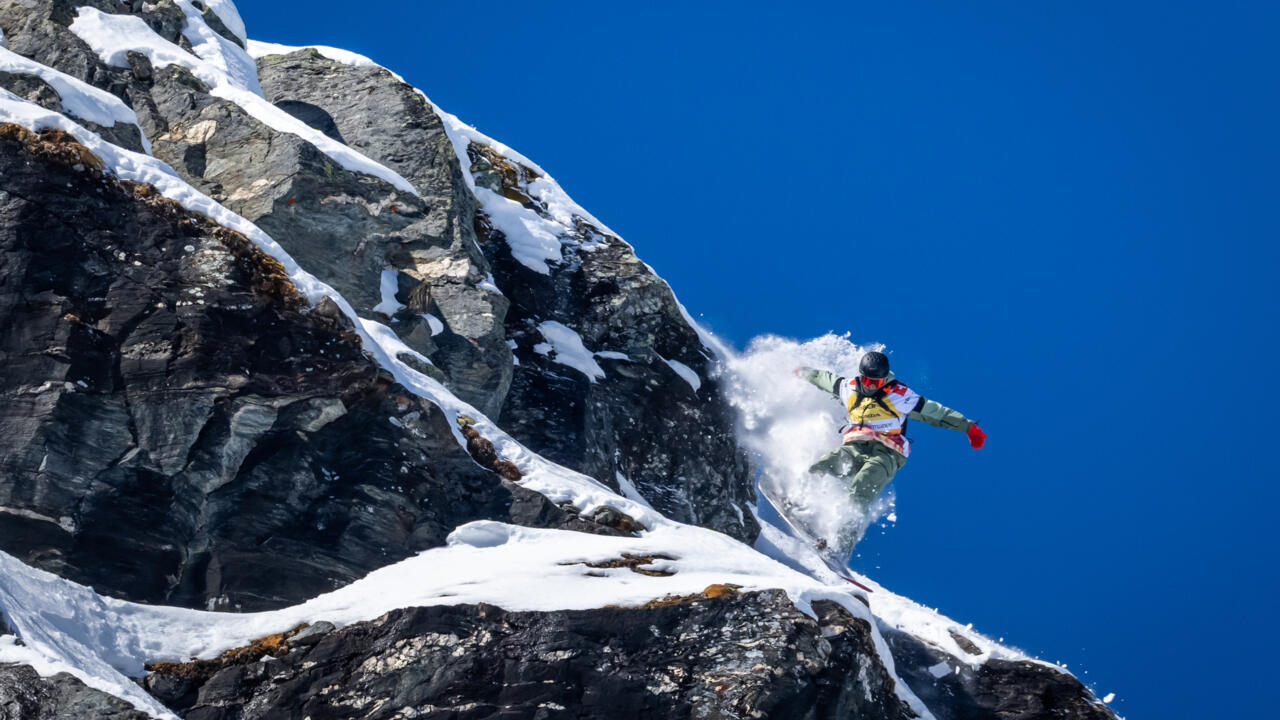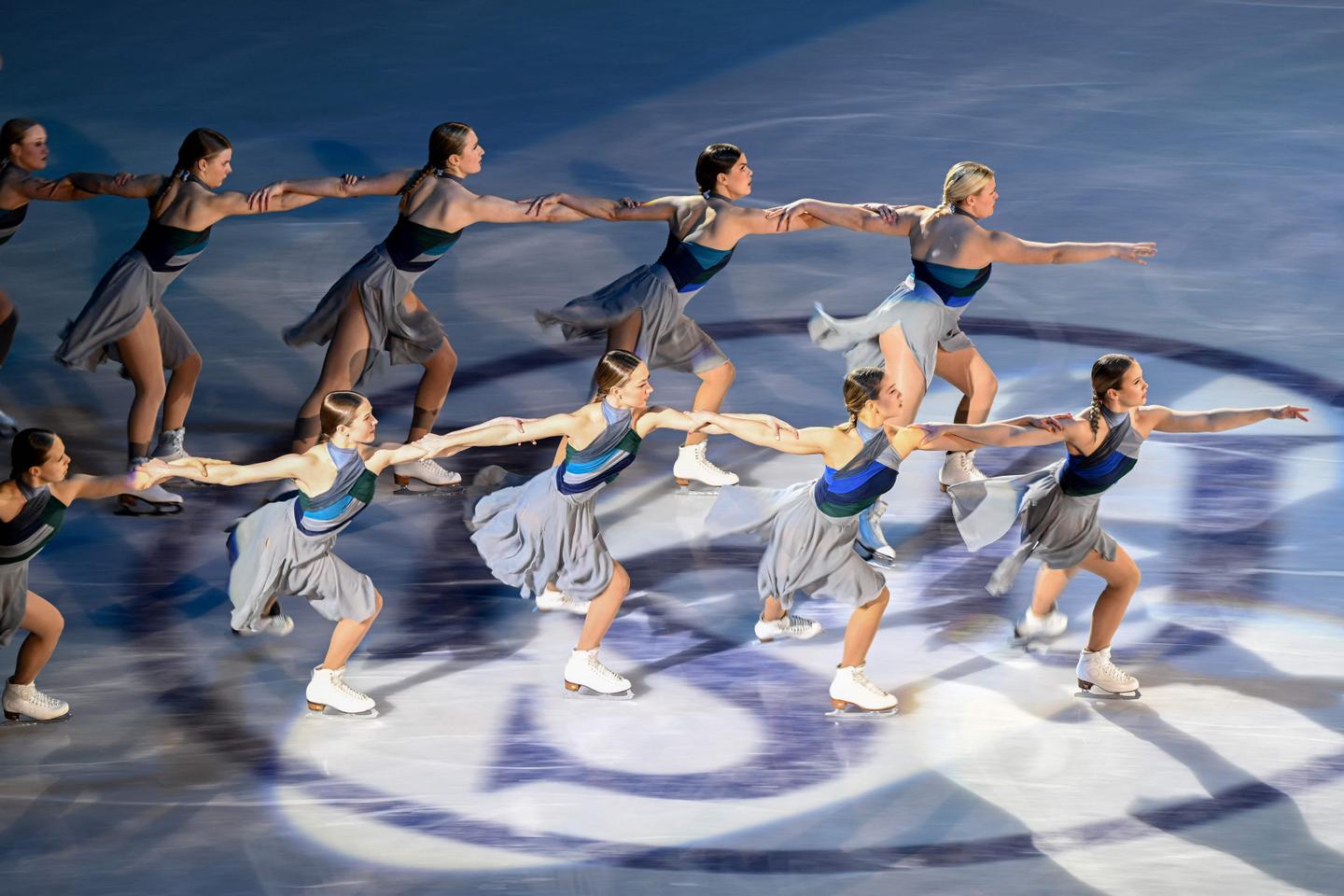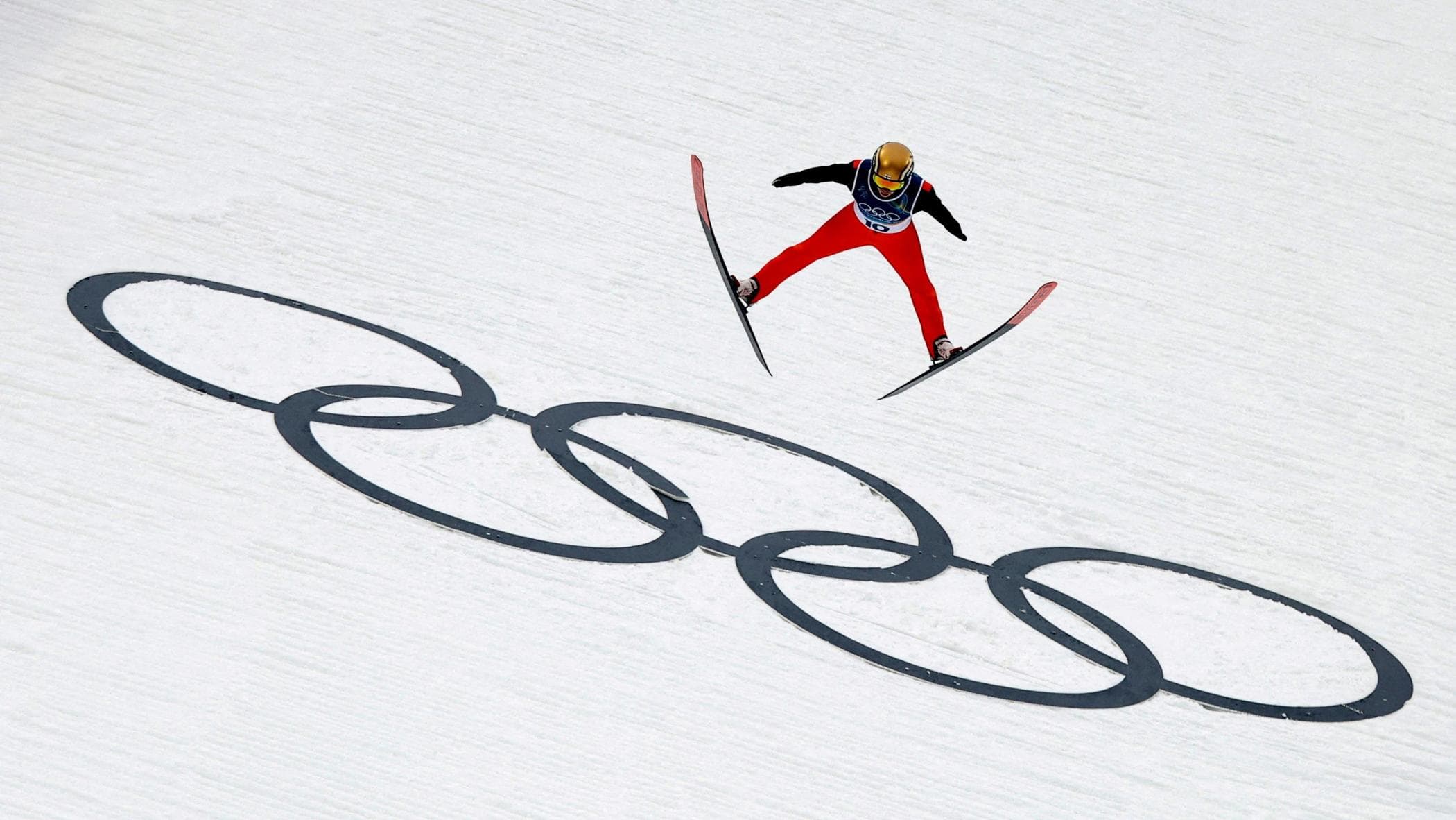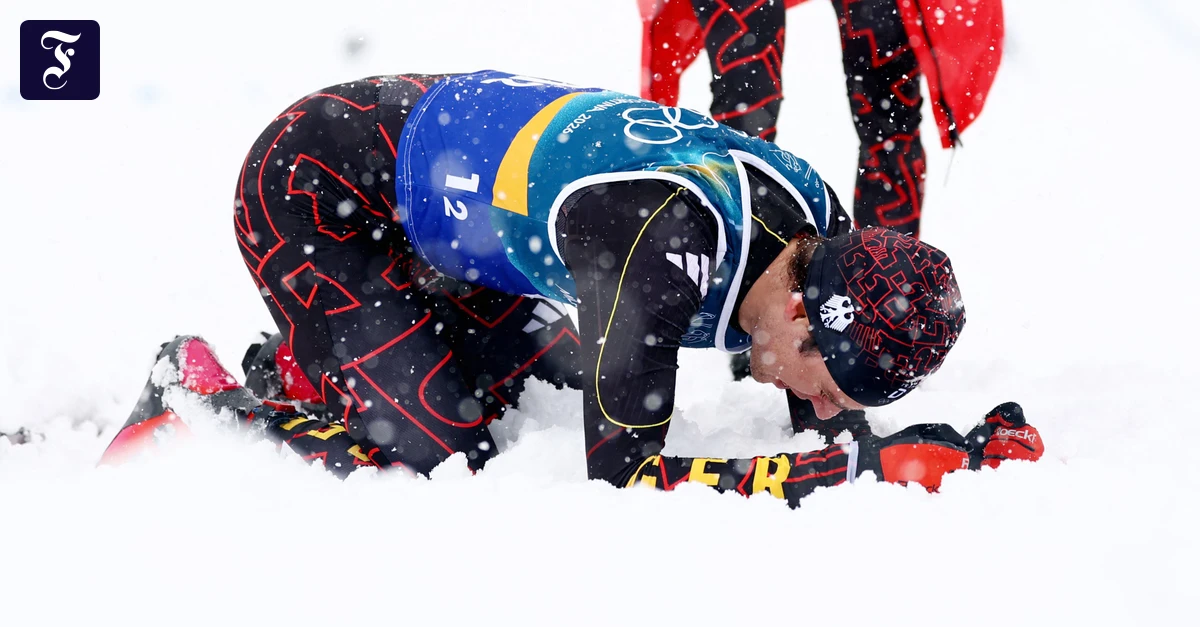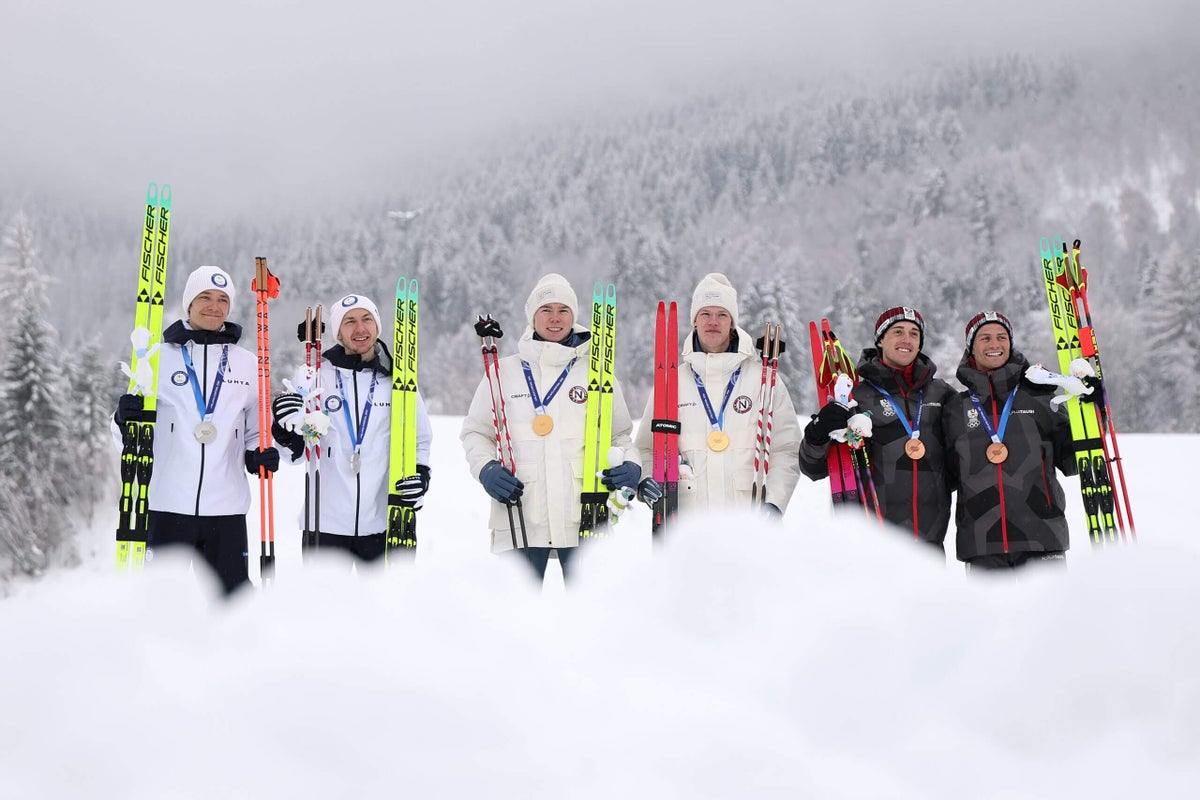
For the first time in Winter Olympic history, the Games will not feature Nordic combined.The International Olympic Committee announced Tuesday that it was cutting the sport from the 2030 Winter Olympics in the French Alps, removing one of the original staples from the program, while adding freeride skiing and freeride snowboarding, along with synchronized figure skating, as part of a set of rare changes.Nordic combined, which features cross-country skiing and ski jumping, has been in every Winter Olympics since the Games debuted in 1924. But the sport has struggled with viewership, audience and diversity of countries in recent years. At the 2026 Winter Games, it was the only sport not to feature a women’s competition, despite years of advocacy from women’s Nordic combined athletes pushing for their inclusion in the Olympics and the IOC’s desire for equal participation of men and women.Now, neither men nor women will have the chance to compete in the next Winter Games after the IOC said a global study on popularity indicators led them to the decision.“Based on the findings of this study, together with trends observed across previous studies of past editions of the Olympic Winter Games,” the IOC said in a news release, “the IOC (executive board) discussed the status of Nordic combined and decided not to include the discipline on the Alpes 2030 programme.”Effectively taking its place will be freeriding, a sport in which athletes compete on ungroomed slopes, choose their own lines down the mountain, and showcase various techniques to accumulate points on a judge’s scorecard.American Ross Tester competes at the Xtreme Verbier, freeriding’s showcase event, in March 2025 in Switzerland. The sport will join the Olympic program in 2030. (Maxime Schmid / AFP via Getty Images)The Nordic combined decision is a blow to men’s and women’s advocates, who have spent years trying to show the IOC that the sport deserves its place at the Olympics, with women competing alongside men.It’s also a significant move for the Winter Games, which rarely see sports drop from a program that’s already small compared to its summer counterpart. The last time a sport was removed from the Winter Olympics was in 1960 in Squaw Valley, Calif., when bobsled took a one-Games hiatus because organizers didn’t want to incur the expense of building a venue for it (luge and skeleton were not part of the program at the time).Adding to the Winter Games program is also rare. Freeriding will be the third completely new sport introduced in the last 30 years, along with ski mountaineering in 2022 and snowboarding in 1998. Curling (1998) and skeleton (2002) were also re-added after featuring in previous Games.Also joining the 2030 program is synchro9, a team figure skating event; a mixed singles relay in biathlon; men’s and women’s team sprints in speed skating; mixed team events in freestyle ski cross and snowboard parallel; and a women’s super team event in ski jumping. Ski mountaineering will also return.Altogether, the IOC said the moves will make the 2030 Games the first gender-equal Olympics — 50 percent of the athlete quota spots will be for women, with 56 women’s events, 55 men’s events and 15 mixed events.Women’s Nordic combined athletes hoped the IOC would allow them to compete at the 2026 Games to help with that equality, having shown a deeper field on the international level in recent years. But in 2024, the IOC denied that request, and instead put the entire sport on notice, saying that Nordic combined needed to grow the number of people competing, the diversity of countries on the podium and the size of the sport’s audience to continue competing at the Winter Olympics.Germany’s Vinzenz Geiger competes in the ski jumping portion of the men’s Nordic combined team sprint at the 2026 Olympics. The event had been in every Winter Games since the first in 1924. (Maddie Meyer / Getty Images)Shortly before the 2026 Winter Games, the IOC said that Nordic combined had the lowest audience numbers of the prior three Olympics “by far,” and that it would be looking at how the sport performed in Italy in February.While the variety of countries on the women’s podium has grown over time, with athletes from Norway, the U.S. and Finland taking the top three spots in World Cup standings in the 2025-26 season, Norway won all three golds on offer at the Milan Cortina Games in February. The remaining medals went to either Finland or Austria.Instead, the IOC wants to broaden the range of countries competing in the Winter Olympics, which Norway and other countries with a strong culture of snow sports traditionally dominate.Freeriding checks that box. Nicolas Hale-Woods, CEO of the Freeride World Tour, which is the sport’s top competition, said the circuit has 11,000 riders from 76 countries in the pipeline, as well as active men’s and women’s divisions for skiing and snowboarding. Each division’s top-10 rankings feature riders from North and South America, Europe and Oceania.It’s also a unique, made-for-TV event. Whereas Nordic combined combines two events whose individual versions tend to get more attention at the Winter Olympics, freeriding has no overlap with other sports and is sure to play well on camera. The sport has a thriving filmmaking subculture, with athletes capturing compelling footage of riders flying down steep mountain chutes and jumping off protruding rocks, all with pristine wild mountain terrain in the background.The decision to remove Nordic combined is not necessarily permanent — the last sport to be removed from the Winter Olympic program and not return was military patrol in 1928. The IOC said Nordic combined will be eligible to return as soon as the 2034 Games in Salt Lake City. But with the Olympic spotlight removed, a sport already struggling with participation and diversity of countries will have an extra hurdle to clear.
Nordic combined, a Winter Olympic mainstay, dropped from 2030 Games; freeriding added
Nordic combined, a feature of every Winter Olympics, is out as the IOC announced moves that will make 2030 the first gender-equal Games.
979 words~4 min read