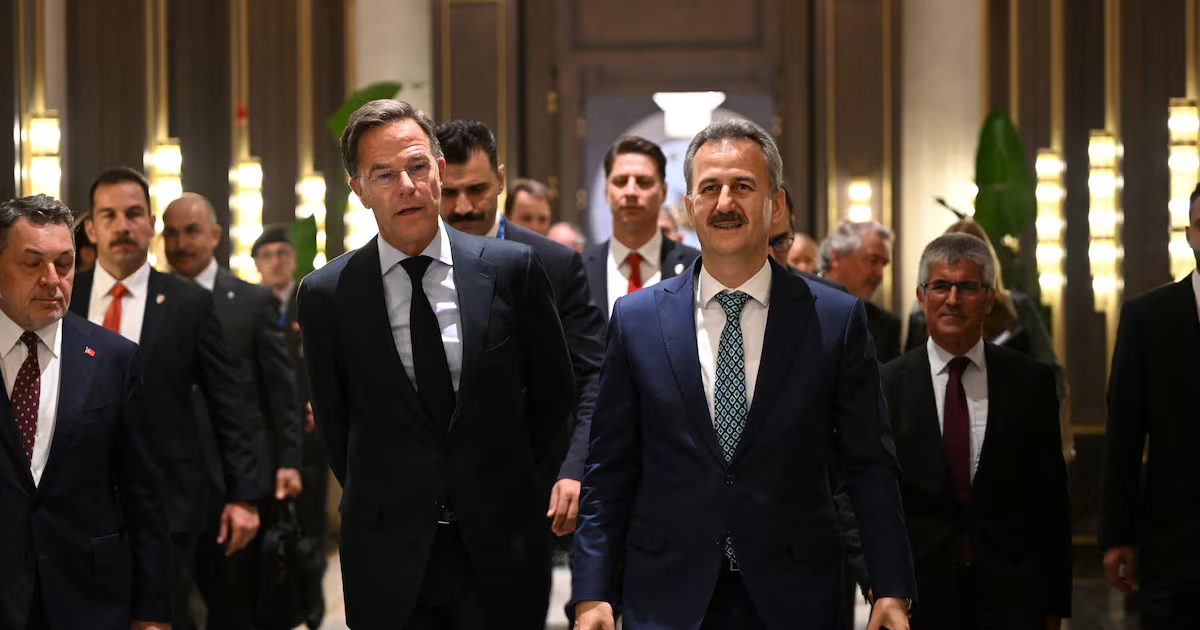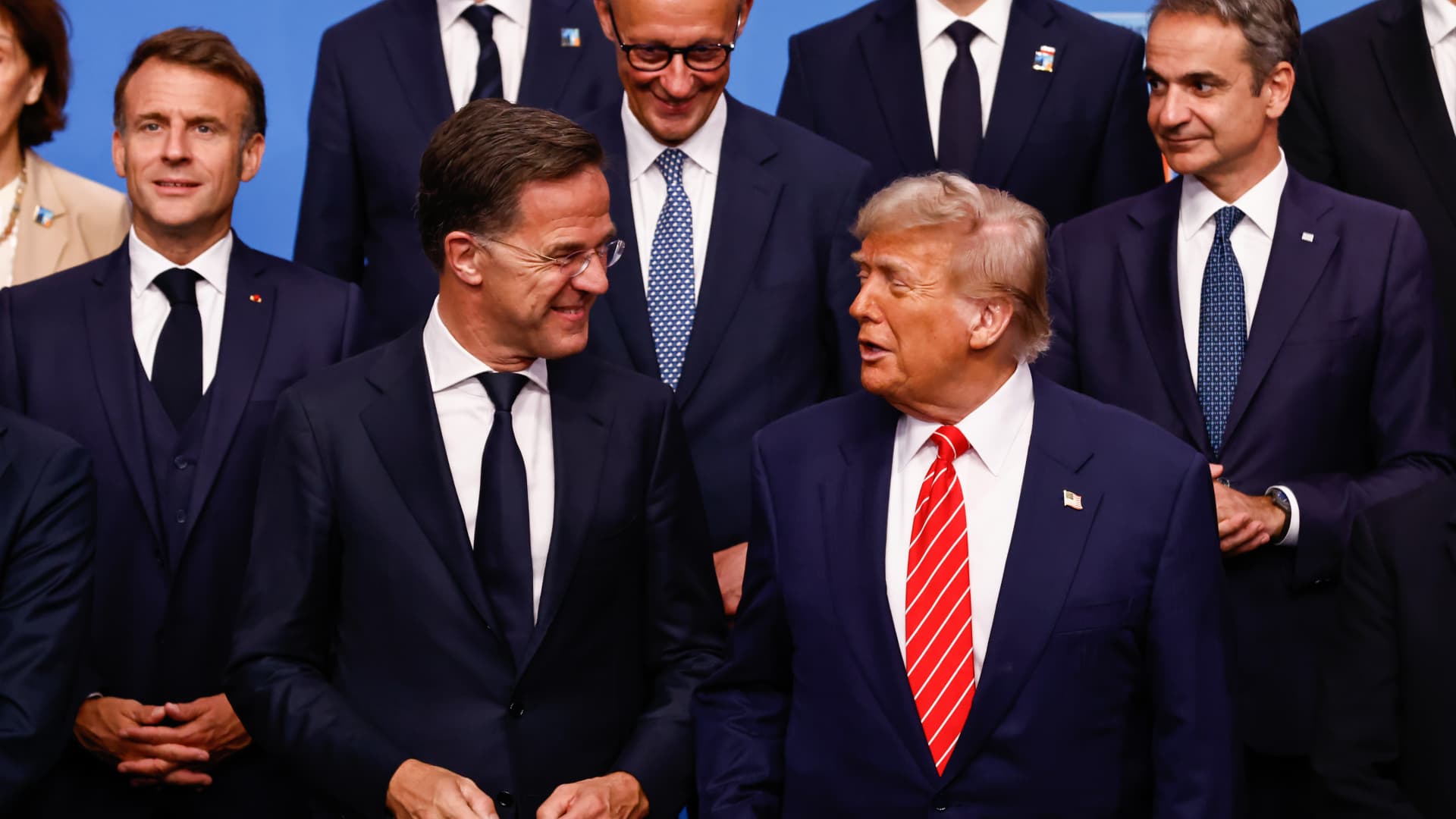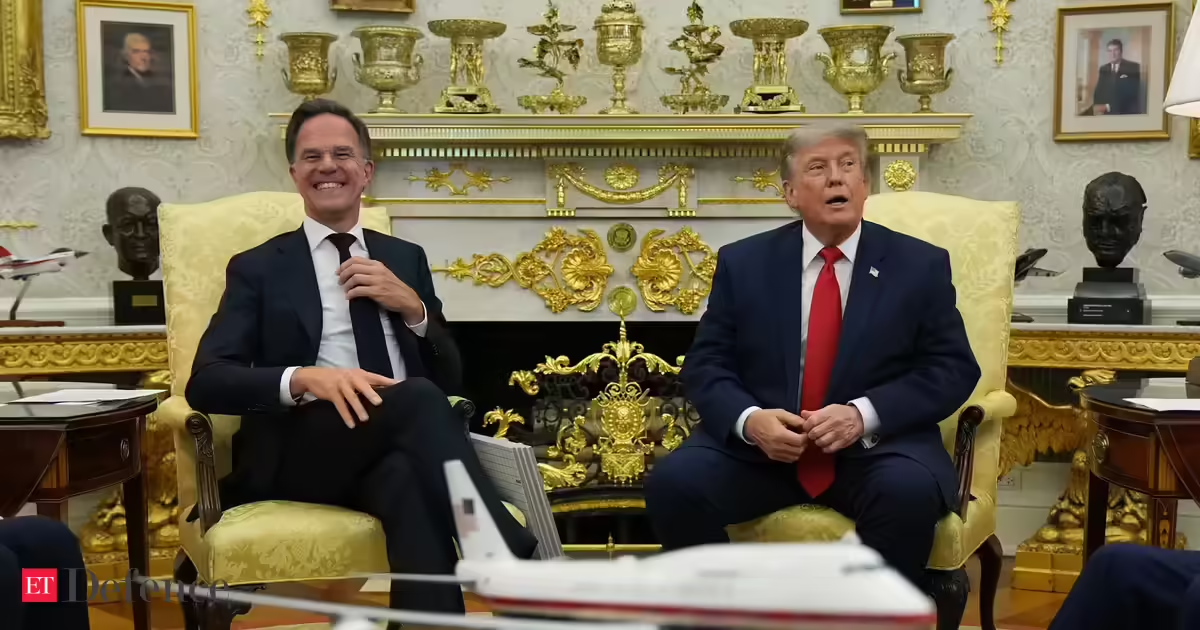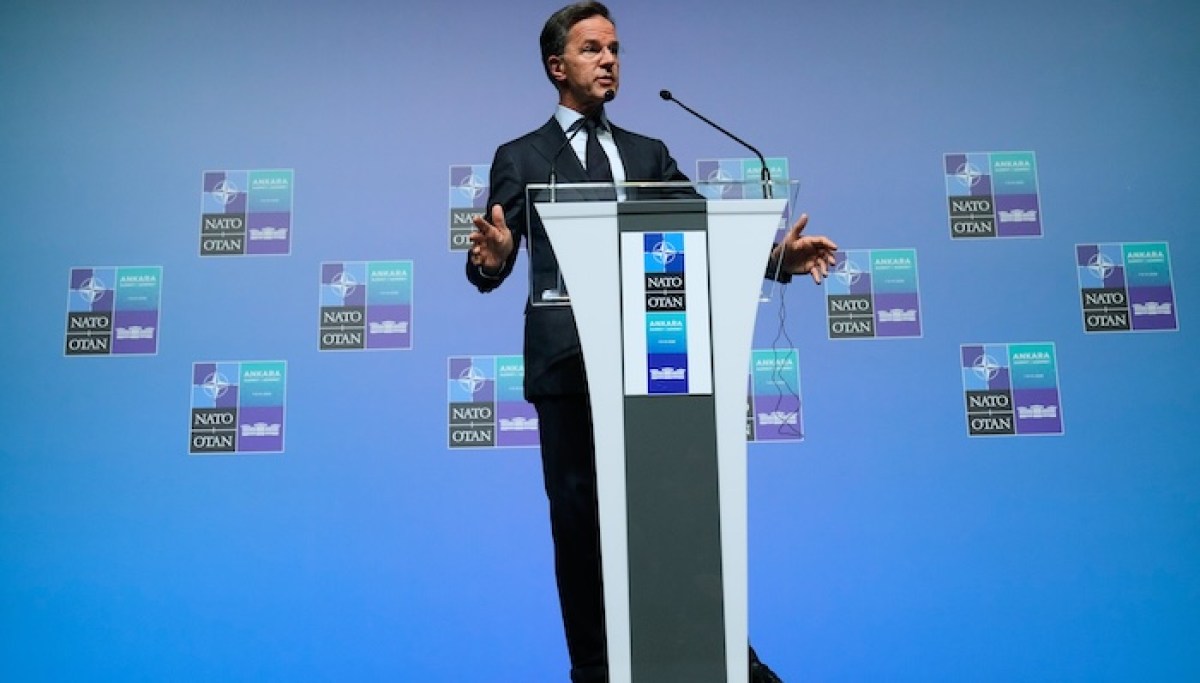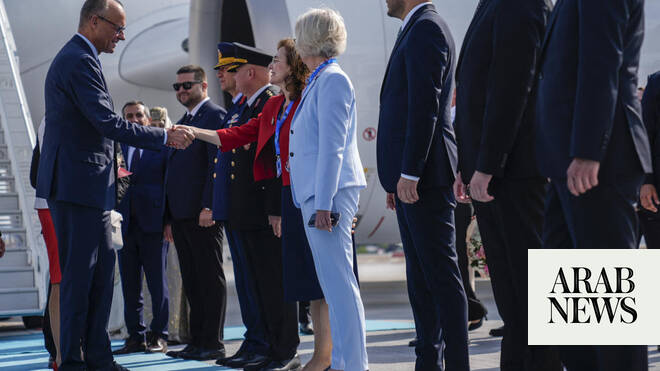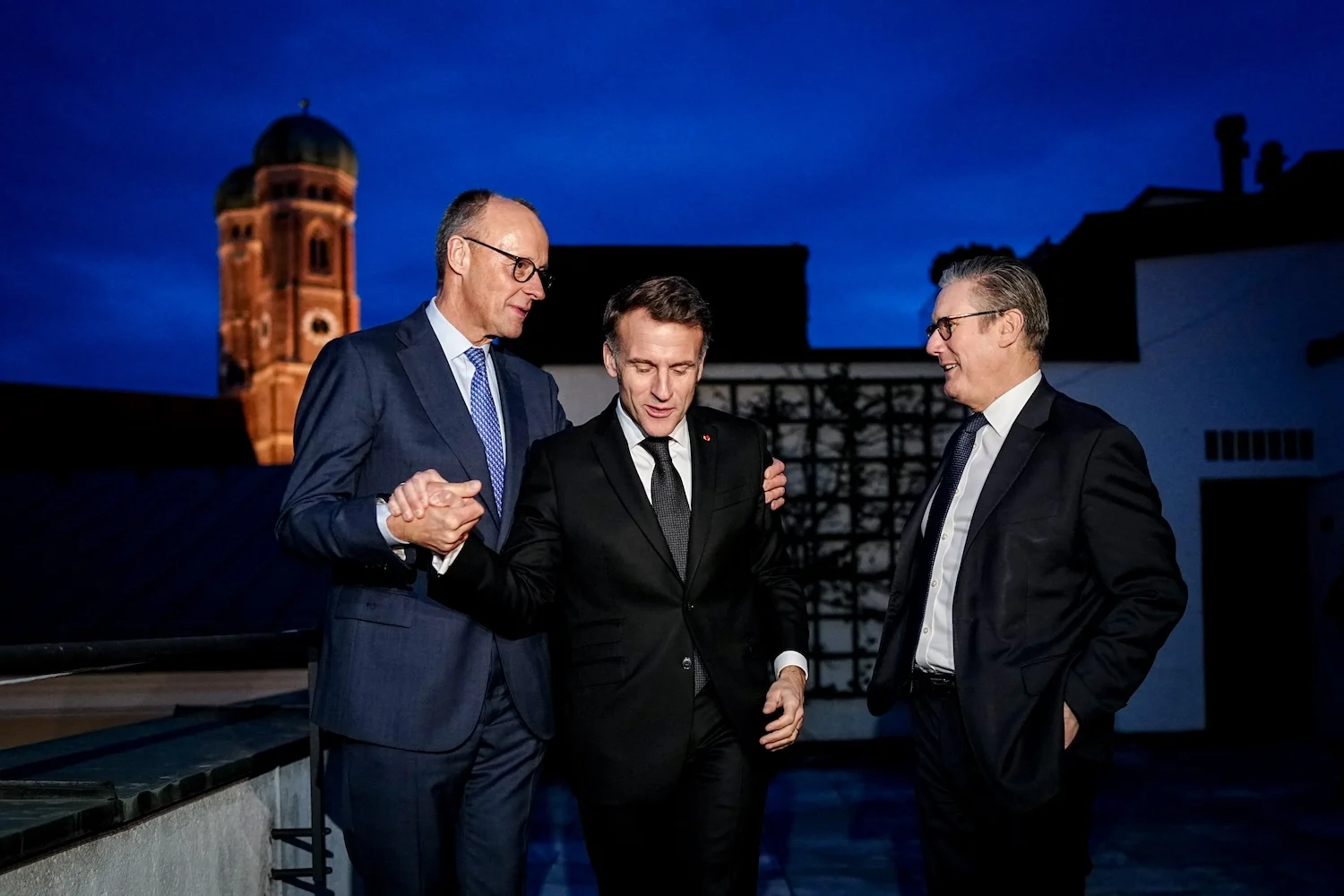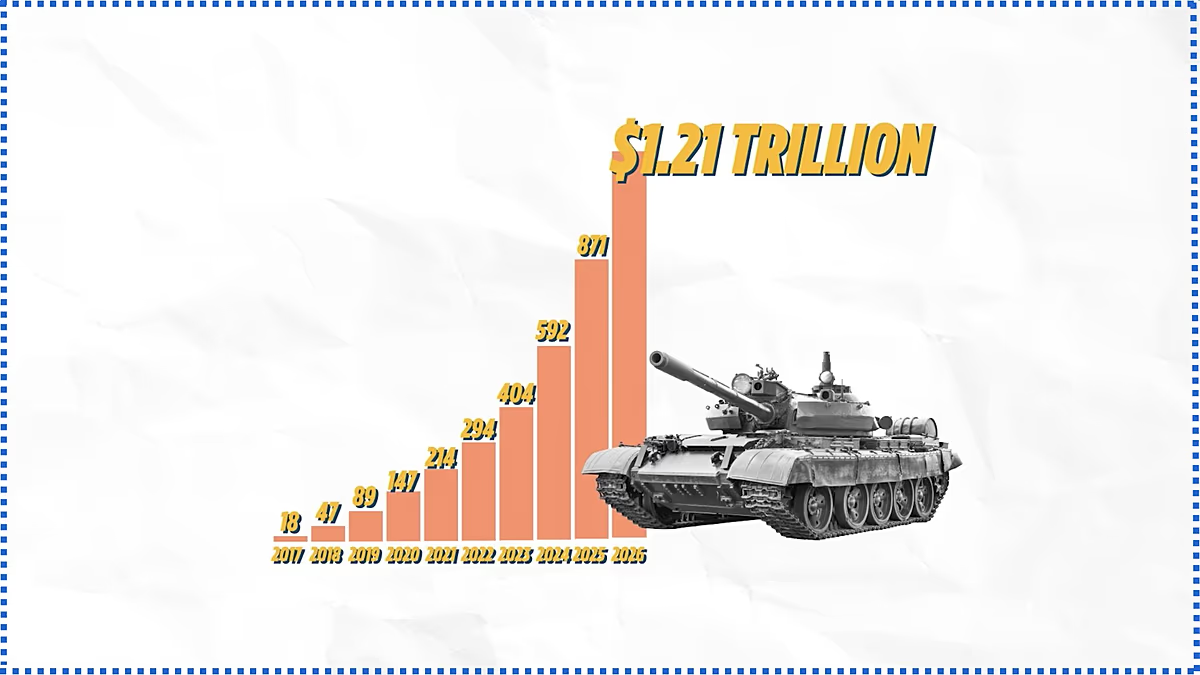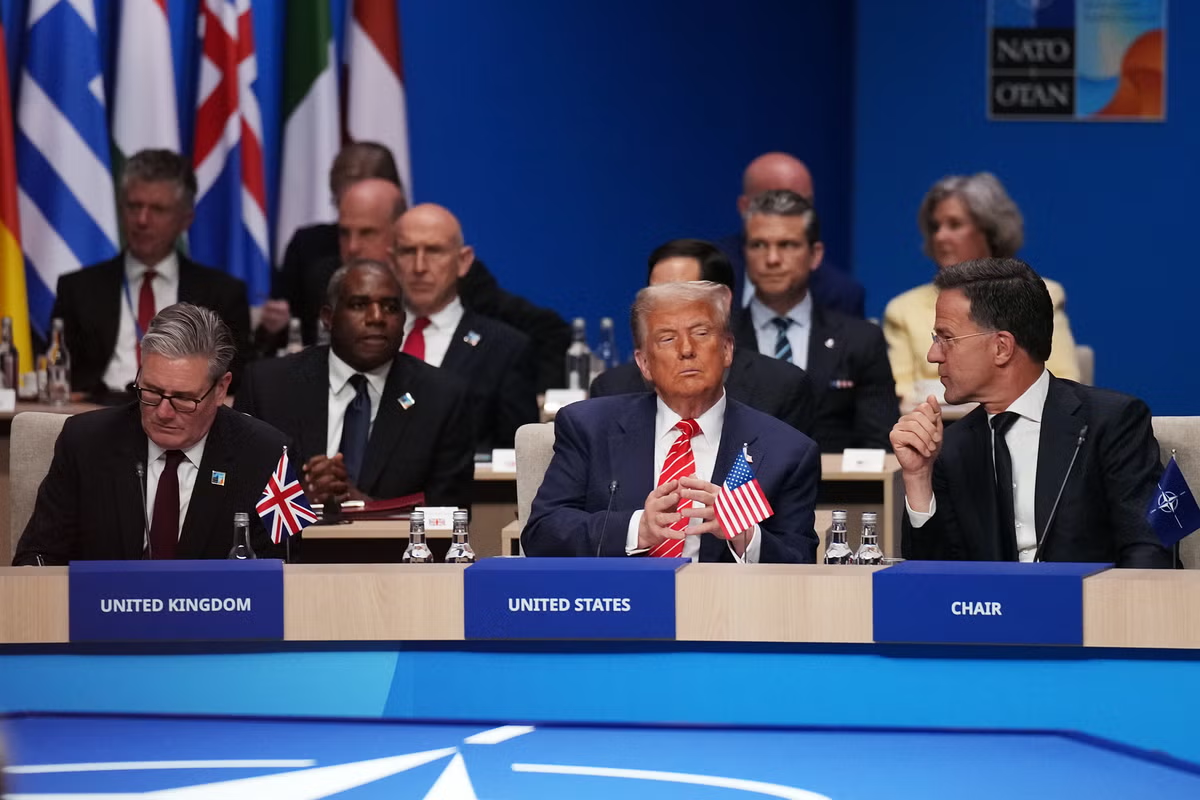
Europe finds itself in an increasingly precarious position amid the ongoing threat posed by Vladimir Putin and the withdrawal of US military support - and data suggests that defence spending has not kept up. The dual risk posed by a belligerent Russia and a disengaged Washington has underlined the need to develop the continent’s military independence, European allies have said. Nato chief Mark Rutte has insisted that “Europeans are already backfilling what the US cannot any longer promise” in an interview with the Wall Street Journal. Those shortages include midair re-fuelers and long-range strategic bombers that the US has in abundance, but is in worryingly low stock in Europe. UK Prime Minister Keir Starmer, US President Donald Trump and Mark Rutte, secretary general of the North Atlantic Treaty Organisation (NATO) attend the second day of the 2025 NATO Summit on June 25, 2025 in The Hague, Netherlands. (Getty)The issue is to be of central importance at the Nato summit in Ankara this week. Rutte has already indicated that allies will cooperate on critical defence materials on Tuesday at a defence industry forum. He also announced that Nato allies will invest over $40bn in anti-drone capabilities over the next five years. On Monday, the Trump administration warned that Nato allies must step up their defence spending “immediately” or face the consequences. “Some allies are doing more than others. Poland, the Nordic countries, the Baltic countries lead the way,” said Matt Whitaker, US ambassador to Nato.“But many others are lagging behind, and President Trump expects all allies to step up immediately and not only get on a sustainable path to the 5 per cent [of GDP spent on defence] but to get to 5 per cent as soon as possible.”However, the United States is not actually the largest Nato spender when it comes to contributions as a percentage of their Gross Domestic Product (GDP). Below, we look at the top contributors to Nato as a percentage of the country’s GDP and the change in contributions over the years. Poland has increased its contribution by 214 per cent between 2014 and 2024 and spent 4.48 per cent of its GDP on contributions to Nato in 2025. But despite this, the Pentagon canceled the deployment of an armoured brigade in May and last year, an infantry brigade was pulled from Romania. Trump said he would send 5,000 troops to Poland to compensate for the withdrawal but so far no forces have been sent. Lithuania has increased its contributions by 324 per cent, now spending 4 per cent of GDP on Nato every year, the largest percentage change between 2014 and 2024, according to World Population Review. Latvia is also among the countries with the biggest percentage change, increasing its spending by a margin of 316 per cent between 2014 and 2024. Spain, Belgium, the Czech Republic, Portugal, North Macedonia and Luxembourg are among the lowest contributors, spending 2 per cent each in 2025.Meanwhile, the United States contributes 3.22 per cent of GDP on Nato, the same as Denmark, but less than Latvia (3.73 per cent), Estonia (3.38 per cent) and Norway (3.35 per cent).Nato secretary general Mark Rutte delivers the keynote speech at the Nato Summit Defence Industry Forum, on the sidelines of the Nato leaders' Summit, in Ankara, Turkey, July 7, 2026 (Reuters)On Tuesday, Nato is expected to showcase a series of new military projects worth billions of dollars in an attempt to convince Trump that the allies are stepping up defence spending. At an event dubbed the “big reveal,” several leaders are due to announce new deals with defence companies, many of them based in the US.“We will announce tens of billions in new contracts that will provide the crucial kit we need to deter and defend,” Nato secretary-general Mark Rutte told reporters on the eve of the summit.
The countries that spend the most on Nato - and who needs to do more
The US is not the biggest contributor to the alliance as a percentage share of its GDP but Trump has demanded allies ramp up defence spending immediately
637 words~3 min read