Audio By Vocalize
Samburu Governor Lati Lelelit (second right) receives a dummy cheque of Sh 10 million from NRT officials led by carbon credit project director Dr Mohammed Shibia (centre), on February 28, 2024, in Maralal town. [File, Standard]
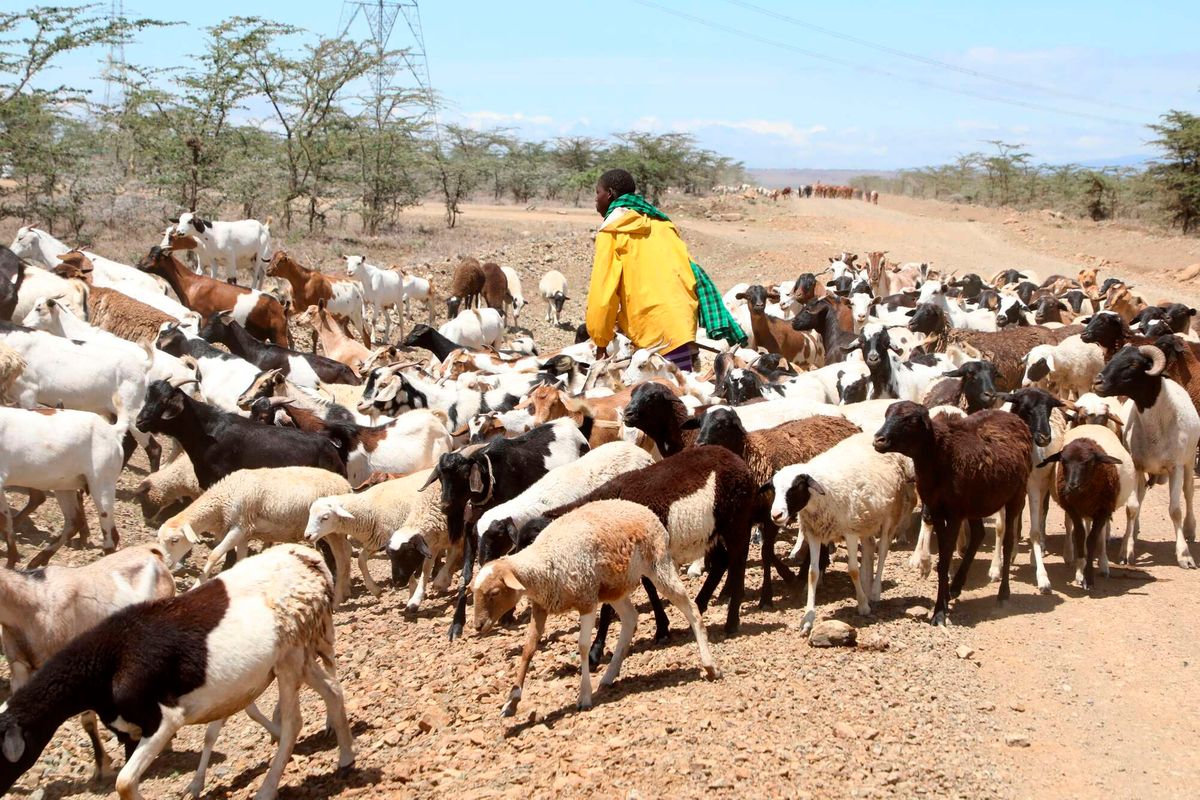
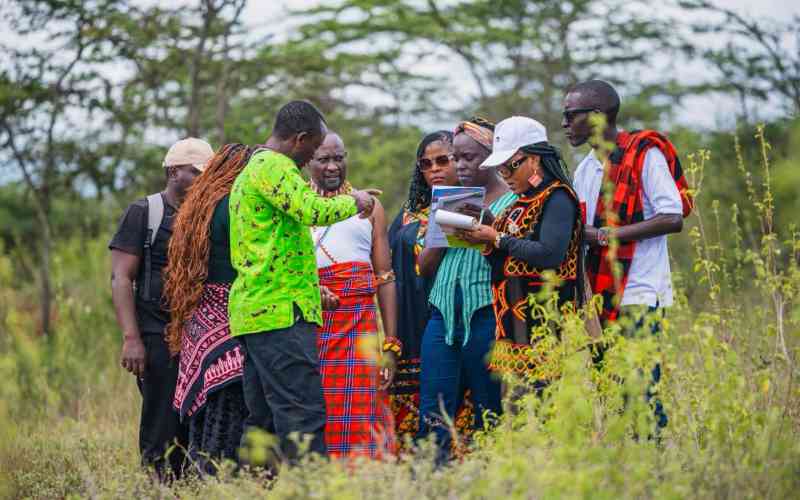
In the rangelands of northern Kenya, the carbon economy is redefining ownership, value and conservation. Communities that have grazed livestock on the communal landscapes for generations are now receiving payments not for what they produce, but for what they protect. Grasslands once dismissed as subsistence grazing land are increasingly recognised as globally significant carbon sinks.
As the first carbon revenues reach community conservancies, however, they raise critical questions. Who owns the carbon stored beneath communal land? Who determines its value? And who ultimately benefits from its sale? These are not technical or administrative matters, they are tests of legitimacy. Between the optimism of green investors and the scepticism of climate critics lies a simple truth: carbon credits are not merely environmental assets, they are institutional expressions of trust.
For many, carbon markets remain difficult to comprehend. Supporters describe them as innovative mechanisms that reward communities for conserving nature. Critics dismiss them as little more than commercialisation of thin air. That debate has moved beyond international climate conferences into county assemblies and village discussions across the country. For the first time, pastoralist and indigenous communities that have protected these ecosystems for generations are earning income from services the world now values.