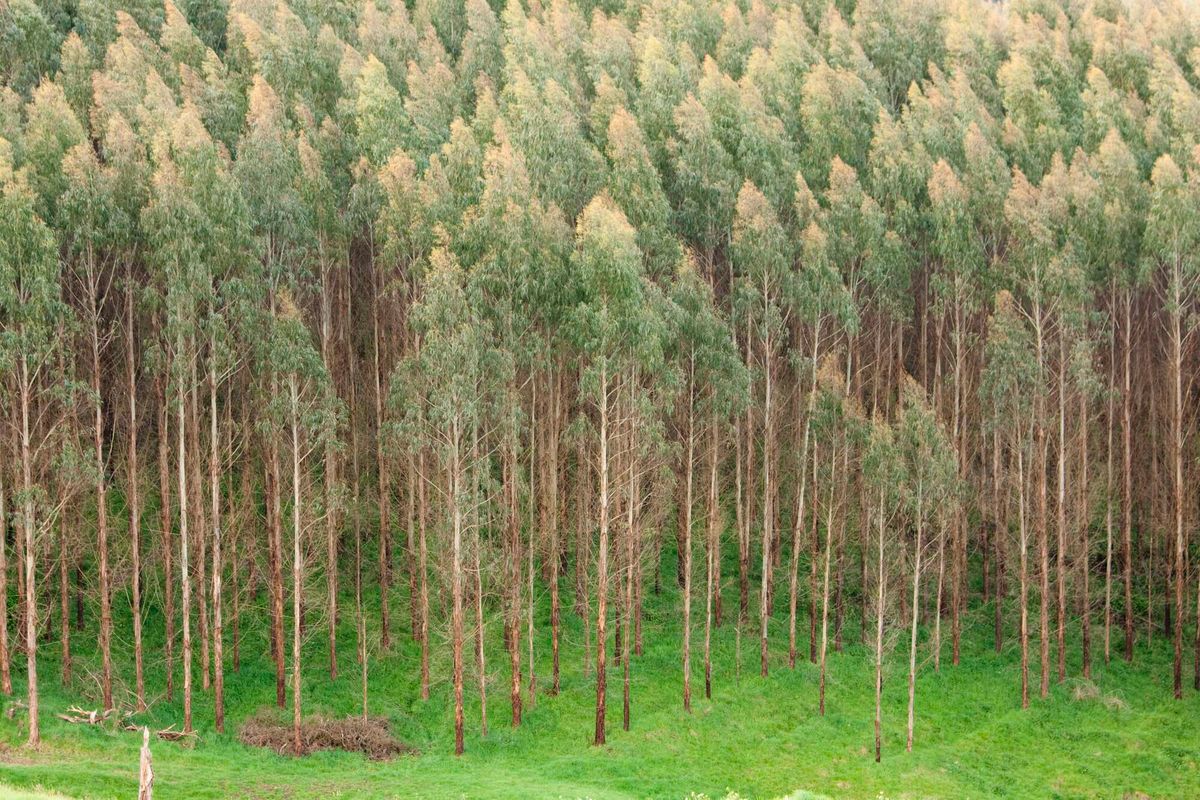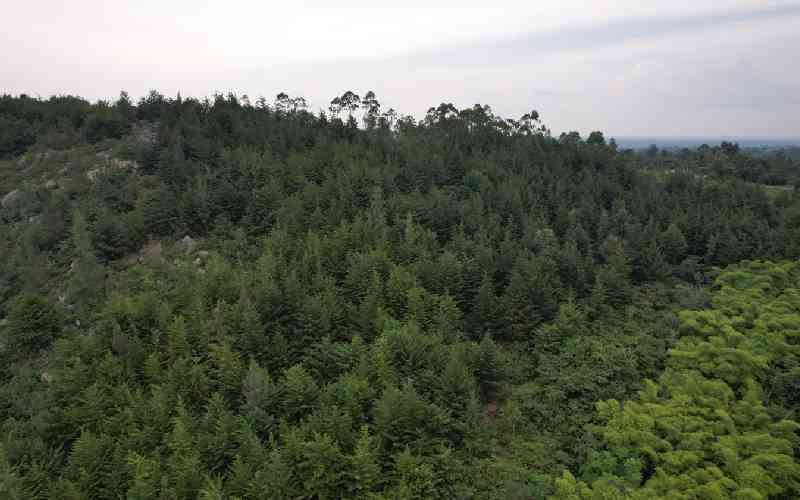
Dense Maragoli Hills Forest in South Maragoli Ward, Vihiga County that is boosting livelihoods after restoration. [Nanjinia Wamuswa, Standard]
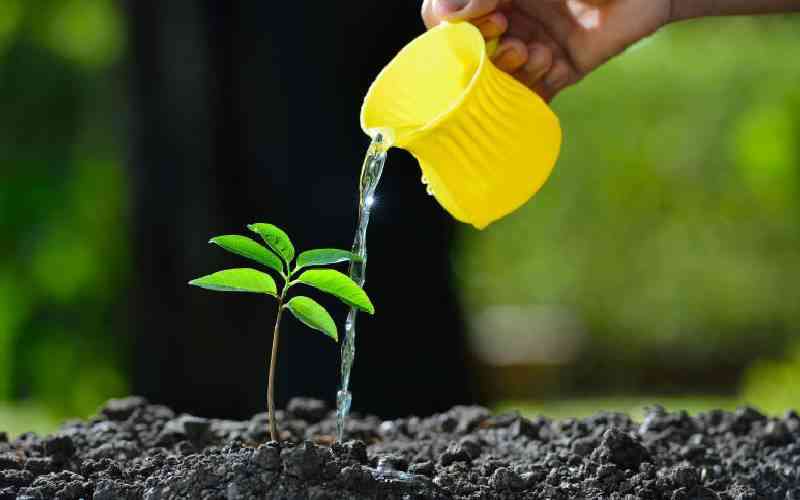
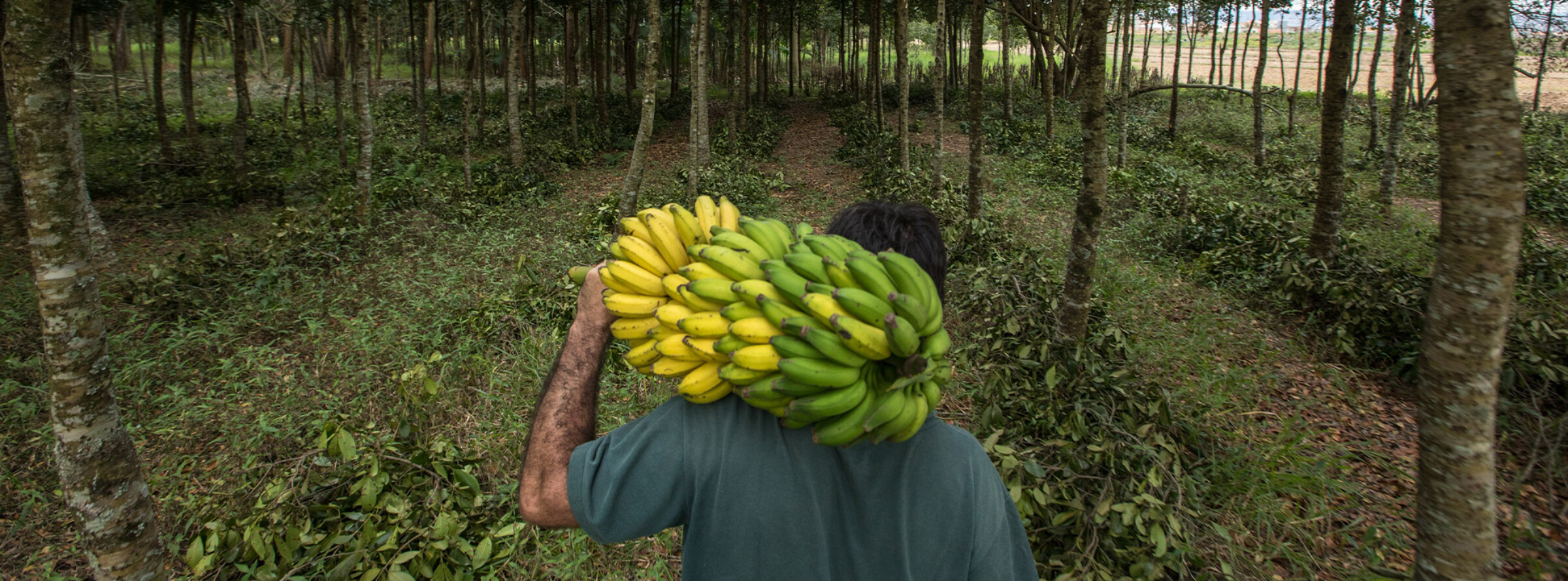
Kenya's ambitious plan to grow 15 billion trees by 2032 is increasingly being viewed as more than an environmental initiative, and beyond restoring degraded landscapes and strengthening climate resilience, the programme is creating a new economic ecosystem that spans seedling production, agroforestry, forest restoration services, eco-tourism, beekeeping, carbon projects and other nature-based enterprises.
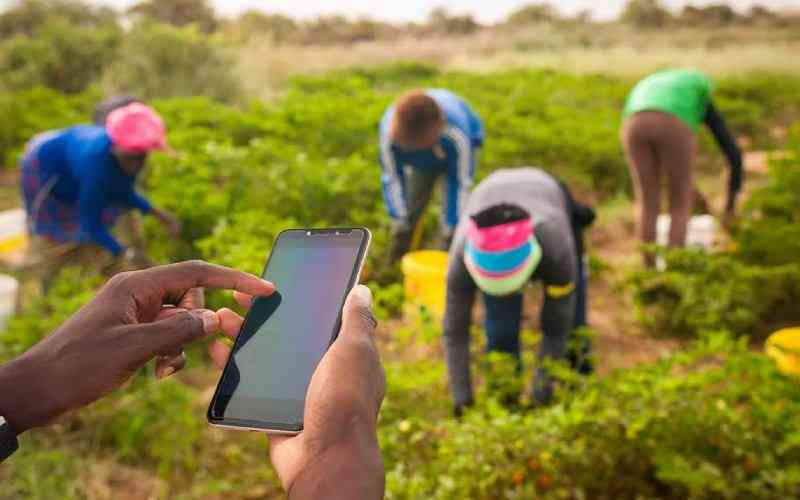
Across the country, counties are discovering that restoration can generate jobs, support small businesses, improve agricultural productivity and create new income streams for rural communities.
The economic stakes are significant. Kenya's National Landscape and Ecosystem Restoration Strategy estimates that land degradation affects approximately 38.8 million hectares, and results in socio-economic and ecological losses of about $1.3 billion (Sh5 billion) annually.
The strategy identifies restoration as a pathway for environmental recovery and livelihood creation, improved productivity and employment generation across multiple sectors of the economy.