A full suspension of the Entry-Exit System is neither necessary nor practical, Brussels says
The EU has rejected the aviation industry’s call to suspend the rollout of new biometric border checks, after the controversial scheme sparked chaos at airports and land crossings across the bloc.
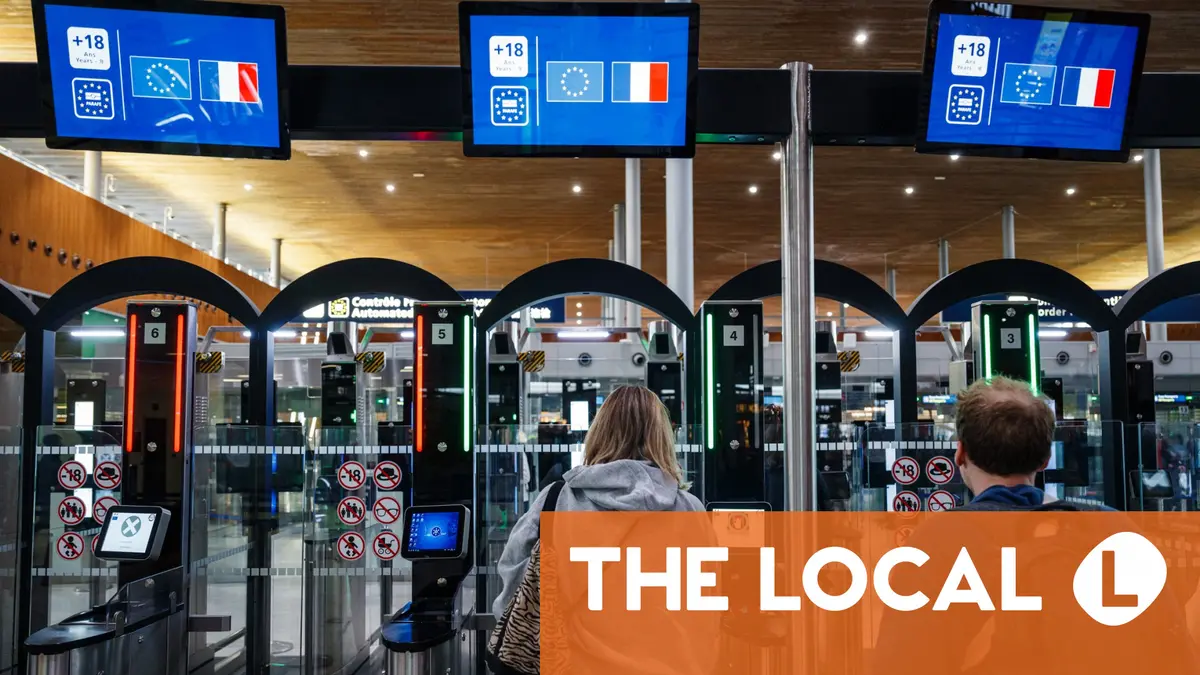
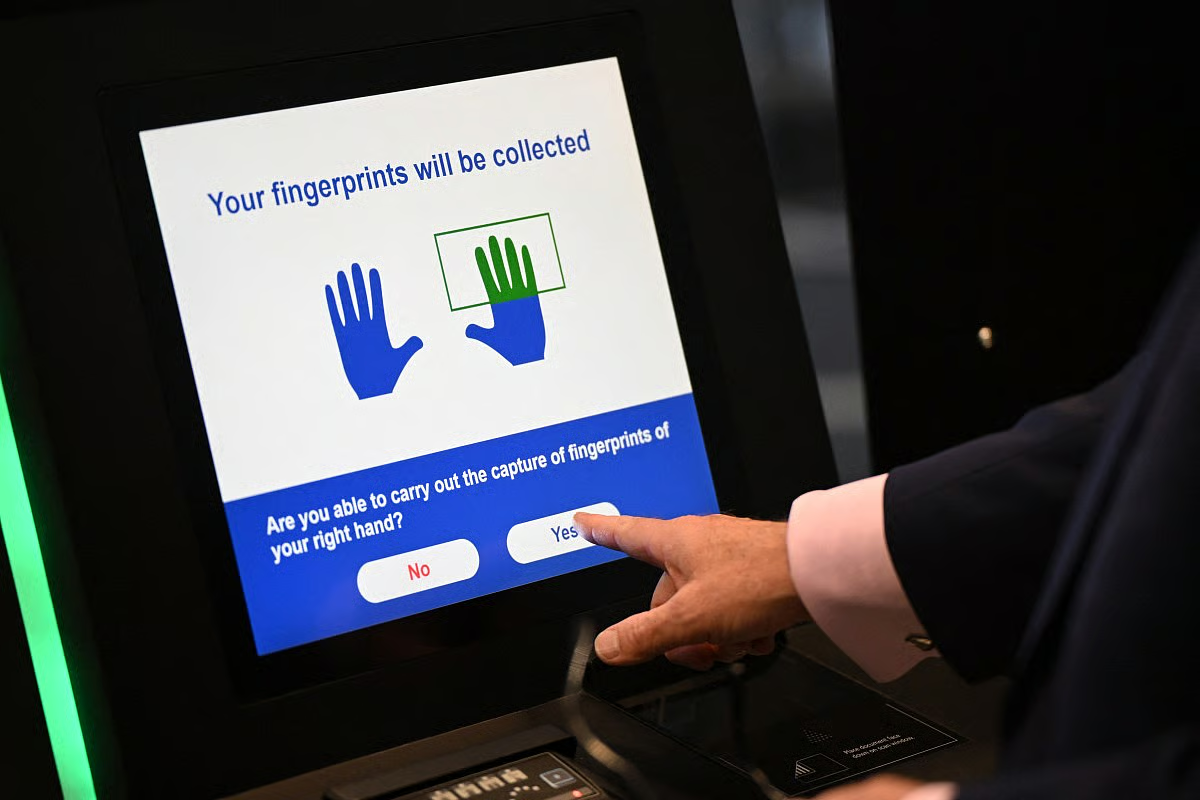
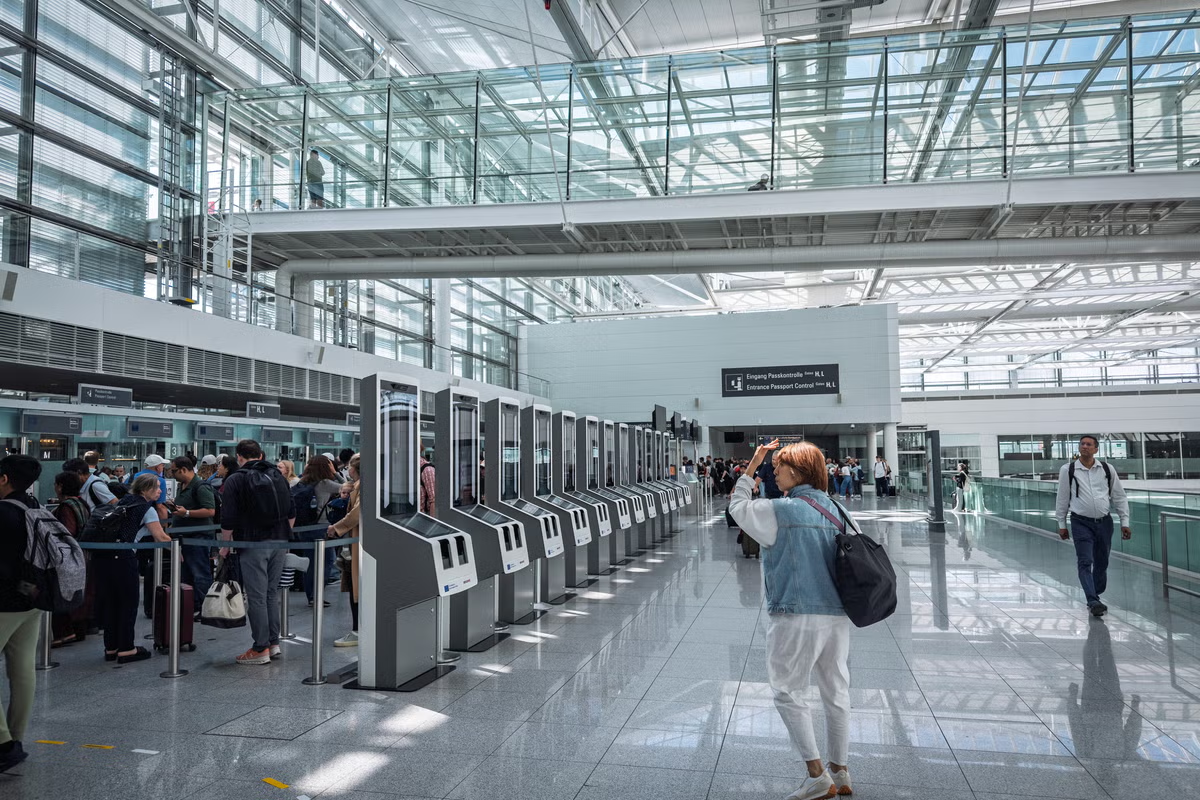
The so-called Entry-Exit System (EES), which came into force in April, requires non-EU citizens to have their fingerprints and faces scanned upon arrival in the passport-free Schengen area, which includes all 27 EU countries except Ireland and Cyprus, plus Norway, Switzerland, Iceland, and Liechtenstein.
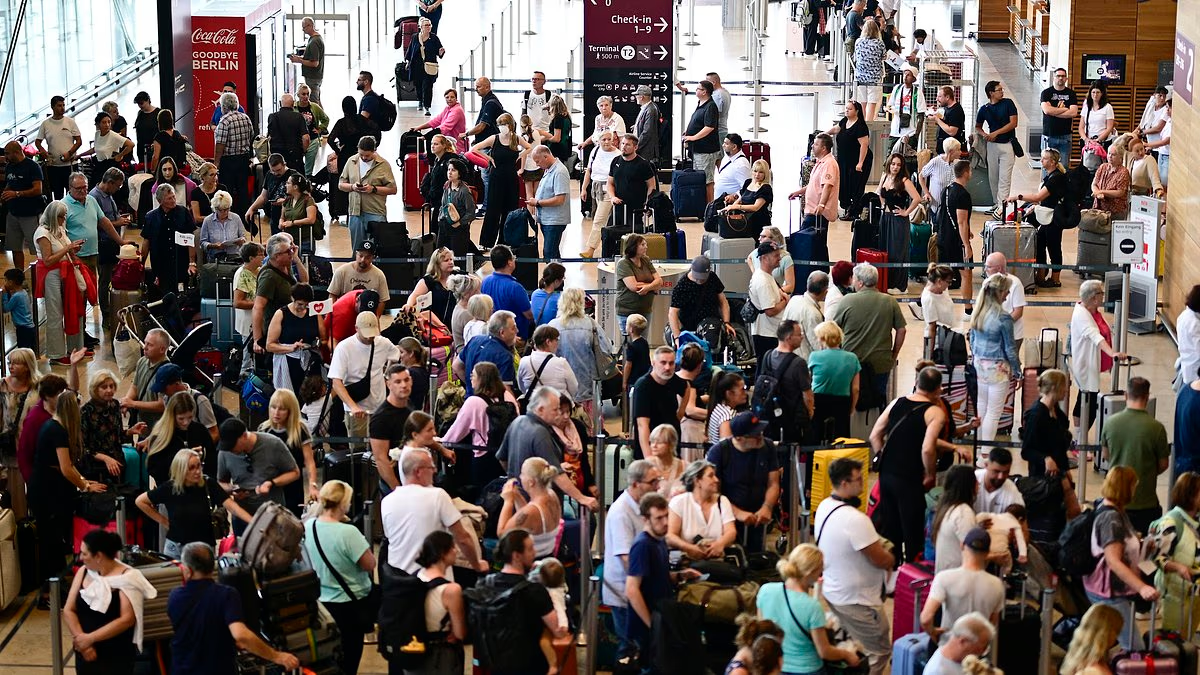
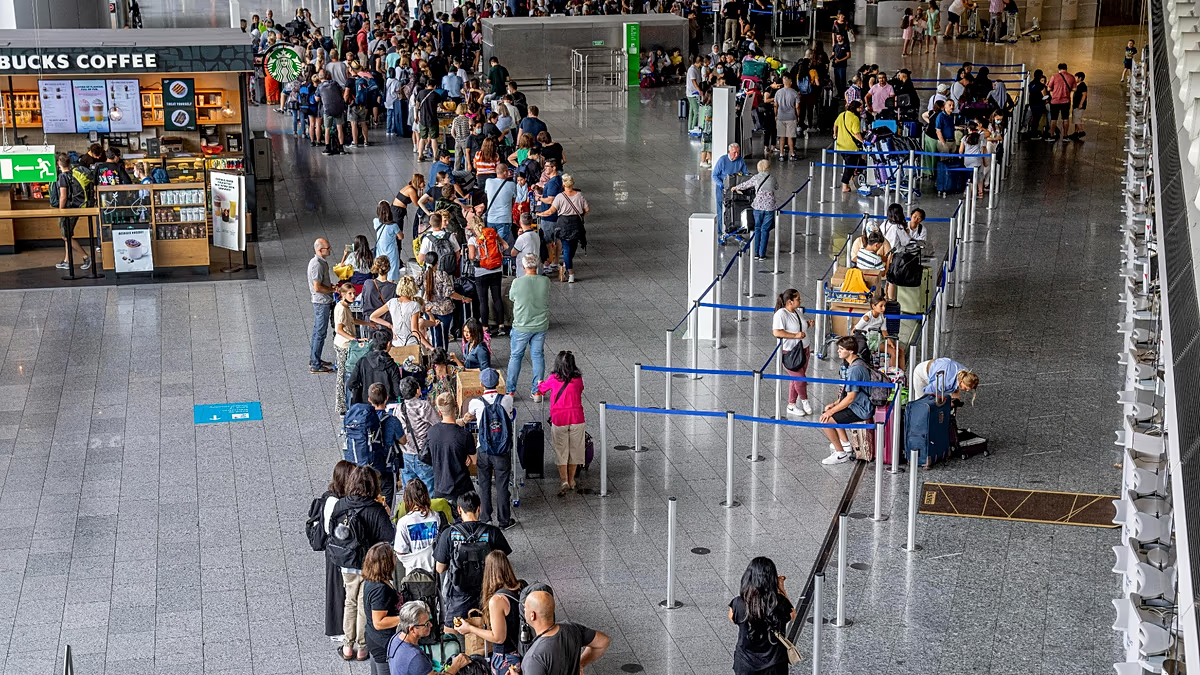
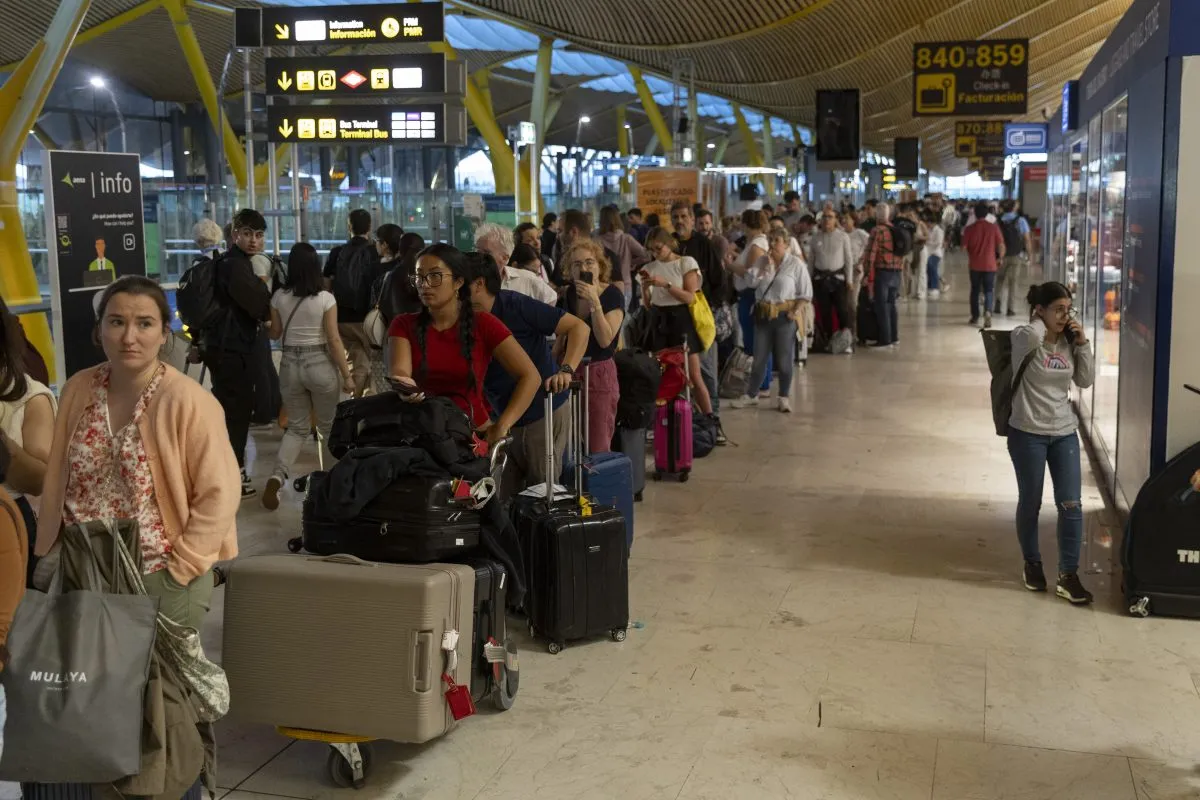
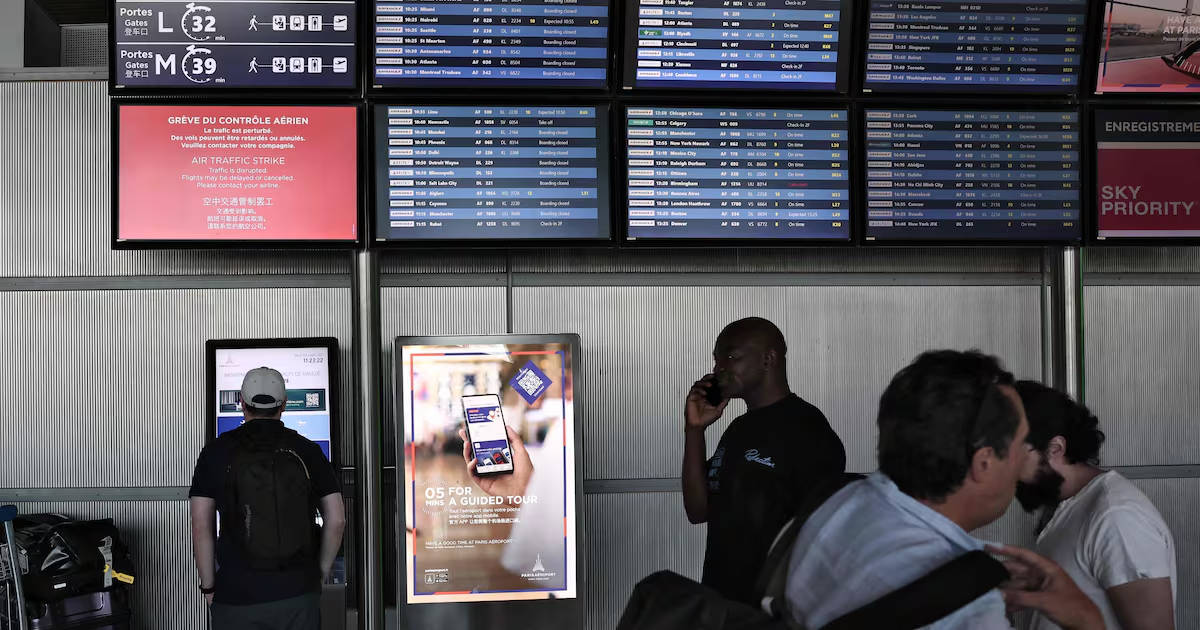
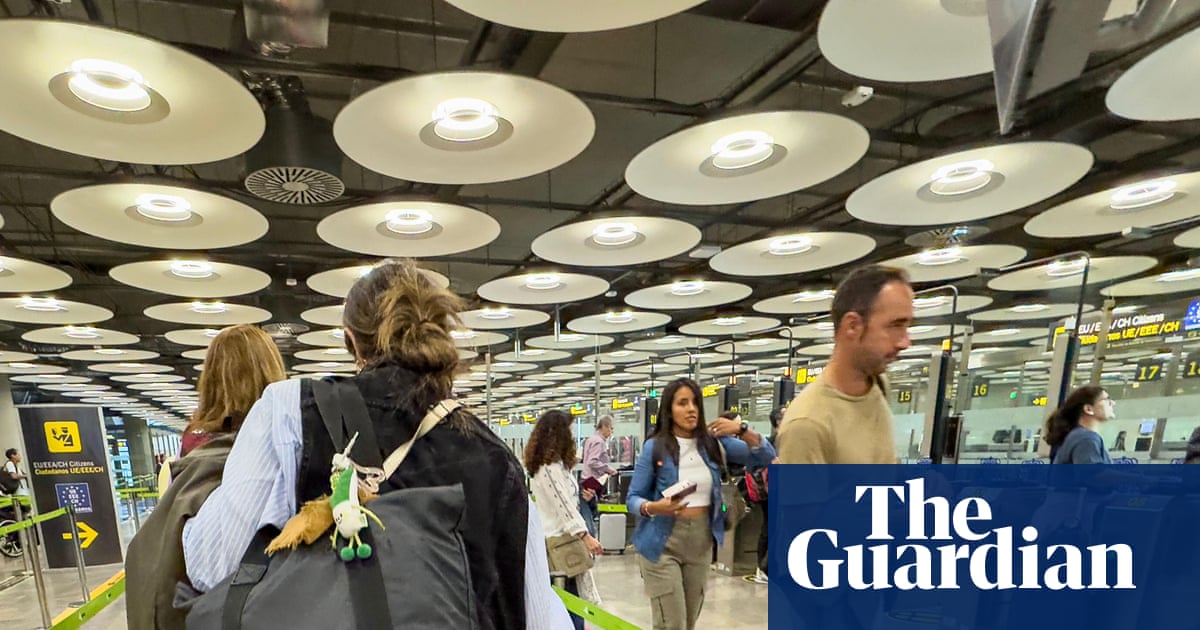
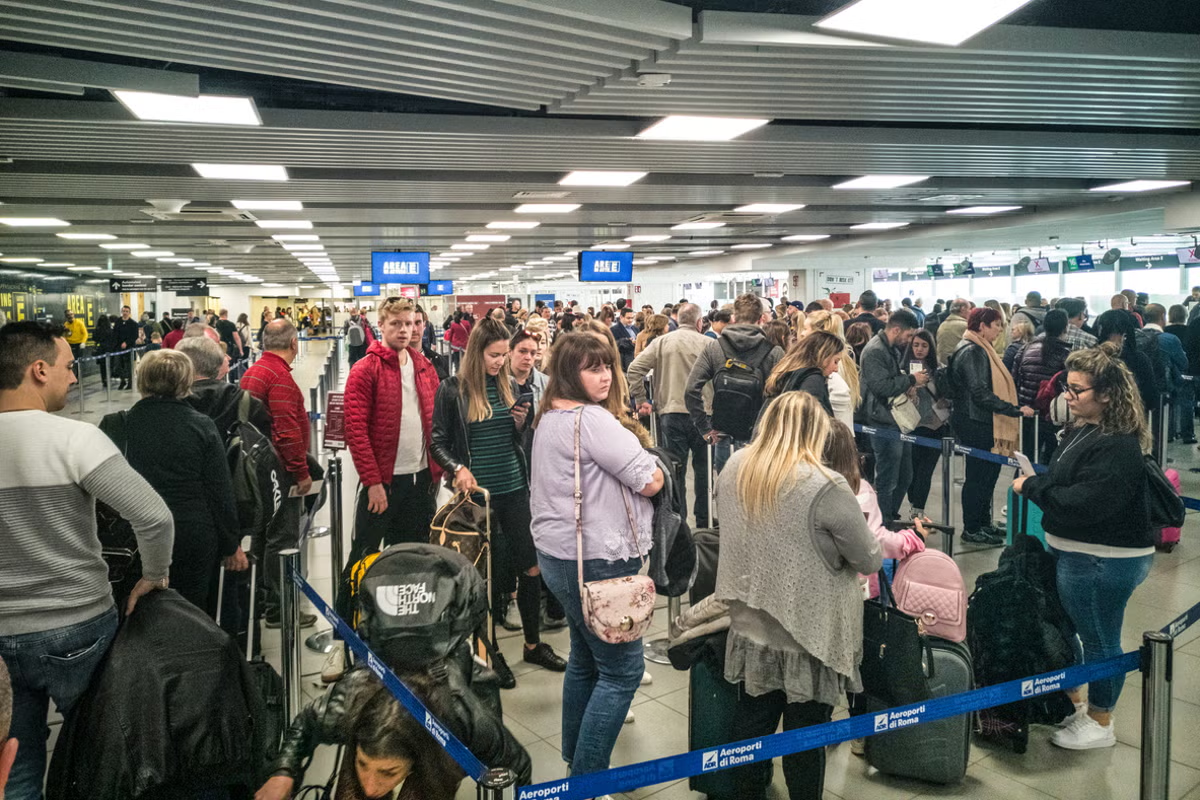
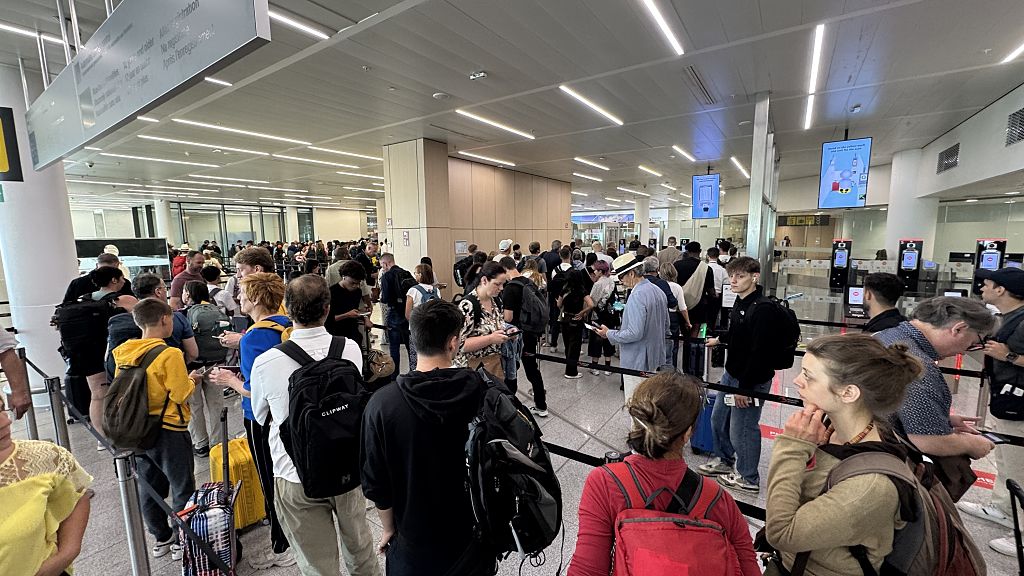
However, technical glitches and the mismanaged deployment of the system have caused long queues at EU passport control points as well as numerous flight delays. This has led Europe’s airline and airport sectors to urge the European Commission to “completely suspend” EES until September and establish “permanent operational flexibility” for EU capitals to temporarily shelve the scheme thereafter.
However, a senior EU official said on Tuesday that a full suspension was neither necessary nor practical. “The system doesn’t work if you have a full suspension [at] one of the other entry or exit points”, as border authorities “constantly need to reconcile” people’s entries into and exits from the bloc, they said.